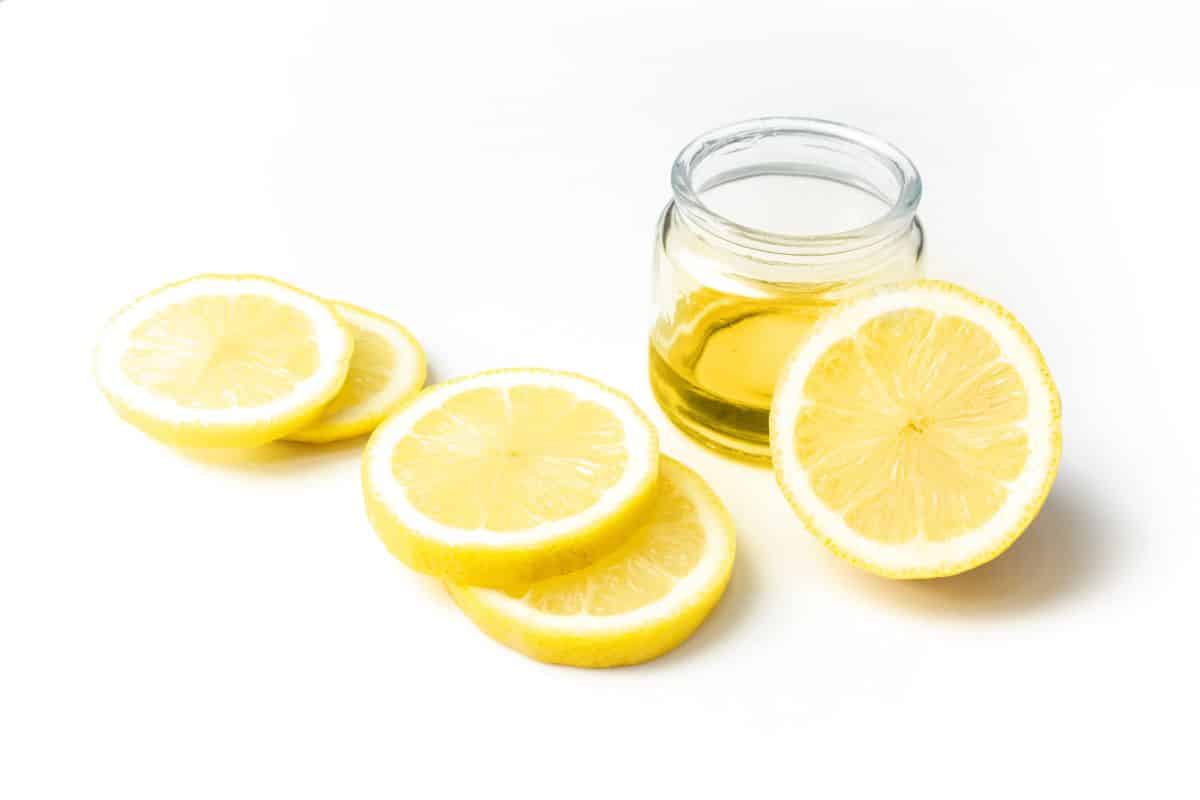
what is lemon juice?
As you can guess, lemon juice is well, the juice of a lemon. It has a very low pH level, making it one of the most acidic natural ingredients around. This acidity helps baked goods rise and provides structure to things like jam and jellies. But if you’ve ever mixed baking soda and vinegar, then you know that dealing with acidic ingredients requires some science. In order to properly substitute lemon juice in a recipe, we need to match the flavor and the pH level of the substitute. Good news, you’ve got a sensory scientist to help you!
how acidic is lemon juice?
Lemon juice is a 2.0-3.0 on the pH scale. Which to put that in perspective, that’s 10,000 – 100,000 times more acidic than water and only one pH level away from battery acid (a 1.0 on the pH scale). This is good news for making jam and jelly which require an acid to bring the pH level down to between 2.8-3.2 for the pectin to set. In other recipes though, like lemon cake or frosting, the pH level is less important and flavor is more important.
Lemon Juice Substitutes
Depending on where you are substituting the lemon juice, you will need to determine if it’s the pH level, the flavor, or both that matter. To get you started, we’ve compiled 12 of the best substitutes for lemon juice, including how to use them as a substitute and when they aren’t a good substitute.
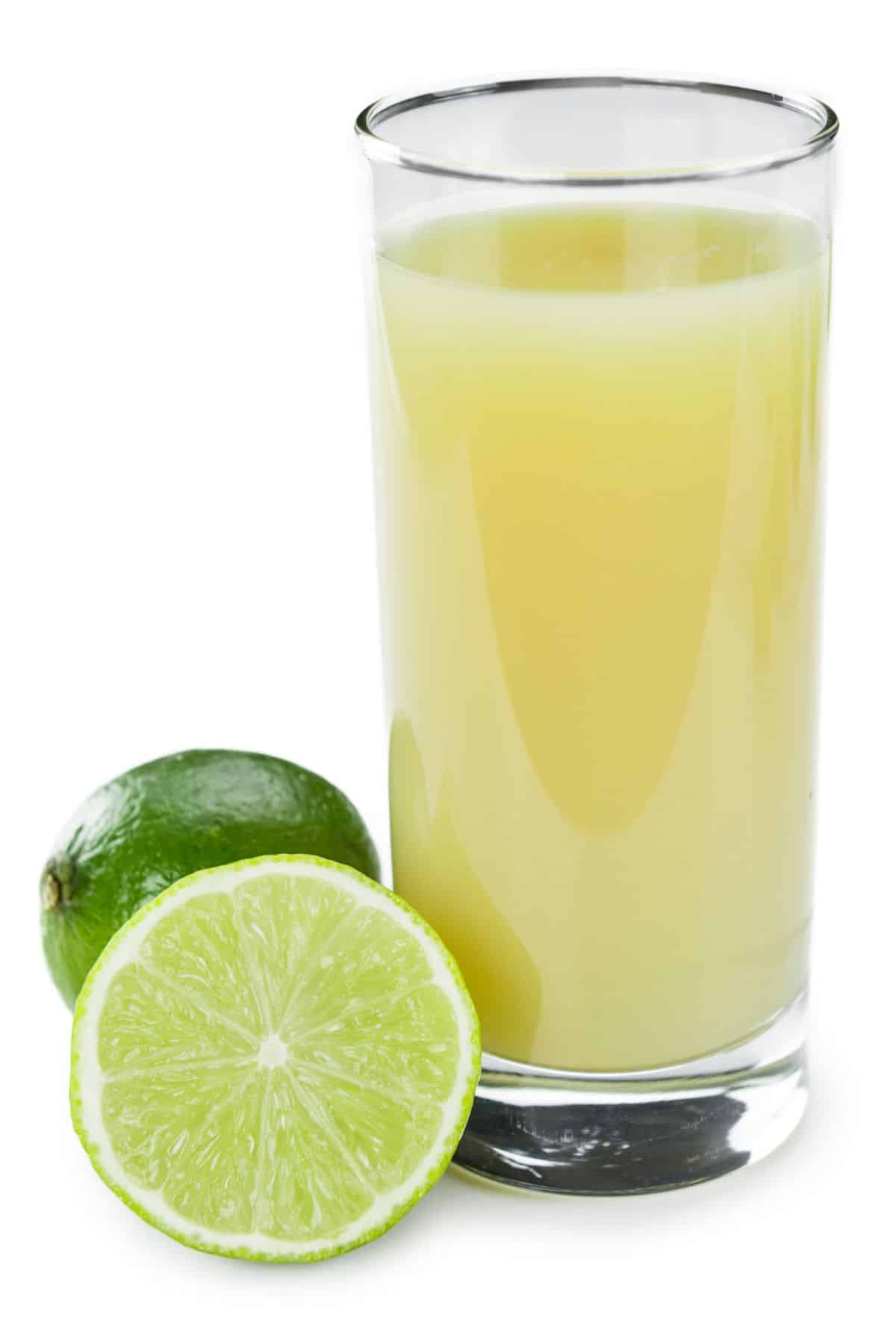
Lime Juice
Why it is a good substitute: We think lime juice is the best alternative to lemon juice because it shares a similar tart and citrusy flavor with lemon juice. Like lemon juice, it is very acidic with a similar Ph. It works as a substitute in both sweet and savory recipes, though it is a bit sweeter than lemon juice. Also, if the recipe is, say “lemon bars” this isn’t where you want to substitute lime juice. Use it when lemon’s distinct taste isn’t a must. How to substitute: You can substitute lime juice on a one for one basis. However, because lime juice is slightly more intense, you may want to use a little less if you want to maintain a milder citrus flavor. Always taste and adjust as needed to achieve the desired level of tartness and flavor.
Orange Juice
Why it is a good substitute: Orange juice is a reasonable substitute for lemon juice when you want a recipe to have a sweeter citrus flavor. It can work in recipes that require some acidity but not the intense tartness of lemon juice. It is a good option if you want to change the flavor to the sweet side and where the lemon flavor isn’t the focus of the recipe as in lemon meringue pie. In recipes that call for lemon zest, this is also not the place to use an orange juice substitute How to substitute: Generally, you can replace lemon juice with orange juice in a one-to-one ratio, but you may need to reduce the sugar content in recipes to account for the added sweetness of orange juice. Nutritional differences: Lemon and orange juice are both good sources of vitamin C, but orange juice contains significantly more sugar. The following table is per 1/2 cup of orange juice.
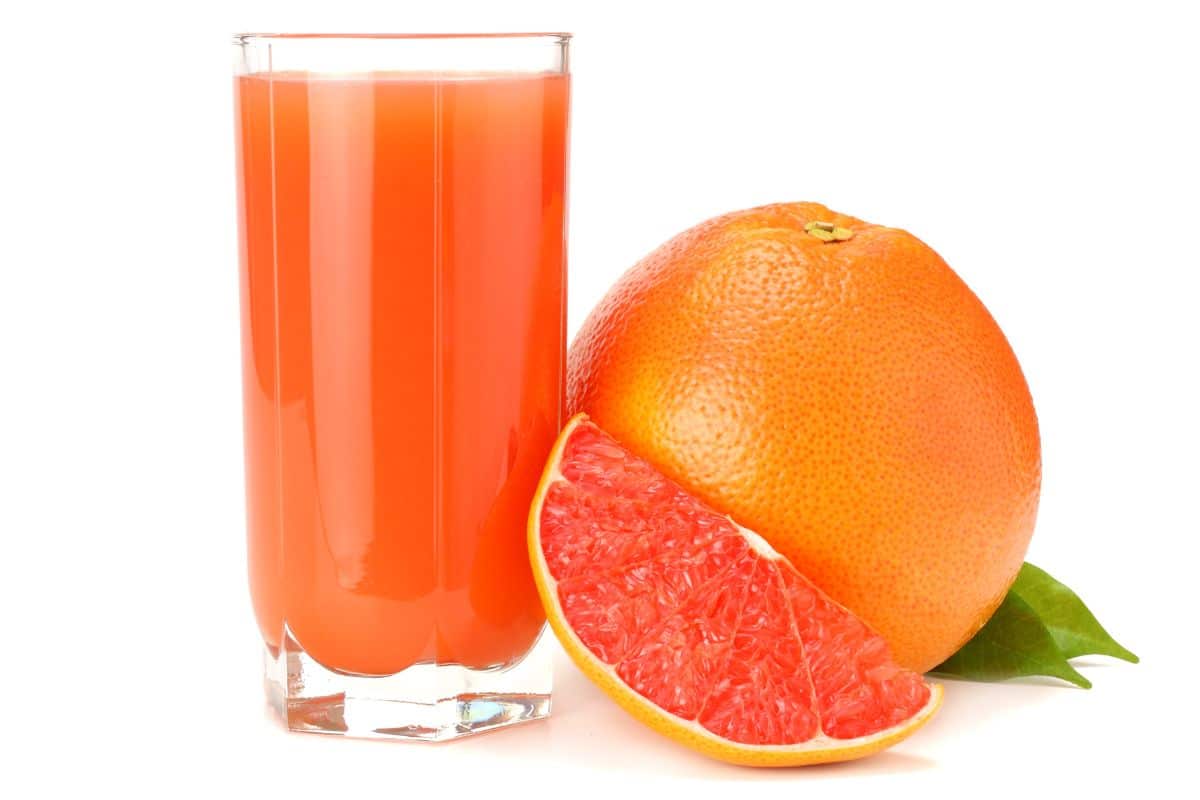
Grapefruit Juice
Why it is a good substitute: Grapefruit juice can replace the acidity and citrusy flavor of lemon juice. In fact, for many people, it is a little bit too citrusy. It also has a distinct flavor that is somewhat sweeter and more tart. It will definitely impart a different flavor than intended when lemon juice is called for. How to substitute: You can generally use it in a 1:1 ratio. Keep in mind that you might need to adjust the sweetness to account for the differences in flavor. Nutritional differences: Grapefruit juice is higher in calories and sugar than lemon juice, but also higher in many nutrients. The following table is per 1/2 cup of grapefruit juice. One important health caveat here. Many drugs are metabolized by an enzyme in your small intestine called CYP3A4. Grapefruit juice can inhibit the action of this enzyme.
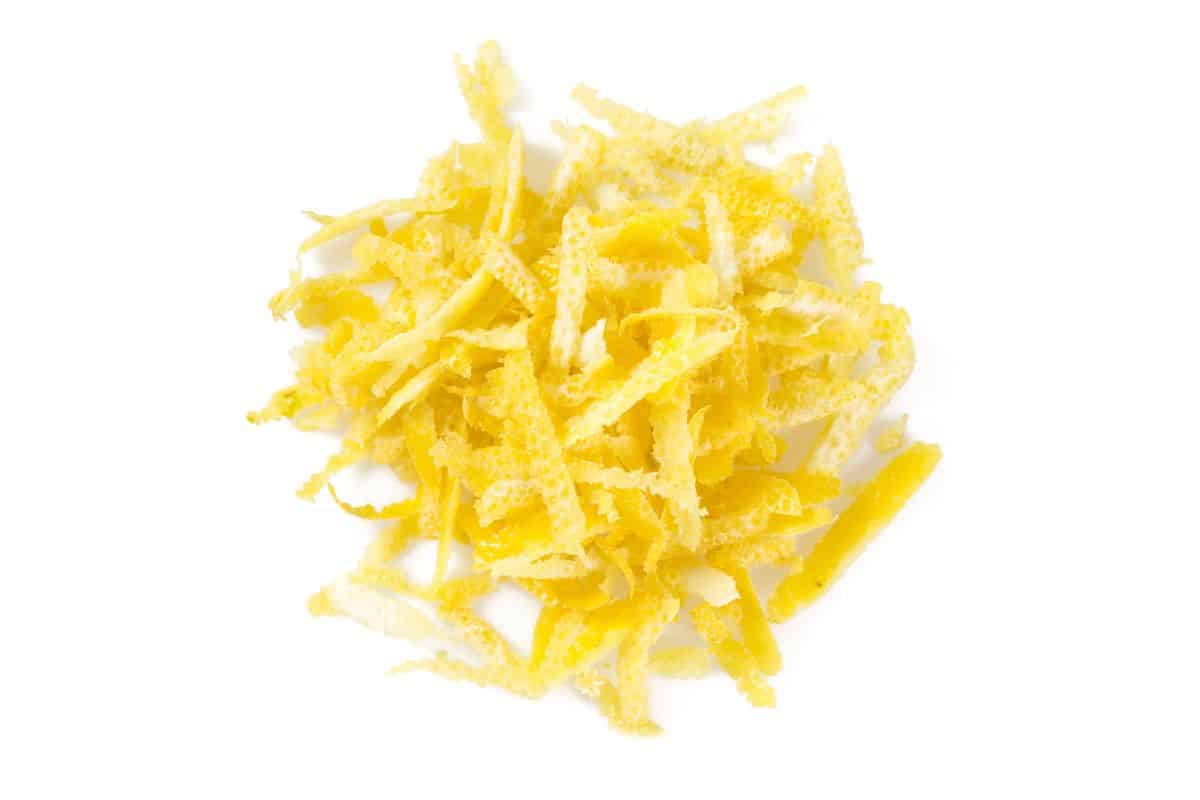
Lemon Zest
Why it is a good substitute: Lemon zest, finely grated lemon peel, can be an excellent substitute for lemon juice when you want to infuse a recipe with the zesty flavor and aroma of lemons, but not the liquid of lemon juice. It will work well in many baked goods and sauces. I keep leftover lemon zest in my freezer. Why waste it? This makes it a quick substitute or addition to cooking regardless of if I have lemons or lemon juice on hand. How to substitute: Use ½ the volume of zest as called for in lemon juice. A medium-sized lemon produces about 1 tablespoon of zest. You may want to add a little at a time while stirring and taste-testing to get the flavor right. Nutritional differences: Like lemon juice, lemon zest is very low in calories but doesn’t have quite the amount of vitamins and micronutrients as the juice. While zest is fiber-rich, the small amounts you will use in a recipe make this negligible.
Lemon Extract
Why it is a good substitute: Lemon extract is made from lemon zest and lemon oil, and has a strong lemon flavor. It is a fair substitute, and will amp up the lemon flavor in your desserts. Using it is a good way to really amp up the lemon flavor in a dessert. Lemon extract also has a longer shelf life than fresh lemons, so it is an easy pantry staple to keep on hand. How to substitute: A good rule of thumb is to use about 1/2 the amount of lemon juice called for. Make up the liquid difference by adding an equal amount of water. This is definitely a substitute you want to add slowly. Using too much lemon extract can result in an overpowering lemon flavor that might not be to your liking. Further, while it has an intense lemon flavor, the extract lacks the tanginess of lemon juice. Nutritional differences: Lemon extract contains nearly negligible calories and nutritional content.
Cream of Tartar
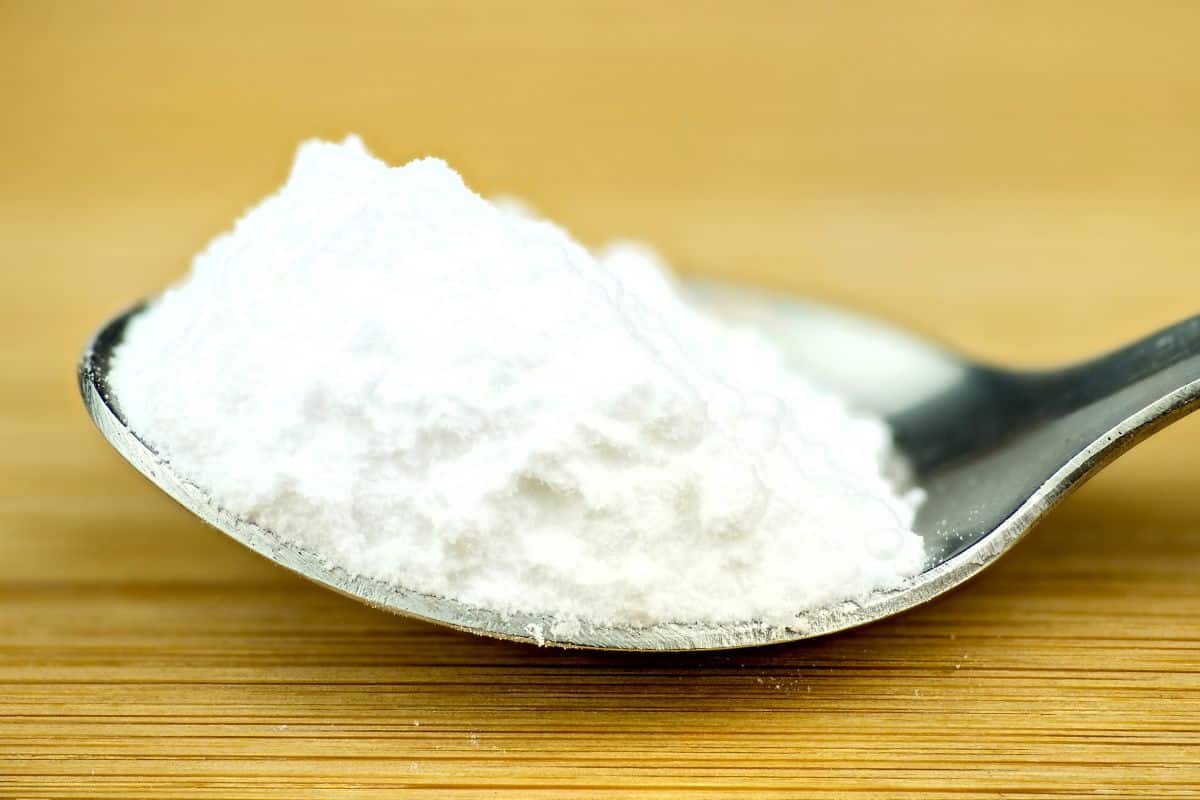
Why it is a good substitute: Cream of tartar (potassium bitartrate) is a fine white powder used in baking and cooking. It doesn’t have a citrusy lemon flavor at all, but would provide the acidity needed in some recipes to activate baking soda like some cookie and cake recipes. How to substitute: Use cream of tartar in lieu of lemon juice in recipes that require acidity. You can use 1/2 teaspoon of cream of tartar for every 1 teaspoon of lemon juice. If a lemony taste is important to a recipe, you may want to add lemon zest or lemon extract. Like most substitutes, this is best done adding a little at a time and taste testing. Nutritional differences: A tablespoon of cream of tartar contains 24 calories making it proportionally much higher in calories than lemon juice, but not high given the limited amounts you will use. It is not nutrient-dense except as a source of potassium.
White Vinegar
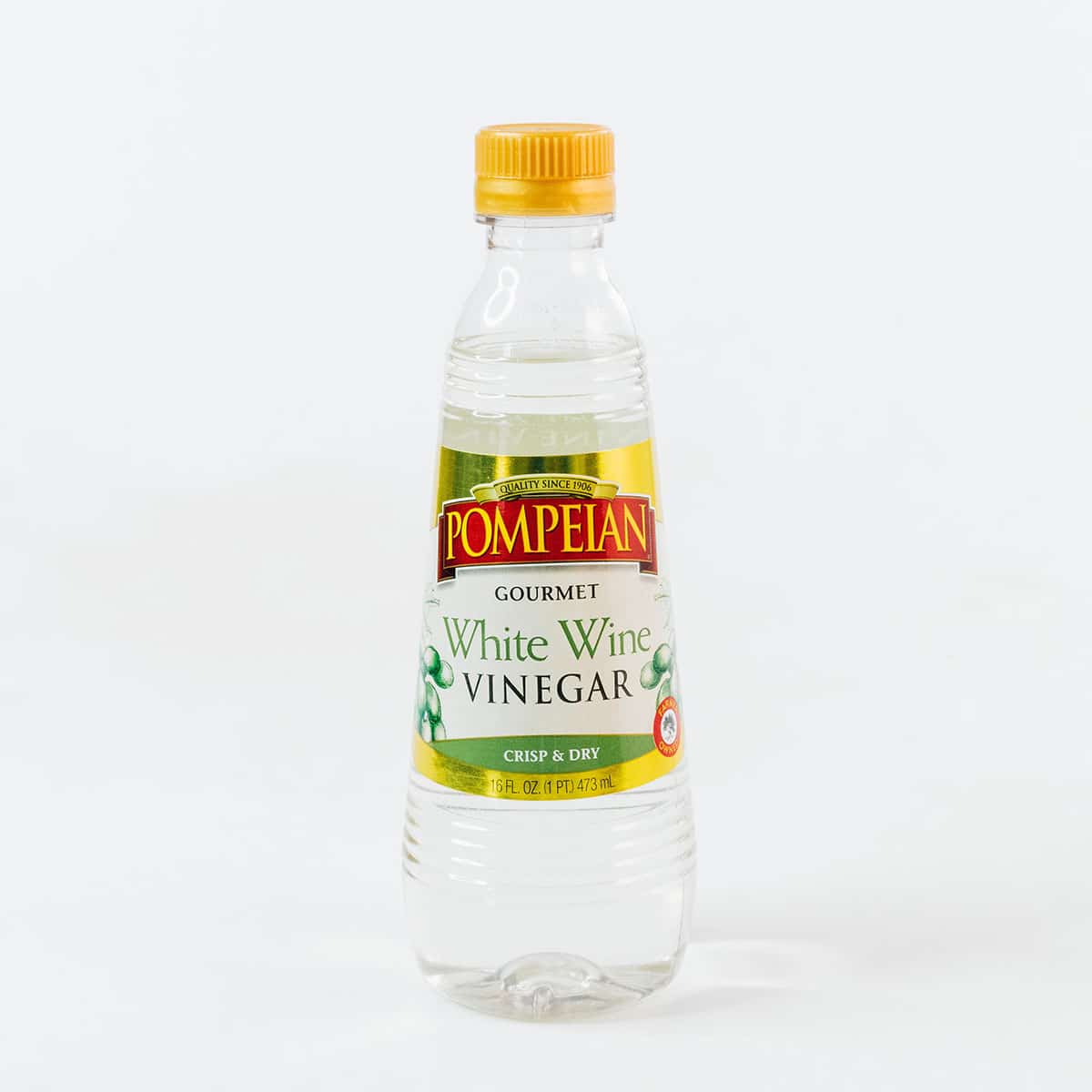
Why it can be a substitute: The acetic acid in white vinegar provides a similar acidity to lemon juice, making it suitable primarily for baking. The obvious problem with it is that it has no lemon or citrus taste. If your recipe includes lemon juice only for its acidity, vinegar is just fine. But if the recipe was meant to benefit from the citrusy flavor that lemons bring, then this isn’t a good substitute. It isn’t a good option for recipes that require a lot of lemon juice like drinks or sauces. Use it as a replacement when only a small amount of lemon juice is called for. How to substitute: You can substitute vinegar in a 1:1 ratio. You may want to taste test as you add it, and adjust the amount to taste. Vinegar can quickly overpower a recipe with a flavor you may not want. This should not be your first choice of substitutes.. Nutritional differences: Most vinegar is a negligible source of calories and nutrients.
Red Wine Vinegar
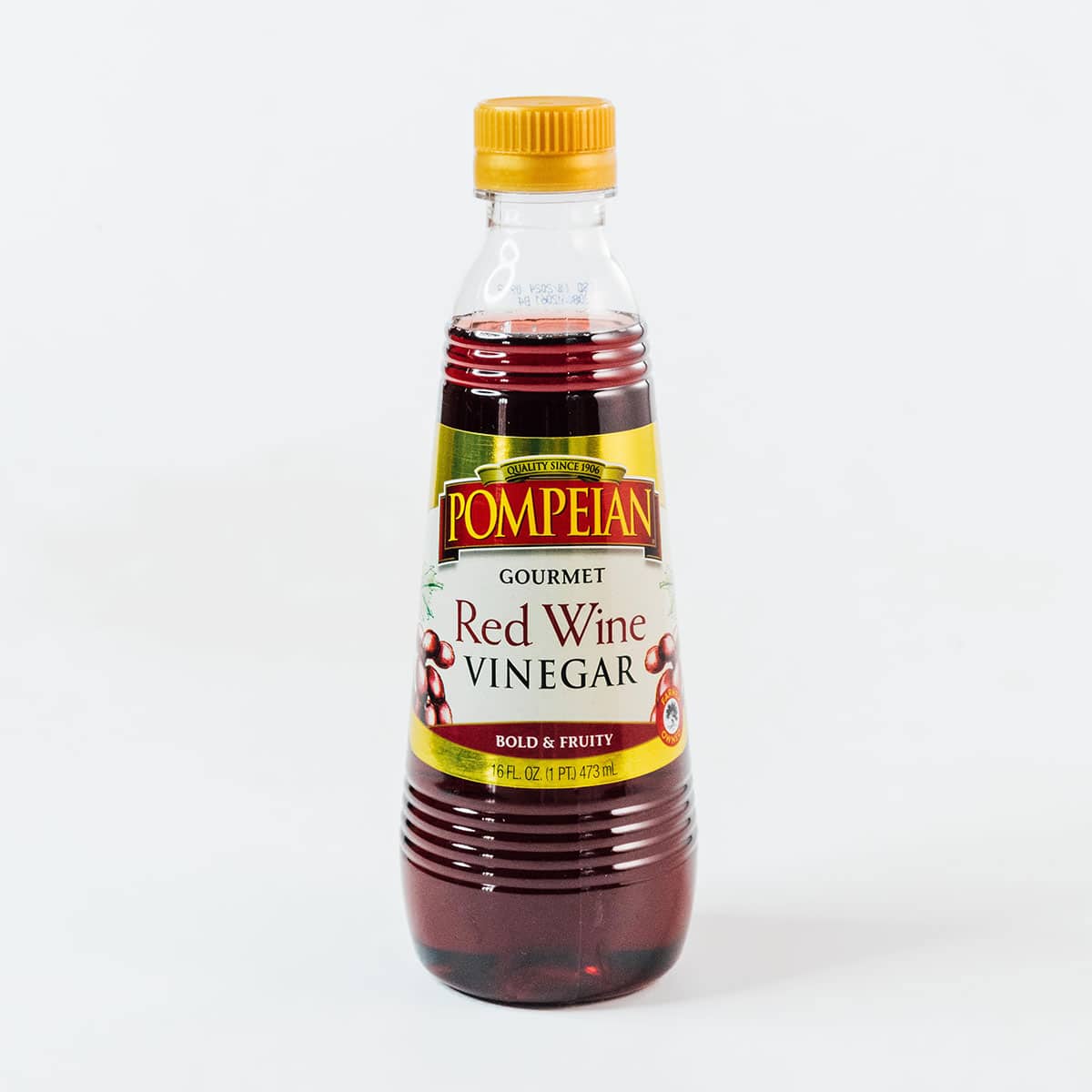
Why it can be a substitute: Red wine vinegar is another viable substitute for lemon juice if you only need it to add acidity to a recipe. While it has a nice tang, it has a completely different taste than lemon juice. The deep red or purple color of red wine vinegar may also be a problem as it can change the color of your recipe depending upon how much is used. This won’t work with lemon bars. How to substitute: You can use a 1:1 ratio. However, considering the strong (non-lemon) flavor of red wine vinegar, you may want to start with a slightly smaller amount and adjust to taste. Nutritional differences: Most vinegar is a negligible source of calories and nutrients.
Apple Cider Vinegar
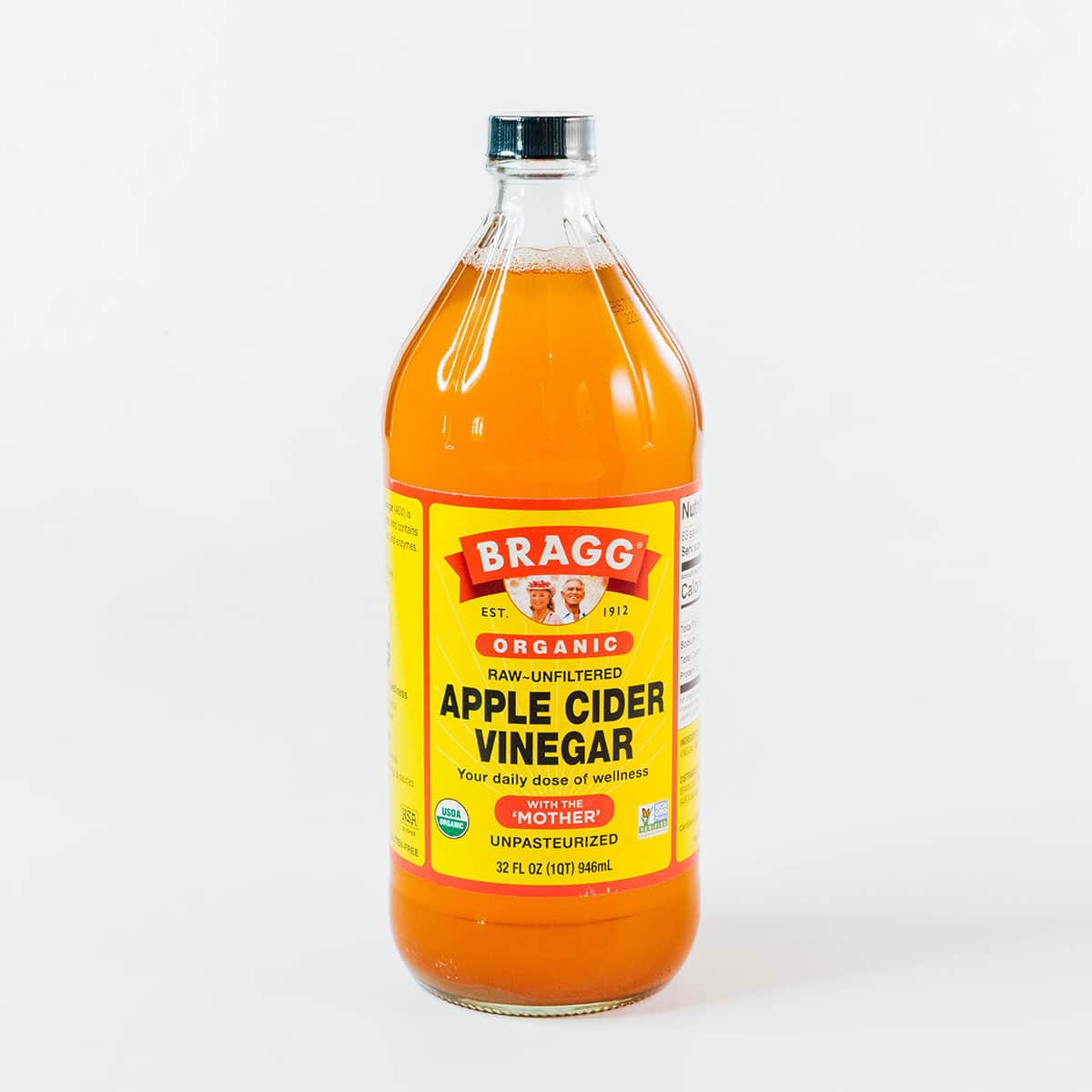
Why it is a good substitute: Apple cider vinegar is a better substitute than the red and white wine vinegars we discussed above. Any of these three will provide the acidity that lemon juice was meant to provide in the recipe, but apple cider vinegar has a citrusy taste that is closer to lemon juice than the others. Its tart flavor can work well in salad dressings, marinades, and as a cooking ingredient. That said, it isn’t lemony! If the lemon taste is crucial to your recipe, this won’t work. It also won’t work in a recipe that requires a lot of lemon juice as the taste differences just become more pronounced. How to substitute: You can use a 1:1 substitution ratio. It’s best to start with a little less and adjust to taste since the flavor can be strong. You may also need to adjust the sweetness or other flavor elements in the recipe to balance the vinegar’s taste. Nutritional differences: Most vinegar is a negligible source of calories and nutrients.
Citric Acid
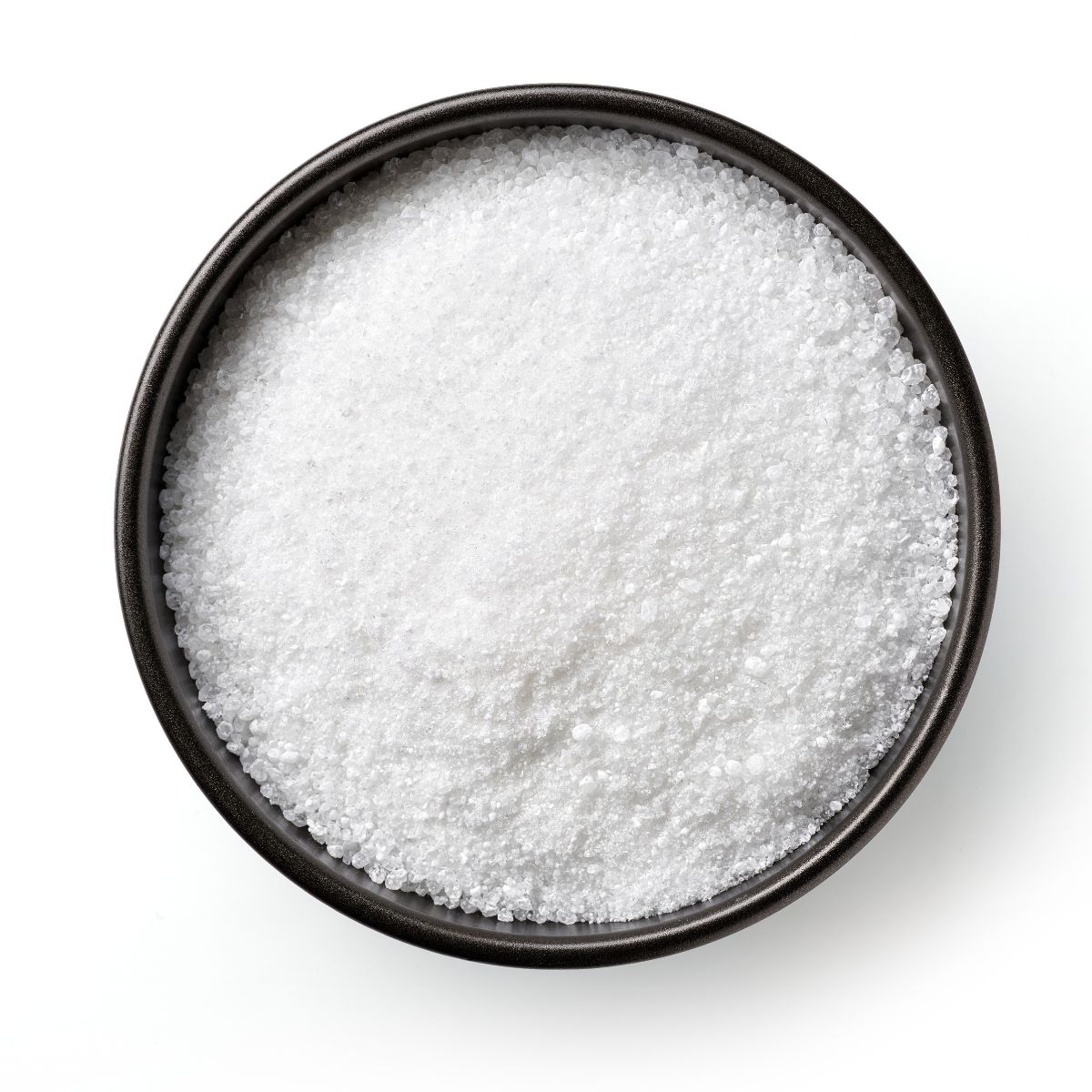
Why it is a good substitute: If your recipe needs the acidity of lemon juice without the taste or liquid component, this is a good option. It offers a pure tartness without any additional flavors, making it a good option in canning, preserving, and baking that doesn’t need the lemon flavor. How to substitute: 1/4 teaspoon of citric acid powder is the equivalent of 2 tablespoons of lemon juice. Start with a small amount and adjust to taste. It’s crucial to dissolve the citric acid in a small amount of liquid or mix it with other dry ingredients before adding it to your recipe. This ensures even distribution and prevents clumping.
White Wine
Why it’s a good substitute: White wine adds a mild acidity and a subtle fruity flavor that goes pretty well with savory recipes that otherwise call for lemon juice. White wine mimics some of the acidity of lemon juice though not really the flavor, and it lacks the zesty tanginess. Still, all in all we think it works, and pinot grigio and sauvignon blancs are often used as lemon juice substitutes. How to substitute: You can substitute it on a 1:1 basis. We wouldn’t suggest it for recipes calling for larger amounts of lemon juice. It is certainly not the substitute for drinks or cocktails. White wine, like lemon juice, is also good for deglazing a pan. Nutritional differences: White wine is significantly higher in calories than lemon juice, but since you shouldn’t use it as a substitute in recipes that require a lot of lemon juice, it isn’t a big issue. Two tablespoons of wine has about 25 calories and little in the way of vitamins or minerals. So to wrap this up, what is the all-around best substitute for lemon juice? We give the nod to lime juice. It is similar in taste and acidity level and works in both sweet and savory recipes as well as all manner of beverages and cocktails.