What is Cocoa?
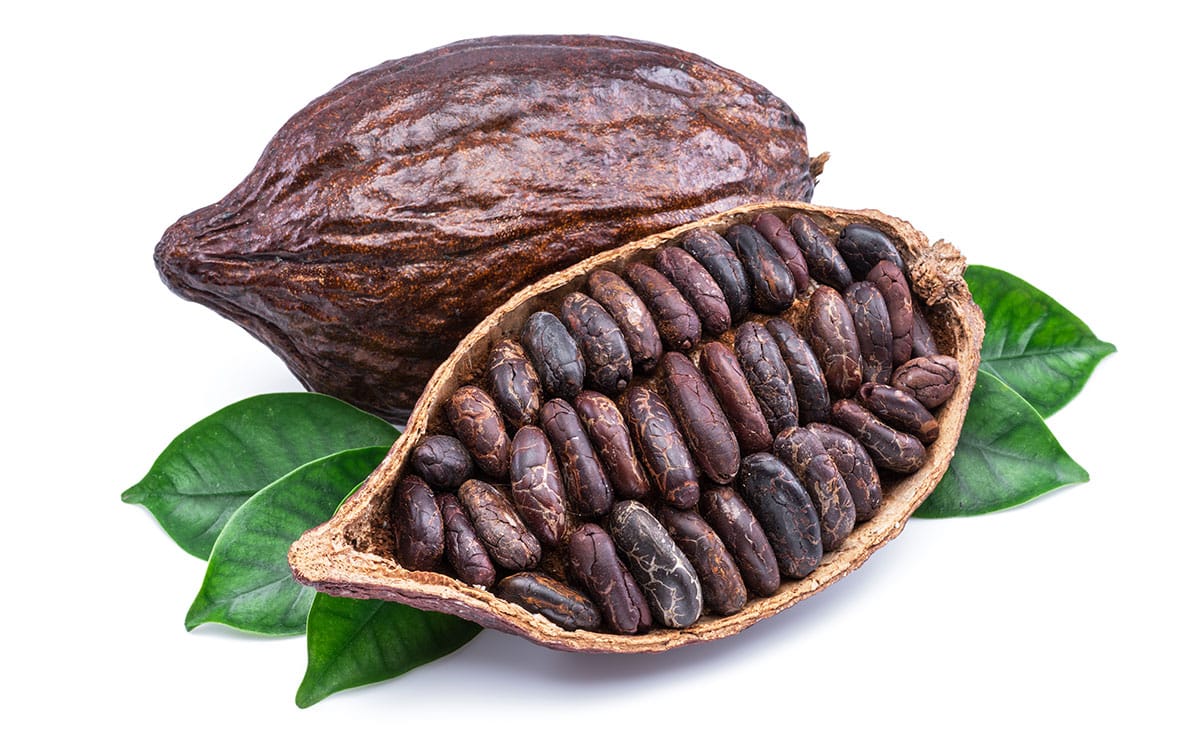
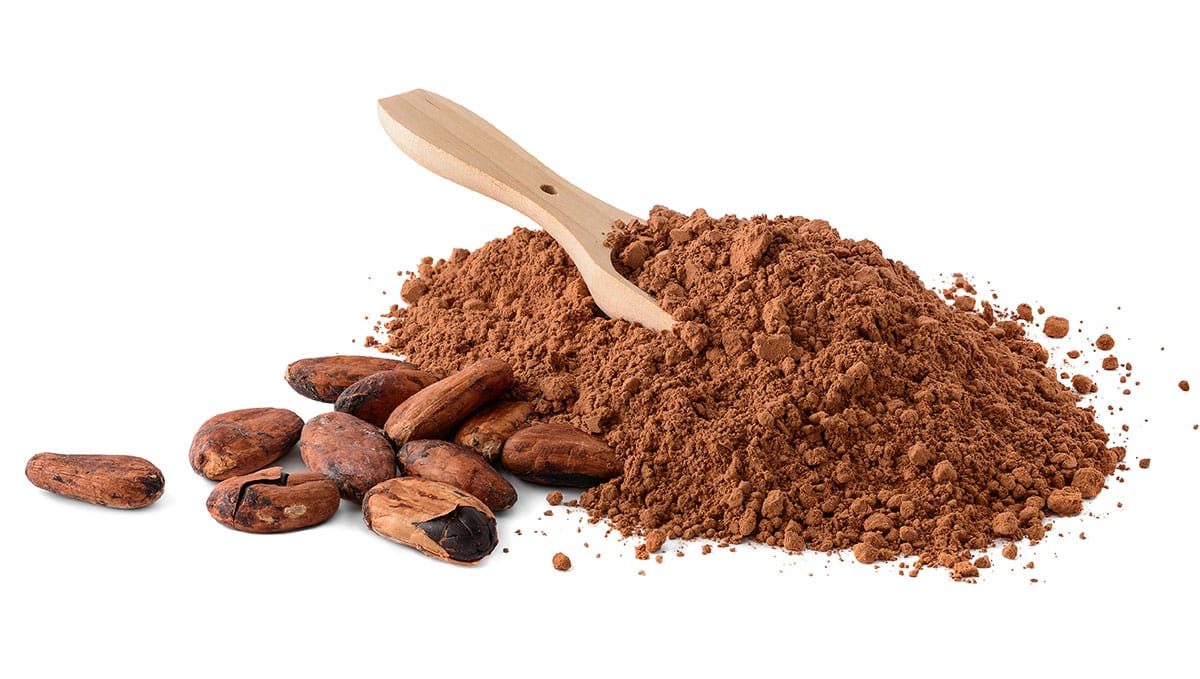
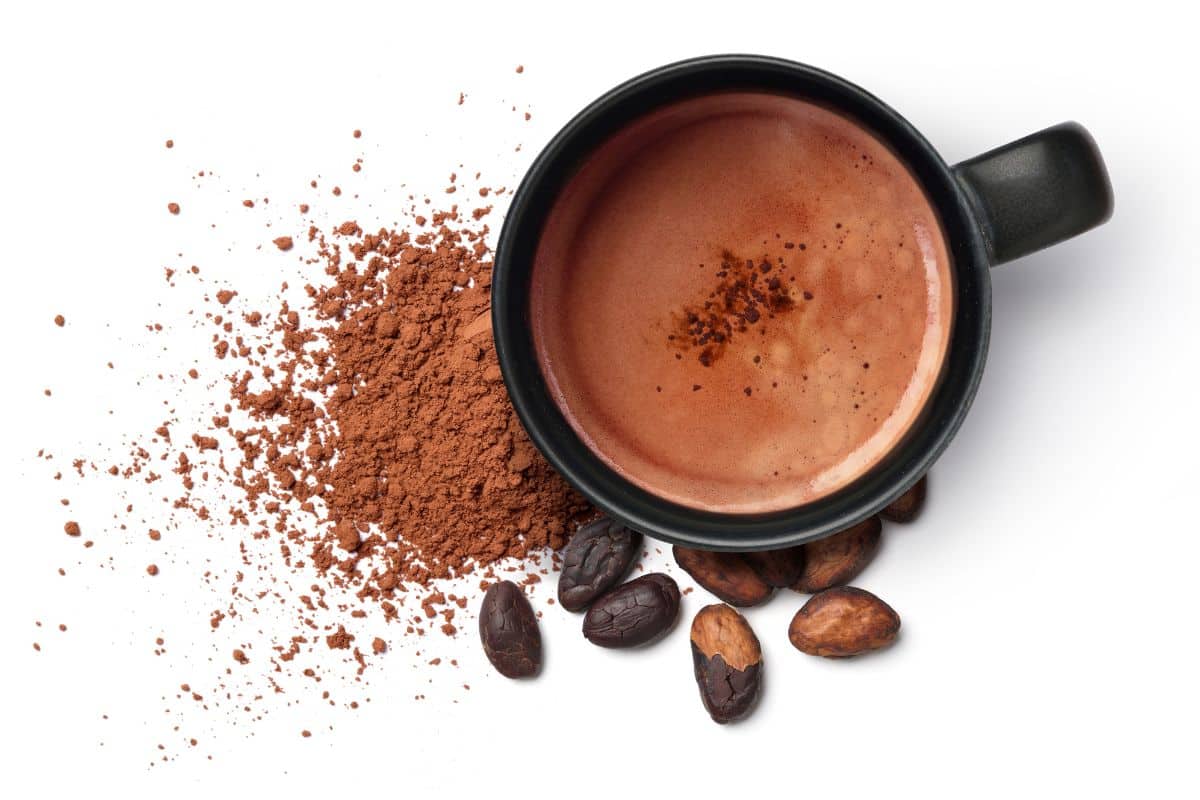
Cacao trees produce seed pods called cacao beans that give the world chocolate. Cocoa or chocolate is the result of fermented and roasted cacao beans. These seeds are native to the Americas and were once used as currency (that’s my kind of society). Nowadays, over 70% of the world’s cacao is grown in West Africa and is then shipped off to be made into chocolate around the world.
Cacao, Cocoa and Chocolate Forms
Chocolate and cocoa powder are not the same! So to start, we think it’s helpful to differentiate between all the different products that come from the cocoa bean.
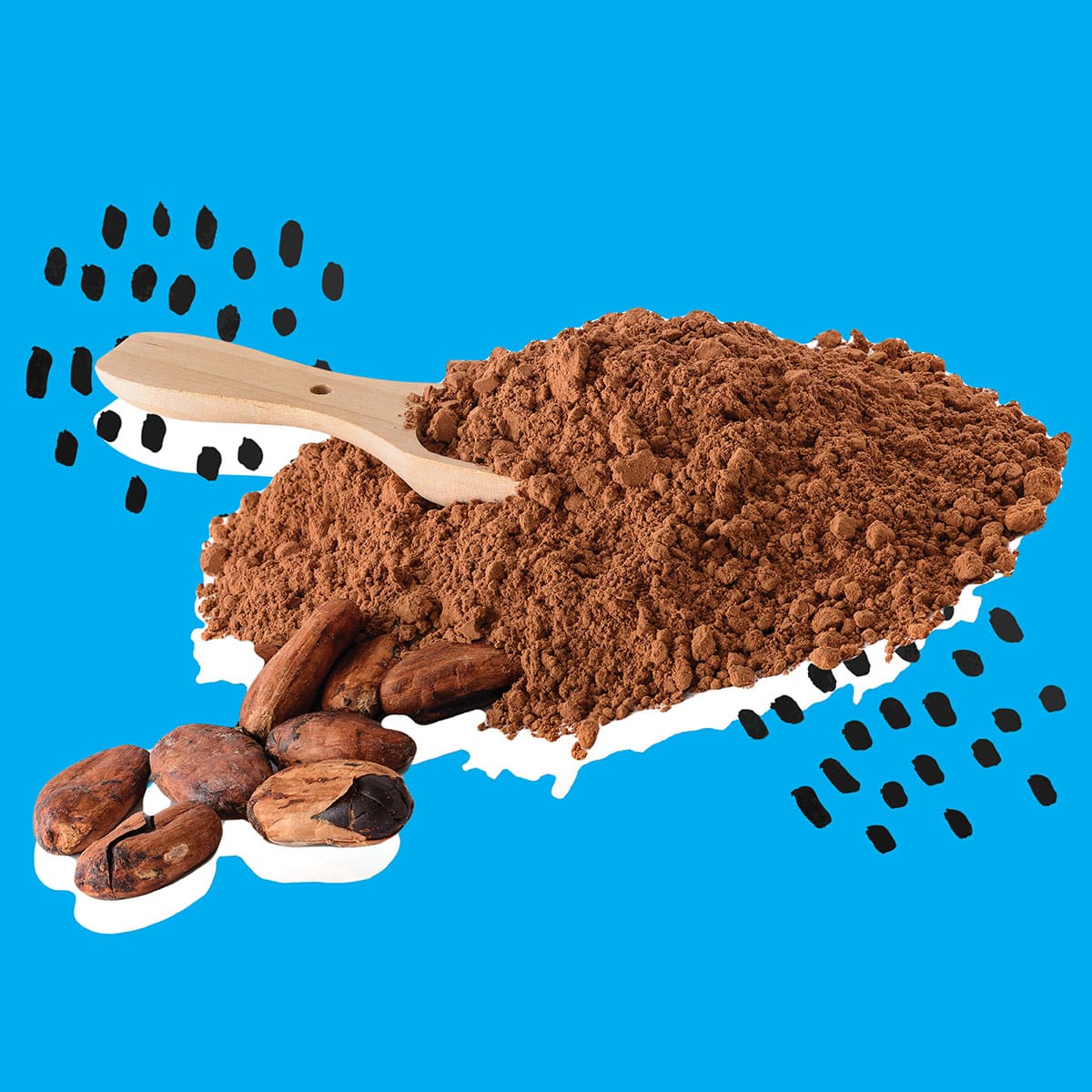
Cacao nibs and powder: This is the raw, unroasted cacao seed. It’s significantly more bitter than roasted cocoa but retains more of its nutrients. Cocoa nibs and powder: Cocoa is the roasted equivalent of cacao. It is less bitter and closer to what you may be used to eating and cooking with. Dutched Cocoa Powder: This is alkalized cocoa powder, meaning it has a more neutral pH and is less bitter than regular cocoa powder. It dissolves easily so it’s great for making hot cocoa! Dark Chocolate: Cocoa + Cocoa butter + Sugar Milk Chocolate: Cocoa + Cocoa butter + Sugar + Milk White Chocolate: Cocoa butter + Sugar + Milk
How is Cocoa Powder Made?
The process of making cocoa powder involves several steps. The cocoa pods are cut from trees by a machete and then cut open by the same machete wielders so the beans can be removed. They are then fermented for a few days and laid out in the sun to dry. The dried beans are then roasted and ground into a paste called chocolate liquor, which doesn’t contain alcohol despite the name. This paste is then sometimes further processed to separate cocoa solids from cocoa butter. The solids are then finely ground into cocoa powder. Cocoa powder is naturally bitter, so most recipes using it also call for sugar or other sweeteners
Substitutes For Cocoa Powder
Now that we’ve gone over all the details of cocoa powder, let’s get into the substitutes! Our recommendations will provide good options for when you don’t have cocoa powder on hand or maybe just want a more socially conscious option.
Cacao Powder
After creating over 1,000 recipe over the last 10 years, I think cacao powder is the best substitute for cocoa powder. It comes from the same cocoa beans, but is made by cold-pressing unroasted beans. This keeps more of the natural flavor and nutrients. Cacao powder has a decidedly more bitter chocolate flavor than cocoa powder. You should substitute cacao powder for cocoa powder in a slightly less than a 1:1 ratio. If a recipe calls for 1 tablespoon of cocoa powder, try ¾ of a tablespoon of cacao powder and adjust. Taste your batter and add more to your taste. It also won’t be as sweet, so you may want to add more sugar. When baking with cocoa powder you may also need to add a bit more baking powder or baking soda than the recipe calls for, and may want to sift the cocoa powder before use as it is prone to clumping.
Carob Powder
Carob powder is made from roasted carob pods, and has been used in lieu of chocolate for centuries. It is naturally sweet and looks like cocoa, but is less bitter. It has the advantage of being caffeine-free and a good source of fiber and minerals. To substitute carob powder for cocoa powder in your recipes, you can use a 1:1 ratio as a general guideline. Just keep in mind that it is sweeter, so you may want to reduce the sugar in your recipe. Add it slowly, tasting as you go. Carob powder is also slightly thicker and denser than cocoa powder, so your recipe might need a bit more of whatever liquid it calls for. While carob’s taste is not an exact match, it generally makes a pretty good cocoa powder replacement.
Black Cocoa Powder (A Dutch Processed Cocoa Powder)
Black cocoa powder is a type of cocoa powder that is darker, smoother, and less bitter than normal cocoa powder. It’s often used in baking when a deep, intense chocolate color and flavor is the goal. A common guideline is to replace about 25-50% of a recipes cocoa powder with black cocoa powder. Keep in mind that using black cocoa powder exclusively may result in an overly intense chocolate flavor and a very dark appearance, which may not be suitable for all recipes. We recommend that for each ½ cup of black cocoa powder used you add an additional 1 tsp of baking powder to make up for the lack of acidity. You may need to add a touch more butter or oil due to black cocoa’ s lower fat content.
Chocolate Chips or Chunks
Chocolate chips or chunks are the small chocolate chips typically used in chocolate chip cookies and sold in bags. They come in unsweetened, semisweet, bittersweet, milk chocolate, and white chocolate. They are mostly used in cookies, brownies, and cakes, and are meant to hold their shape when baked. They tend to be sweeter and less bitter than cocoa powder as they are made with added sugar and added cocoa butter. When you use these as a substitute the flavor of your recipe will definitely be different, so we suggest using unsweetened or maybe semi-sweet chips. We recommend you: We think the best recipes to substitute chips in are brownies and cookies as it will make them fudgier and richer. Lava cakes and hot chocolate are also good recipes to use chips in vs cocoa powder. All in all, this is a pretty good substitute in some recipes.
Malt Powder
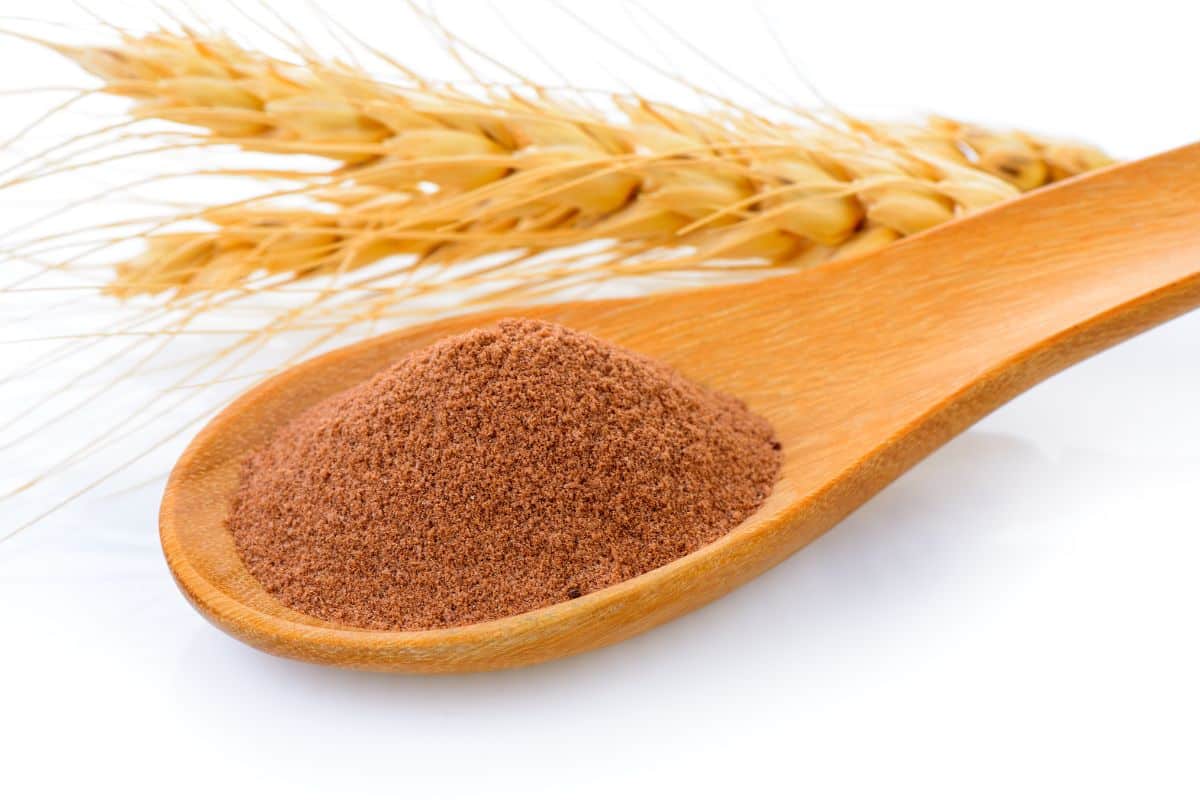
Malt powder is made from malted barley, although other grains like wheat or rice may also be used. It is used in brewing beer and making malted milkshakes, but its uses in the kitchen go well beyond that. Malt powder, however, is much sweeter and has a very different taste than cocoa. You will likely want to use more malt powder than is called for in cocoa powder. As with all of these recommendations the amount of change depends on the recipe and the taste you want, so add some, test, and add more. Two suggestions: While we like this as a substitute, it really comes down to the recipe and if you want to change its flavor. If a cake is called “Death by Chocolate”, then this isn’t the place to use malt powder.
Espresso Powder
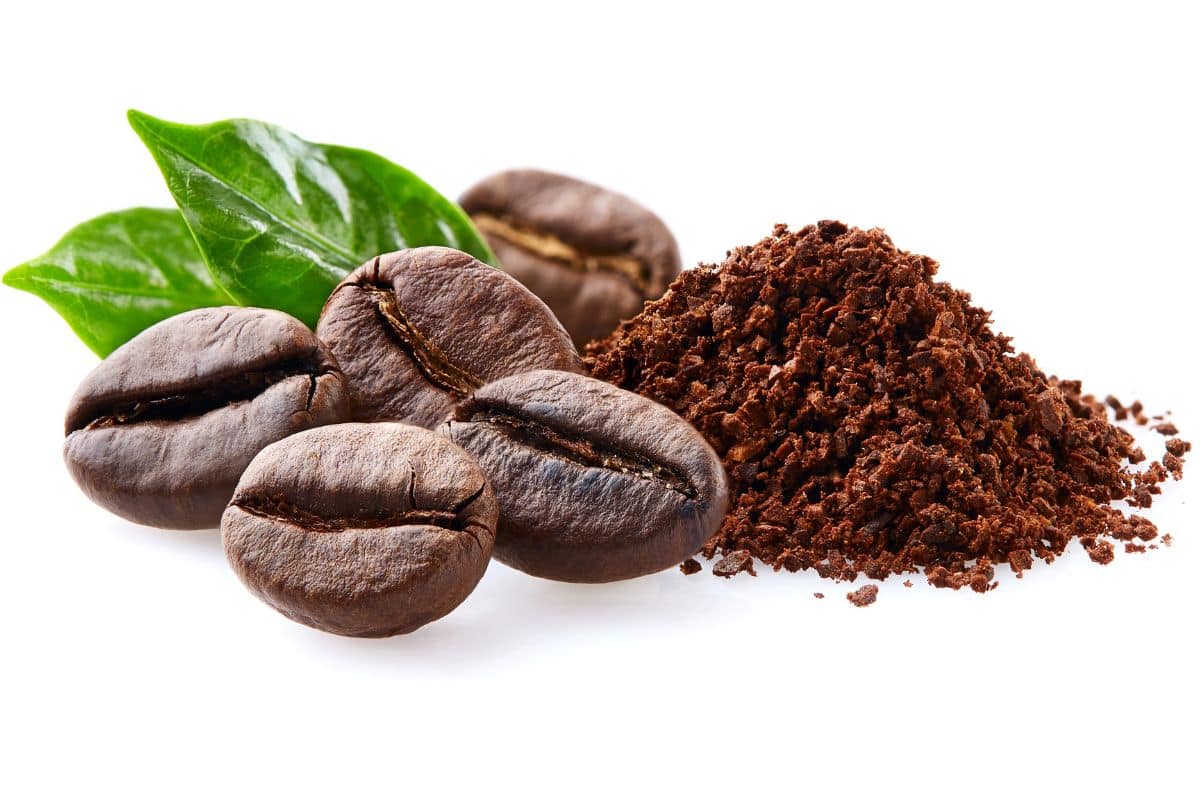
Espresso powder is a concentrated form of coffee made by grinding brewed espresso beans into a fine powder. While this can be used as a cocoa powder replacement, the flavors are pretty different. We only recommend using it with recipes that you think the strong coffee flavored twist would improve the flavor. We recommend you only use about half the amount of espresso powder as the cocoa powder called for in the recipe. Espresso powder is more potent, so a little goes a long way. Consider just replacing part of the cocoa powder. Also keep in mind that espresso powder absorbs less liquid than cocoa powder, so you might need to adjust the recipe’s liquid content slightly. Add a bit more milk or water, if the batter seems too dry. Finally, remember that espresso powder can be slightly bitter, so you may want to increase the sweetener, like sugar or honey, in your recipe to achieve the desired sweetness level. So, it isn’t an ideal substitute, but we think in the right recipes it can actually be a flavor. Consider this faux ice cream made from frozen bananas which would be great with a combination of cocoa powder and espresso.
Chocolate Syrup
Chocolate syrup is a sweet, liquid chocolate-flavored condiment commonly used with desserts and beverages. It’s made from cocoa powder, sugar, water, and sometimes corn syrup or other sweeteners. This makes it a good bit sweeter than cocoa powder and not at all bitter. Heck, it is meant for pouring over ice cream. No bitterness here. We recommend you start with a 2:1 replacement (2 parts syrup by weight to replace 1 part cocoa powder), and adjust from there. Consider reducing the amount of sugar in your recipe. You will also want to decrease the amount of liquid (milk or water) in the recipe to account for the liquid added by the syrup. Again, add the syrup in slowly, stir your batter, and decide if you need to keep adding or not. We think this is a pretty much foolproof substitute for hot chocolate or mocha coffee, and will work well enough in brownies, cakes, and cookies. With these the most important thing to watch is the liquid consistency. You don’t want runny cookies!
Dark Chocolate
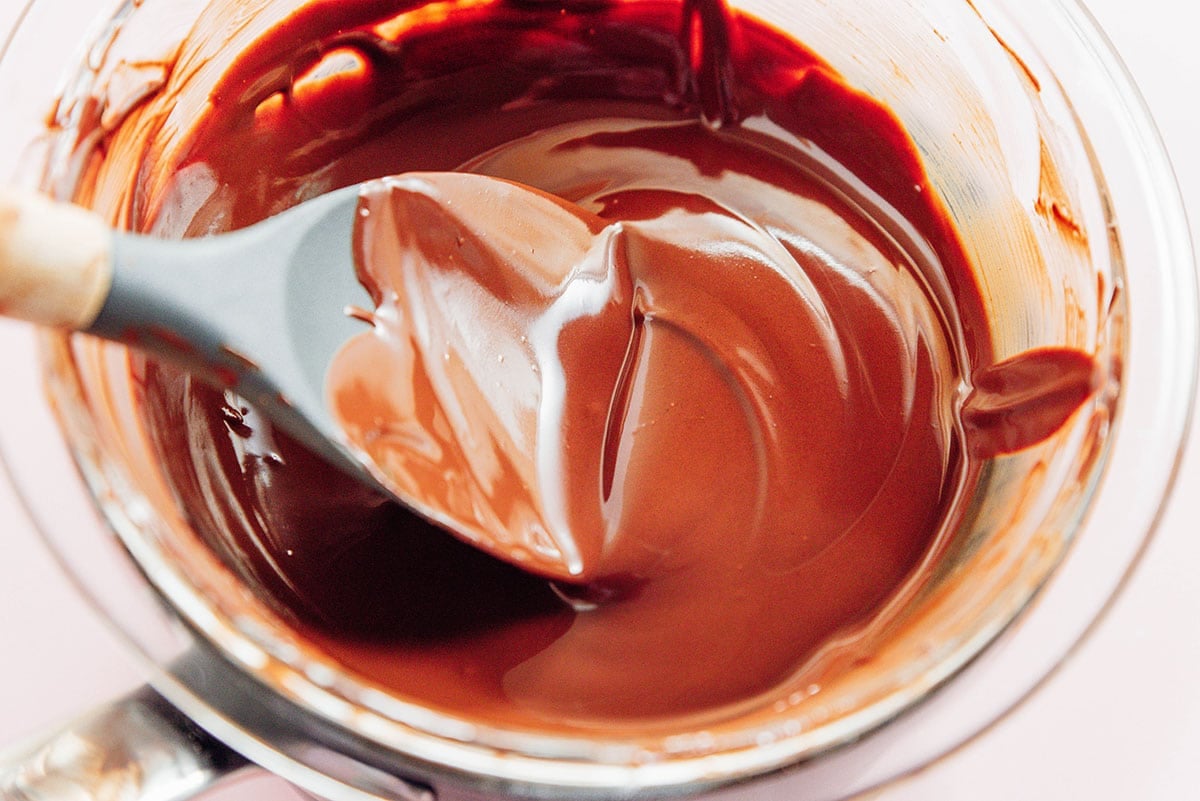
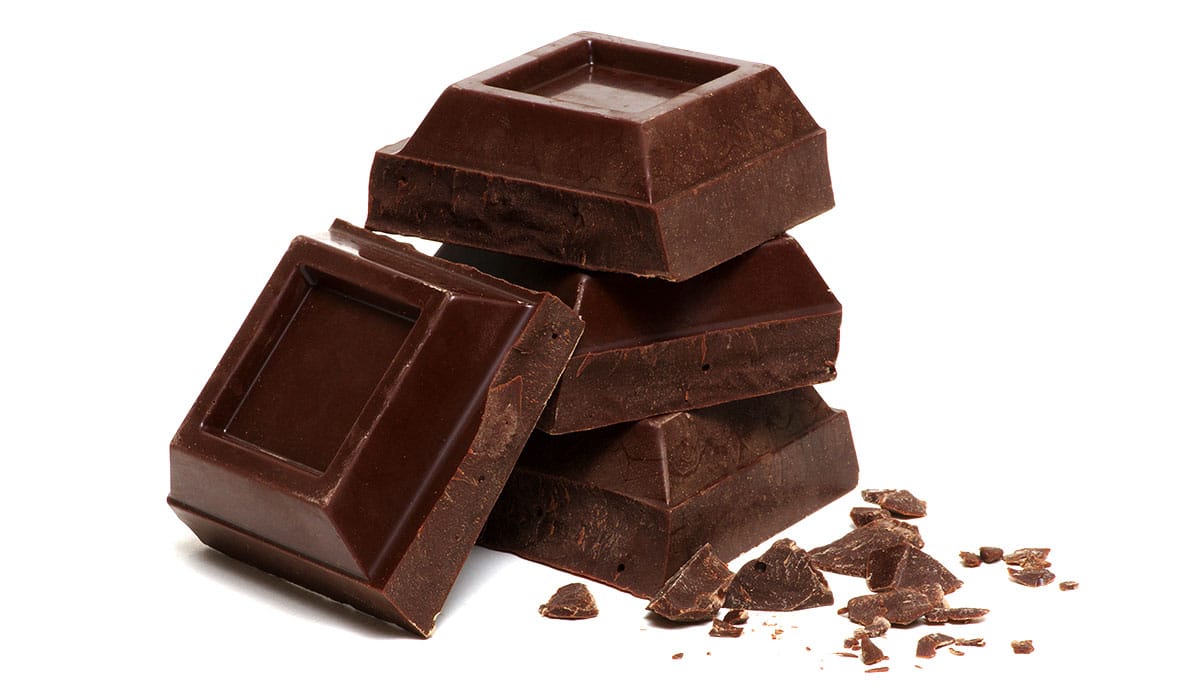
Dark chocolate is made from cocoa beans, cocoa butter, and sugar. It has an intense bittersweet chocolate flavor. So, the flavor difference between it and cocoa powder is pretty substantial. Dark chocolate will add sweetness, creaminess, and a stronger chocolate flavor to your recipes. We recommend that you: This is a good substitute choice for hot chocolate, chocolate candies, dark chocolate cakes, or one of our favorites chocolate truffles.
Unsweetened Baking Chocolate
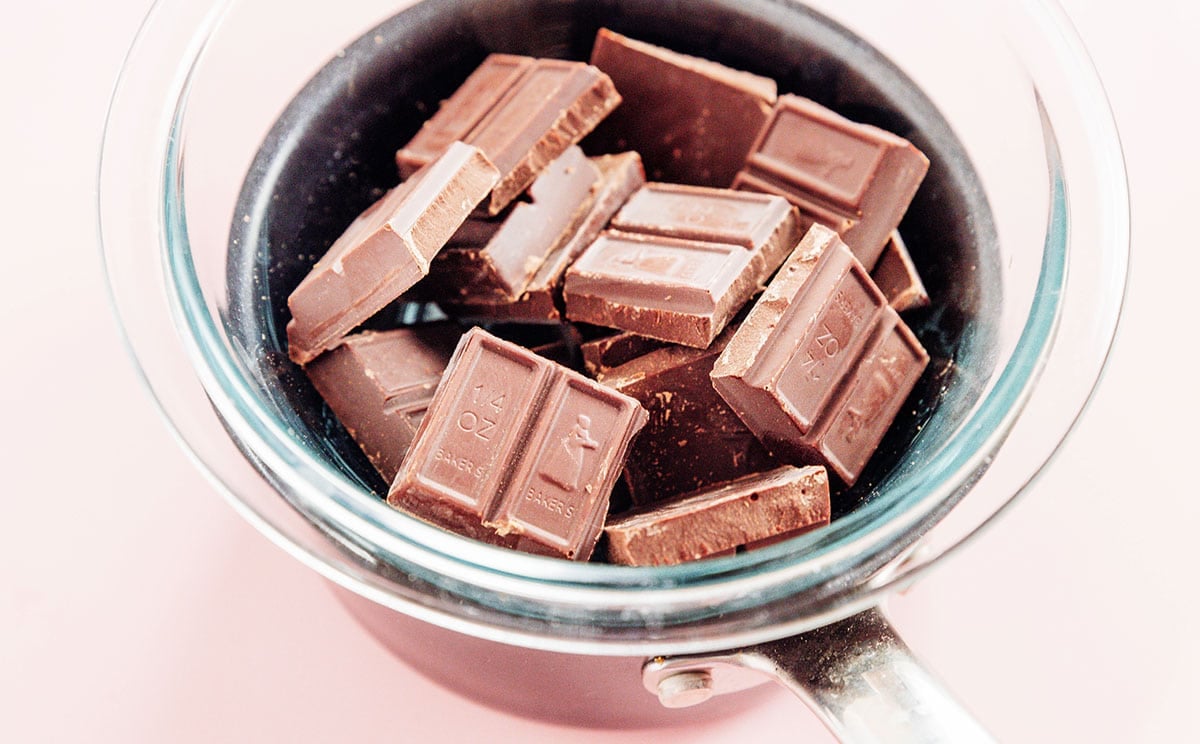
Unsweetened baking chocolate is made from pure cocoa solids and cocoa butter, and has no added sugar. It is sold in bar form, and needs to be melted before use. It isn’t sweet, but has a deeper chocolate flavor than cocoa powder and higher fat content. To Use it: This is a good substitute if you want a pronounced chocolate flavor and a creamy texture in your recipe. Chocolate sauces and fudge come to mind.
Hot Chocolate Mix
Hot chocolate mix usually contains a combination of cocoa powder, sugar, powdered milk, and sometimes add-ins like vanilla or marshmallows. It is not our favorite substitute for cocoa powder. The flavor differences between hot chocolate mix and cocoa powder are significant. Cocoa powder has a deep, intense chocolate flavor with a slight bitterness. Hot chocolate mix is sweeter and creamier which will change your recipes. We recommend starting with a 1:2 ratio, meaning if your recipe calls for 1 tablespoon of cocoa powder substitute with 2 tablespoons of hot chocolate mix. You may also need to reduce added sugar in your recipe, and slightly reduce added milk as the mix already contains dry milk.
Chocolate Protein Powder
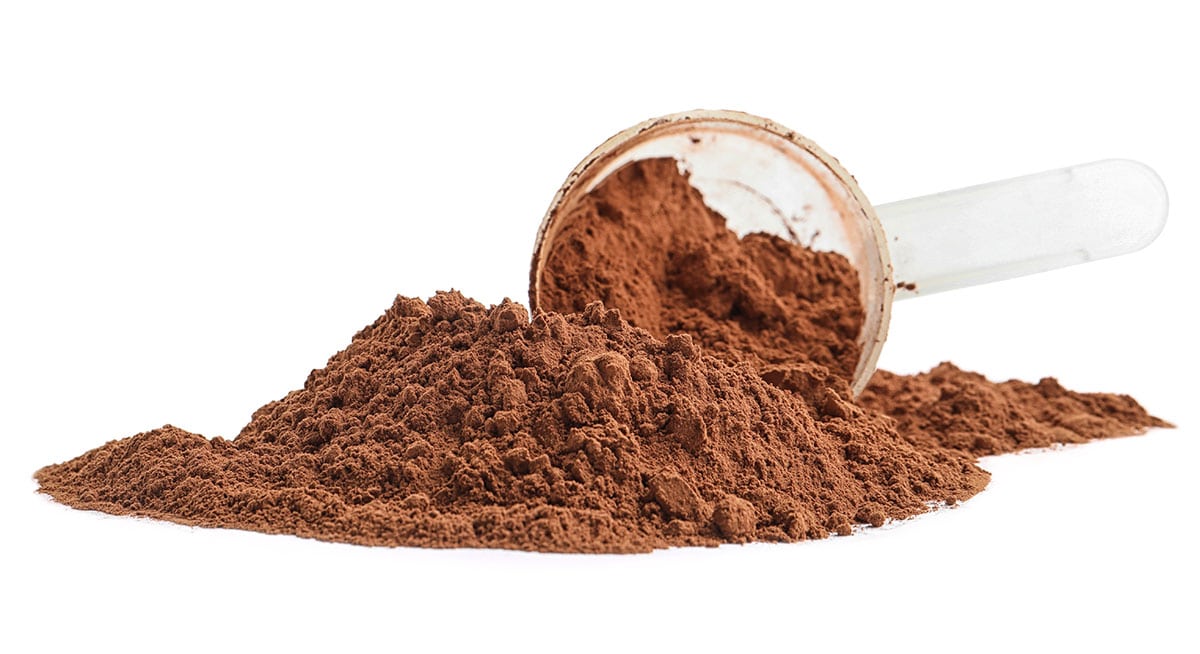
Chocolate protein powder is made from whey, casein, soy, or plant-based proteins, and its chocolate flavor is the result of added cocoa. It may or may not have added sugar. Check the label. It lacks cocoa powder’s intense chocolate flavor and bitterness, and is almost always sweeter. Before using it, check the taste. You can substitute it 1:1 with cocoa, but may need to reduce the sugar in your recipe We really only recommend it as a cocoa powder alternative if you are trying to turn a recipe into a post-workout food. If that is your goal, it is a pretty good substitute particularly in simple things like smoothies, protein bars, and brownies. We don’t recommend trying to make baked goods like cakes with protein powder.
Nutella
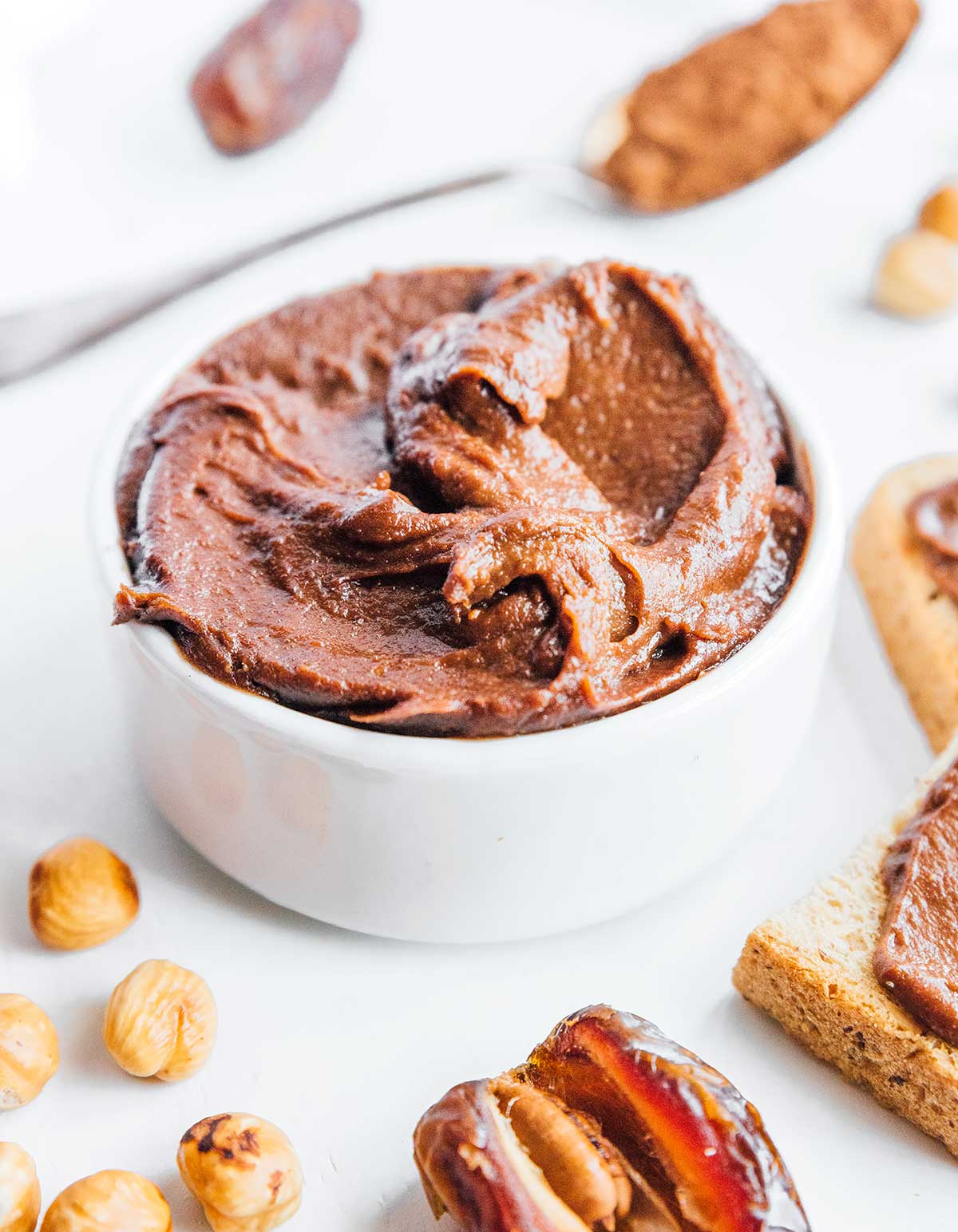
Nutella is a sweet spread popular in Europe, but is available in most grocery stores in the USA. You can also just make your own homemade nutella. This creamy hazelnut paste is made from hazelnuts, cocoa solids, sugar, and palm oil. Nutella is sweeter and creamier than cocoa powder, and has a nuttier taste. Using Nutella in place of cocoa powder will result in a hazelnut taste, so only make this substitution if you are okay giving up the traditional chocolate taste in your recipe. For every 3 tablespoons of cocoa powder required, you can generally replace it with 2 tablespoons of Nutella. Keep in mind that Nutella contains additional fats and sugars, so you may need to reduce the quantities of other ingredients like sugar or butter. Your best uses for Nutella as a substitute are in smoothies, milkshakes, frostings, chocolate spreads, pastry fillings, hot chocolate, and desserts that are already hazelnut flavored. That wraps up our look at cocoa powder substitutes. We hope you found a good alternative to cocoa powder you like, and as always happy cooking!