Origin of Yogurt
Humans have eaten yogurt for at least 7,000 years. Traces of it have been found in Neolithic pottery jars discovered in modern-day Iran. The bacteria responsible for fermentation are naturally present in the environment, so some combination of natural occurrence and experimentation by early people likely produced the first yogurt-like foods. They likely found that fermentation helped to preserve milk, which in an era long before refrigeration, went bad very quickly.
How is Yogurt Made Today?
Making yogurt starts with milk. While cow’s milk is most commonly used, goat or sheep milk can also be used. The milk is pasteurized to eliminate harmful bacteria and ensure the safety of the final product. Pasteurization involves heating the milk to a specific temperature for a set period and then rapidly cooling it. The basic process looks a little like this:
a more in-depth look
After pasteurization the milk is cooled to between 110 to 115 degrees Fahrenheit which is the temperature that supports optimum fermentation. Yogurt cultures, usually lactobacillus bulgaricus and streptococcus thermophilus (there will be no quiz, we promise), are added to the milk. The inoculated milk is allowed to ferment for 4 to 12 hours, and during this time, the bacteria multiply and convert lactose (milk sugar) into lactic acid, which thickens the milk and gives yogurt its texture and taste. After fermentation the yogurt is cooled. This stops the bacteria from doing its thing, and allows the manufacturers to do theirs. Which is to say they often add stabilizers or thickeners which can give the yogurt the consistency and texture they are after. They also then add flavorings, sweeteners, fruit, honey, vanilla, or pretty much you name it.
Greek Yogurt
How it’s Made: Greek yogurt is made by straining regular yogurt to remove excess whey, resulting in a thicker and creamier texture. This process also concentrates the protein content. If you are a big fan of Greek yogurt as we are, try making your own homemade Greek yogurt. It is really quite simple and with a bit of experimentation, you may just find your own perfectly tailored flavor. Flavor and Texture: It has a tangy taste, which can vary in intensity depending on the brand and production method. Greek yogurt is notably thick and creamy, almost velvety, due to the straining process. Best Uses: Many people prefer the taste of Greek yogurt and eat it from the carton perhaps topped with fruit or granola. It also goes well with both sweet and savory recipes, dips, salad dressings, desserts like frozen Greek yogurt breakfast bark, or summer treats like these simple fruit yogurt popsicles. If you like Greek yogurt but want to experiment a bit try one of the many substitutes for Greek yogurt. Greek yogurt is available in full-fat, low-fat, and nonfat varieties. 6 ounces of a full-fat Greek yogurt typically contains the following. Note this was taken from Chobani’s popular full-fat plain Greek Yogurt sold nationwide.
Australian Yogurt (Aussie Yogurt)
How it’s Made: Australian yogurt is similar to Greek yogurt except that it is unstrained. It shares Greek yogurt’s thickness because it is cooked more slowly at a lower temperature allowing a longer time for its cultures to do their magic, resulting in a thicker consistency. Flavor and Texture: Australian yogurt has a pleasantly mild flavor that is less tangy than Greek yogurt. While generally creamy, its texture can range from moderately thick to quite thick. Best Uses: It is often used in desserts, smoothies, as a base for sauces or dressings, or just eaten in a bowl for breakfast. A 6-ounce serving of a popular brand of Australian Yogurt sold in the USA contains:
French Yogurt
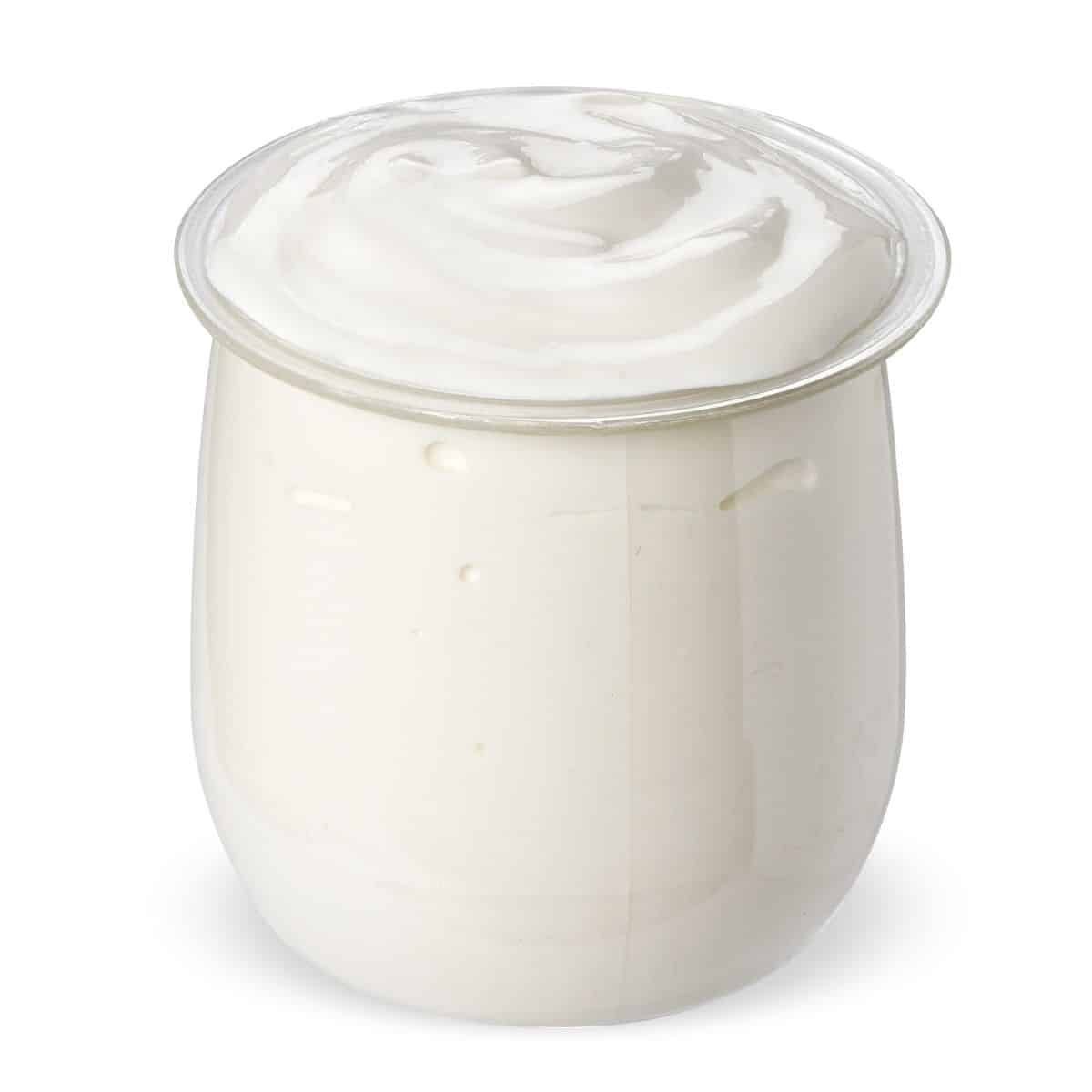
How it’s Made: French yogurt is an unstrained yogurt made from whole milk, often with extra cream added. This results in wonderfully rich creamy yogurt. What is unusual about French yogurt is that it is fermented in the jar it is sold in. Most yogurt is made in large batches and only when completely done fermenting and being flavored is it packaged. Flavor and Texture: French yogurt is creamy and mildly sweet which is to say it isn’t as sweet as traditional yogurt. It normally has a more liquid consistency compared to Greek or Australian yogurts. Best Uses: French yogurt is often eaten from its container as a standalone snack or dessert, and is often made with fruit or honey added. For cooking purposes, It can be used in both sweet and savory recipes.
Skyr Yogurt
How it is Made: Skyr is a traditional Icelandic dairy product that is similar to yogurt, but is actually a form of fresh cheese. The distinction being that cheese forms curds. But much like the unimportant distinction that tomatoes are fruits, it doesn’t really matter what Skyr is classified as. We eat it like yogurt, and in the USA it is marketed as Icelandic yogurt. Skyr is made from skimmed milk, but still has a thick creamy texture. To make skyr, the milk is heated, live cultures are added (similar to yogurt cultures), and the mixture is allowed to ferment. After fermentation, the whey is strained four times, resulting in a dense and protein-rich product. Flavor and Texture: Skyr is mildly sweet and slightly tangy . It is not as sweet as most traditional yogurt, and as we said, has a thick creamy texture, similar to Greek yogurt but even denser. Best Uses: You can use skyr in lieu of yogurt in recipes, and it will work with either sweet or savory cooking and baking. It is a good base for sweet toppings or mixed into smoothies. Due to its high protein content, it is often favored by those looking for a protein-rich snack or perhaps a high protein smoothie. A 6 ounce serving of Sykr is remarkably low in calories yet high in protein.
Lactose-Free Yogurt
How it’s made: Lactose-free yogurt is made using milk that has had the lactose enzyme broken down into simpler sugars, usually glucose and galactose. This is achieved through the addition of lactase, an enzyme that breaks down lactose. The yogurt-making process then proceeds as with regular yogurt. Flavor and Texture: Lactose-free yogurt typically has a taste similar to regular yogurt but without the characteristic sweetness associated with lactose. The texture is similar to traditional yogurt, ranging from smooth to creamy depending on the specific product. Best Uses: It can be used in the same ways as regular yogurt, such as in smoothies, as a topping for granola or fruit, or as a base for sauces and dressings. Lactose-free doesn’t mean no sugar. It simply does not contain the sugar Lactose. The nutrition information below came from a 6 ounce serving of FAGE brand lactose-free yogurt.
Low-Fat Yogurt
How it’s Made: Low-fat yogurt is simply made with skim or low-fat milk. The fermentation process remains the same. The goal, and the trick, is to reduce the fat content while retaining the creamy texture and tangy flavor of full-fat yogurt. Flavor and Texture: Low-fat yogurt generally has the same tangy flavor as full-fat yogurt, but is often a bit milder due to the lower fat content. The texture can vary, but it tends to be less creamy and dense than full-fat yogurt. It is hard to break the laws of physics. Best Uses: Low-fat yogurt is a good option for those looking to reduce their fat or caloric intake while still getting the protein, calcium, and other healthful nutrients in yogurt. It can be used in the same ways as regular yogurt, such as eaten with granola or fruit, in recipes, or as a base for dressings and dips. However, it may not work well in dressings or dips that rely on a higher fat content for their creaminess. Be sure to check the nutrition labels before buying. Some low-fat yogurts are high in added sugar. The information below is taken from the nutrition label of a 6 ounce Yoplait original low-fat yogurt. There are other brands with considerably more sugar than Yoplait’s offering.
Zero Sugar Yogurt
How It’s Made: Zero sugar yogurt is typically made by fermenting milk with live cultures, just like regular yogurt. The main difference lies in the absence of added sugars during the production process. These have become quite popular as people work to reduce the amount of sugar in their diet or for those on low carb diets. Just be sure to check nutrition labels as zero sugar does not necessarily mean low calorie. Flavor and Texture: As the name suggests, zero sugar yogurt has a more natural, tangy flavor without the sweetness associated with sugar. The flavor is closer to the inherent taste of milk and the fermentation process. If, however, the sugar has simply been replaced by artificial sweeteners, the product could be very sweet. The texture of zero sugar yogurts tends to be creamy and smooth, similar to traditional yogurt. Best Uses: Use it like you would any other yogurt. It is an excellent base for adding fresh fruits, nuts, or seeds for a healthy and sugar-free snack. It can also be used in cooking and baking where a neutral yogurt flavor is desired. Zero sugar yogurts are a good option for people with diabetes, on a low carb diet, or who just want to cut sugar from their diet. The information below is taken from the nutrition label on the popular 6 ounce Chobani Zero Sugar Yogurt. Other brands are similar.
Almond Yogurt
How it’s Made: Almond yogurt is made by blending ground almonds with water to create “almond milk”. This milk is then fermented to produce yogurt. Flavor and Texture: Almond yogurt has a nutty flavor which one could guess since it is made from almonds. It can have a slightly sweet taste depending on whether any sweeteners or flavorings are added. The texture is generally smooth and creamy, but often a bit denser than traditional dairy yogurt. Best Uses: Almond yogurt is an excellent option for those who are lactose intolerant or following a plant-based diet. It can be used as a dairy-free alternative in some recipes and smoothies or eaten on its own with granola or fruit. Almond yogurt tends to be high in calories due to the fat content as seen in this information drawn from the label on Silk’s 6 ounce almond yogurt container.
Soy Yogurt
How It’s Made: Soy yogurt is made from soy milk fermented with live cultures. The process is similar to traditional yogurt production. Flavor and Texture: Soy yogurt has a mild, slightly nutty flavor with a hint of sweetness which can vary depending on whether any flavorings or sweeteners are added. The texture is creamy and smooth, resembling traditional yogurt better than some of the other non-dairy yogurt alternatives. Best Uses: Soy yogurt is a popular choice for those following a vegan or dairy-free diet. It can be used in both sweet and savory dishes, including smoothies, desserts, and as a base for dips and sauces. The nutrition information below was taken from the label on Silk’s 6 ounce plain soy yogurt. Note that their flavored varieties use a dramatically increased amount of sugar. The vanilla soy yogurt has 18g of sugar per serving. As with all yogurts, you really need to read the label especially if you are buying flavored yogurts.
Cashew Yogurt
How it’s Made: Cashew yogurt is made similarly to how almond yogurt is. The cashews are soaked and ground then blended with water to form the “cashew milk” we can buy at the grocery. This milk is then fermented, in a similar manner to other yogurts, to make a creamy yogurt. Flavor and Texture: Cashew yogurt has a creamy texture with a slightly nutty taste. The tanginess from the fermentation process produces a flavor similar to traditional dairy yogurt. It is a reasonable alternative to dairy-based yogurts though the thickness can vary depending on the brand or homemade recipe. Best Uses: This is a great vegan option for breakfast with granola or fruit, mixed into smoothies, or used in lieu of traditional yogurt in recipes like dips, dressings, or desserts. The nutrition information below was taken from the label of Forager’s 6 ounce cashew yogurt:
Kefir
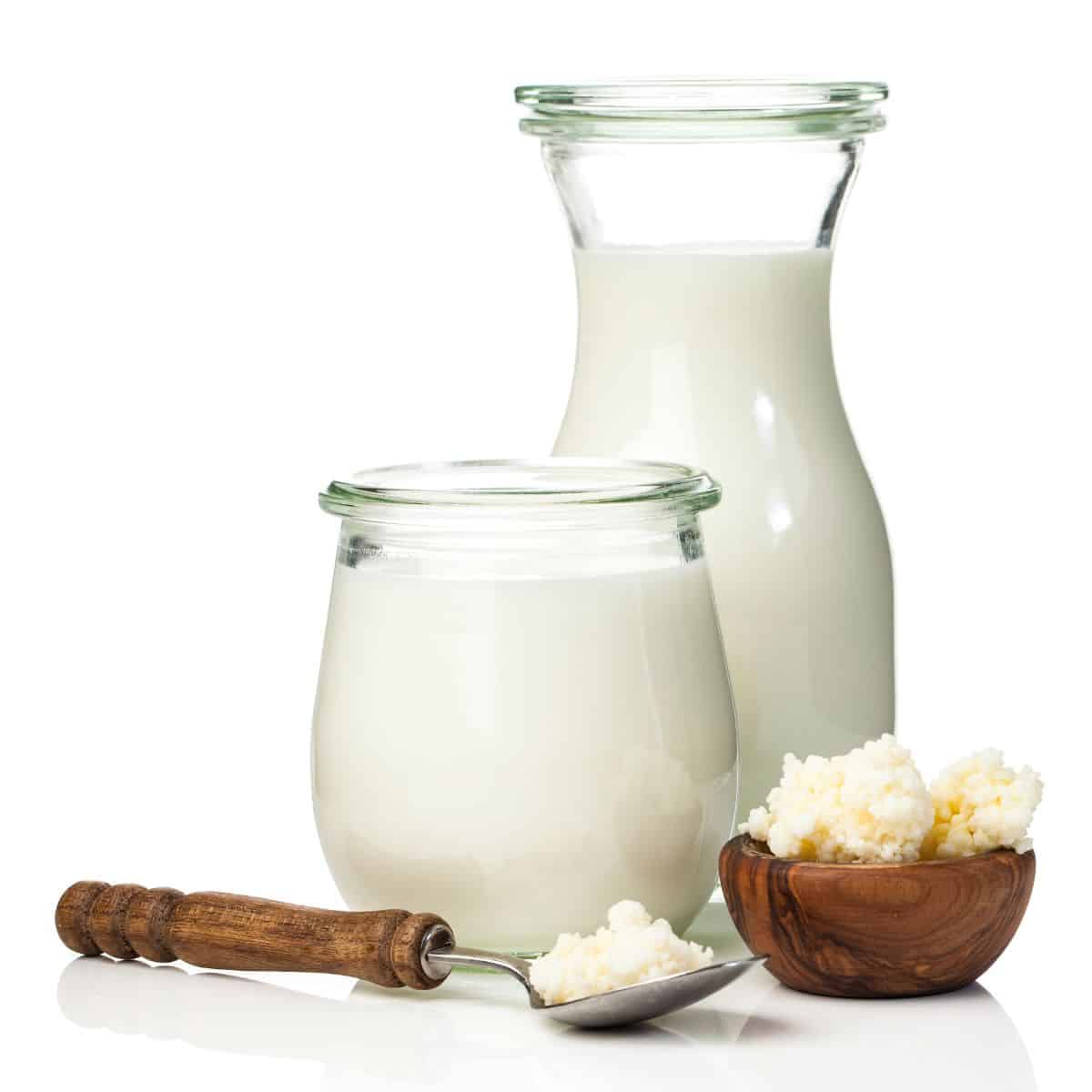
How it is Made: Kefir is a fermented milk drink that originated in Central Asia likely thousands of years ago. We suspect it was found quite by accident by nomadic people as their milk fermented and became frothy. It is made by adding a combination of bacteria and yeast to milk. This is then fermented, usually for a longer time than most yogurt. The long fermentation process yields the tangy drink we know as kefir. Kefir can be made from different types of milk, including cow, goat, or sheep milk, and was likely originally made from goat’s milk. Flavor and Texture: Kefir has a slightly sour yet tangy flavor. The taste can vary depending on the type of milk used and how long it ferments. The consistency is much thinner than normal yogurt, and it is really probably best described as a drinkable yogurt-like beverage with a slightly bubbly texture. Best Uses: Kefir is usually just drunk as a beverage, either plain or flavored. It can also be used as a base for smoothies, poured over cereal, or used in salad dressings. A 6 ounce serving of full-fat kefir contains:
Drinkable Yogurt
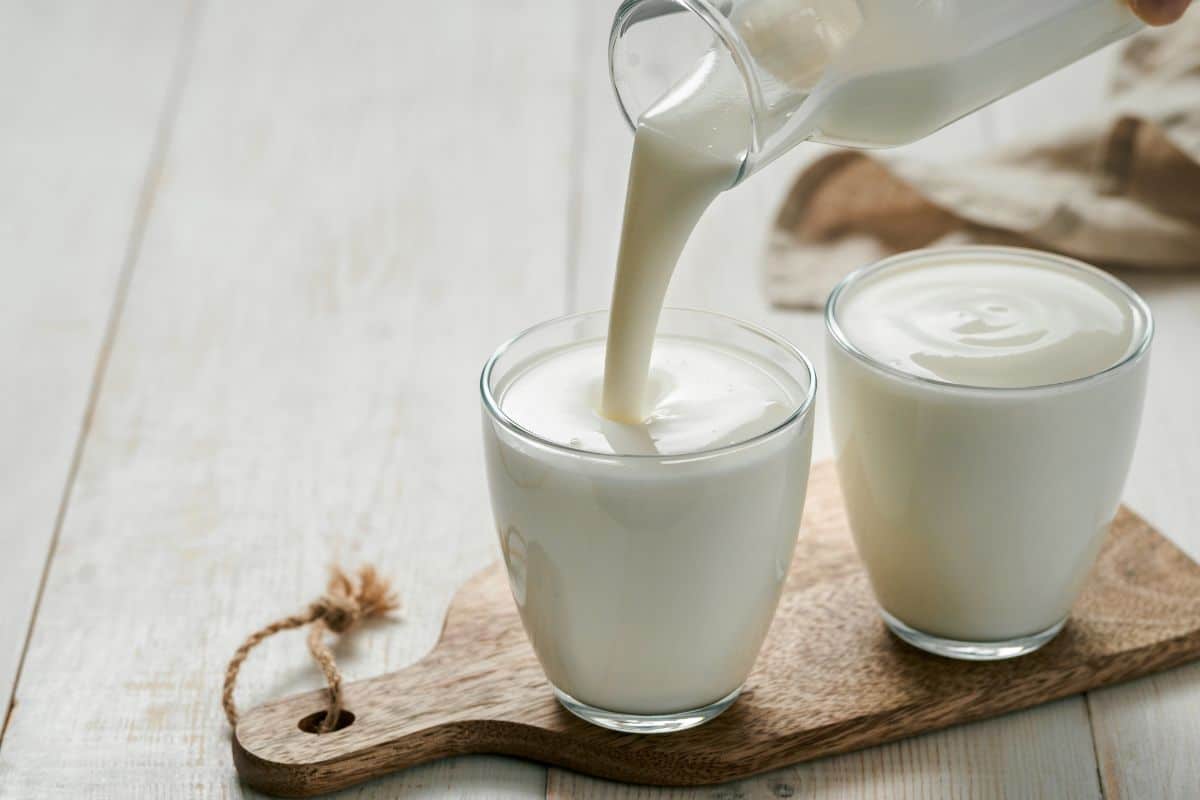
How it’s Made: Drinkable yogurt, also known as yogurt smoothie or yogurt drink, is made by blending yogurt with milk or fruit juices. It undergoes the standard yogurt fermentation process, and may be flavored or sweetened to enhance its taste. Flavor and Texture: You can find drinkable yogurt in a wide variety of flavors, often marketed toward kids. Without flavoring the taste is tangy, but this is often masked somewhat by commercial flavoring. The texture is, well not surprisingly, liquid, making it easy to drink. It can range from thin and smooth to thicker and more substantial, depending on the specific product. Best Uses: Drinkable yogurt is a convenient on-the-go option as a snack or meal replacement, or just as a beverage. It can also be used as a base for smoothies or poured over cereal for a unique twist. Some of the high protein brands could be used as a post workout protein boost. Be careful to read the nutrition label, however, as many of these are marketed to kids and are loaded with sugar to make them sweet. The information below is taken from a 6 ounce Dannon low-fat drinkable yogurt “smoothie with creamy yogurt”
Frozen yogurt
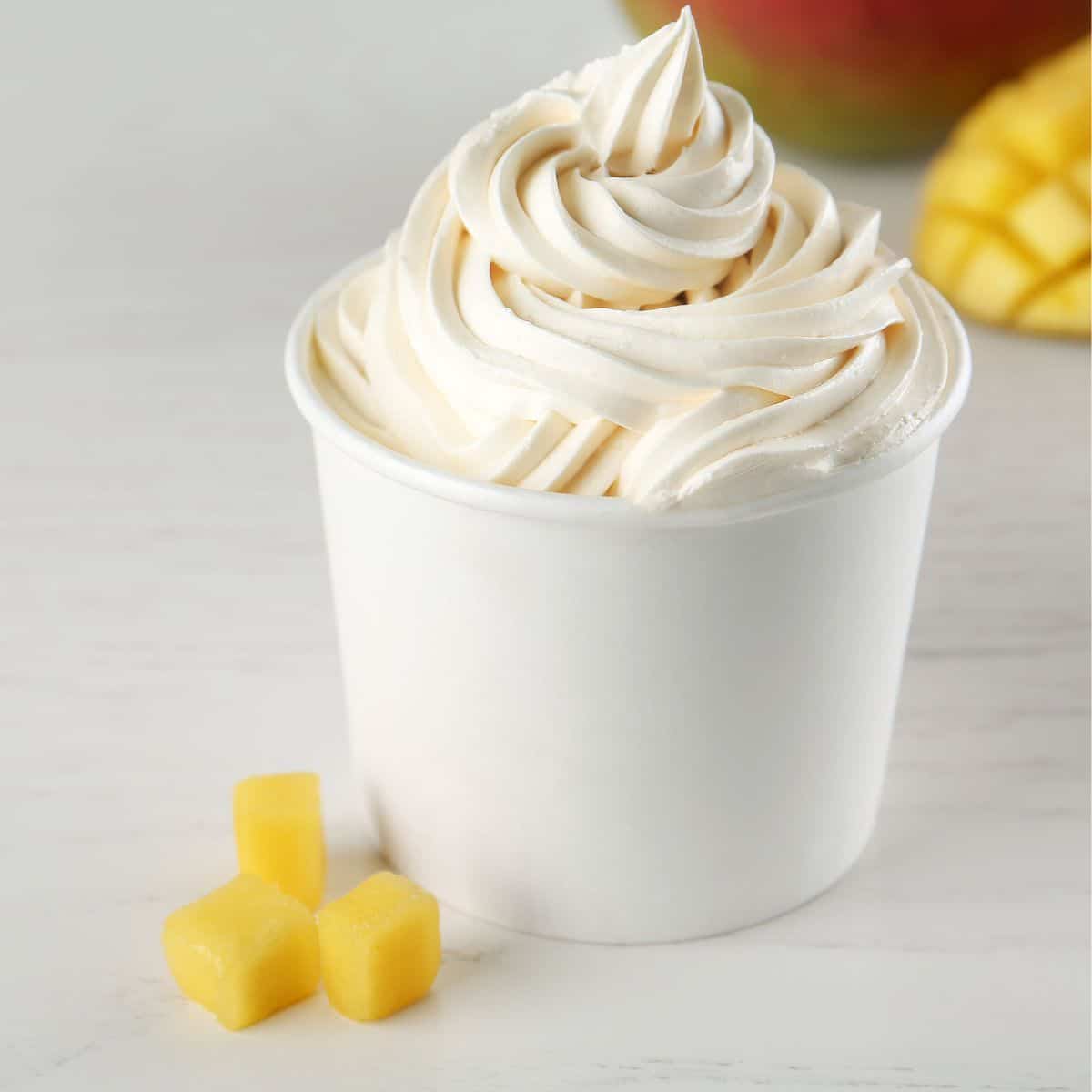
How It’s Made: Frozen yogurt is typically made from yogurt cultures, similar to regular yogurt. The base ingredients include yogurt, sugar, and sometimes milk or cream. The mixture is then frozen using a specialized machine that churns and freezes it simultaneously. Flavor and Texture: Frozen yogurt comes in a variety of flavors, ranging from traditional options like vanilla and chocolate to more exotic fruit flavors. The texture of frozen yogurt is often smooth and creamy, similar to soft-serve ice cream as the freezing process creates a light and airy consistency, making it a refreshing treat. Some varieties, however, are equally as firm as ice cream. Best Uses: It is often served in cups or cones, similar to ice cream, and is generally eaten as an ice cream substitute vs yogurt substitute. You don’t, however, have to buy it. Freeze your favorite yogurt into frozen yogurt strawberries or perhaps frozen blueberry bites. Frozen yogurt is often marketed as a healthier alternative to ice cream as it typically contains less fat and saturated fat. Some variations may also include probiotics, which are beneficial for gut health due to the yogurt cultures used in the base. There is a WIDE variation in nutrition content in frozen yogurts. We almost didn’t want to even include a nutrition label. This information came from the 6 ounce Kroger brand low-fat frozen yogurt. They clearly contain less fat and calories than most ice cream varieties, but the sugar content can be quite high. We repeat our broken record montre to read the labels. This wraps up our look at different types of yogurt. We hope you found this article helpful, and as always happy cooking!