How much protein do you need?
The Mayo Clinic recommends 10-35% of calories come from protein. That is obviously a wide range, but protein requirements depend greatly on your level of activity and need to rebuild muscle tissue after exercise or strenuous physical labor. This range gives you a minimum and maximum protein intake to aim for. You can use your typical daily caloric intake to figure a range for your daily protein intake.
1500 calories = 38-131 grams of protein per day 2000 calories = 50-175 grams of protein per day 2500 calories = 63-219 grams of protein per day
Are all grams of protein the same?
The short answer to this is no. Not all grams of protein are equal nutritionally because their amino acid makeup varies. There are 20 amino acids common to all life forms. Nine of the amino acids cannot be synthesized and are called the Essential Amino Acids. We must get them from dietary sources. These are: phenylalanine, valine, threonine, tryptophan, methionine, leucine, isoleucine, lysine, and histidine. We won’t have a quiz on these because what is really important to know is just that different food sources contain varying amounts of these 9 essential amino acids. When a protein source contains all 9-it is called “complete”.
What are complete proteins?
Animal proteins are always complete proteins. These include meat, fish, poultry, eggs, and dairy. Some plant-based sources are complete to include spinach, quinoa, and cauliflower. Most plant-based proteins are incomplete to varying degrees. Variety in a vegetarian or vegan diet is critical to supplying all 9 essential amino acids because an amino acid lacking in one veggie might be in abundance in another.
Veggies High In Protein
Let’s start looking at which vegetables are high in protein and will help get us to the ideal daily protein intake range. We will use a “serving size” of 100g (about 3 ½ ounces) for each, even if that doesn’t really make sense for how you might eat each vegetable. This allows you to compare protein content easily between veggies. We also list the number of calories in 100g because sometimes the ratio of protein to total calories is actually more useful.
Broccoli Brussels Sprout Cauliflower Collards Edamame Kale Lima Bean Mushroom Peas Pinto Bean Quinoa Soybean Spinach Zucchini
Broccoli
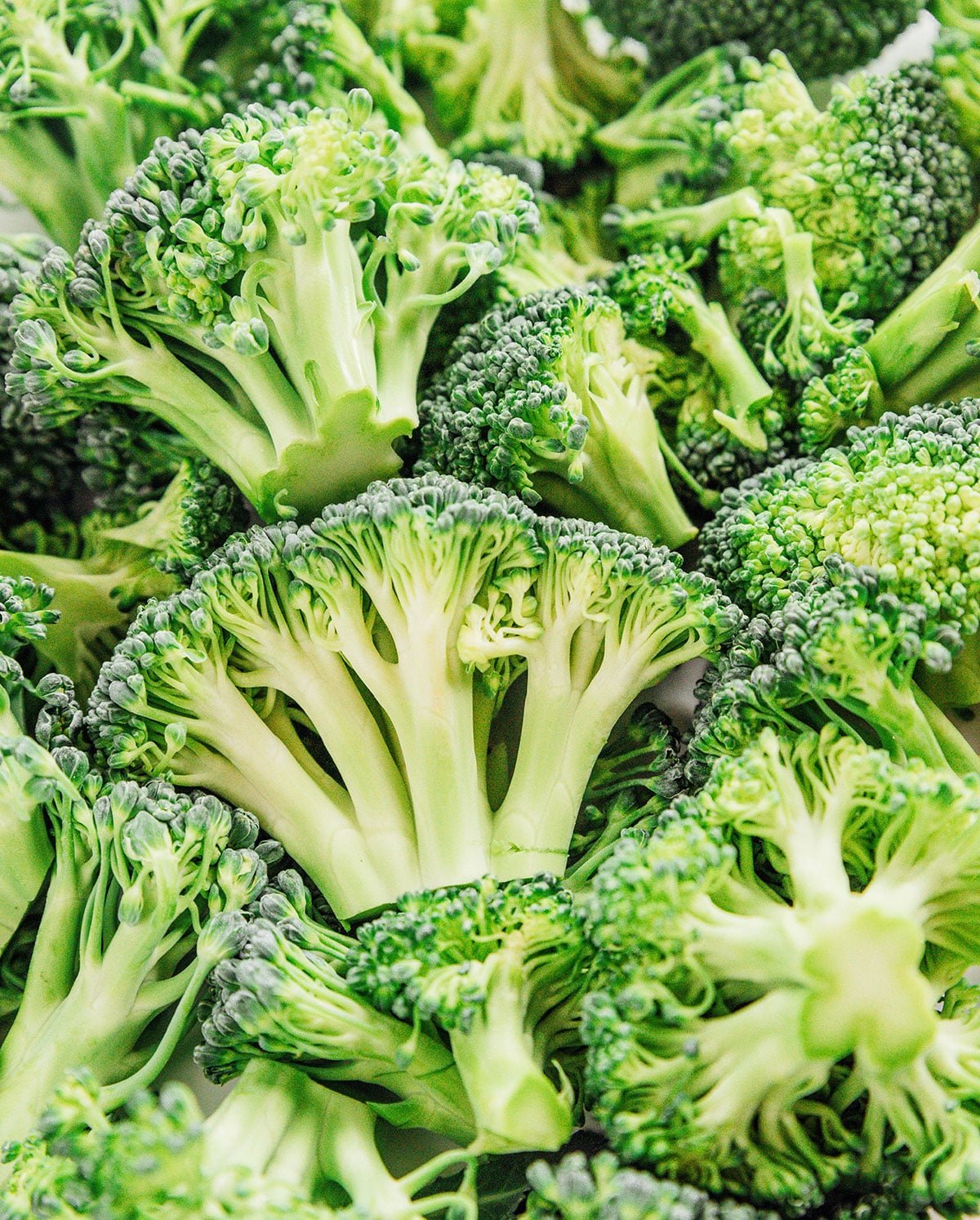
100g of raw broccoli (34 calories) contains 2.8g of protein. The ubiquitous vegetable that people everywhere love to hate. But with some careful coaxing, broccoli can be the star of your dinner table! And any of these broccoli recipes will add protein to your diet.
Brussels Sprout
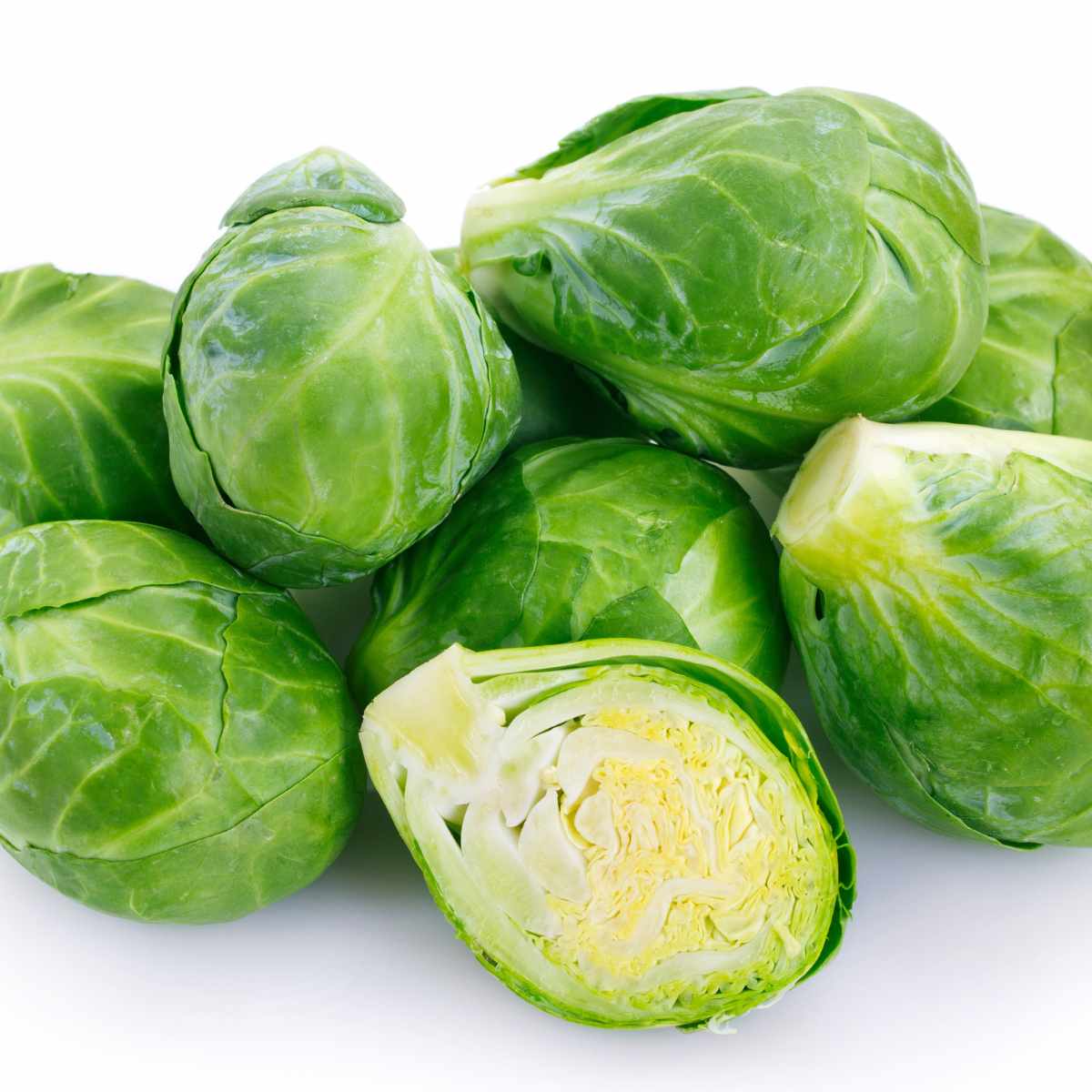
100g of raw Brussels Sprouts (43 calories) contains 3.4g of protein. If that isn’t enough to warrant roasting some up, they are also high in fiber and one of the richest sources of Iron. As with many fruits and vegetables, the smaller brussels sprouts will be sweeter and more delicious, and if you want to try our favorite recipe check out Roasted Brussels Sprout Salad with Apple ider Vinaigrette Like using your air fryer? Try Easy Air Fryer Brussels Sprouts (with Flavoring Options).
Cauliflower
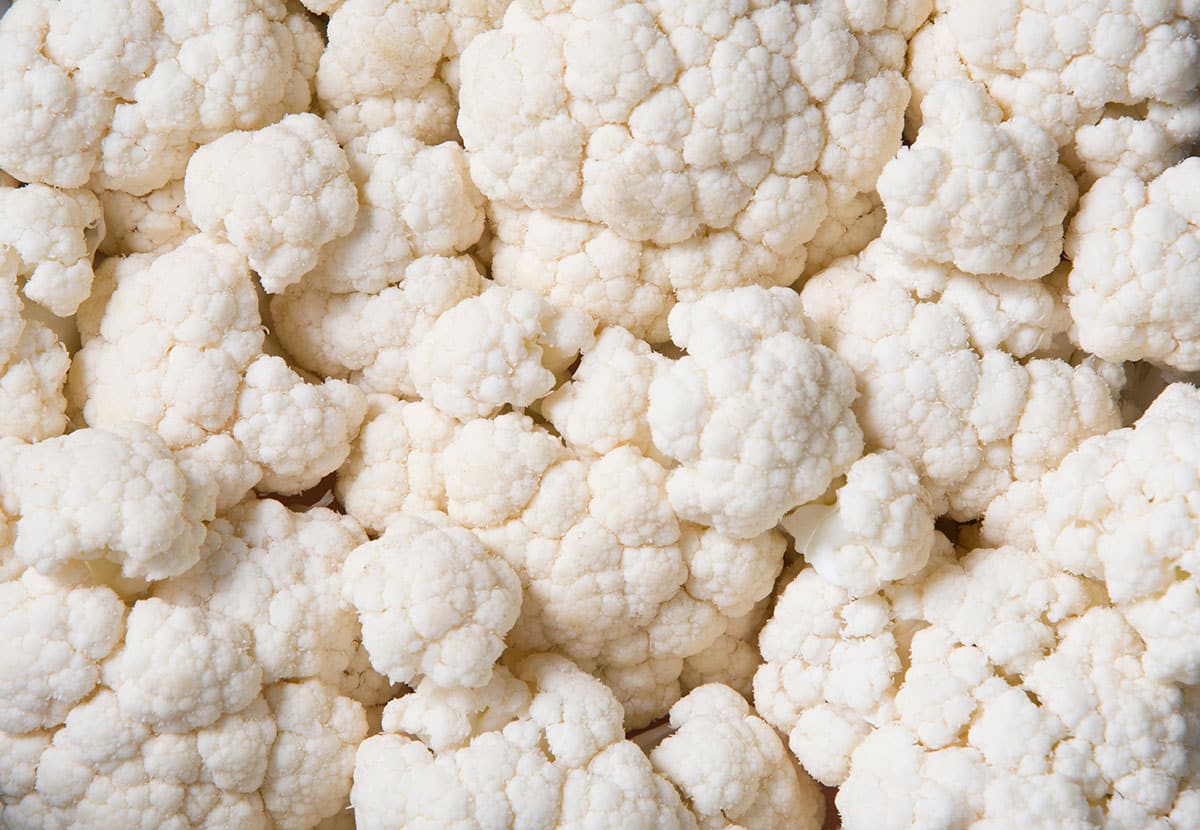
100g of raw cauliflower (25 calories) contains 2.0g of protein, and it is considered a complete protein source. This is another little recognized great source of protein. Its protein to calorie ratio is fantastic and cauliflower is nutritious in so many other ways. Looking for something new to do with “boring” cauliflower? Perhaps just give a go to any of these 17 Creative Cauliflower Recipes You’ll LOVE.
Collards
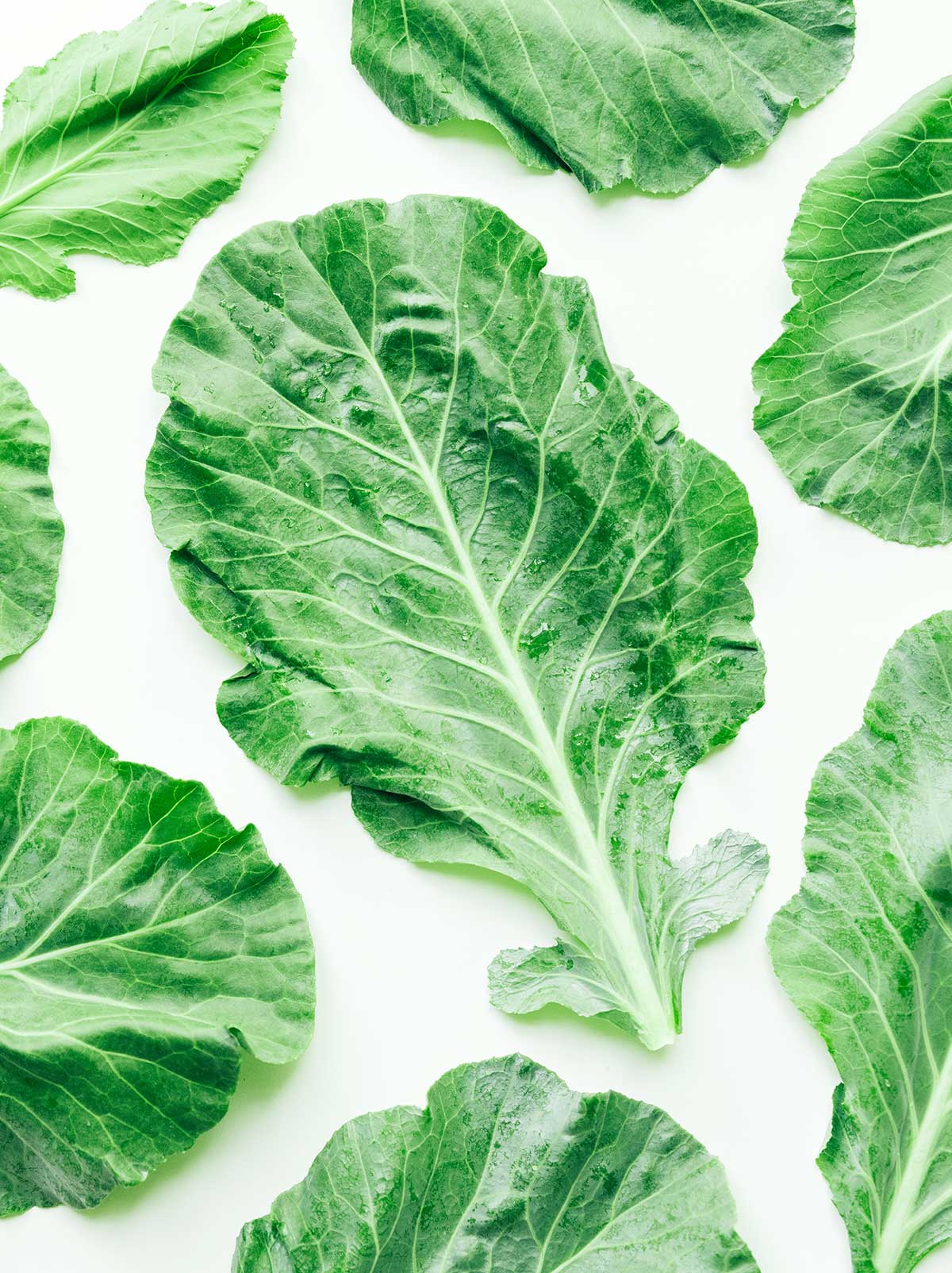
100g of raw collards (30 calories) contains 2.5g of protein. You can pretty much lump any of the leafy greens like Mustard greens, Dandelion greens, etc into this category as they all have similar protein contents. With about 8g of quality protein in each 100 calories of collards it makes a great high protein smoothie.
Edamame
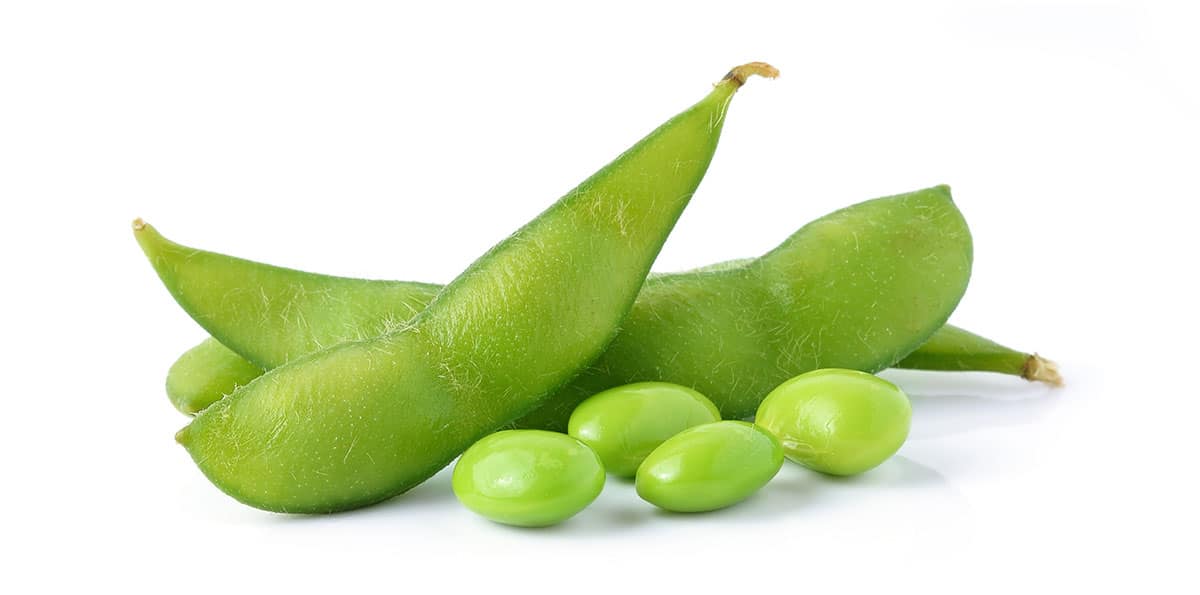
100g of raw edamame (110 calories) contains 10.3g of protein. Now that is impressive, but it gets better for this ancient veggie. USDA data shows that the same 100g contains 4g of fiber, 30% of the RDA for Iron, and 8% for Calcium.
Kale
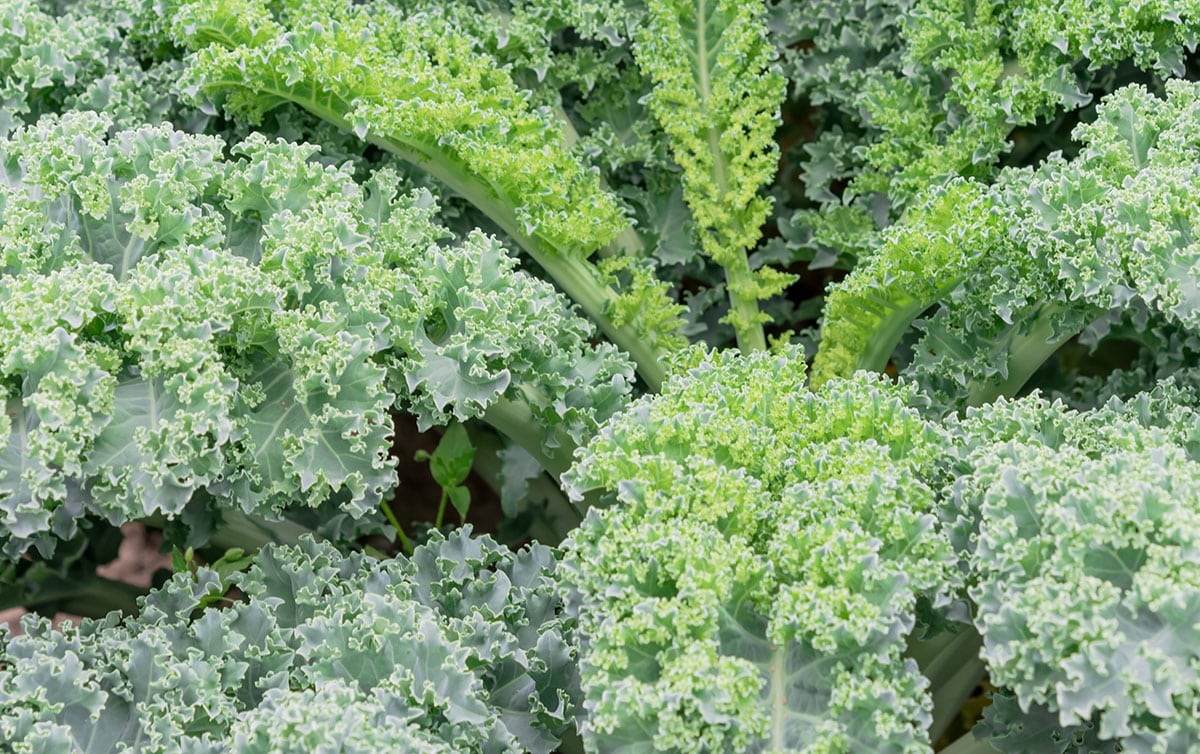
100g of raw kale (50 calories) contains 3.3g of protein. Kale is right up there with spinach nutritionally. It’s true. We read it on the internet, but you can check it out for yourself in our guide to kale. Here are 10 Kale Recipes (That ACTUALLY Taste Good!). Our personal favorite is to use kale in a high protein smoothie!
Lima Bean
100g of boiled lima beans (123 calories) contains 6.8g of protein. Okay, we know you probably don’t like them, but we had to give them a shout for their commendable protein content.
Mushroom
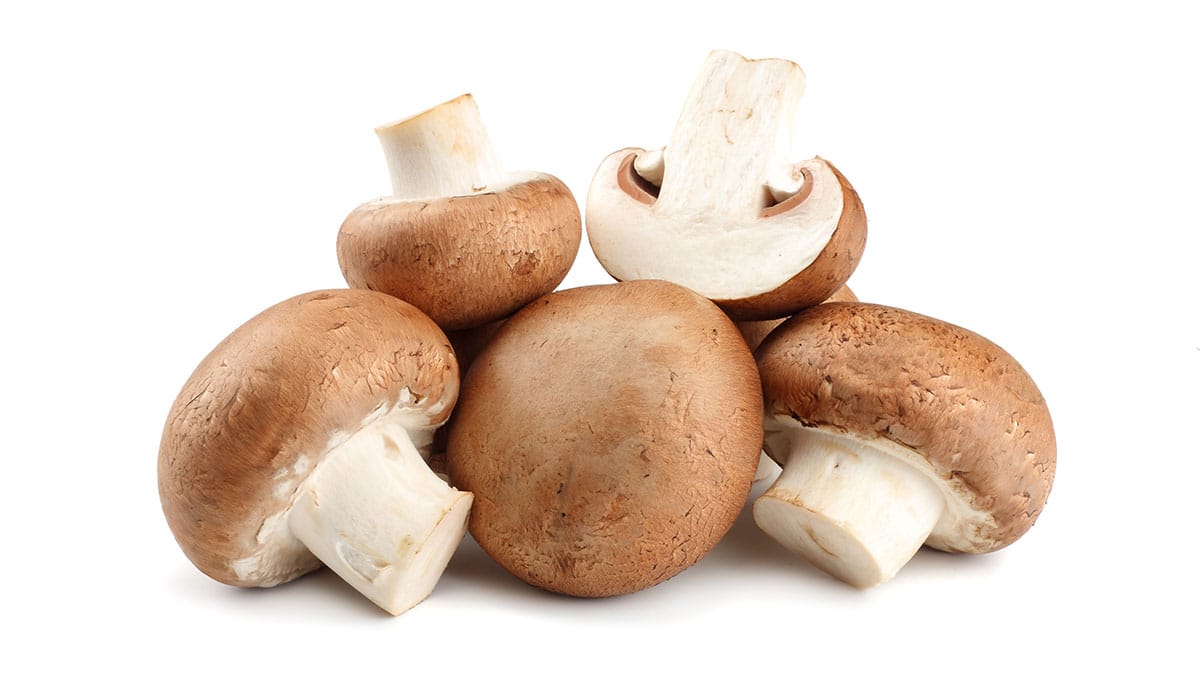
100g of raw white mushrooms (22 calories) contains 3.1g of protein. On a per calorie basis mushrooms are very high in protein! They are, however, rather “incomplete” as they do not provide all the essential amino acids. This just highlights why it is important to eat a variety of vegetables particularly if you are on a vegetarian or vegan diet, and may get little protein otherwise. Mushrooms also have a pretty impressive mineral content, and let’s face it they go well in soooo many recipes. 17 Unique and Healthy Mushroom Recipes.
Peas
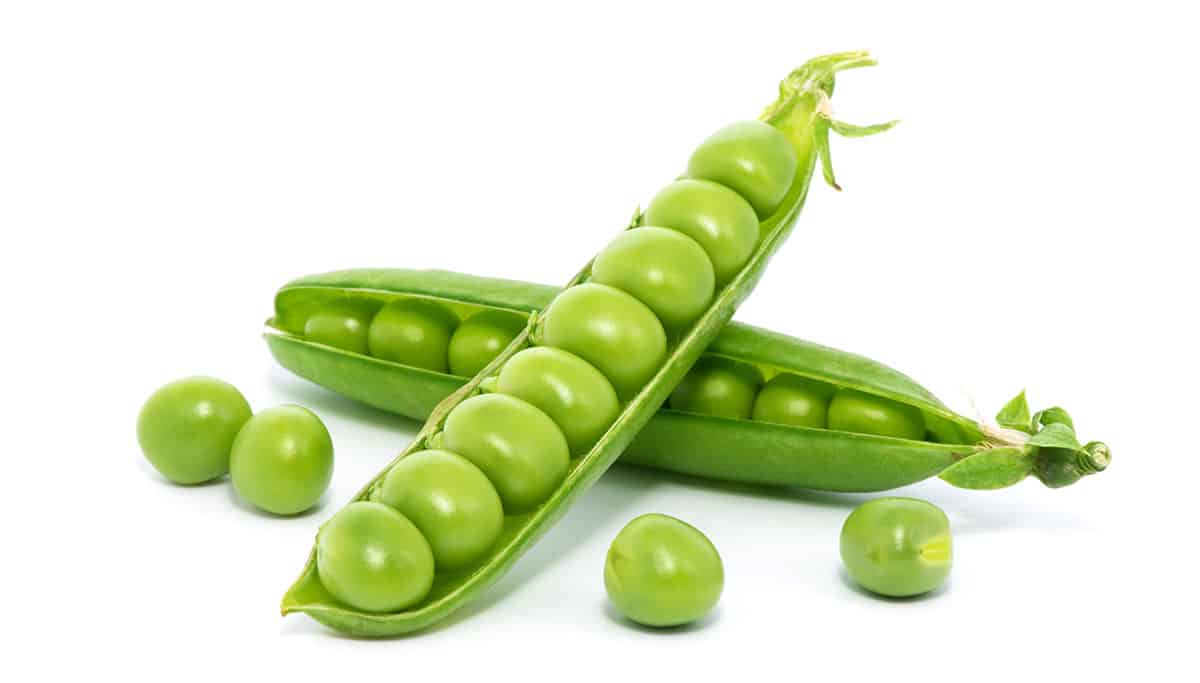
100g of raw green peas (81 calories) contains 5.4g of protein. If you needed another reason to make stir fry, the protein provided by peas and pea pods could be it. My favorite has to be Buddha Bowls.
Pinto Bean
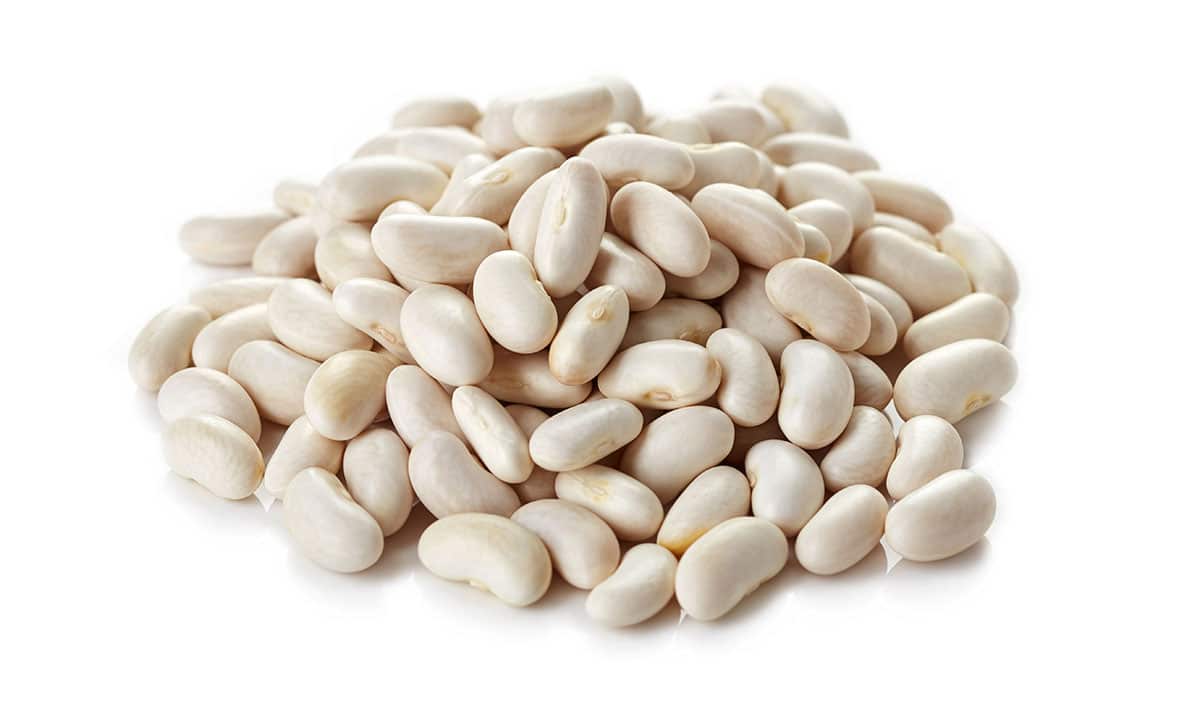
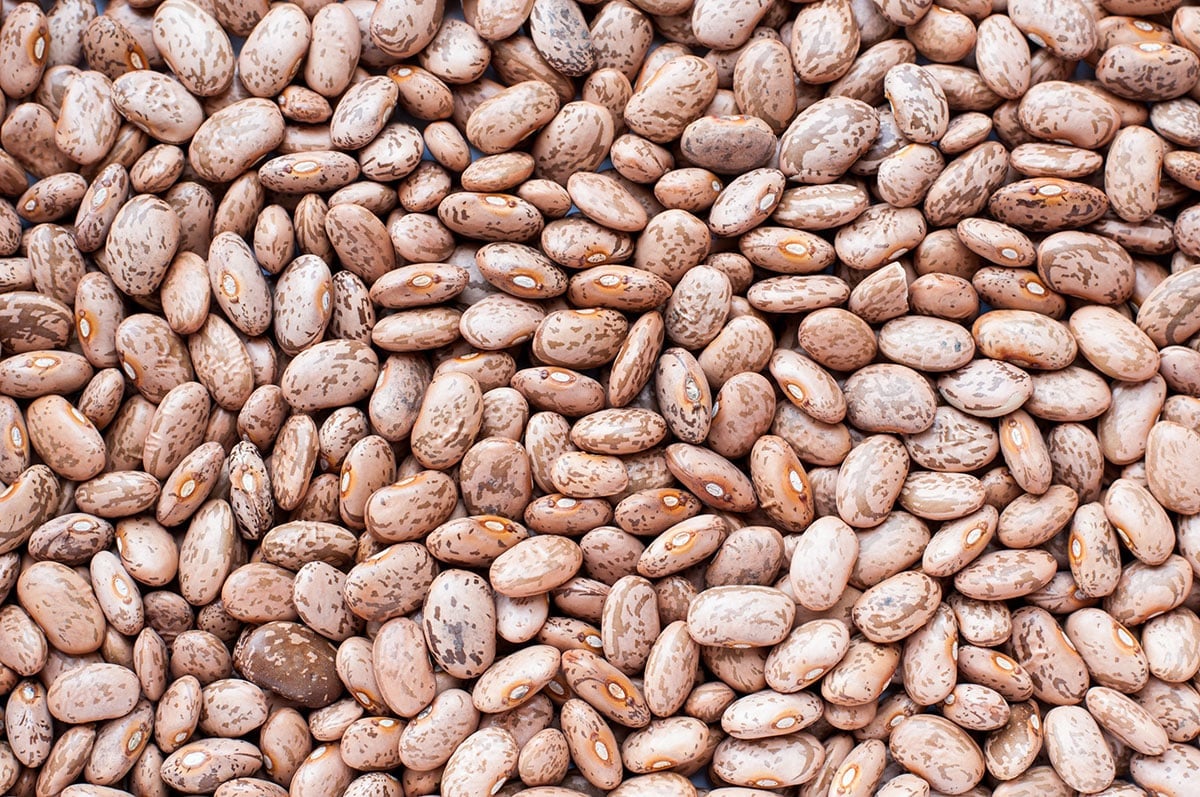
100g of boiled pinto beans (120 calories) contains 9.2g of protein. We could separately list kidney, black, navy, garbanzo, and a host of other similar legumes, but they all have similar protein levels. Which is to say, pretty good, so let’s just cut to our 19 Favorite legume recipes.
Quinoa
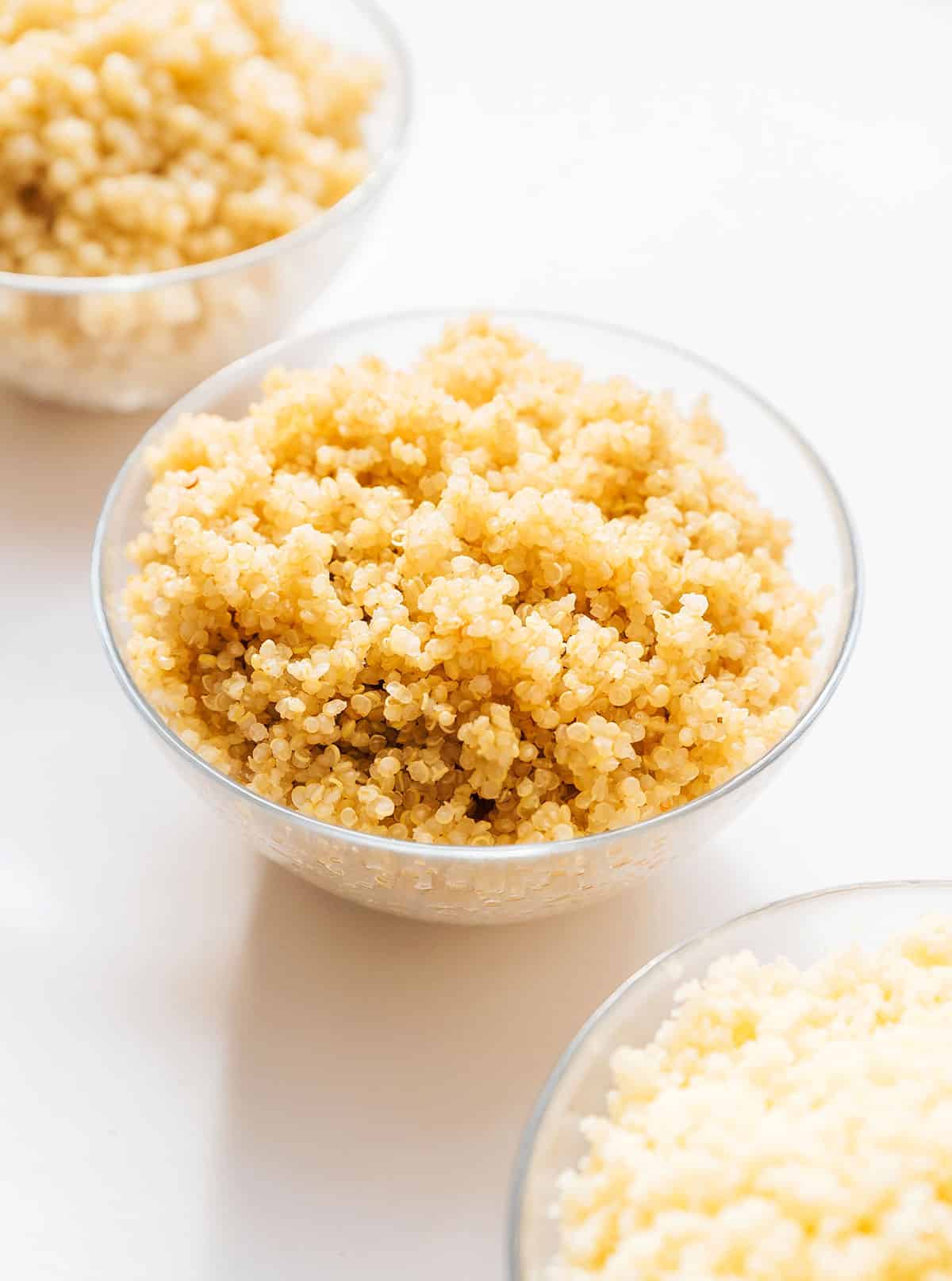
100g of cooked quinoa (120 calories) contains 4.4g of a complete protein. Many people understandably think of quinoa as a grain, but technically it is a seed. The quinoa seed comes from a plant in the same family as spinach and chard. It’s more closely related to beets than it is to wheat! And, there is a lot more you can do with quinoa than you can a bag of wheat 15 Favorite Quinoa Recipes.
Soybean
100g of cooked soybeans (172 calories) contains 16.6g of protein. If that isn’t enough, the fiber, iron and omega-3 content in soy is off the charts.
Spinach
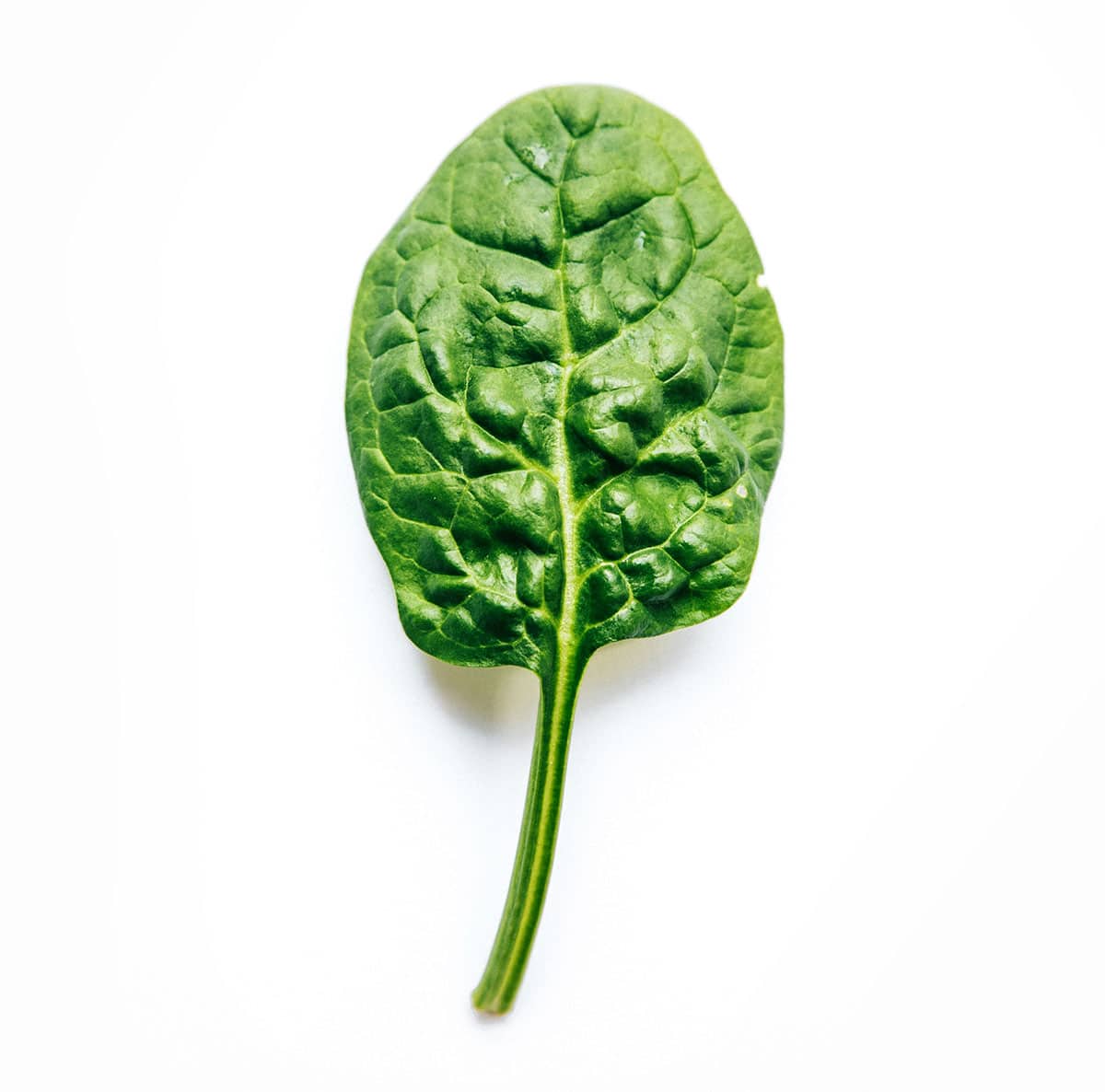
100g of raw spinach (23 calories) contains 2.9g of protein and it is considered a complete protein source. So, if you were inclined to eat 100 calories of spinach, perhaps say in a mega smoothie, it would provide a whopping 12.6 grams of a high-quality complete protein. Spinach is indeed a protein super star. Popeye had it right. Here is one of our favorites and a good one for spinach skeptics: Hidden Spinach Guacamole, and it stays green! Or, if you like a good smoothie, but adding spinach isn’t to your taste try this post workout drink. Healthy Nutella Smoothie.
Zucchini
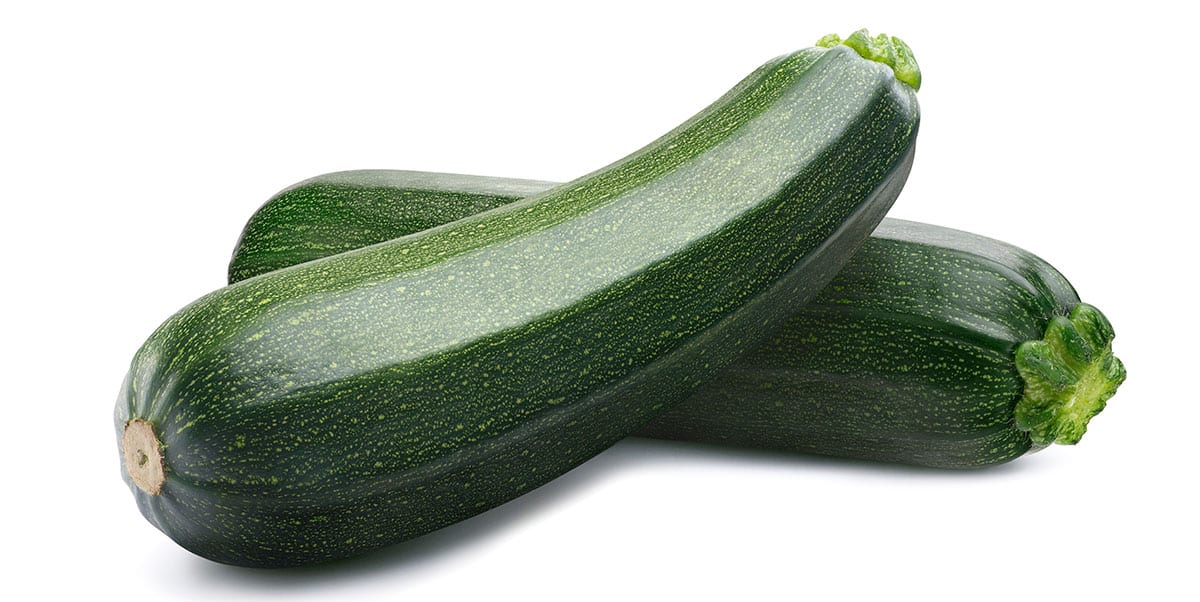
100g of raw zucchini (16 calories) contains 1.2g of protein. Zucchini is an extremely low-calorie veggie but also quite protein dense. 100 calories of zucchini has over 7g of protein. Of course that is over a pound of zucchinis! Still, adding zucchini to your cooking is a great way to sneak in extra protein. We’ve have an entire arsenal of zucchini recipes dedicated just to you, from zucchini noodles to stuffed zucchini to zucchini dessert crisp! That pretty well wraps up our look at protein rich vegetables. We hope you found what you were looking for, and as always happy cooking!