Types Of Pink Vegetables
Banana Squash (Pink Variety)
Origin: The Banana squash, also known as pink squash or scientifically Cucurbita maxima, is believed to have originated in Central and South America. We don’t often list a food’s scientific name, but if the name includes “maxima,” well, you have to give it a nod. It is a type of winter squash that belongs to the gourd family. Description: Banana squash gets its name from its elongated, banana-like shape. The skin can range from pale yellow to pale pink or even deep orange, and its flesh is sweet and smooth-textured. Banana squash are extremely elongated and grow up to 3 feet long. Their skins are not edible, so they are typically cut in half lengthwise and the flesh cut out. This is an odd squash in that It can be grown as a summer squash simply by harvesting it during the summer, but you can also wait (letting it grow larger) and pick it as a winter squash. Best Uses for Banana Squash: You can pretty much use this in place of butternut squash, as their flesh is very similar. It is often roasted, baked, or steamed. Its sweet flavor makes it a great addition to desserts, soups, and casseroles. It can be mashed and used as a side dish or pureed for soups and sauces. The seeds can also be roasted and eaten as a snack. Like most winter squash, the banana squash stores fairly well in your pantry for weeks or even months. Give it a try in either of these well-tested recipes: butternut squash orzo and butternut squash soup.
Beets
Origin: Beets have a long history of cultivation, with their origins traced back to the Mediterranean region. They were initially grown for their leafy greens, and it wasn’t until Roman times that the bulbous root became the culinary focus. Description: Beets are known for their earthy flavor and vibrant color. The root can be red, golden, or even striped, and the leaves are edible and have a taste similar to spinach. Best Uses of Beets: There are a lot of ways to cook beets. They can be roasted, boiled, steamed, or eaten raw. They are often used in salads, pickled for a tangy flavor, or blended into a pink beet smoothie. The earthiness of beets pairs well with goat cheese, walnuts, and citrus flavors. Additionally, beetroot is a common ingredient in borscht, a traditional Eastern European soup.
Borlotti Beans
Origin: Borlotti beans, also known as cranberry beans, originated in South America and were later introduced to Europe by explorers. They are now widely cultivated in various regions around the world. Description: Borlotti beans are medium-sized beans with a creamy texture and a nutty, mild flavor. When fresh, the beans have a vibrant pinkish-red color with specks, but they turn beige when dried. The pods are inedible, and the beans are typically shelled before cooking. Best Uses of Borlotti Beans: They are commonly found in Italian cuisine and used in soups, stews, and pasta dishes. When cooked, they have a smooth and creamy texture, making them suitable for purees and spreads. You can substitute these for most other beans in soups, vegetarian chili, or even a bean salad to fully display their unique appearance. Beet juice is sometimes used as a natural food coloring. If you are looking for some other type of bean, check out our guide.
Japanese Sweet Potatoes
Origin: Japanese sweet potatoes originated in China, but came to Japan through the Island of Okinawa in the early 17th Century. It has since become a staple in Japanese cuisine. Description: These starchy potatoes have reddish to pink skin and yellow flesh, which differentiates them from most American types of sweet potatoes. They are known for their distinctively sweet taste and dry, starchy texture. The flavor is less sugary than the typical orange sweet potato found in Western countries. Best Uses of Japanese Sweet Potatoes: They are starchy spuds, which make them ideal for baking, mashing, and deep frying. Sweet potato fries are a great use as the Japanese sweet potato crisps up when fried but stays soft in the middle. They are popular in Japan, where they are made into snacks sold by street vendors. These are perhaps the sweetest of sweet potato varieties and are great in Thanksgiving dessert recipes, though their yellow flesh doesn’t give the traditional bright orange sweet potato casserole look. Give them a try in sweet potato smashers! Or, check out our other ways to use sweet potatoes.
Ornamental Cabbage
Origin: Ornamental cabbage is believed to have originated in the Mediterranean region. While it shares its lineage with edible cabbage varieties, ornamental cabbage has been selectively bred for its vibrant colors and frilly foliage, making it a popular choice for decorative gardens. Description: Ornamental cabbage features large, loose heads with deeply lobed and colorful leaves. The foliage ranges in shades of pink, purple, and green, creating a striking look. Best Uses for Ornamental Cabbage: The best use is certainly not eating. The primary purpose of ornamental cabbage is decorative. It adds a unique touch to flower beds, borders, and containers. The vivid hues and interesting leaf shapes make it a standout choice for fall and winter landscaping, providing a burst of color when many other plants are dormant. You can eat it but expect most varieties to be quite bitter.
Pink Bell Peppers
Origin: Peppers originated in Central and South America. Bell peppers, including the red/pink variety, were bred in Europe and brought back to the USA in the 19th Century. Over time, they spread to other parts of the world and became a staple in various cuisines. Description: Pink bell peppers are just red bell peppers that aren’t quite ripe yet. They have a crisp texture and a slightly fruity flavor, making them a delightful addition to salads, stir-fries, and other dishes. Best Uses for Pink Bell Peppers: They are commonly used in veggie trays to highlight their unique color, but can also be used in fajitas, salads, and an abundance of bell pepper recipes. Pink bell peppers contain more antioxidants than their green counterparts, making them not only visually appealing but also a nutritious choice.
Pink Chicory (Treviso Precoce)
Origin: Pink chicory hails from Italy. It is a type of radicchio, a leafy vegetable that is a member of the chicory family. Description: This pink chicory variety has elongated heads with tightly packed, wine-red leaves. The outer leaves often feature a variegated pattern. The flavor is a combination of sweet and bitter, making it a unique addition to salads or a flavorful component in cooked dishes. Best Uses for Pink Chicory: Treviso Precoce is commonly used in salads, where its vibrant color and slightly bitter taste can be balanced with other ingredients. Additionally, it can be grilled, roasted, or sautéed to mellow the bitterness and bring out its sweet undertones.
Pink Eggplant
Origin: Eggplants, including pink varieties, are believed to have originated in India. Over the centuries, they spread to various parts of the world and became a staple in Mediterranean, Middle Eastern, and Asian cuisines. Description: Pink eggplants, also known as Rosa Bianca, are small to medium-sized fruits with a round or oval shape. They have distinctive rosy-pink skin with a creamy, white interior. Unlike some larger eggplant varieties, Rosa Bianca is known for its tender flesh and mild, sweet flavor. Best Uses for Eggplant: They can be sliced and grilled, turned into roasted eggplant, sauteed eggplant, or even stuffed eggplant. Their delicate flavor makes them suitable for a variety of dishes, including casseroles, stir-fries, and pasta. Give any of our favorite 23 eggplant recipes a try.
Pink Hopi Corn
Origin: Pink Hopi Corn, also known as Hopi Pink, has its roots in the Native American Hopi tribe of Arizona. The Hopi people have been cultivating this corn for centuries, and its unique pink color sets it apart from other corn varieties. Description: Pink Hopi Corn is a heritage variety with distinctive pink kernels. The plant itself can reach heights of 5 to 7 feet, and the ears of corn are typically small to medium-sized. The pink color intensifies as the corn matures. Best Uses for Pink Hopi Corn: Its sweet and nutty flavor makes it a good option for traditional corn dishes like grits, polenta, or as a colorful addition to salads. The vibrant pink color also makes it an attractive choice for decorative purposes. Its color can be used to enhance a lot of recipes’ appearance like this Mexican street corn salad.
Pink Onion
Origin: Pink Onions, also known as Rosé Onions or Pink Pearl Onions, likely originated through the selective breeding of traditional onion varieties. Description: Pink Onions have a distinctive light pink to rosy hue and are smaller in size compared to regular yellow or white onions. They have a crisp texture and a sweet, mild taste, making them an excellent choice for raw preparations like salads or pickling. Best Uses for Pink Onions: They are often used in salads, salsas, or as a garnish due to their mild flavor and attractive color. They can also be pickled to enhance their sweetness and tanginess. Additionally, Pink Onions add a visually appealing touch to various dishes without overpowering other flavors. Try them in your vegetarian tacos, vegetarian sandwiches, vegetarian salads, and veggie soups. The pink color of these onions is a result of the presence of anthocyanins, the same pigments responsible for the coloration in many other pink and red vegetables. Beyond their aesthetic appeal, pink onions contain beneficial compounds and antioxidants, making them not only a flavorful but also a health-conscious choice.
Pink Oyster Mushroom
Origin: Pink Oyster Mushrooms were developed as a hybrid from other oyster mushrooms. The location of their development isn’t really clear besides the broad region of Asia. Description: Pink Oyster Mushrooms have a distinctive pink to salmon color and a delicate, velvety texture. The cap of the mushroom is broad and fan-shaped, while the stem is short and often curved. When cooked, these mushrooms maintain their vibrant color and develop a tender, succulent texture, and mild, anise-like flavor. For more on oyster mushrooms in general check out our guide. Best Uses: They can be used in stir-fries, risotto, and pasta dishes. The vibrant color makes them an attractive choice for both home cooks and professional chefs looking to elevate the visual appeal of their cooking. For a unique sandwich, try them in a vegetarian Philly cheesesteak.
Pink Potatoes “Tera Rosa” Potatoes
Origin: The tera rosa potato is a recently developed spud grown by the Northwest Potato Variety Development Program. It was released by Oregon State University in 2012. Description: The pink hue is due to the presence of anthocyanins, natural pigments with antioxidant properties. These potatoes are known for their unique appearance and distinct flavor, making them a visually appealing and tasty addition to potato recipes. Best Uses of Pink Potatoes: They are considered an all-purpose spud. This means they can be baked (even microwave baked potatoes), roasted, mashed, boiled, turned into air-fried potatoes, or fried. The vibrant color adds an eye-catching element to salads, side dishes, and even main courses. Their creamy texture and mildly sweet flavor make them great for a variety of culinary uses, providing a colorful twist to traditional potato dishes. Try them in rosemary roasted potatoes.
Pink Tomato
Origin: Pink tomatoes, like many other tomato varieties, originated in South America. Over time, cultivation and selection led to the development of various tomato varieties, including those with pink hues. Description: Pink tomatoes, characterized by their rosy-colored skin and flesh, come in different sizes and shapes. They generally have a sweet and mild flavor. Some popular varieties include the “Brandywine” and “Rose de Berne,” each with its own taste and texture. Best Uses for Pink Tomatoes: The pink brandywine is a beefsteak variety that was developed by Amish farmers decades ago and is now considered an heirloom variety. The Rose de Berne is a globe style tomato excellent for slicing. They are excellent for fresh eating, slicing onto sandwiches, or incorporating into salads. The juiciness and sweetness of pink tomatoes make them a popular choice for sauces and salsas.
Pink Turnips
Origin: Pink turnips are believed to have originated in Europe about 2300 years ago. Turnips, in general, have a long history of cultivation and have been enjoyed as a staple in Asia and Europe for centuries. The pink varieties have been selectively bred to showcase their appealing color and distinctive flavor. Description: Pink turnips have an aesthetic pinkish-purple skin and a crisp white interior. These turnips are known for their sweet and slightly peppery taste. The pink coloration is due to the presence of anthocyanin pigments similar to those found in pink potatoes. Best Uses for Pink Turnips: They add a burst of color to salads when sliced thinly and can be roasted, boiled, or mashed as a side dish. The presence of anthocyanins in pink turnips not only gives them their appealing color, but also provides potential health benefits. Turnips, in general, are low in calories and rich in nutrients, making them a healthy addition to a balanced diet.
Radish
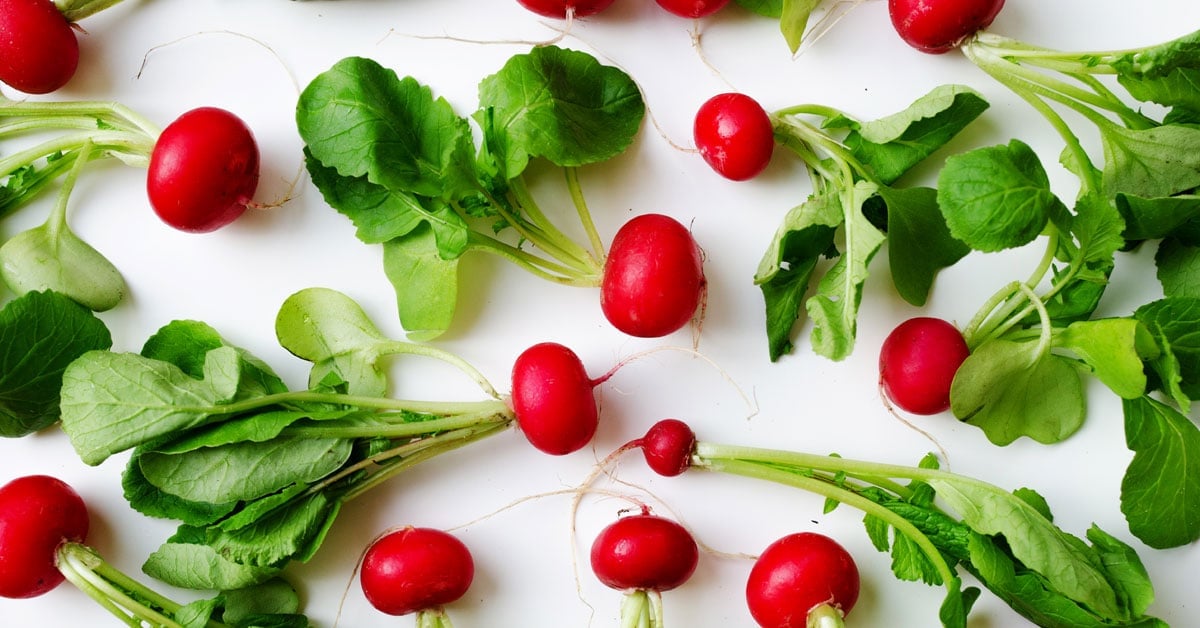
Origin: Radishes are believed to have originated in both Southeast Asia and the Mediterranean region. They were cultivated in ancient Egypt and later spread to Greece and Rome. Radishes have become popular worldwide and are now grown in various varieties, each with its unique characteristics. Description: Radishes come in a range of colors, including the traditional red, as well as white, pink, purple, and even black. They are known for their crisp texture and peppery flavor. The root is the most commonly consumed part, but the greens are also edible and nutritious. Best Uses for Radishes: Sliced radishes add a crunchy element to salads, and they can also be pickled for a zesty kick. Their vibrant color of pink radishes makes them an attractive addition to any plate. Try them in any of our favorite radish recipes.
Rainbow Carrot
Origin: Carrots are believed to have originated in Central Asia and were initially purple or yellow. Selective breeding in Holland (where the national color is orange) led to the development of the orange carrot, which is now the most common variety. Rainbow carrots, with their vibrant colors, are a more recent innovation in the world of carrots. Description: Rainbow carrots come in a spectrum of colors, including purple, yellow, orange, red to pink, and white. They have a sweet and earthy flavor, similar to traditional orange carrots. The different hues add visual appeal to recipes, making them popular among chefs and home cooks alike. Rainbow carrots are not only beautiful but also nutritious, providing a variety of vitamins and minerals. Best Uses for Rainbow Carrots: Rainbow carrots can be used in any dish that calls for carrots, adding a burst of color to veggie trays, salads, stir-fries, and roasted vegetable medleys. They can also be enjoyed on their own as a crunchy and flavorful snack. Try air-fried carrot fries or slow cooker carrots. The pigments responsible for the various colors in rainbow carrots also contribute to their nutritional value. For example, purple carrots contain anthocyanins, which have antioxidant properties. The diversity of nutrients in rainbow carrots makes them a healthful addition to a balanced diet.
Rainbow Swiss Chard
Origin: Swiss chard is believed to have originated in the Mediterranean region. It is a member of the beet family and has been cultivated for centuries for its flavorful leaves and stems. Rainbow Swiss chard, with its colorful stems, is a more recent variation developed through selective breeding. Description: Rainbow Swiss chard features vibrant stems in a range of colors, including pink, yellow, orange, and red. The large, dark green leaves are tender and have a slightly bitter taste. The plant’s pink parts are its stems and veins. Best Uses for Rainbow Chard: Swiss chard can be used in sautés, stir-fries, quiches, chard wraps, and salads. The colorful stems add a visual pop, making it an attractive ingredient for both home cooks and professional chefs. The leaves and stems are rich in vitamins A, C, and K, as well as minerals like magnesium and potassium.
Rhubarb
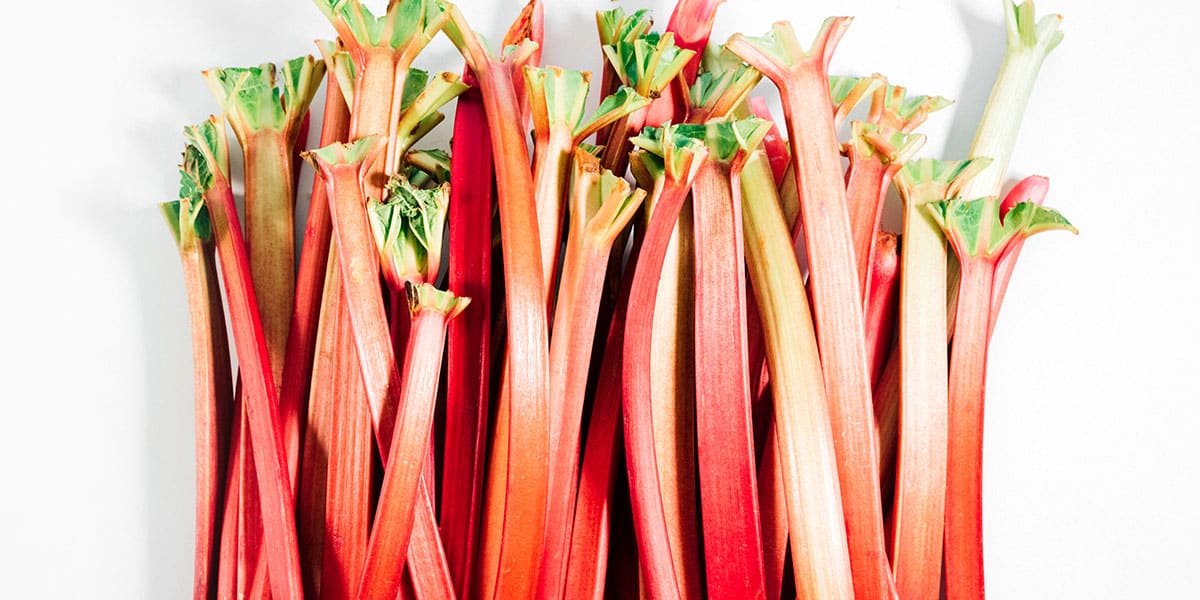
Origin: Rhubarb has ancient origins, with its cultivation dating back to China over 2,000 years ago. It later became popular in Europe, where it was grown for medicinal purposes before being embraced as a culinary ingredient. Today, rhubarb is cultivated in various regions globally, with notable production in North America and Europe. Description: Rhubarb is a perennial plant with large, celery-like stalks that can range in color from green to vivid pink or red, depending on the variety. While the stalks are the edible part of the plant, the leaves are toxic and should be avoided. The flavor of rhubarb is tart, requiring sweetening in most culinary uses. Best Uses for Rhubarb: Rhubarb is widely used in desserts, particularly in pies, crisps, and compotes. Its tartness pairs well with sugar, creating a delightful balance of sweetness and acidity. It can also be used in jams, sauces, and beverages. Some adventurous chefs incorporate rhubarb into savory dishes to add a unique twist. In our test kitchen, we think rhubarb is ideally paired with strawberries. Start by making a simple rhubarb compote. From there, you can make a whole host of rhubarb desserts like our favorite strawberry rhubarb crisp.
Pink Radicchio (Rosa del Veneto)
Origin: Rosa del Veneto, or pink radicchio, hails from the Veneto region in Italy. It is a unique and relatively modern cultivar of radicchio, a type of chicory. Developed for both its attractive appearance and mild bitterness, pink radicchio has become a popular ingredient in Italian cuisine. Description: Rosa del Veneto is known for its vibrant pink and white speckled leaves, which form tight heads. The leaves are crisp and slightly bitter, with a milder flavor compared to traditional radicchio varieties. Its striking appearance adds a touch of elegance to salads and some entrees, making it a popular choice for gourmet presentations. Best Uses for Pink Radicchio: Pink radicchio is commonly used in salads, providing both texture and color. Its mild bitterness adds depth to salads without overpowering other flavors. It can also be grilled, roasted, or sautéed to enhance its sweetness and reduce bitterness. The unique appearance makes it a favorite for decorative purposes in culinary arts. This concludes our discussion of different types of pink vegetables. We hope you found it helpful, and as always, happy cooking!