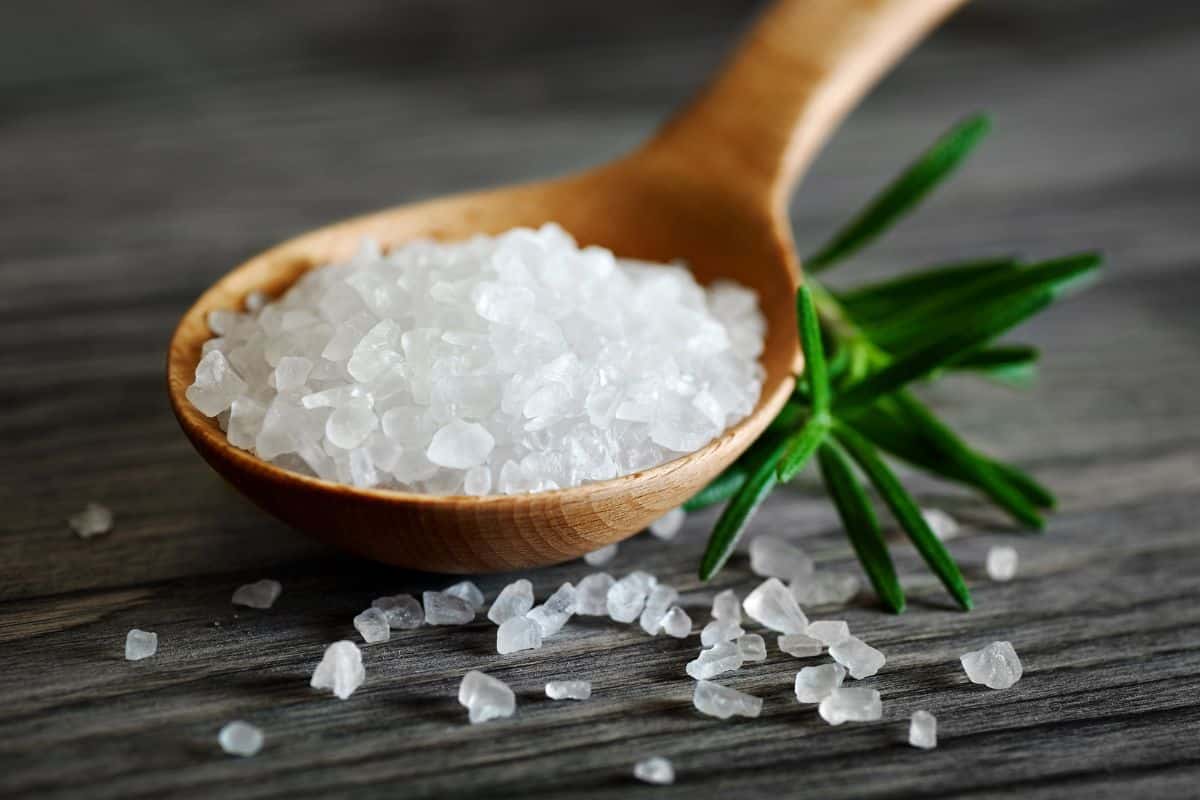
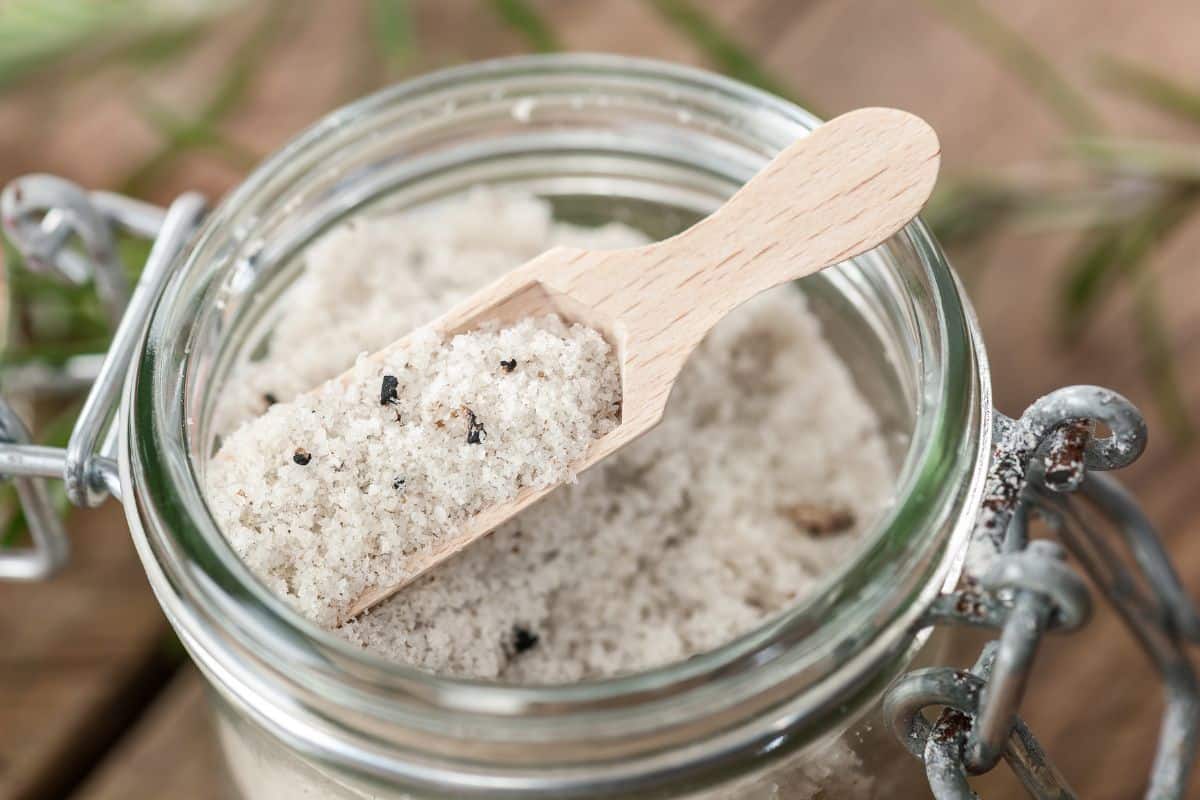
Salt is probably the most used spice in the world. It’s naturally occurring, helps sweets taste sweeter, and helps savory flavors really pop. As with any popular thing, there are numerous varieties of salt you can use depending on your culinary adventure.
What is Salt?
Chemically, salt (NaCl) or sodium chloride is made up of two elements, Sodium (Na) and Chloride (Cl). It’s a natural crystalline mineral that in its basic form is called rock salt. Once processed for purchase at the grocery it’s generally sold as table salt, or one of the other varieties we will cover. It’s probably the world’s oldest seasoning and food preservative.
General Rules of Salt
All salt has the same chemical makeup at its core, but how it’s cut will determine how salty it’s perceived to be. In general, larger and courser salt will taste saltier because of the larger surface area that hits your tongue. General table salt is super fine and therefore each grain is much smaller so less surface area to be salty. For this reason, you need a lot less flaky sea salt (or similar) than you would need table salt.
Different Types of Salt
Let’s look at 19 types of salt you can use in the kitchen, and what the best uses are for each. We will start with the most common and then list all others alphabetically.
Table Salt
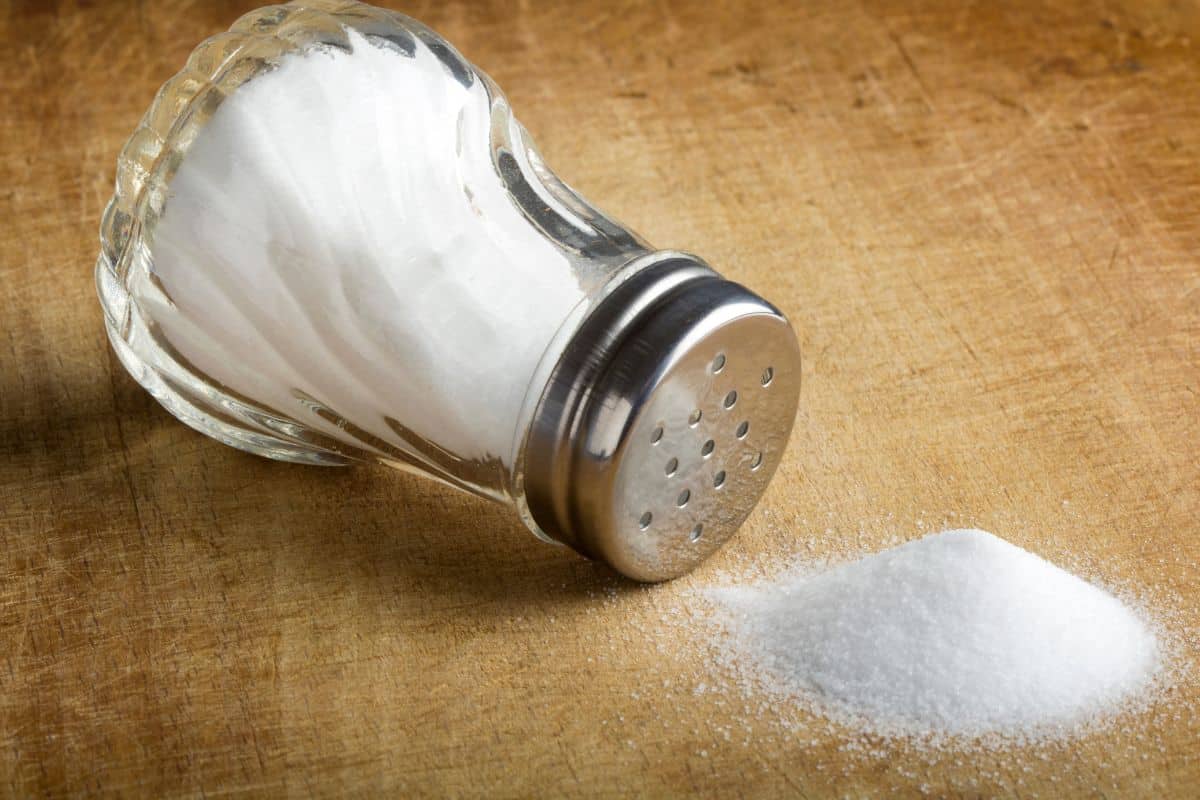
Description: Sometimes called common salt or refined salt, table salt is the most commonly used form in American households, and it is likely 99% of us have it in our pantry. It is a highly refined salt with small, uniform sized white crystals. It is often iodized, which just means that iodine is added to prevent a deficiency in this mineral that is sometimes hard to consume otherwise. Most table salt is mined from ancient underground salt deposits, and it is mined almost world-wide. Best Uses for Table Salt: Table salt is used both in our cooking and as an additive at the dinner table. It enhances the natural flavor of meat and other savory dishes. We don’t intend for this to be an article about nutrition, but salt is very heavy in sodium which, the FDA says, 90% of Americans eat too much of. They recommend we consume no more than 2,300 mg a day. Lets just consider this a reminder not a lecture.
Kosher Salt
Description: Kosher salt has larger, coarser, and flakier crystals than table salt as it is less refined and doesn’t contain any additives like iodine. The name “kosher” comes from its traditional use in the koshering process of meat. Kosher salt, like table salt, is typically derived from underground salt mines and is widely available in much of the world. Best uses for Kosher Salt: Many chefs prefer kosher salt for its texture. As the name suggests, it is used to season kosher meats and vegetables. The thing to keep in mind is that it generally takes 1¼ tsp of kosher salt to replace 1 tsp of table salt to achieve the same saltiness in your cooking. Unless you are used to cooking with kosher salt, we recommend starting with less salt and tasting before adding more.
Sea Salt
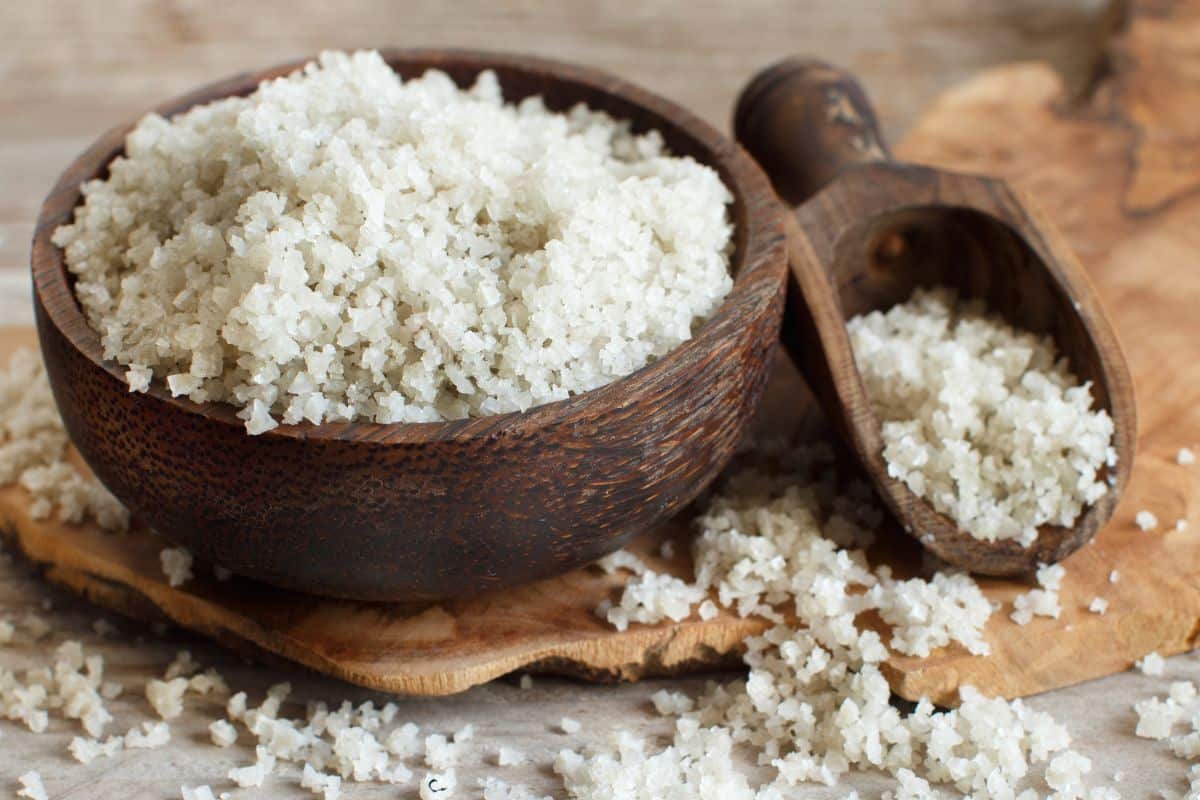
Description: Sea salt is made by evaporating sea (or ocean) water. As the water evaporates away, the salt crystals are left behind. It can vary in both color and texture and is coarser than table salt as it is less refined. Depending upon its source and level of impurities, you may see it sold in natural white, pink, or gray colors. It is made worldwide, and two of the common brands you may see for sale are French Fleur de Sel and Himalayan pink. Best Uses For Sea Salt: Sea salt is probably most commonly used in lieu of table salt as a finishing salt, i.e. put on right before serving. It is also used in marinades and brining.
Black Salt (Kala Namak)
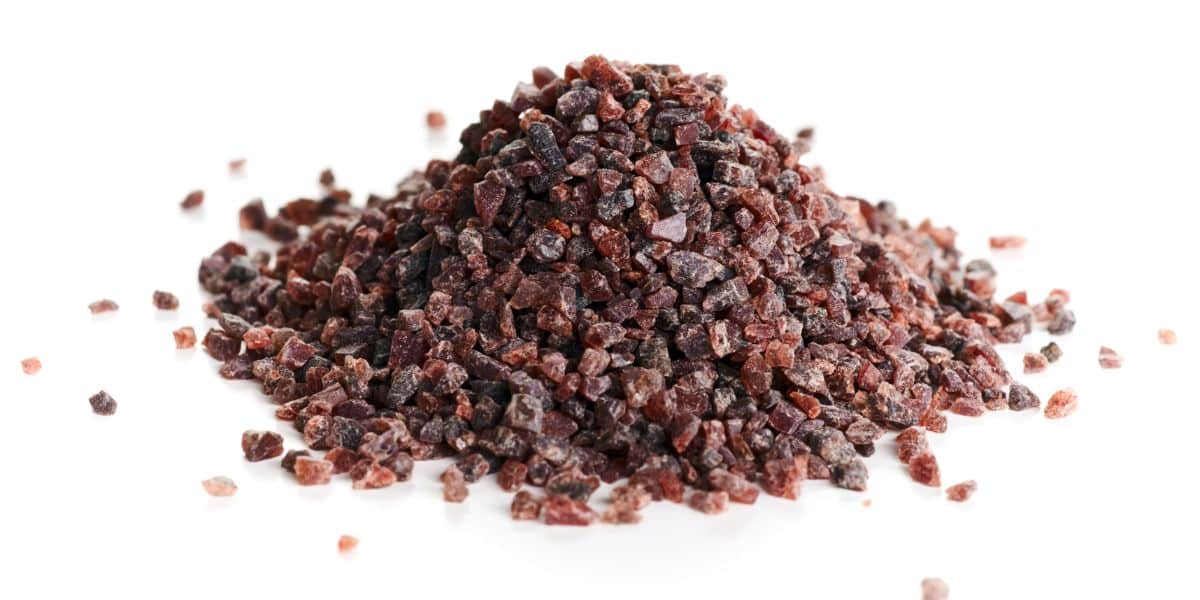
Description: Also known regionally as Kala Namak, black salt has a pinkish-gray to purple color and a strong sulfuric (pungent) odor due to its high sulfur content. Actually, the best description is to just look at the photo. In fairness, it is also higher in calcium, magnesium, and iron than table salt. Black salt is usually mined by hand in the Himalayan Mountain regions. This differs from table salt which is normally mined by huge scoop loaders into even bigger dump trucks. Best Uses for Black Salt: This salt is mostly used in Indian cuisine, particularly curry. However, it has expanded its reach into vegan and vegetarian cooking. Its sulfuric content mimics the flavor of eggs.
Black Lava Salt
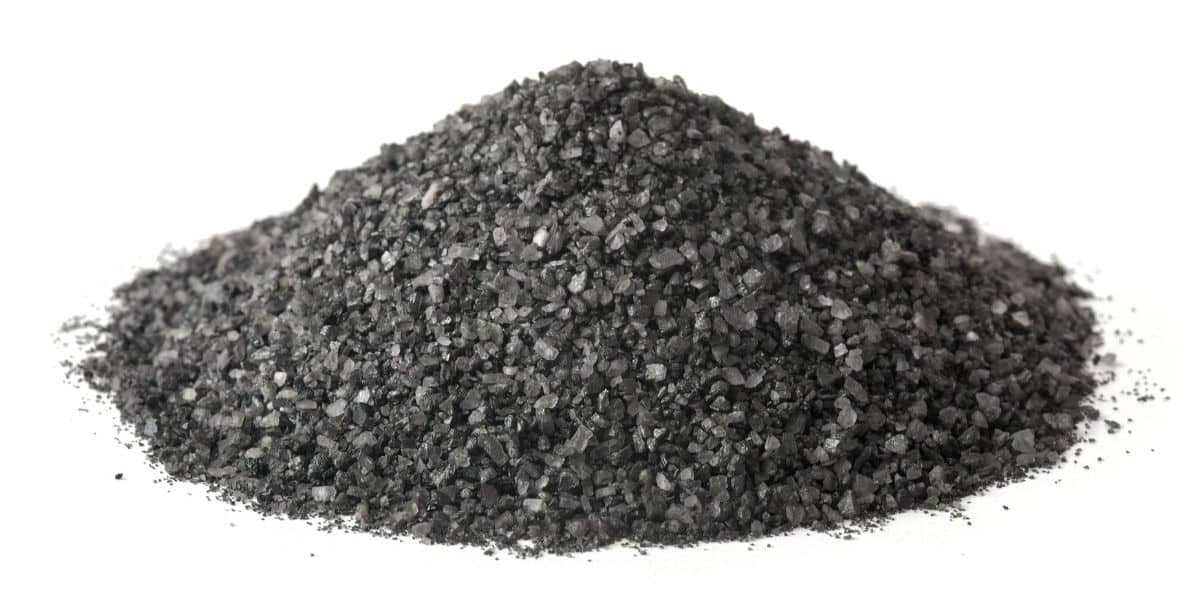
Description: Also known as Hawaiian black salt, it is basically what its name suggests: sea salt from the Pacific Ocean that is blended with activated charcoal or volcanic minerals. As you can see in the photo, it is a deep black color and a smoky flavor Best Uses for Black Lava Salt: This salt is mostly used as a finishing salt to add a unique flavor to cooking. Those who use it tend to like it on seafood, salads, roasted vegetables, or pretty much whatever meat they are grilling.
Bolivian Rose Salt
Description: Bolivian rose salt is also called Andean rose salt due to its pale pink color. It comes from salt flats (vs mines) in Bolivia. The nice rose color is natural, not an additive gimmick, and comes from its slight iron oxide content. Best Uses for Bolivian Rose Salt: This is a gourmet finishing salt. You can use it on salads, grilled meats, and some like it on desserts.
Brining Salt
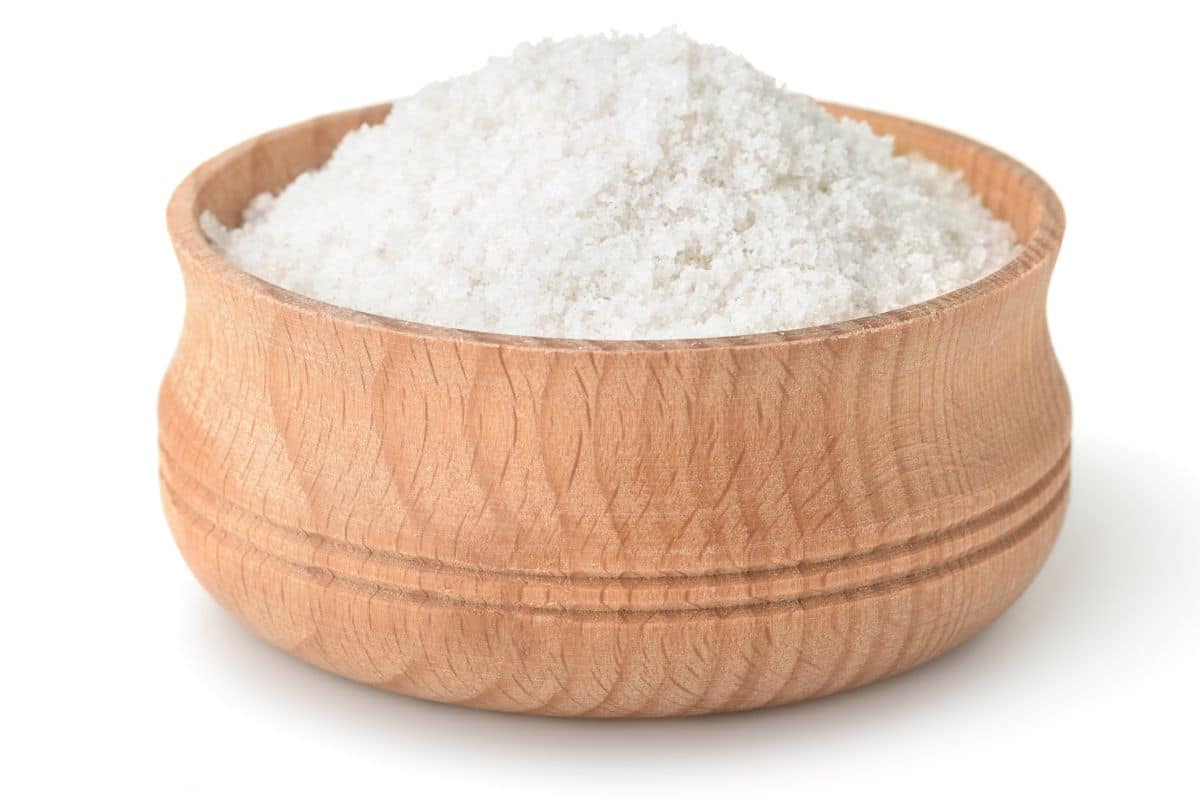
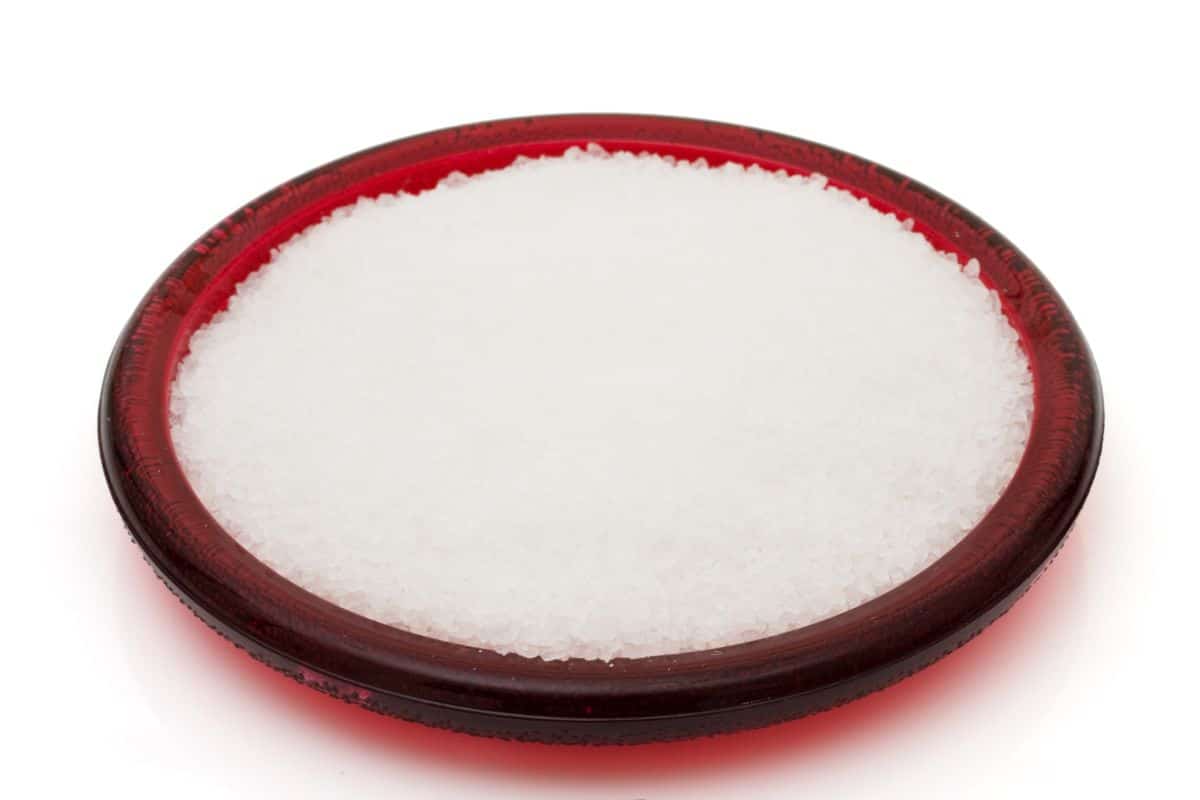
Description: Brining salt is a coarse salt meant specifically for brining. As such, it is pure salt without additives and usually has larger crystals than table salt. This is meant to allow it to dissolve more slowly. Brining salt can be made from pretty much any salt, as it is just a matter of how it is processed.
Celtic Sea Salt (Grey Salt)
Description: Celtic sea salt is also known as gray salt, and comes from the Atlantic Ocean. It is mostly produced along France’s Brittany Coast from coastal salt ponds. Minerals and clay in the pounds give it its grayish color making it a chunky mineral-rich salt. Best Uses for Celtic Sea Salt: Grey salt is often considered a high-quality, unrefined salt, and some people attribute health benefits to it. It is used for seasoning soups, stews, meat, and baked goods and can be used in pickling as well.
Flake Salt
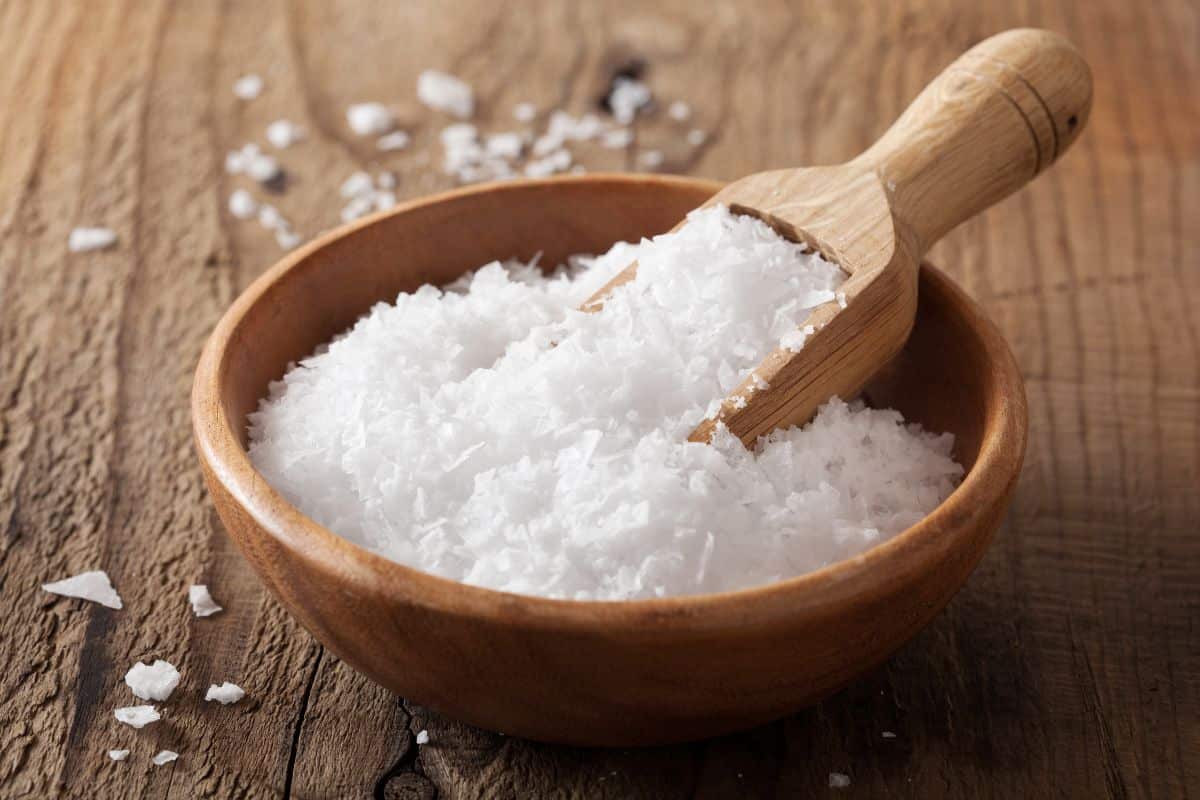
Description: Flake salt, as the name suggests, is thin and flat. The flakes are large, for salt crystals, and soft. While flake salt comes in a variety of colors and varieties, it generally has a pretty intense salty taste. Best uses for Flake Salt: Flake salt dissolves quickly and is often used as a finishing salt on gourmet foods including salads, seafood, and even chocolate desserts.
Flavored Salt
Fleur de Sel
Description: Fleur de sel, which translates to “flower of salt” in French, is a hand-harvested sea salt skimmed from salt evaporation ponds. It has fine irregularly shaped crystals and a briny taste. It mostly comes from along France’s long coastline but appears to be most commonly from Brittany, which is where Celtic sea salt comes from as well. Best uses for Fleur de Sel: This is considered a higher-end gourmet salt. It’s mostly used as a finishing salt on fresh salads, grilled vegetables, or caramel desserts.
Low-Sodium Salt
Description: Low-sodium or reduced-sodium salt is really a salt substitute, not a salt with the sodium removed. Salt is, after all, NaCl, with the Na being the symbol for sodium. It is meant to provide a salty flavor while dramatically reducing sodium content. It is not a natural product, though in some brands, salt is mixed with the substitute. In this case, the product is a mix of potassium chloride and regular salt (sodium chloride). Best Uses for Low-Sodium Salt: This is the go-to product for individuals who need to limit their sodium intake, such as those with high blood pressure or heart conditions. It can pretty much be used in lieu of pure salt in your cooking, but not brining. The FDA recommends that we consume not more than 2,300 mg of sodium per day, and to be honest, using a lot of salt quickly gets us over that recommendation.
Maldon Salt
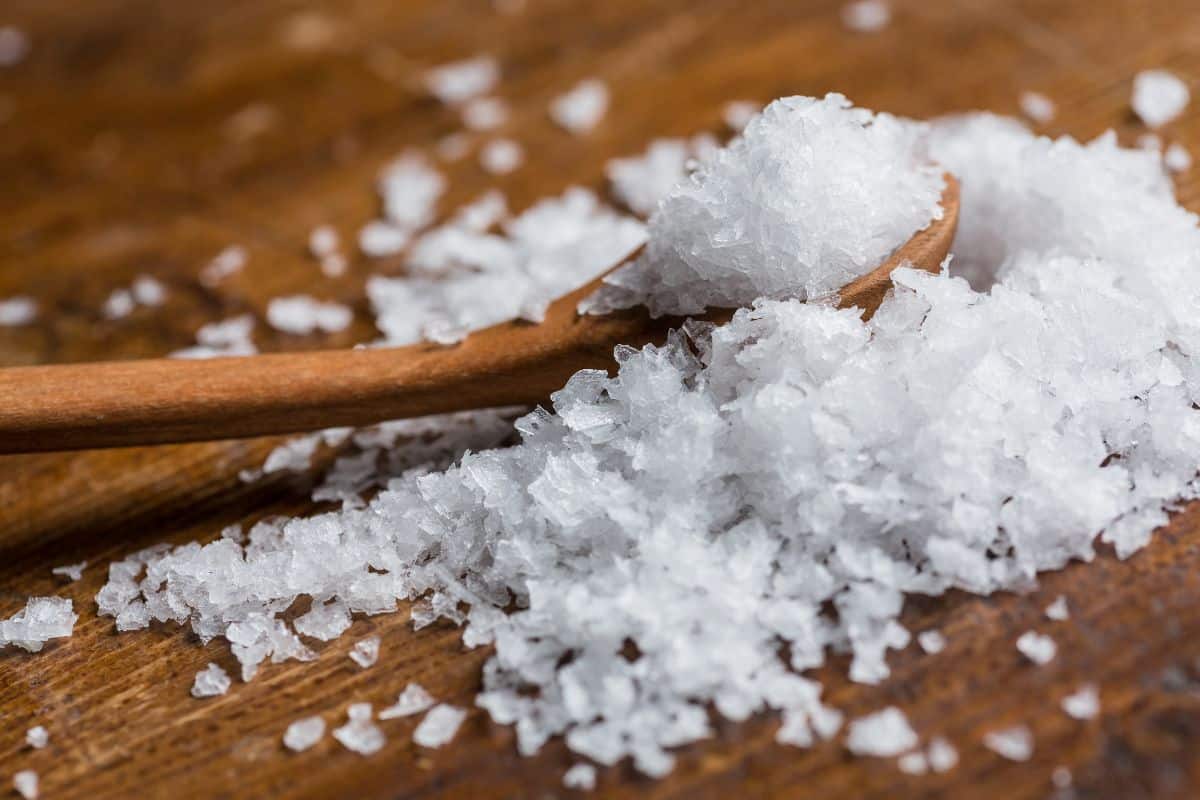
Description: Maldon salt is an interesting variety of flake salt that has distinctive pyramid-shaped crystals. It is a mild crunchy salt that comes specifically from the coastal town of Maldon in Essex, England. Best Uses for Maldon Salt: This is used mostly as a finishing salt to flavor grilled meats, vegetables, and even desserts like caramel or chocolate. Its unique texture and taste have made it a favorite among chefs and food enthusiasts.
Pickling Salt
Description: Pickling salt is also called canning salt. It is just pure salt with no additional additives like iodine or anti-caking agents. It is finely ground so that it dissolves easily for pickling. Best Uses for Pickling Salt: Pickling salt is designed explicitly for pickling and canning fruits and vegetables. Its fine texture ensures that it dissolves uniformly in brine to prevent cloudiness or sediment. It’s not typically used as a table salt or for other culinary purposes.
Pink Salt (Himalayan Pink Salt)
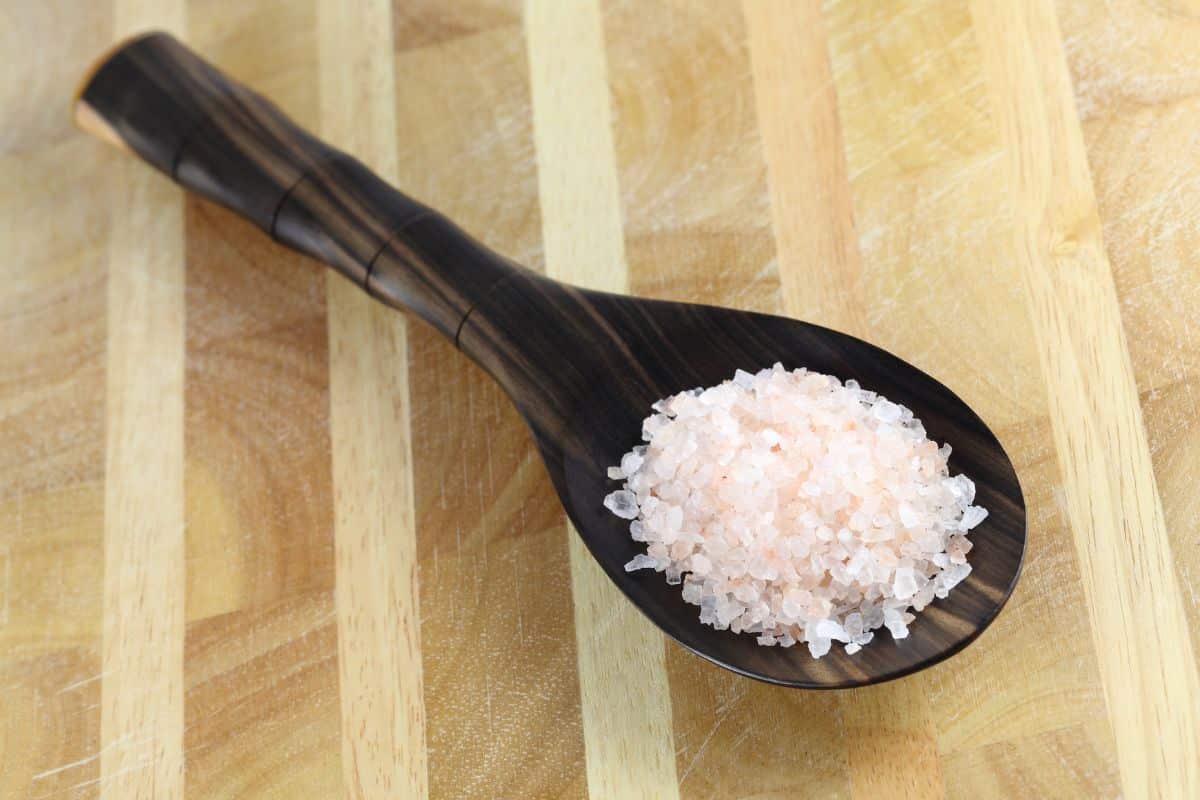
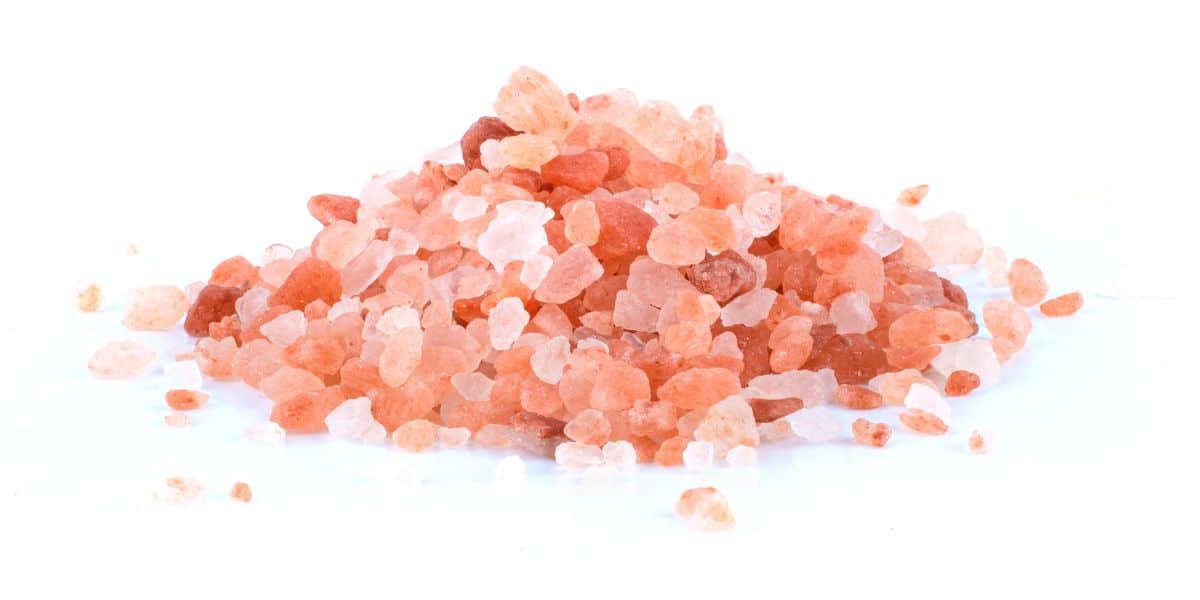
Description: Himalayan pink salt is an unrefined salt with a lovely pink color that comes from trace minerals like iron, zinc, and magnesium. The photo here shows a very coarse-grained pink salt, but it is also sold in finer-grain sizes. It has its own unique flavor due to its mineral content, which is difficult to describe as it isn’t intense. Most of this salt comes from one specific mine, the Khewra Salt Mine in the Punjab region of Pakistan. It comes from what was once an ancient sea bed but is now buried within the Himalayan mountains. The things time does on this planet. Best Uses for Pink Salt: This salt is mostly as a finishing salt, sprinkled over dishes just before serving to add both its flavor and distinct pink color. Try it on meats, sauces, marinades, vegetables, and even desserts.
Hawaiian Alaea Salt
Description: Hawaiian Alaea Salt, often referred to as red Hawaiian salt or just red salt, gets its name and distinctive reddish-brown color from the iron-rich volcanic clay, or “alaea” found on the Hawaiian islands. It is a coarse salt with a slightly sweet and earthy flavor. It’s made by mixing sea salt with the local red alaea clay. Best Uses for Red Salt: Hawaiian cuisine traditionally uses salt to season and preserve meats and fish. It’s also a fantastic seasoning for grilled or roasted meats, providing both flavor and visual appeal. It makes a nice contrast when sprinkled on white fish.
Rock Salt
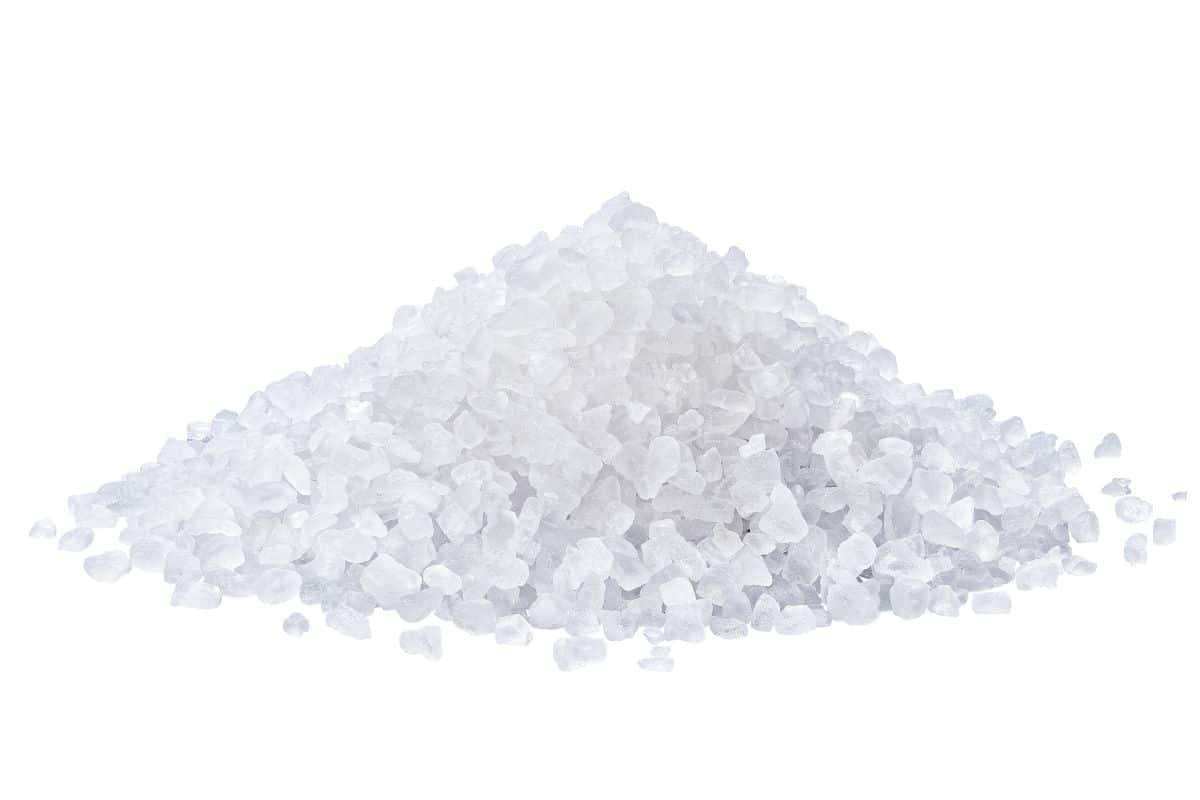
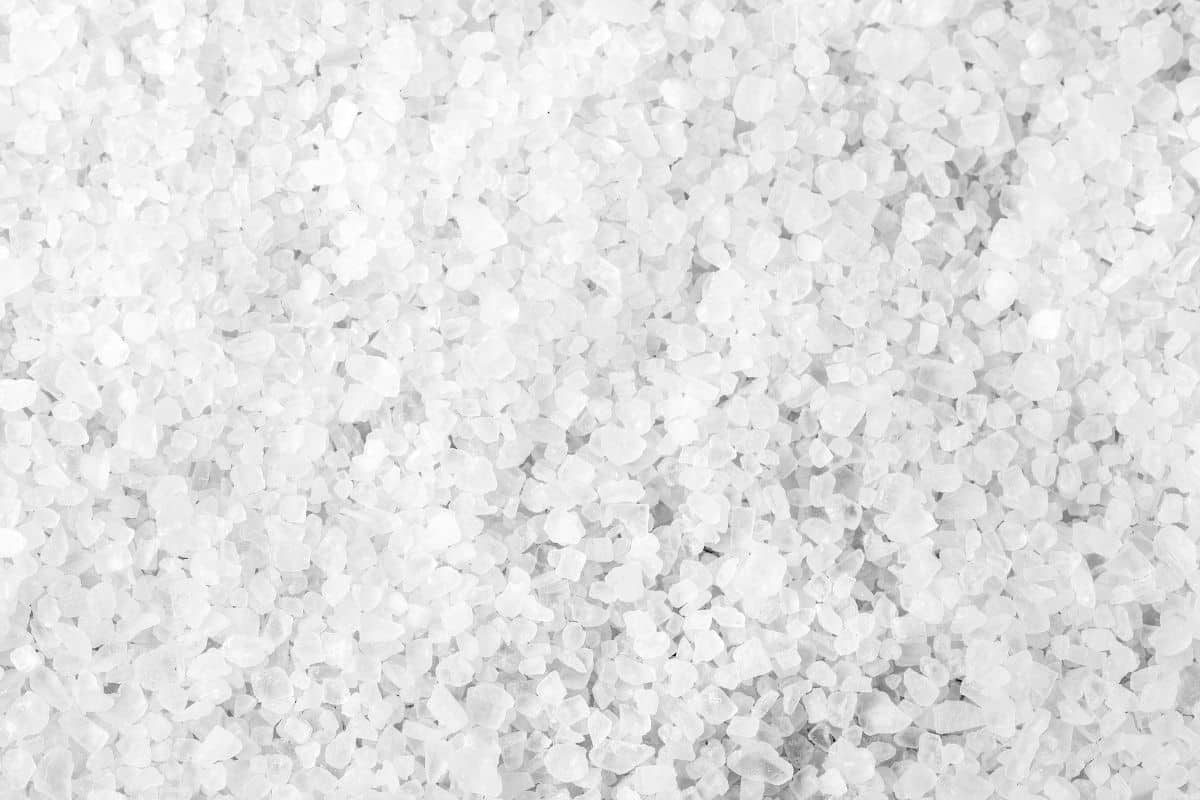
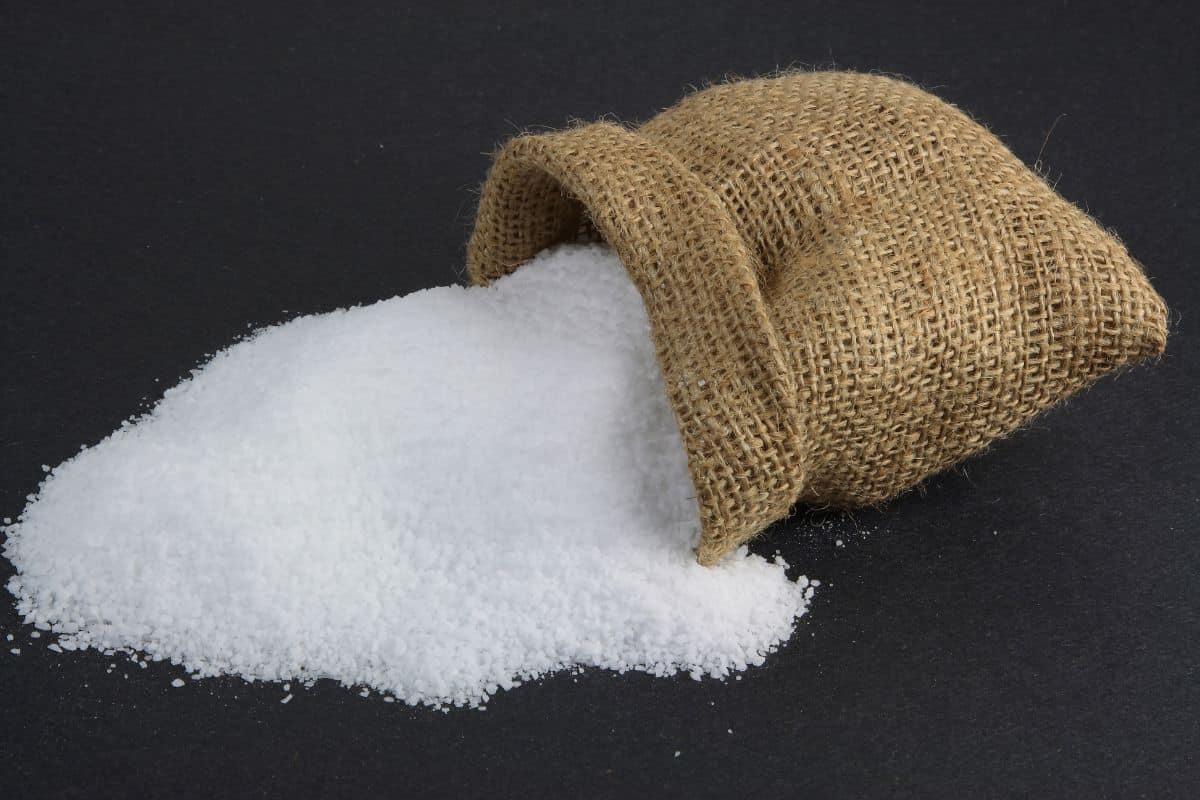
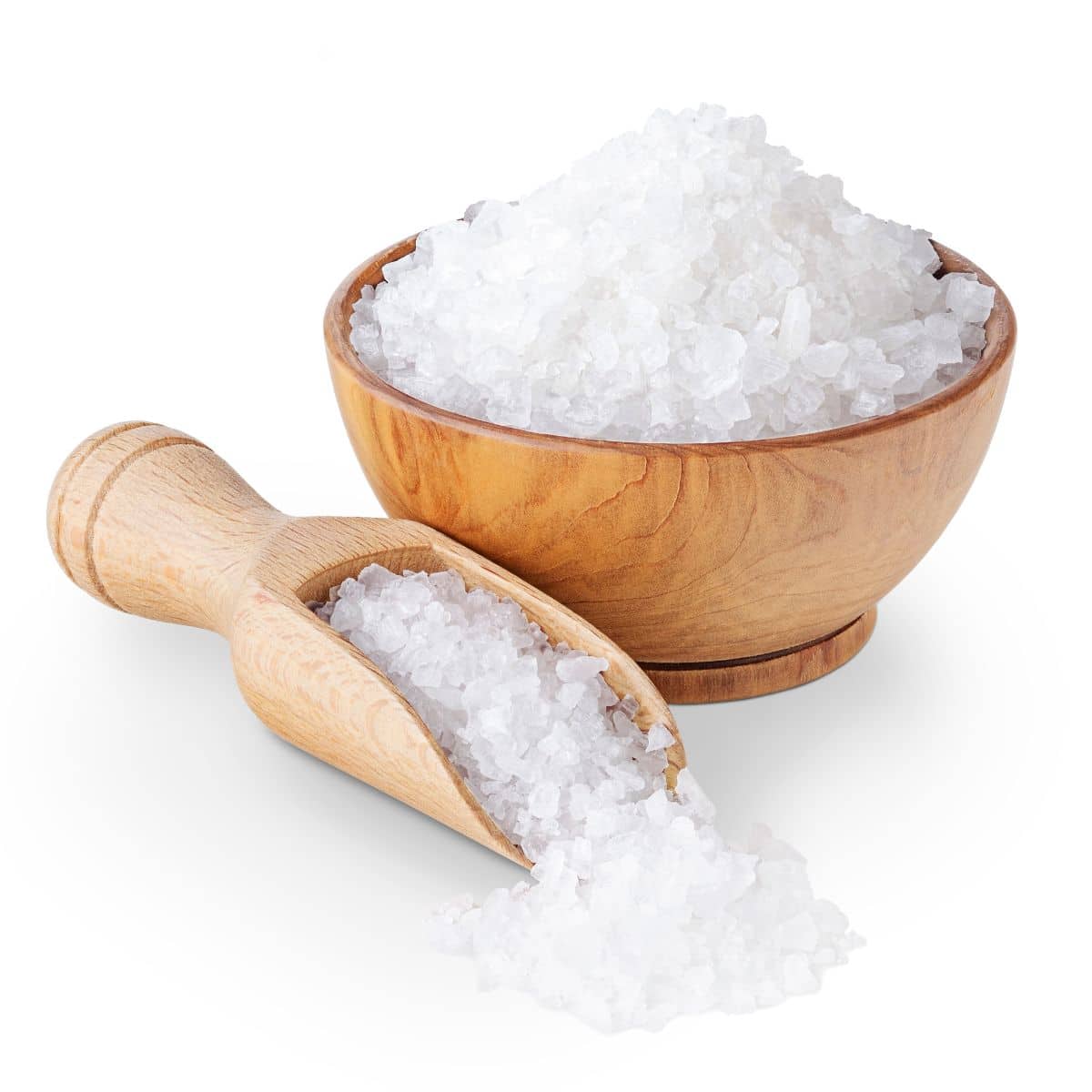
Description: Rock Salt is a coarse, unrefined salt with large crystals. It is usually white or slightly off-white and doesn’t contain iodine or other additives. Rock salt is mined from underground salt deposits almost worldwide. Best Uses for Rock Salt: Rock salt is mainly used to make brine solutions for pickling and curing foods, particularly meat and fish. It does, however, have some specific cooking uses, such as salt-crusted baking, where food is cooked encased in a layer of salt. It is also used in water softeners, but that is a bit out of the scope of this article.
Seasoned Salt
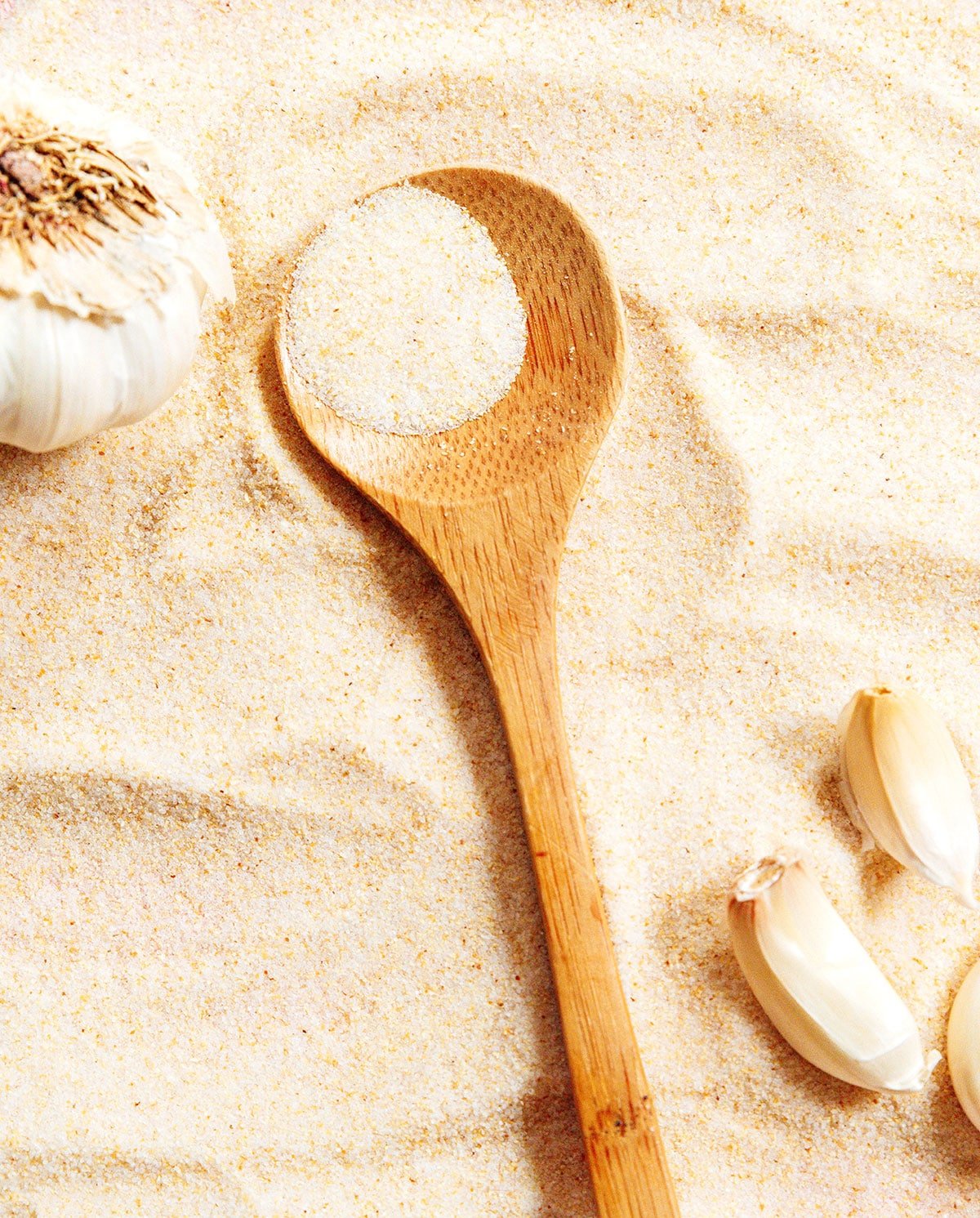
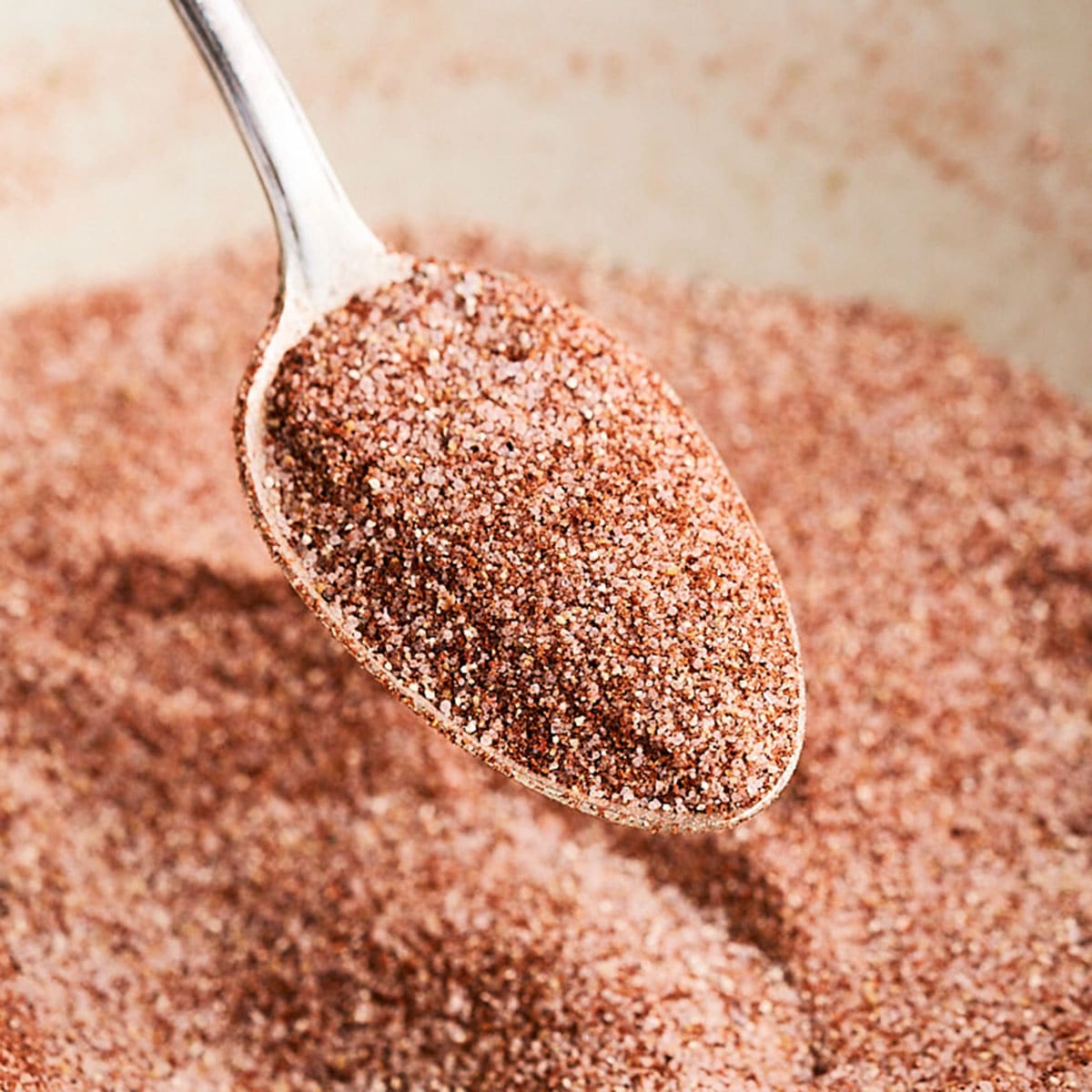
Description: Seasoned salt is a mixture of salt and a wide array of possible seasonings, herbs, and spices. Its appearance is as varied as the spices used to make it, but as the photo shows, it generally looks like a fine-grained salt with herbs and spices mixed in. You can buy all sorts of seasoned salt, or you can experiment and make your own. Here’s our recipe for seasoned salt (a Lawry’s copycat!) Best Uses for Seasoned Salt: Seasoned salt is designed to add a specific flavor to your foods, whether that be garlic salt on your popcorn or a unique flavor to gourmet cooking. We often use it on grilled meats, vegetables, soups, and more. It’s a convenient way to bring various flavors into your cooking without the need to measure out individual spices and herbs. One of our hands-down favorites is the Everything Seasoning at Trader Joe’s.
Smoked Salt
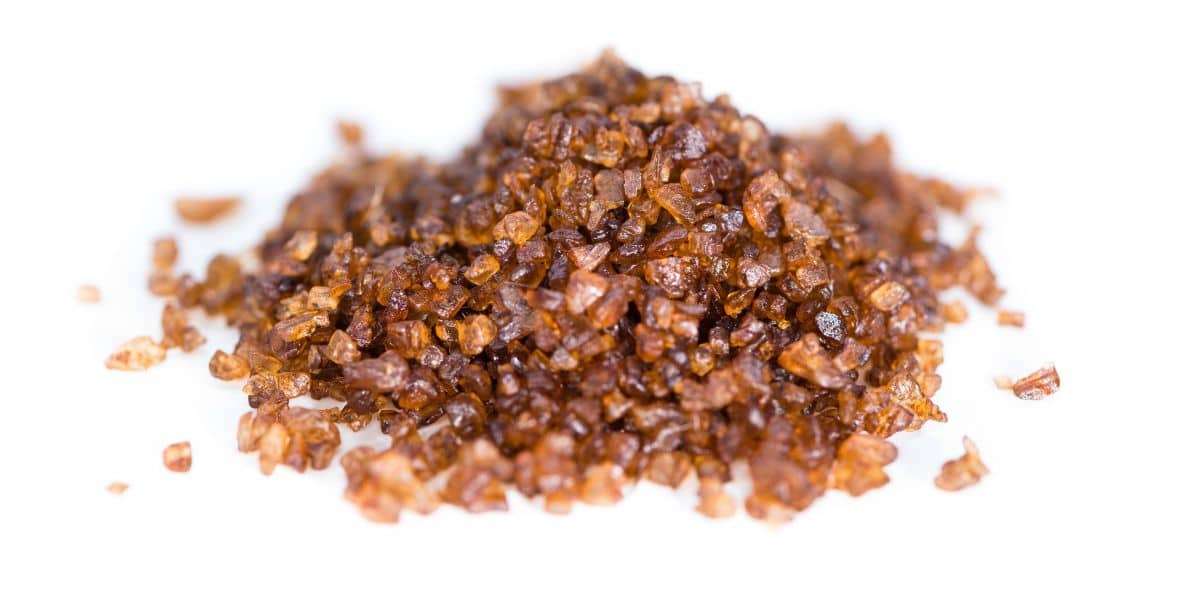
Description: Smoked Salt is a flavored salt that brings a smoky aroma and taste to your cooking. The photo suggests a rather smoky brown color, but it can also come in black or gray depending on how it is made, what type of wood it is smoked with, and what salt it is made from. It is made by either cold or hot smoking generally using regular sea salt or rock salt. Best uses for Smoked Salt: Smoked salt adds a smoky flavor to your cooking, so it is a good choice for seasoning grilled meats and roasted vegetables or even as a finishing touch for soups and stews.
Truffle Salt
Description: Truffle Salt is very much a specialty seasoning as you can tell by the price of truffles. It is made by combining sea salt with small pieces of dried truffles or truffle flavoring. It has a strong and distinctive aroma and flavor of truffles. Best Uses for Truffle Salt: Truffle salt is used specifically to give a recipe the earthy flavor of truffles. It can be used as a finishing touch for pasta, risotto, scrambled eggs, or even popcorn to elevate the flavor. If you have cooked with truffles before, you know how crazy expensive they are. And while a little truffle goes a long way in cooking, truffle salt is a relatively inexpensive substitute. It is still expensive at about $2 per ounce, but nothing like the $40 per ounce of fresh truffles.
History of Salt
Salt use is probably nearly as old as humankind and historically has been almost as important as water. The first use probably came from coastal people “discovering” it in sea or spring water. The earliest archeological evidence of salt production dates back about 8,000 years to the region that is modern Romania where people appear to have boiled salty spring water to produce a solid salt. Similar evidence points to ancient salt works in China at about the same time. Salt was important to ancient people not just to flavor food but also to preserve it. We have had refrigeration for only about the last hundred years and canning for less than two hundred. Before this, the primary way to preserve food was with salt. The ancient Greek, Roman, Egyptian, and, well, actually every major empire depended on salt, and trade in salt was extremely important. Salt remains extremely important today, and we produce over 300 million tons of it annually! Salt is either mined or produced through evaporation of seawater or sometimes spring water.
Commercial Uses of Salt
Only a small percentage of the salt produced today is used for culinary purposes. Salt is used extensively in the production of chemicals like chlorine, plastics, paper, and a host of other products. It is also commonly used in road de-icing, and water softening. Salt also remains very important in commercial food production as both a flavoring and a preservative. Most of the processed food we eat today contains sodium derived from salt. Take for example canned mushrooms. 100g (3.5 ounces) of canned mushrooms typically contains around 470mg of sodium. 100g of fresh mushrooms, however, only contains 4mg of sodium. Without the sodium, canned mushrooms wouldn’t last very long. This reliance on sodium in processed food has clear health implications for consumers which we will get to next. This wraps up our look at types of salt. We hope you found some new salt types you can work into our cooking, and as always, happy cooking!