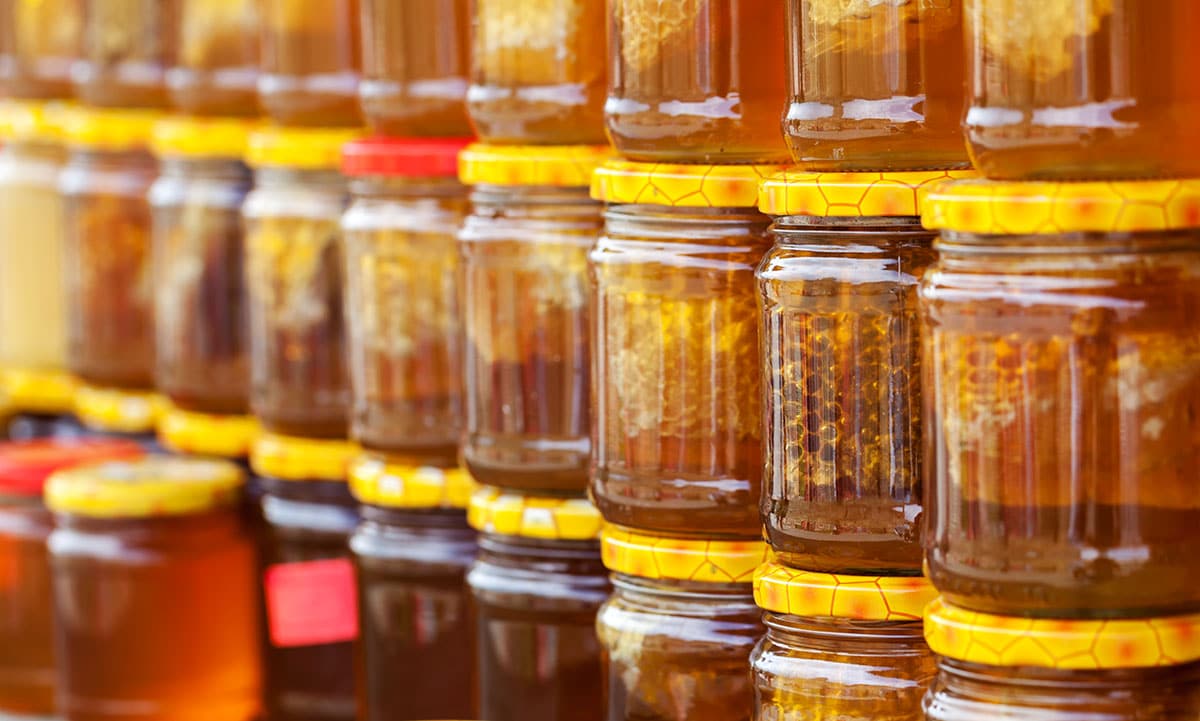
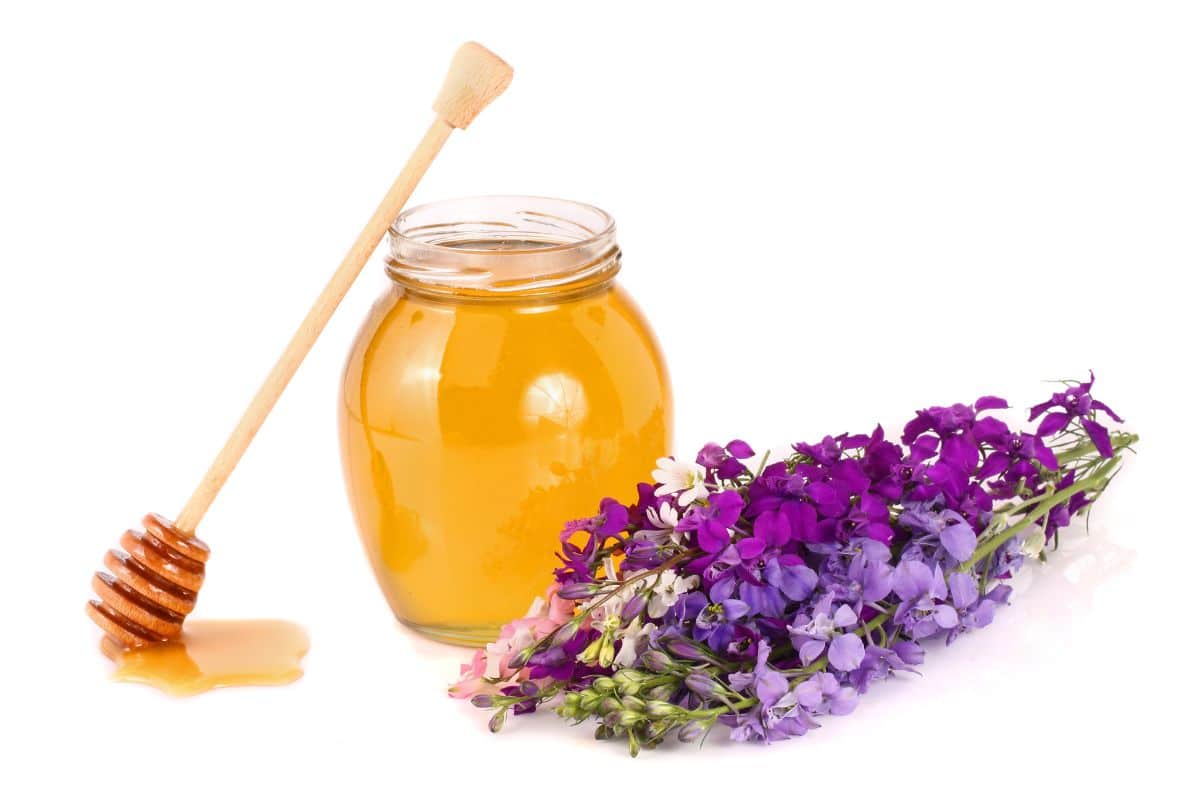
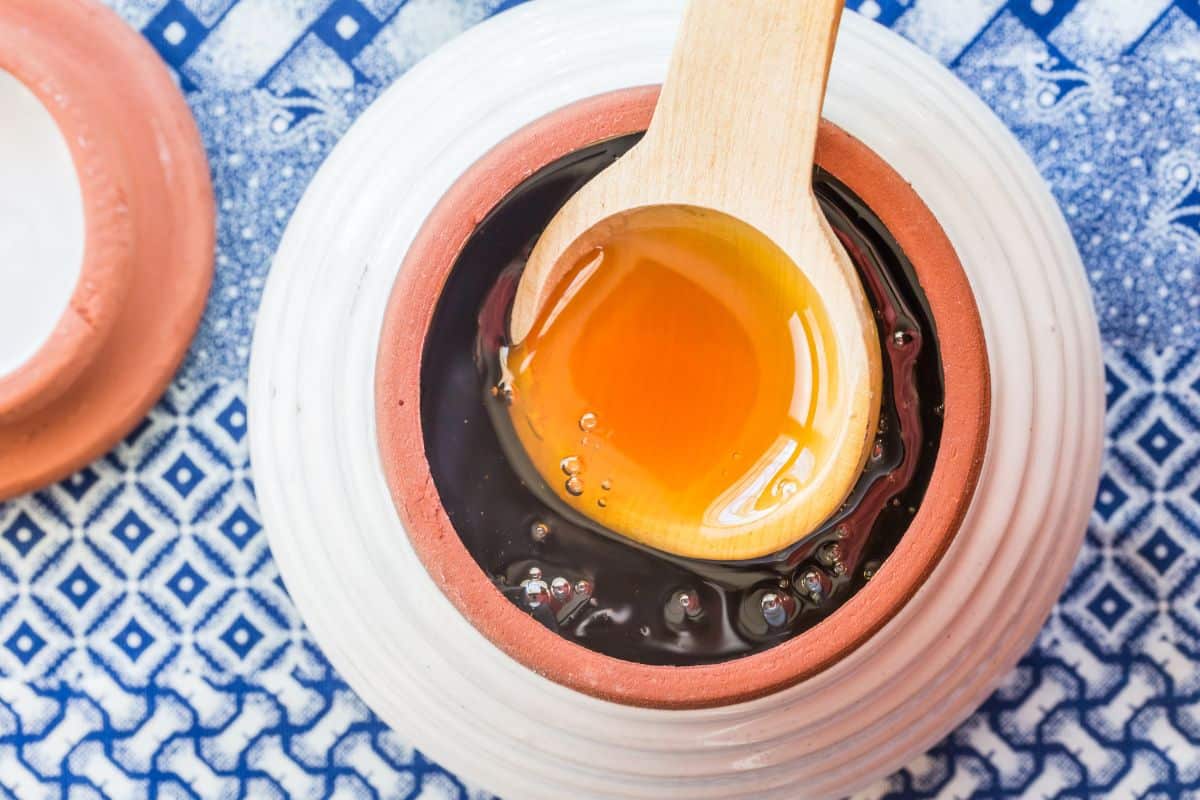
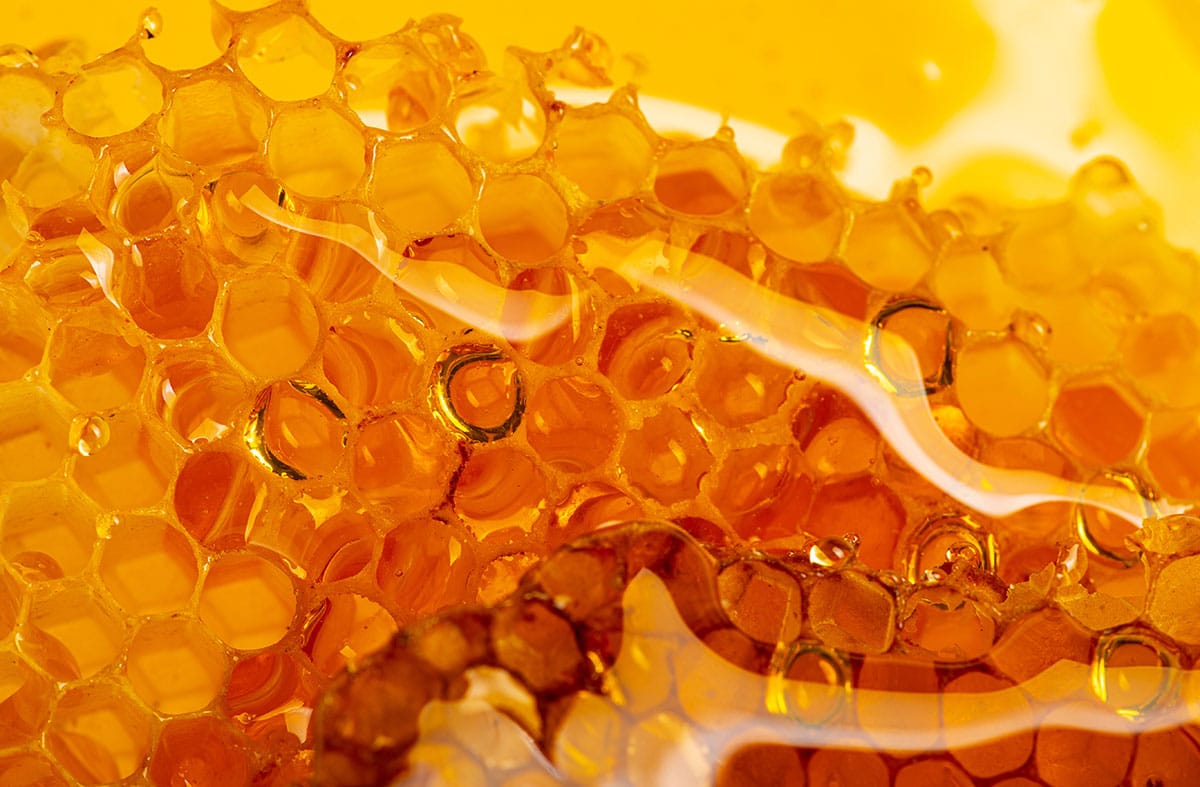
Oh honey, sweet, sweet honey! It’s nature’s most delicious natural sweetener and one of the most sustainable, as long as we protect bees. So before we get into types of honey it is also important to keep in mind the well documented threat to honeybees worldwide. The Honeybee Conservancy estimates that ¼ of all honeybee species are at threat of extinction. Considering that ⅓ of the world’s food is pollinated by bees, this is more than just a sad story. So, if after reading this post you want to buy honey, we highly encourage supporting your local beekeepers by buying local honey!
Honey’s Long Wonderful History
Honey has been eaten by humans for thousands of years, and was probably the original sweetener. Archaeological evidence suggests that early humans gathered honey from wild beehives in rock crevices or trees. Cave paintings in Spain, estimated to be over 8,000 years old, depict humans harvesting honey. The Ancient Egyptians cultivated honey for food, medicinal purposes, and religious purposes. As the Egyptians faded into history, we know the Greeks and Romans (their empires came about 1,000-1,500 years after the Egyptians peeked) also used honey. In fact, in Greek mythology, honey was considered the food of the gods and was associated with immortality and healing. Greek philosopher Aristotle wrote extensively on beekeeping and the behavior of bees.
Honey In Modern Times
Beekeeping spread around the world long before sugar cane or sugar beets provided a natural sweetener. Europeans brought bees to the Americas during the colonial era, and in the 19th Century, Reverend Lorenzo Langstroth invented the wood-framed beehives, which increased yield substantially. Today, despite the dominance of cane sugar and sugar substitutes, demand for honey around the world remains strong, so much so that the total amount of honey sold worldwide exceeds the amount produced. How can that be? Well, there is a lot of fake honey for sale because the demand is too great.
Health Benefits of Honey
Nutritional value
Honey contains various nutrients, such as vitamins, minerals, and antioxidants. While the specific composition can vary, honey typically provides small amounts of vitamin C, calcium, iron, potassium, and zinc.
Alleviating Allergies
If you buy your honey locally, it will be made from plants native to your area, which are often the ones serving as your seasonal allergens. Strong evidence suggests that local honey will help boost your resistance to these allergens.
Cough and Sore Throat Relief
Honey is often used as a natural remedy to soothe coughs and relieve sore throats. It coats the throat and can help suppress coughing. Mix it with warm water and your favorite tea, and it will improve your mood whether or not it helps your sore throat.
potential risks
Despite its potential benefits, keep in mind that honey is still a form of sugar. Using too much can lead to weight gain and blood sugar spikes. Also, remember that infants under one year of age should not consume honey due to the risk of botulism.
The Many Uses of Honey
Honey is well-suited for culinary purposes and pairs well with both sweet and savory dishes. It can be used as a natural sweetener in beverages like tea and lemonade or drizzled over fresh fruit, yogurt, or cheese. Many varieties of honey are also excellent additions to marinades, salad dressings, glazes for roasted meats, and baked goods. Their unique flavors add a touch of sophistication to various recipes. In our look at the 29 honey varieties below, we will suggest some of the most common uses for each variety. We have two salads created here at Live Eat Learn that feature honey grilled broccoli salad and shaved brussels sprout salad, but our hands down favorite use is in any of these 33 smoothie recipes that are all great with honey!
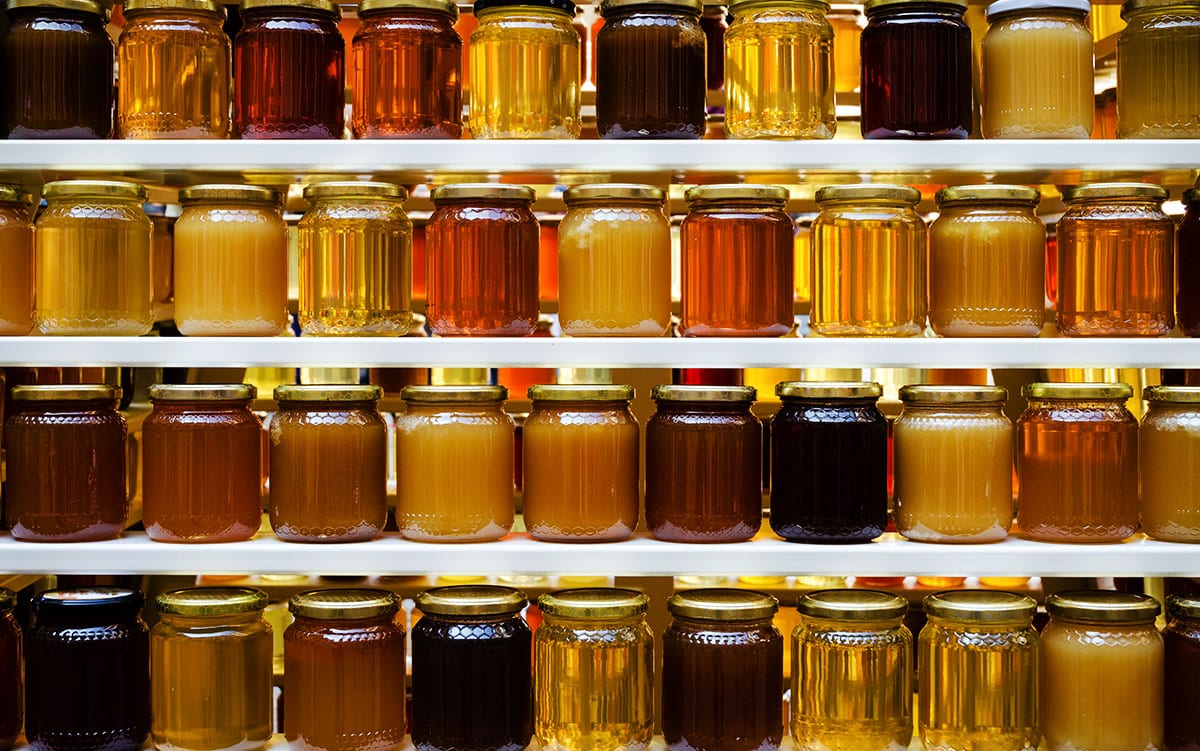
Different Types of Honey
Many of these different types of honey may be hard to find. You can check specialty shops or, better yet, support local bees by buying local honey.
Acacia Honey
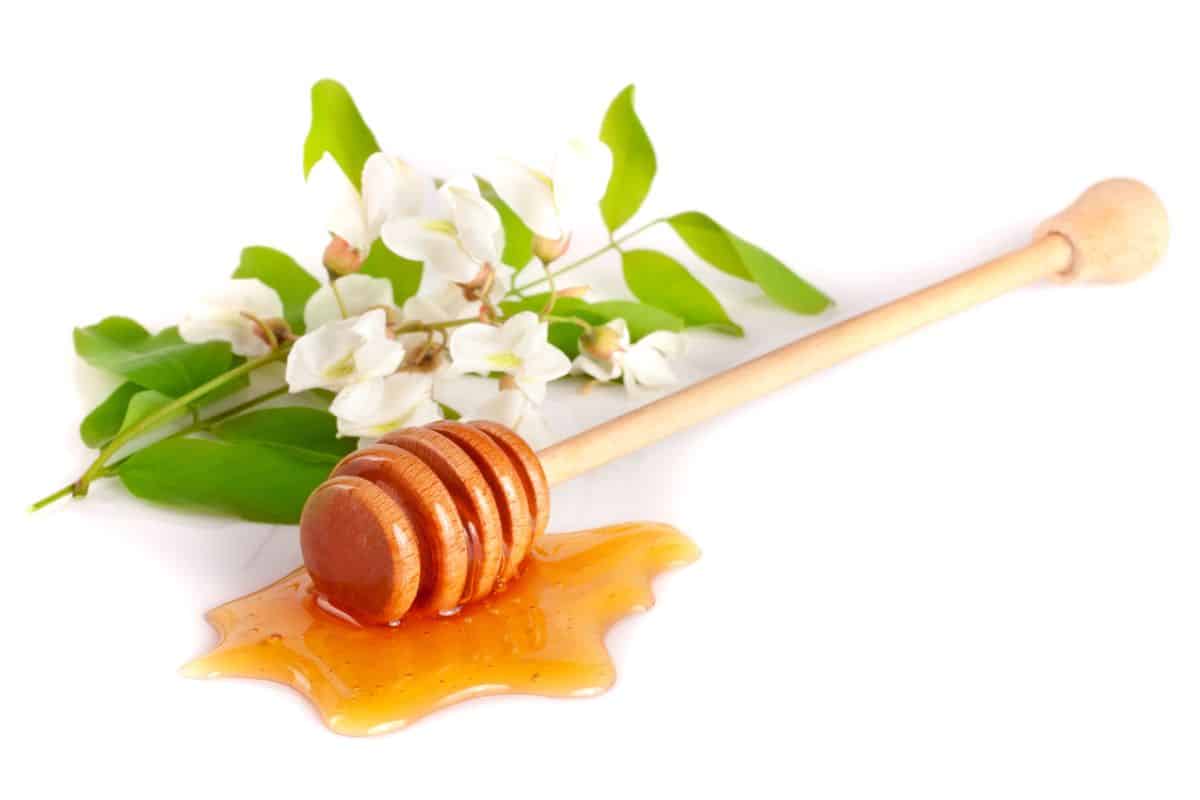
Acacia honey comes from bees that draw nectar from the blossoms of the black locust tree which is predominantly found in Europe and North America. It is a very sweet honey with a bit of a vanilla side to its taste. It is pale gold to light yellow and usually almost transparent. It is commonly used as a table honey or for sweetening beverages, drizzling over desserts, and used as a topping for pancakes or waffles.
Alfalfa Honey
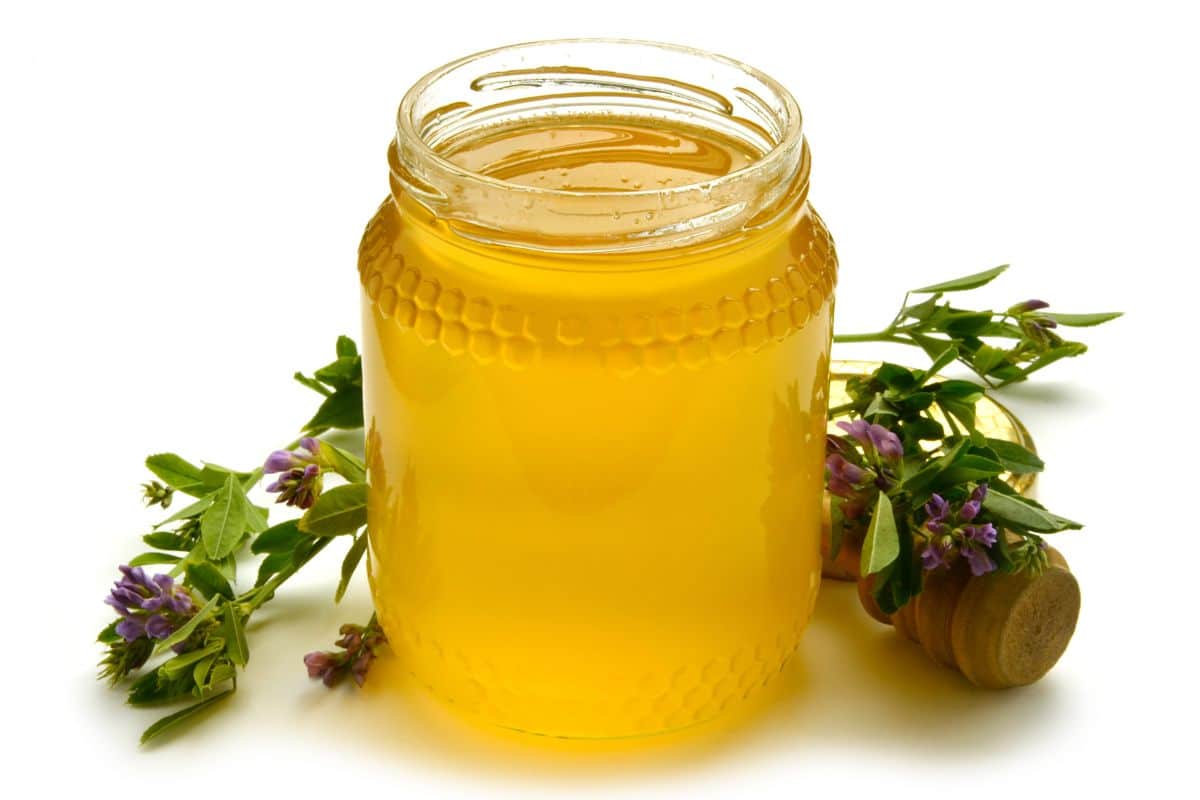
Alfalfa honey comes from the nectar of the purple or blue flowers of the alfalfa plant. It has a mild, slightly herbal flavor and is about average in sweetness for honey. It ranges from light amber to golden and can be either clear or opaque. The bees just can’t get it together, I guess. It is used like most other honey and is great on toast or in your tea.
Avocado Honey
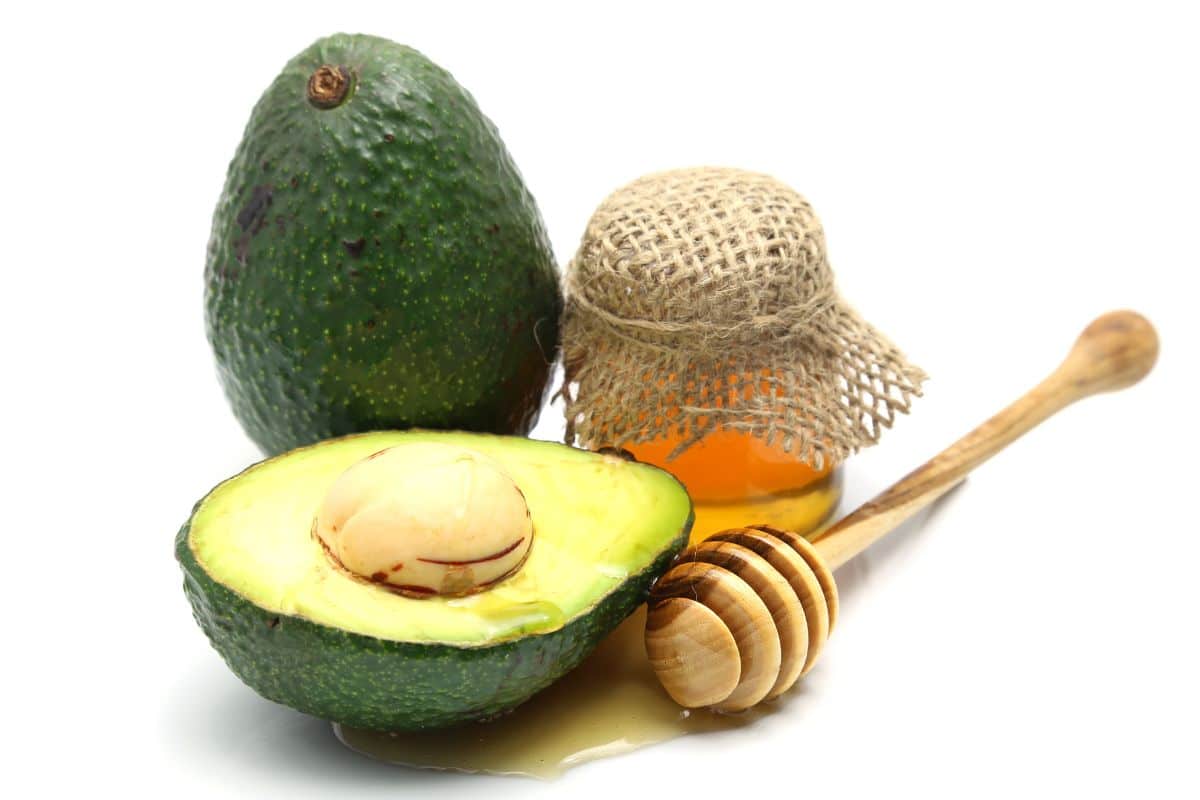
Avocado honey is not something you are apt to find in your grocery store, but it can be found online. As the name implies, it is made by bees drawing nectar from avocado blossoms, so it pretty much has to come from bees raised at avocado orchards. This is a rich, buttery, flavored honey that some say has a hint of caramel. The taste varies with the type of avocado grown near the bees. This honey is dark amber to brown and thick and creamy.
Basswood Honey
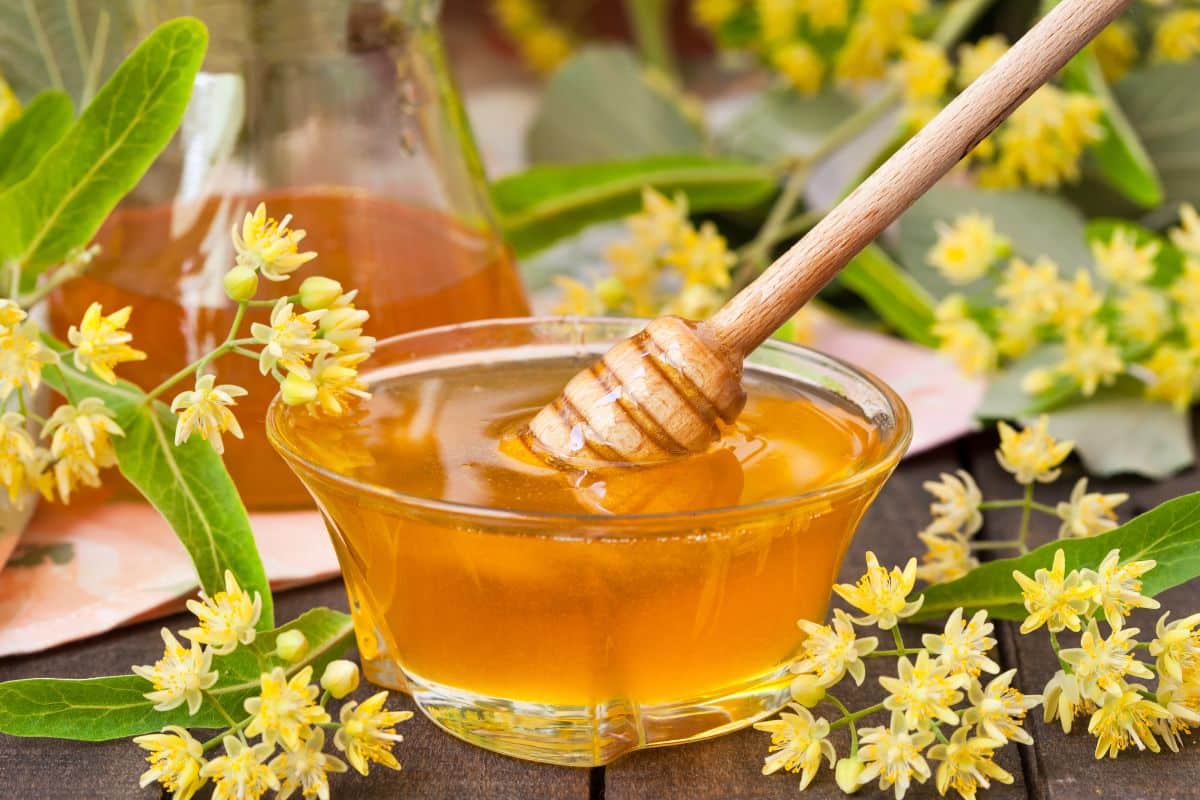
Basswood honey is also known as linden honey as it is derived by bees near both types of tree. It is a pale yellow to amber honey most often clear and translucent. It is often sold as a gourmet honey.
Buckwheat Honey
Buckwheat honey is produced from the nectar of buckwheat plants, which is not actually a type of wheat but a flowering plant related to rhubarb. Bees would have a heck of a time getting nectar from wheat. It has a strong molasses-like taste and is dark chocolate-colored. Buckwheat honey is often used in baked goods, marinades, honey dressing, and sauces.
Chestnut Honey
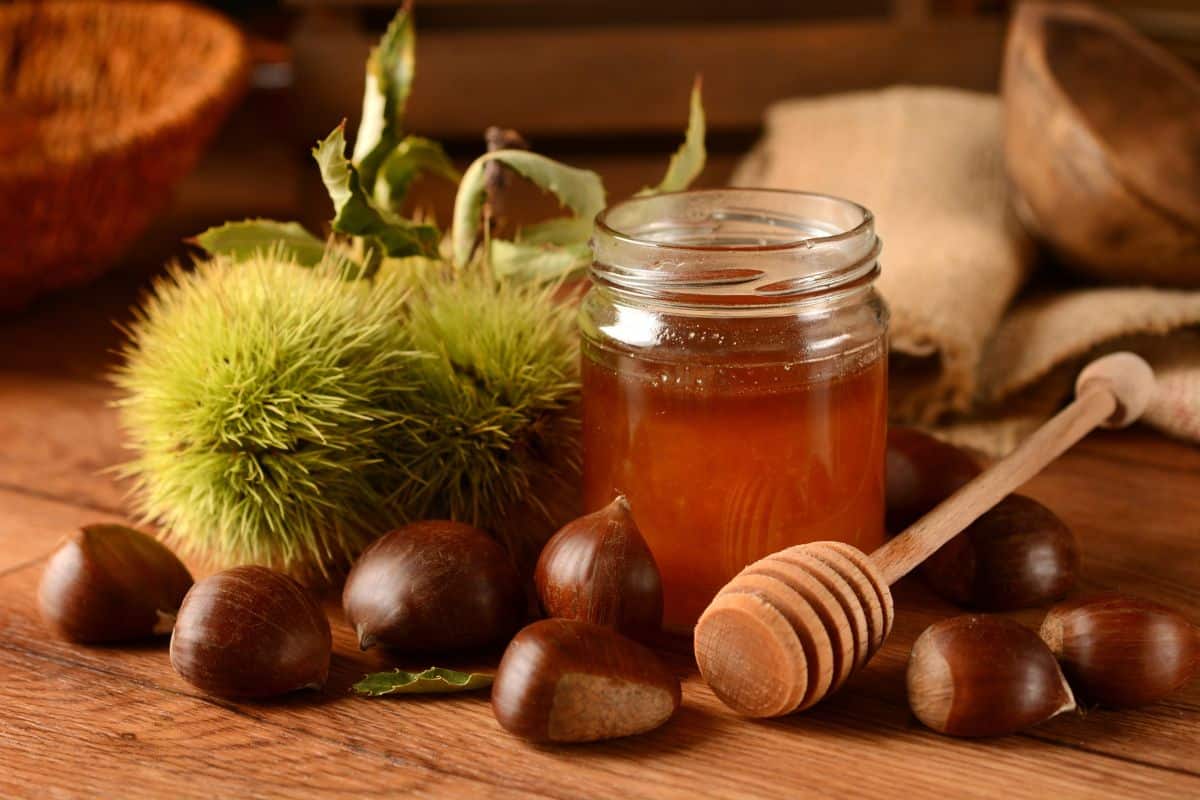
This honey is made from the nectar of chestnut tree flowers. Chestnut trees are grown in both the USA and Europe but are problematic trees. Once widespread in the USA, chestnut trees suffered a devastating blight in the early 1900s and never fully recovered. This honey has a strong and slightly bitter smoky taste that can have hints of a burnt sugar taste. It is typically dark amber to dark brown. Due to its flavor, it is often used in savory recipes and charcuterie boards.
Citrus Honey
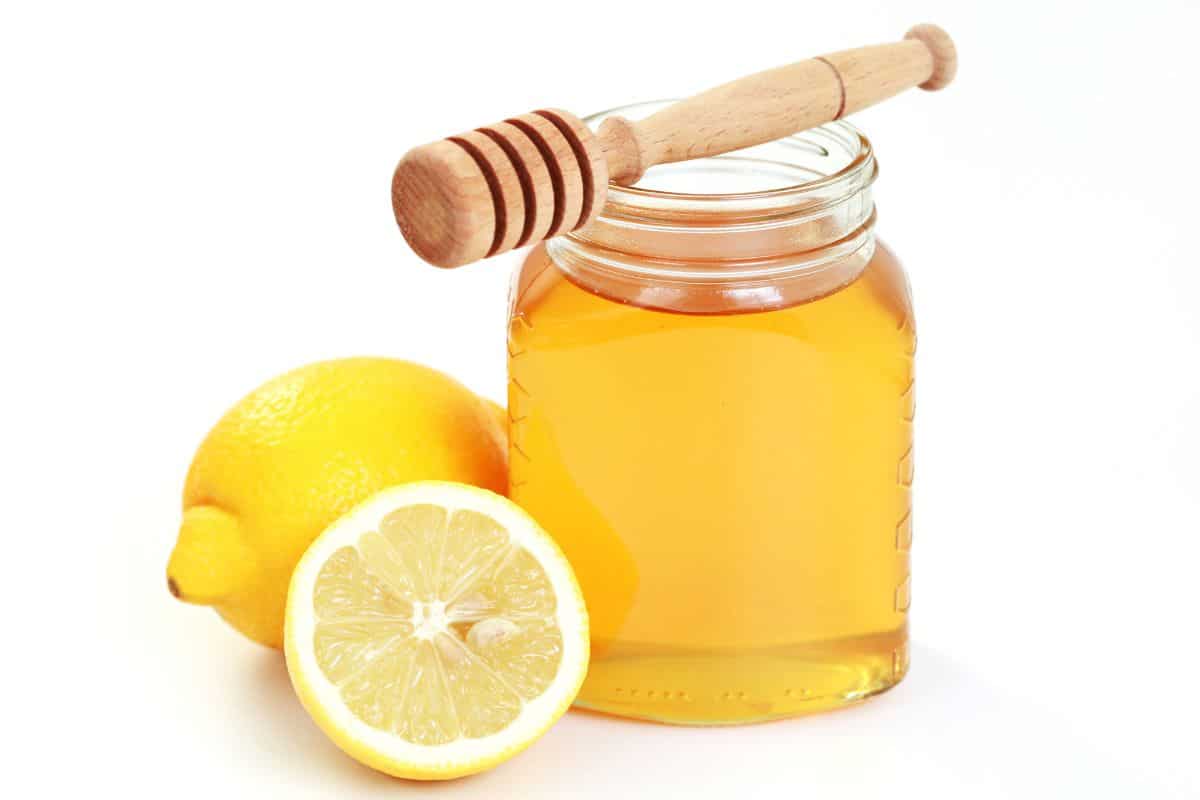
Unlike chestnut honey, citrus honey is made from the nectar of an abundance of trees growing in Florida and California. The nectar may come from orange, lemon, lime, or grapefruit trees. The specific type of orchard the bees are near has a big effect on the flavor of the honey. It generally has a citrusy taste and is light amber. Citrus honey is used in sweet and savory cooking and cocktails, tea, pancakes, or waffles. This is pretty much an all-purpose honey.
Clover Honey
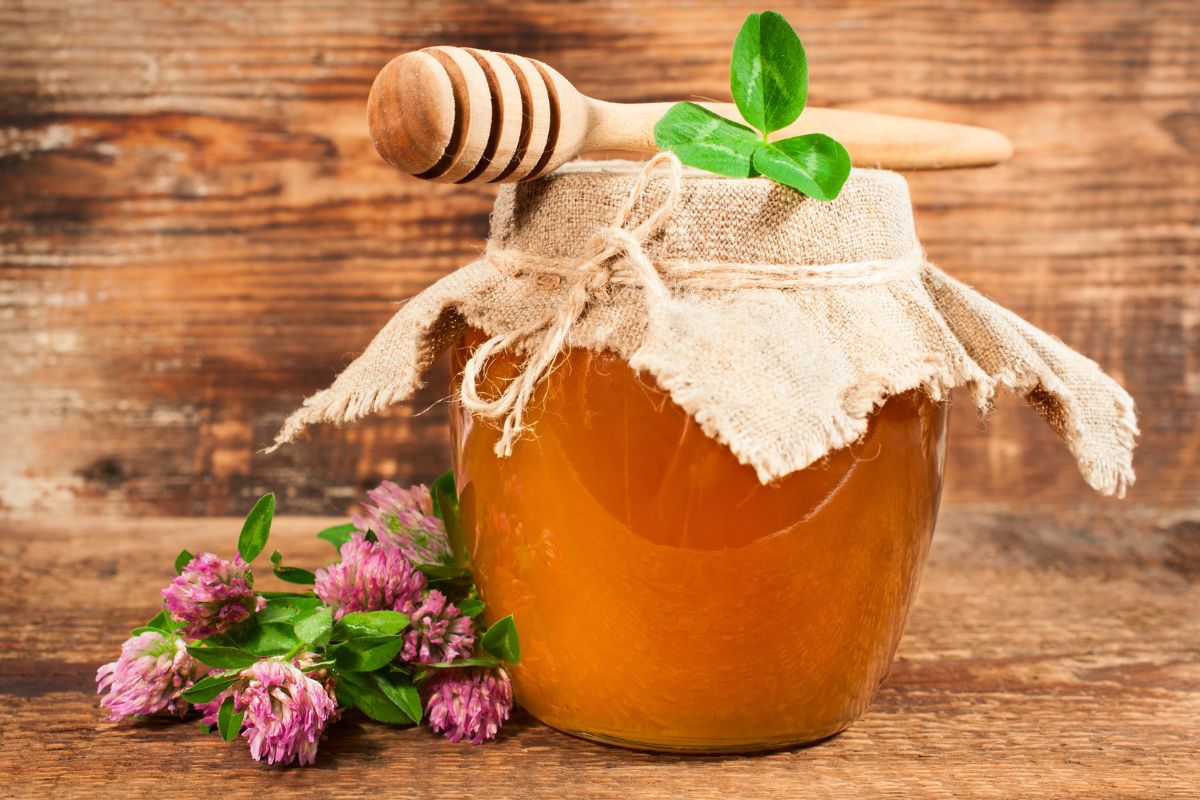
Clover honey is produced from the nectar of clover plants, particularly white and alsike clover. It is one of the most widely available and popular types of honey, and is produced in many regions worldwide, including the United States, Canada, and New Zealand. Clover honey has a sweet floral taste with a hint of cinnamon or vanilla to it and is usually light golden to pale yellow. It is used in pretty much any application other honeys are used in.
Eucalyptus Honey
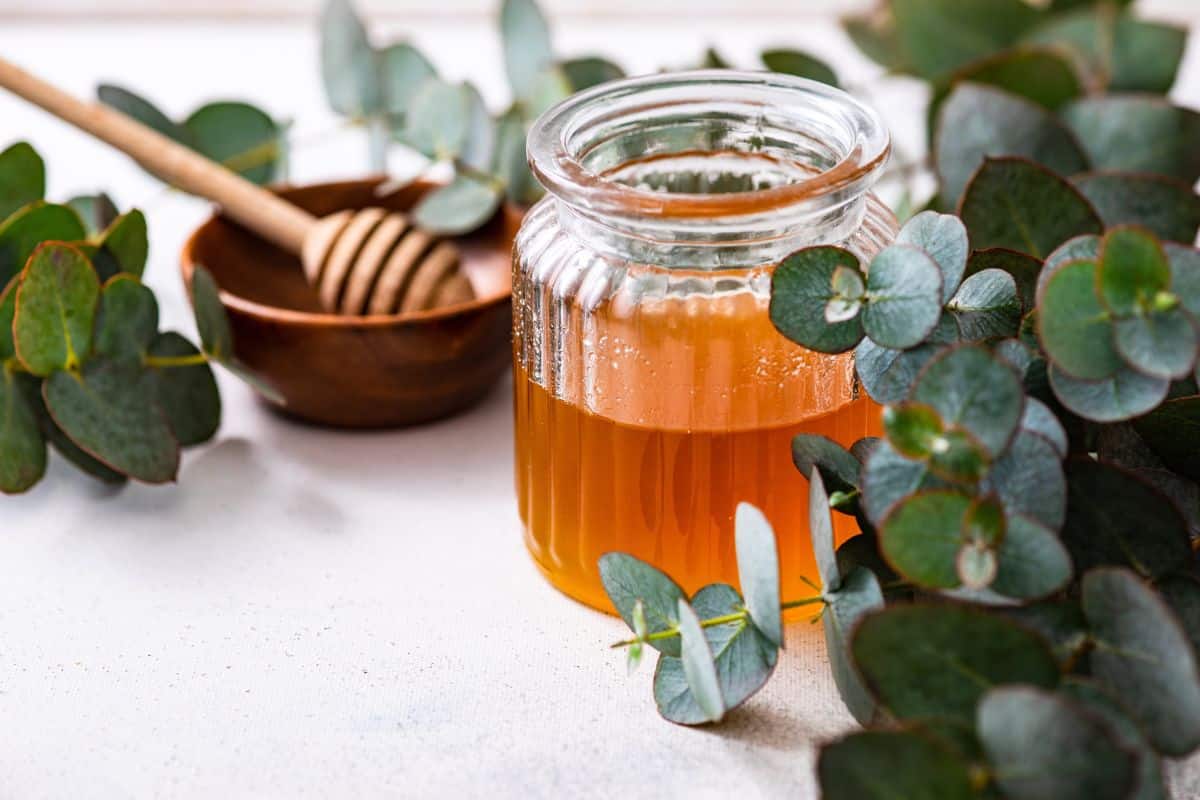
Eucalyptus honey is derived from the nectar of eucalyptus tree blossoms and is commonly produced in Australia, Spain, and parts of South America. It has a distinctive tangy herbal flavor and is only mildly sweet. The color of this honey can vary widely from light amber to dark amber, mainly depending on the type of Eucalyptus tree near the bees.
Fireweed Honey
Fireweed honey is derived from the nectar of the fireweed plant, which is common in North America, Europe, and parts of Asia. It has a mild floral flavor and is only moderately sweet as honey goes. It is usually pale to medium amber colored, but as with all honey, this just depends on the climate in which the bees live and the plants they draw from.
Heather Honey
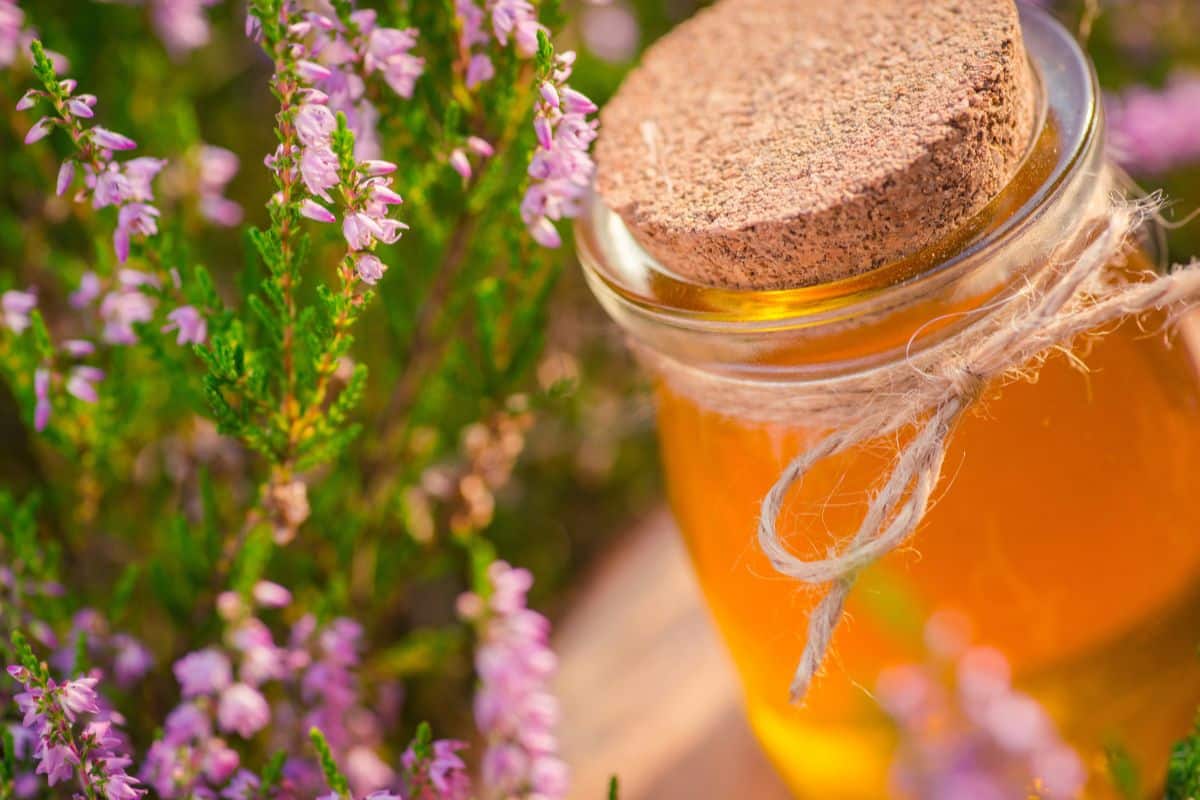
Most heather honey comes from one specific type of healthier, Calluna vulgaris (we just had to say that name). It is mostly grown in moorlands in Scotland, Ireland, and parts of Spain. This is a distinctly aromatic honey with an earthy and slightly bitter taste with a hint of smokiness. Of course, like all honey, this varies quite a bit depending on those pesky bees. Heather honey is often attributed to have antimicrobial properties and is sometimes used as a natural remedy for respiratory ailments. The Scots do want a premium for their honey, however.
Kamahi Honey
This honey comes from New Zealand where bees draw nectar from the blooms on kamahi trees. Kamahi is a mildly sweet honey with a buttery flavor. It is light to medium amber colored depending once again on the bees and their blooms. The Kiwis are said to favor it on their biscuits.
Lavender Honey
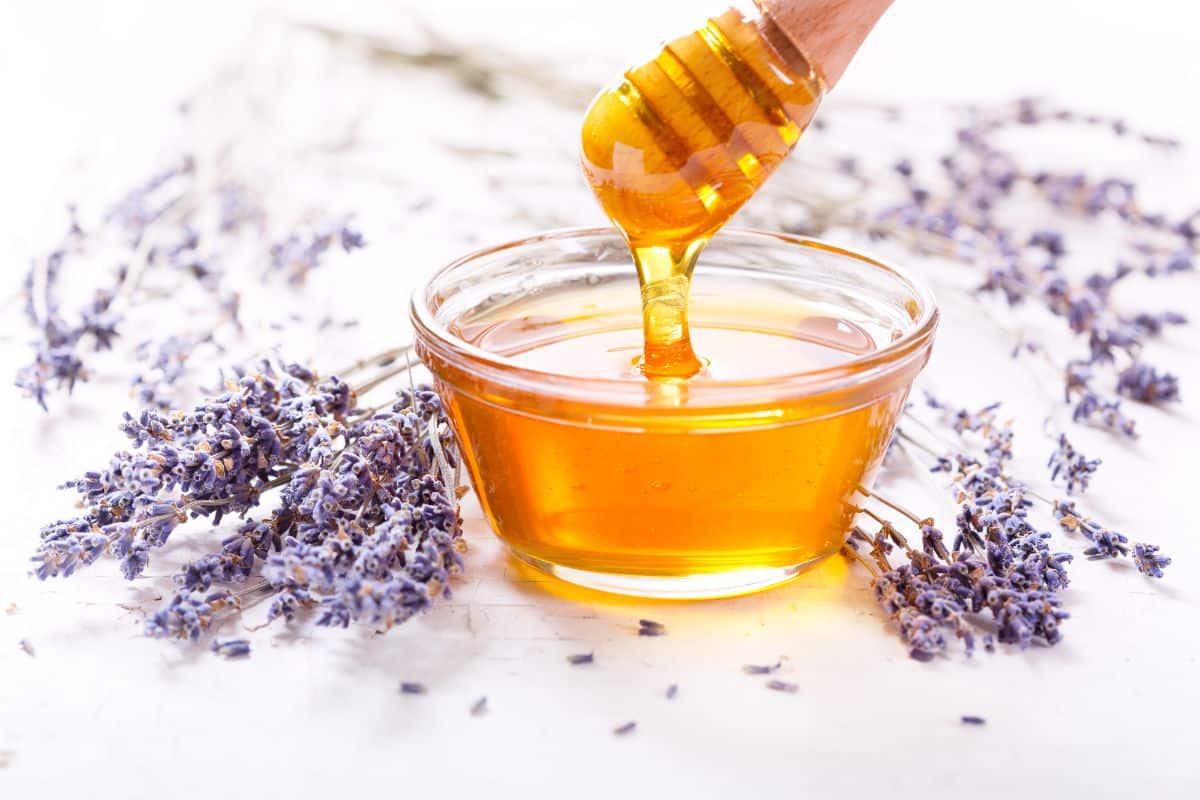
This honey obviously comes from bees drawing nectar from lavender; it is most common in France, Spain, and parts of the USA. It is usually moderately sweet with herbal hints and is light amber to pale gold colored. While it is used in most normal culinary uses for honey, it is also used in skin care products and is sometimes used in home remedies for its potential calming and soothing properties.
Manuka Honey
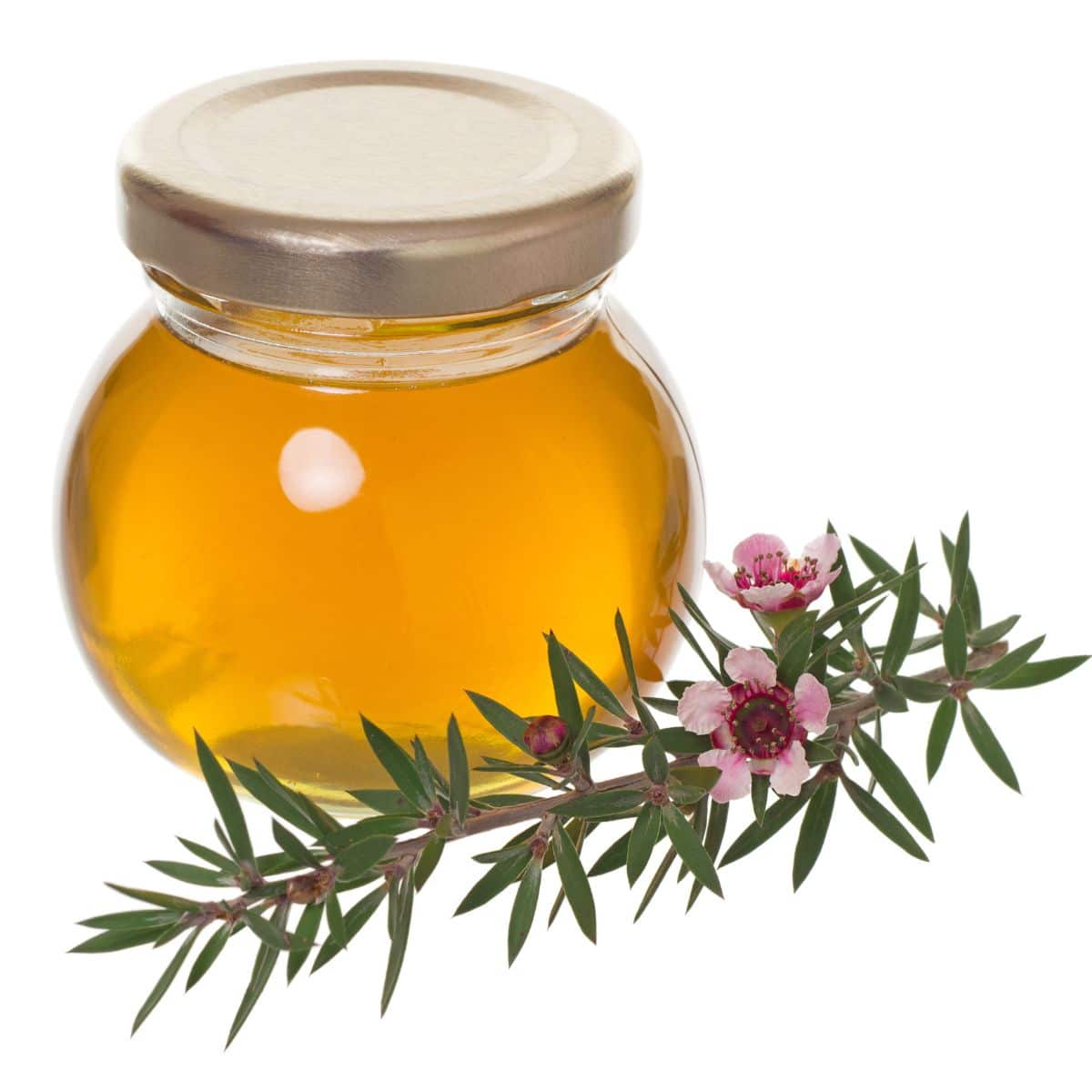
Manuka honey is another product of New Zealand, but also parts of Australia. It comes from the nectar of the flowers of the Manuka tree native to these nations. It is moderately sweet and said to have a slightly bitter aftertaste. While good as table honey spread on bread and biscuits, it is also used in local traditional remedies, skincare products, and wound dressings due to its antimicrobial qualities.
Orange Blossom Honey
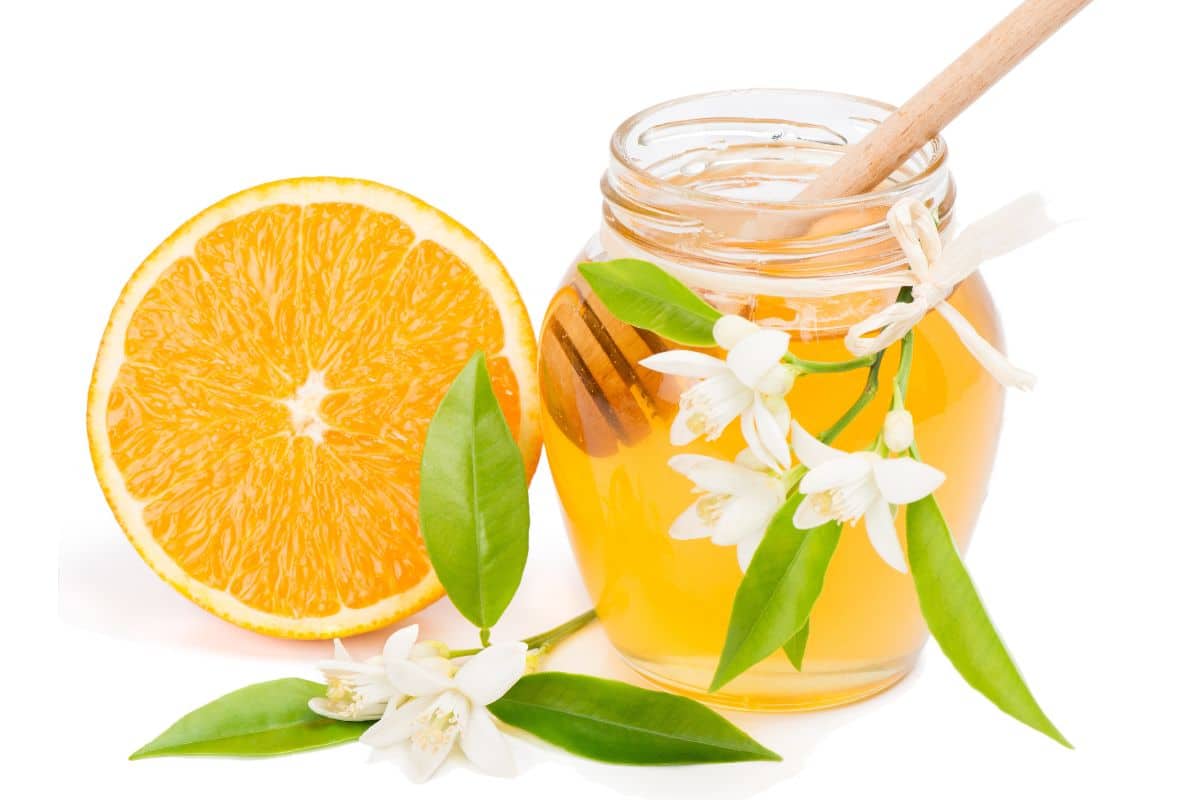
Similar to citrus honey, the orange blossom is obviously specific to bees gathering the honey in orange groves. It is common in California and Florida, as both are huge citrus-growing states. It has a light fruity taste with a hint of orange zest. It is light gold to amber and largely used as a table honey, though it pairs nicely with cheese and fruit.
Pine Honey
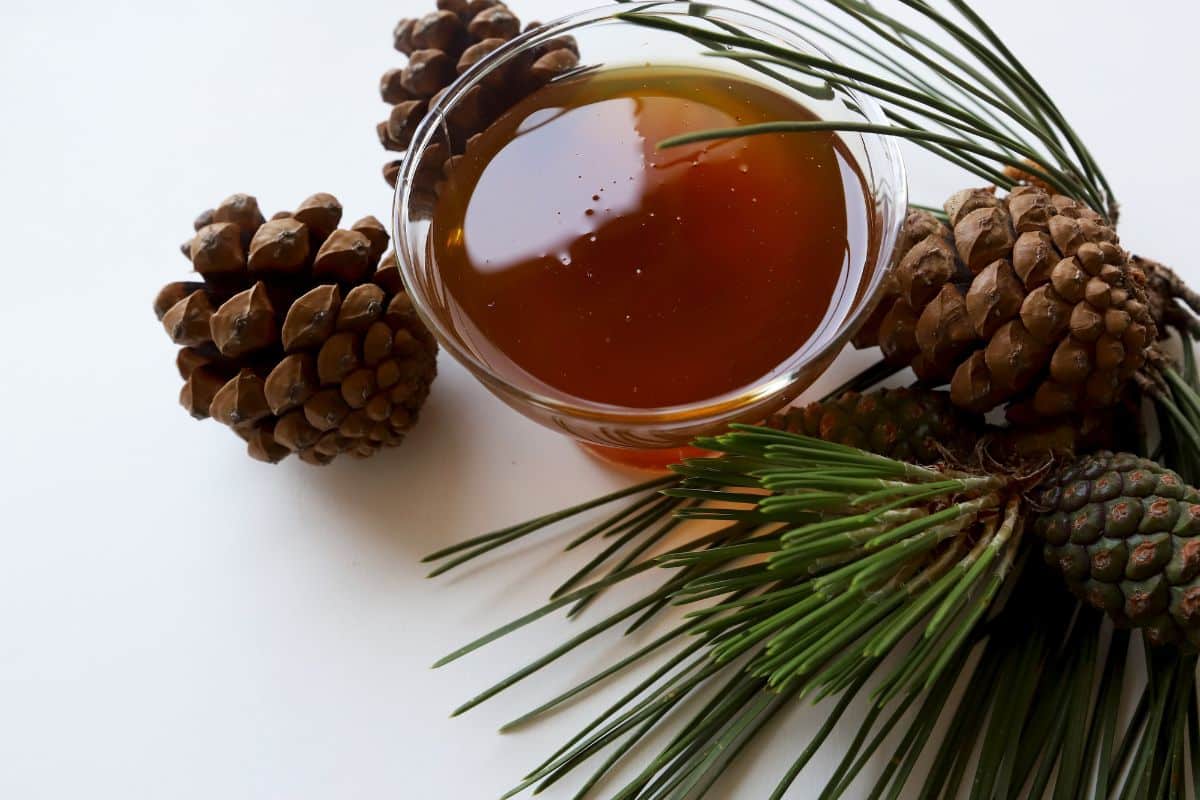
Also known as forest honey, it is produced from bees collecting from the sap of pine trees. It is not all that common in the USA, but probably more so in Greece and Turkey. Pine honey typically has a dark amber to dark brown color, similar to molasses, but the color varies depending on what kind of pines the bees have access to. Its interesting flavor lends itself to glazes, baked goods, and beverages.
Raspberry Honey
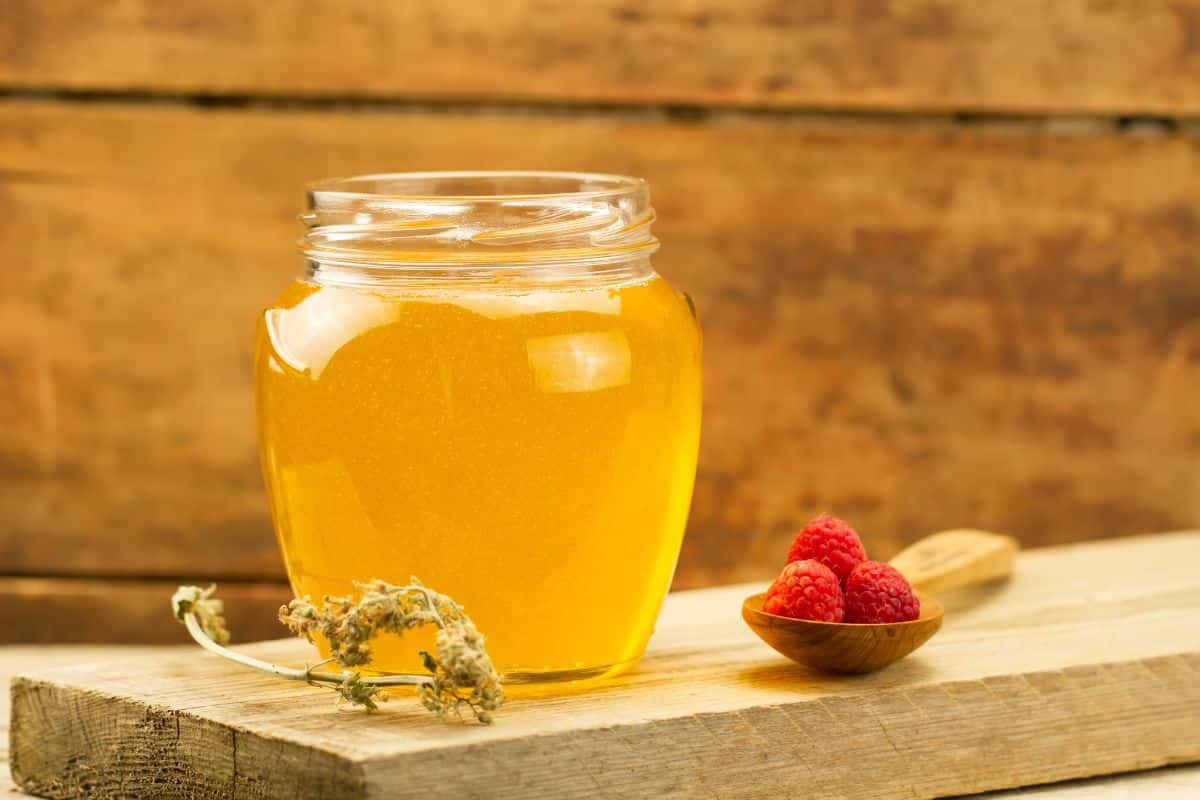
Raspberry honey is made by bees that gather nectar from raspberry flowers. Raspberry honey can be found in Europe, Asia, and North America, as all grow a lot of raspberries of a number of varieties. It has a fruity flavor with hints of raspberry. The honey varies from light to medium amber, and can sometimes have a reddish tint. Its fruity flavor makes it a good honey to use in desserts, such as drizzling over cakes, pancakes, waffles, or ice cream.
Rhododendron Honey
Made from honey whose nectar came from rhododendrons, this is an uncommon form of honey just because there aren’t a lot of rhododendron forests out there. Seriously, the bees access these at farms growing the plants to supply nurseries. This honey has a distinctive and strong flavor described as earthy and slightly bitter. It can range from light yellow to dark amber, but this color doesn’t match the flower color of the rhododendrons.
Rosemary Honey
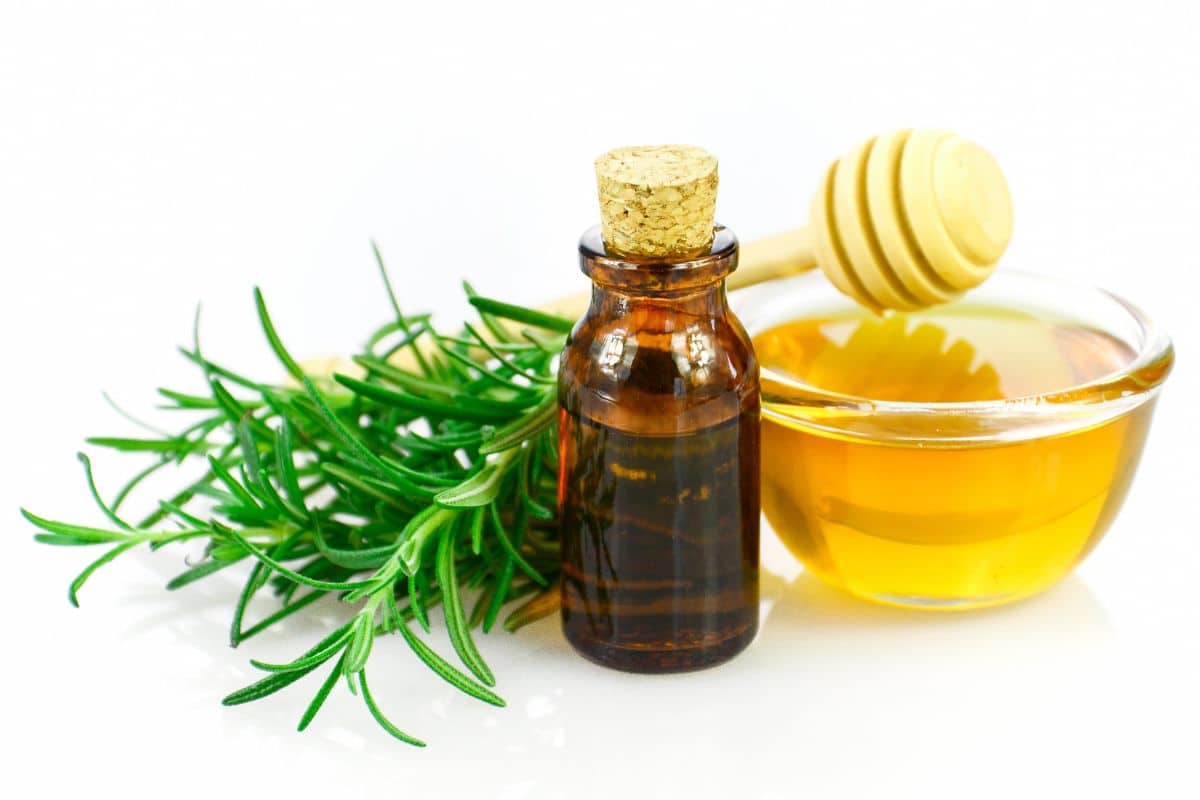
Rosemary honey is produced by honeybees that gather nectar from the flowers of the rosemary plant. The bees produce aromatic honey with a sweet herbal taste that varies with the variety of rosemary and other plants in the area from which they gather nectar.
Sage Honey
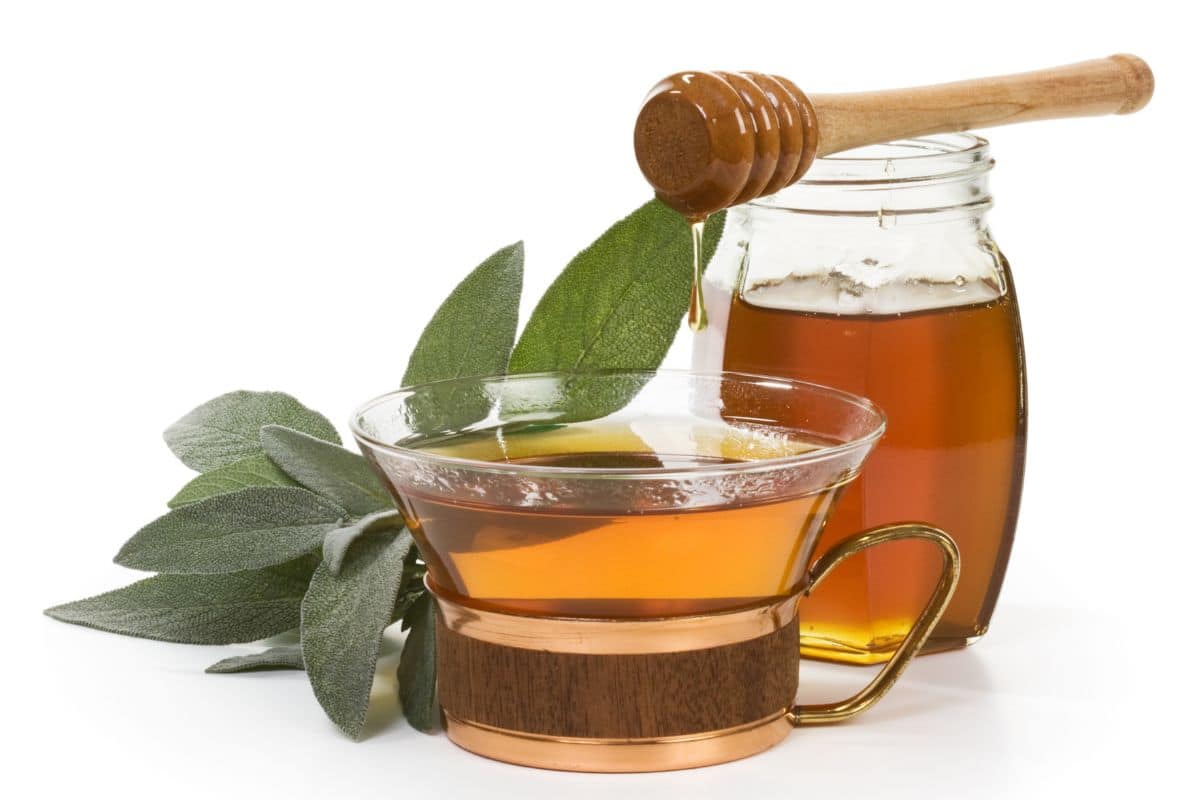
Sage honey is mostly found in the western USA with most production coming from California, Oregon, and Washington. I don’t think we need to say yet again that this honey comes from the nectar of the plant it is named for, but it does come from several different varieties of sage to include black, white, and purple. It is an herbal-tasting honey that is moderately sweet and ranges in color from light to amber to a darker gold.
Sakura Honey
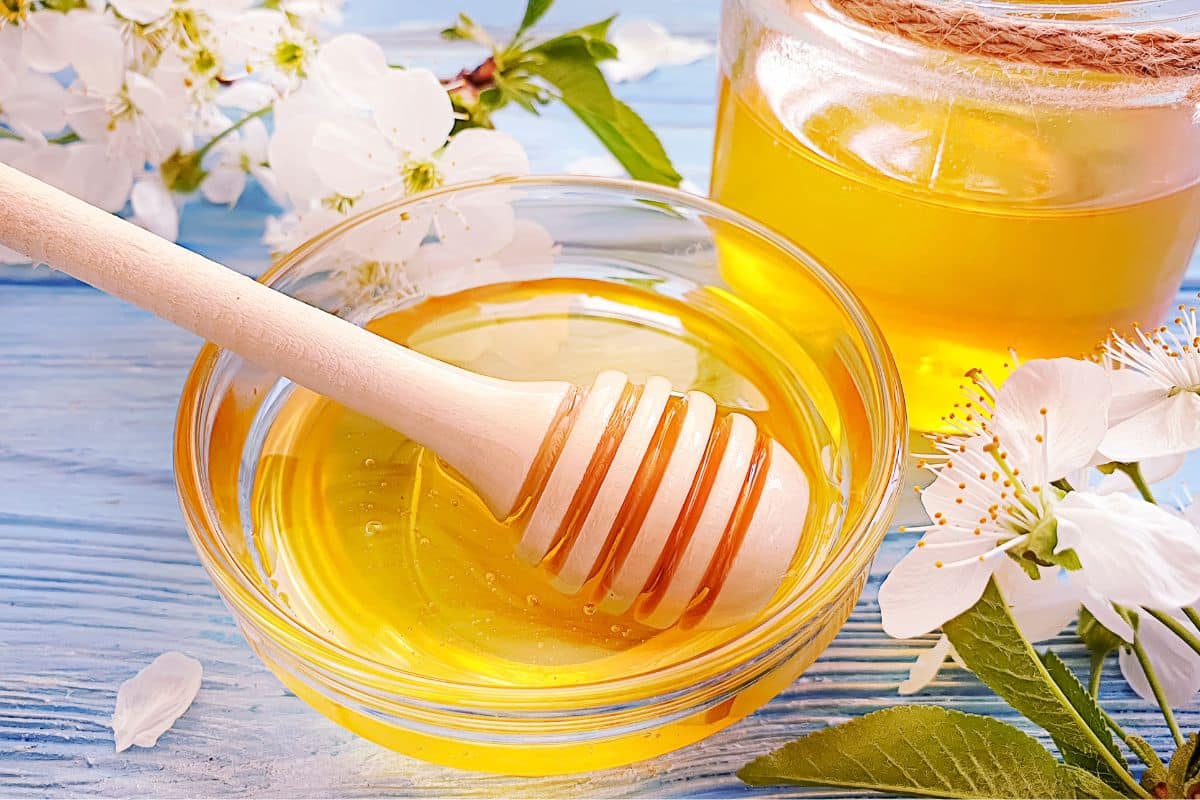
Sakura honey is a distinctively Japanese honey made from the nectar of cherry blossom flowers. This makes it as revered in Japanese culture as the cherry blossoms are. It is a moderately sweet honey and is also mildly fragrant. It is light to pale colored, almost as if there is a hint of the pink hue of the cherry blossoms it came from. You can pretty much use this as an all-purpose honey.
Sidr Honey
Sidr honey is primarily produced in Yemen, mostly from the nectar of Sidr trees. Now I have to look at a map as I thought Yemen was just a big desert. This dark amber honey has a distinctly strong caramel-like flavor that has a slightly bitter aftertaste. It is used locally in traditional remedies as well as in tea and baked goods.
Sourwood Honey
This honey is made mostly in Georgia, Tennessee, and North Carolina from the nectar of sourwood trees. It has hints of caramel and anise, and can range from light to dark amber. It can be used as a table honey, or in pretty much any other typical honey use.
Sunflower Honey
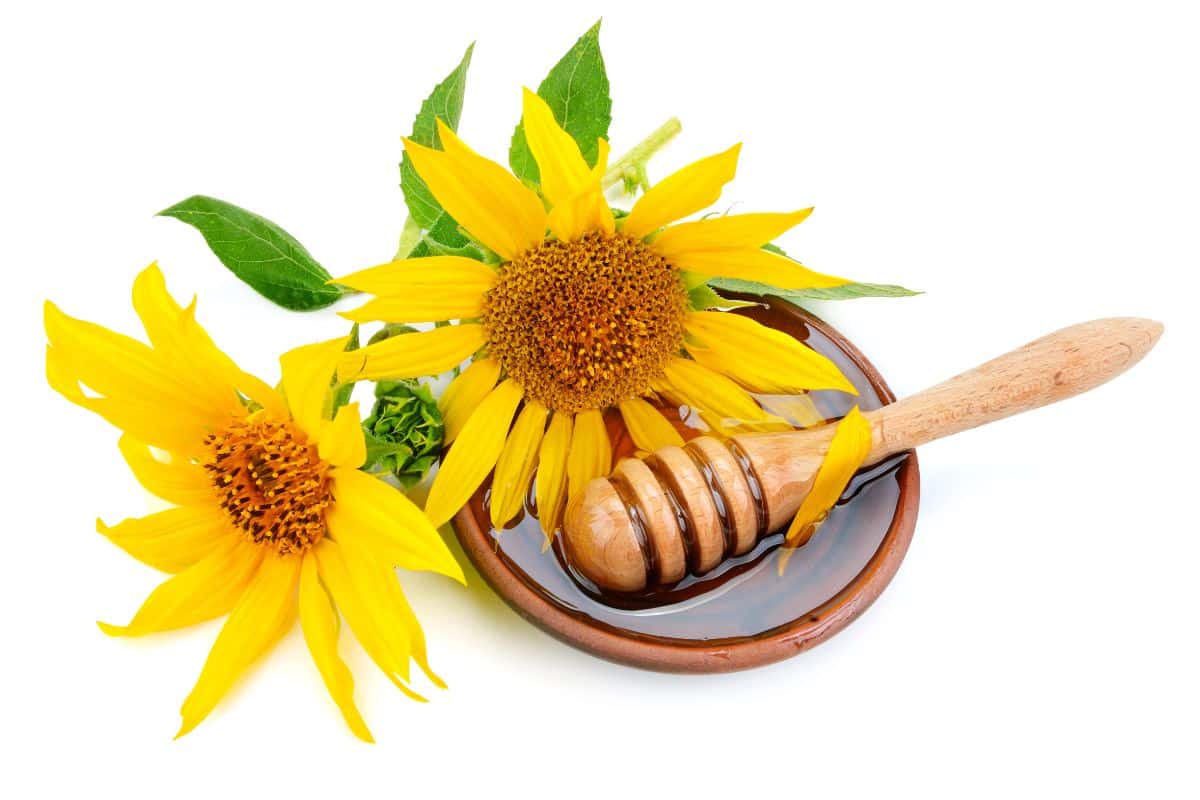
Sunflower honey is made around the world as sunflowers are pretty much a worldwide plant. It has a mild floral flavor that most people think is very pleasant. It is usually light to medium amber-colored and, like so many other honey, can be used interchangeably with other varieties.
Thyme Honey
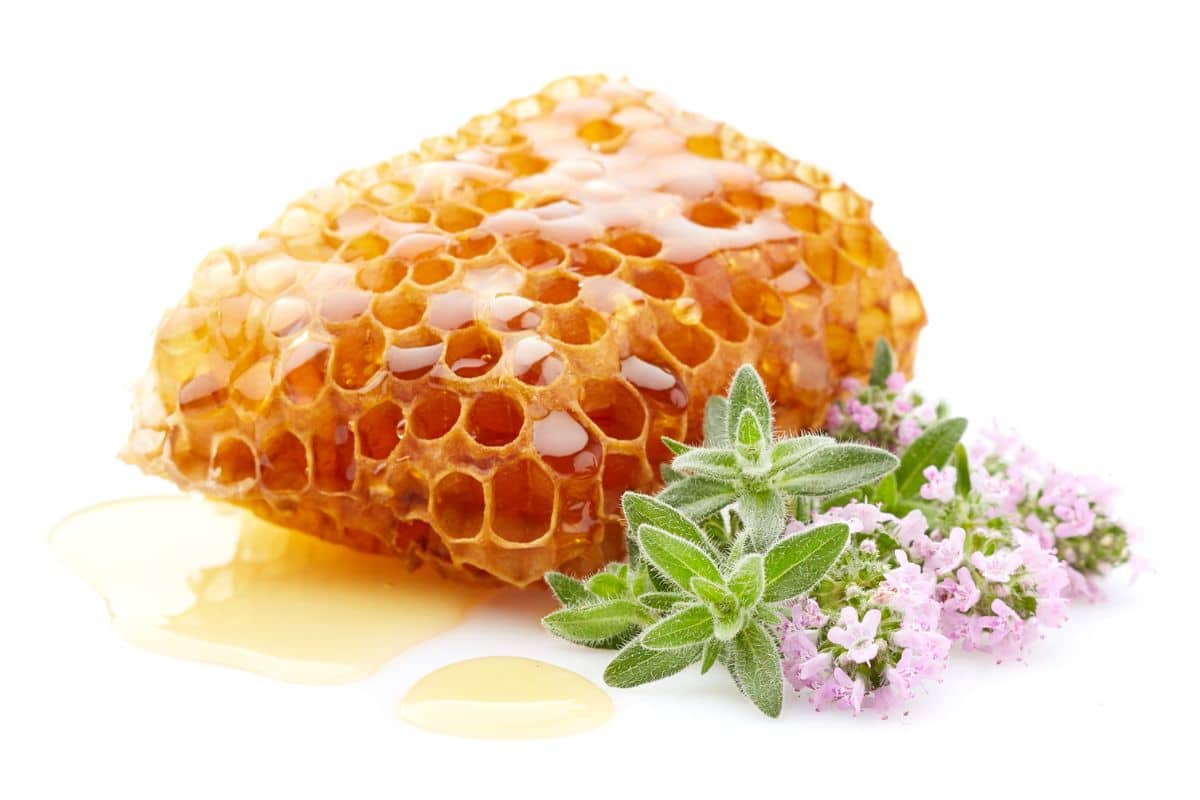
Thyme honey is mostly grown in the Mediterranean Sea region, in nations like Greece, Italy, and Spain. This is a big thyme growing region obviously. It has a unique taste that some people describe as minty or woody, but it varies with the variety and growing conditions of the thyme. It is mostly light to medium amber-colored but can have reddish hues. This honey is often used in tea, desserts, and marinades. Some attribute extra health benefits to include antibacterial and antioxidant properties. You can usually find it online with organic food sellers and health food sites.
Tupelo Honey
Tupelo honey is primarily produced in the southeastern United States, particularly in the swamplands and river valleys of Georgia, Florida, and parts of Alabama. It comes from the nectar of the white or black tupelo trees. It has a mild sweetness with a buttery, fruity flavor. It has a pretty light golden color and has the advantage of remaining liquid longer than most honey due to its lower glucose content, which makes it resistant to crystallization. This is a great option for people who don’t use honey very often.
Wildflower Honey
Wildflower honey can come from a wide array of different wildflowers and dandelions. This makes the color and flavor of the honey quite variable. Generally, you can count on it to be quite sweet with a floral aroma. Similarly, the color may range from light to dark amber. You can use this variety as you would any other honey.
Yucatan Honey
Yucatan honey comes from the Yucatan Peninsula in Mexico and is not the product of one particular type of nectar. It is a distinctly sweet honey with a bit of tanginess. It is usually medium to dark amber-colored, and if you are going to make homemade sopapillas, you ought to put the regional honey on them.
Zambezi Gold Honey
Our final honey entry may be the most unique. It is made along the Zambezi River in Africa, which runs through Zambia, Angola, Namibia, Botswana, Zimbabwe, and Mozambique. Confession time, I had to look all that up, but I do know that this is a golden honey with an exquisite, pleasant taste. The flavor does tend to vary depending on where along the river it is made.
Processed Honey Vs Raw Honey
Almost all honey you buy commercially is processed honey meaning it has been pasteurized. In pasteurization the honey is raised to high temperatures to kill bacteria and yeast. This helps improve its shelf life and consistency. Raw honey, on the other hand, is not pasteurized, maintaining its natural enzymes and other beneficial compounds.
Texture, Appearance, and Taste
Raw honey is often thicker and cloudier than processed honey which is more clear with a smooth texture due to filtration and the heating process. Both raw and processed honey can have a variety of distinct flavors based on their nectar source, but raw honey can sometimes have a more intense or robust taste due to the presence of enzymes and pollen.
Crystallization
Over time, honey tends to crystallize, forming solid sugar crystals. Raw honey, however, is more prone to crystallization. Crystallization doesn’t affect the quality or safety of the honey and can be reversed by slowly heating the honey.
Nutritional Difference
Raw honey generally retains more of its natural nutrients compared to processed honey. The pasteurization process can destroy some of the enzymes, antioxidants, and other heat-sensitive nutrients in honey. So, raw honey may have a slightly higher nutritional content, and some people believe it has increased medicinal properties. This wraps up our look at different types of honey. We hope you found this helpful, and as always, happy cooking from your friends at Live Eat Learn.