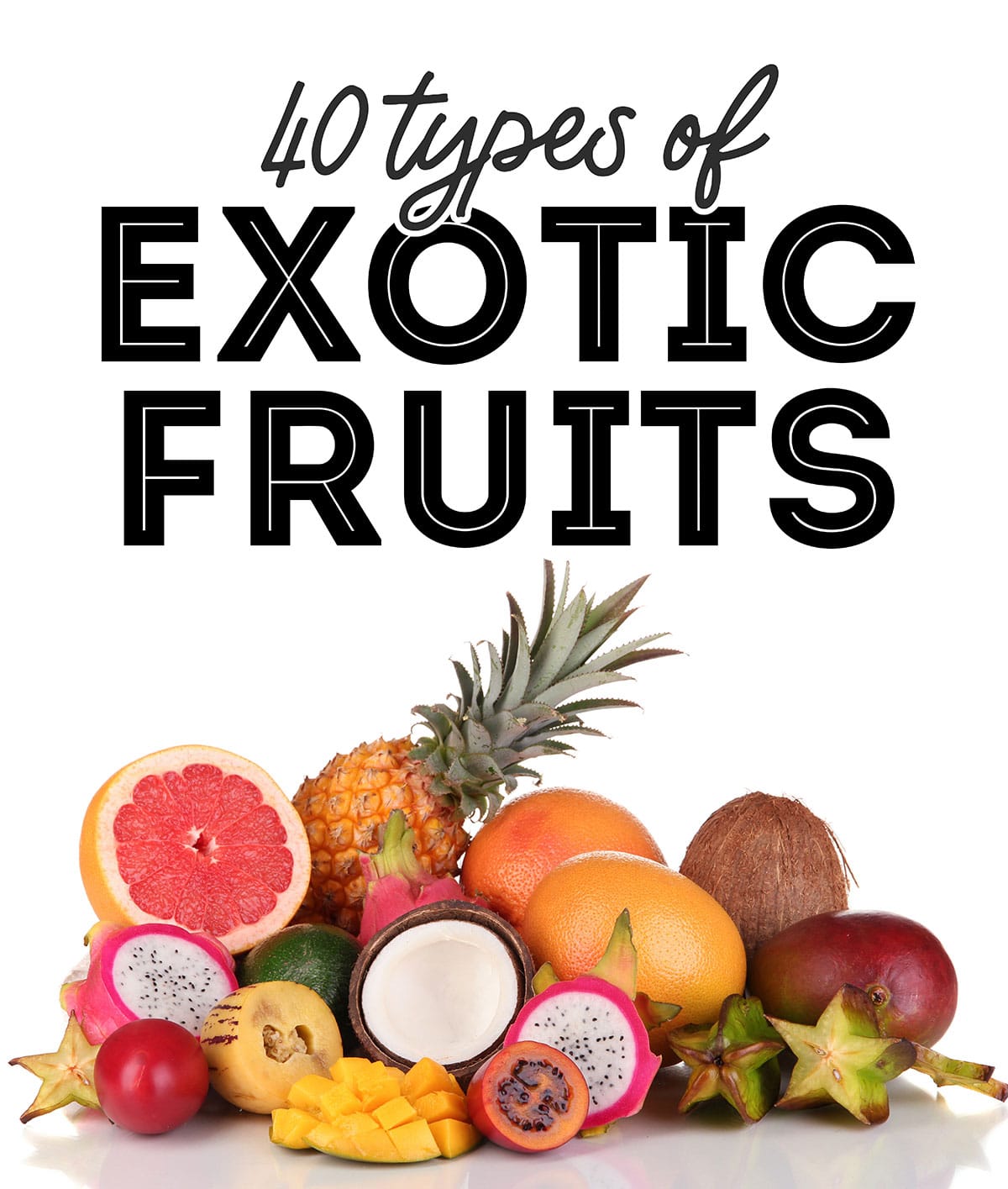
Exotic fruits are becoming increasingly popular around the world as people are interested in new and exciting flavors to add to their diets. These fruits not only taste great but many also often have stunning or unusual appearances and can make unique presentations in your fruit salad, fruit trays, or desserts. They are a captivating category of fruits that hail from different regions around the world, often characterized by their unique flavors, vibrant colors, and distinctive appearances. These fruits are not commonly found in local grocery stores and may require a bit of exploration to discover. With their intriguing tastes and textures, exotic fruits offer a delightful departure from the familiar, inviting us to indulge in the excitement of new culinary experiences. From tropical delights to rare varieties, exploring exotic fruits introduces us to a world of flavors and textures that add a touch of adventure to our palates.
Types Of Exotic Fruits
The term “exotic” refers to something that is foreign or unfamiliar, often associated with being from a distant or tropical region. When used to describe fruits, “exotic” signifies varieties that are not commonly grown or found in a particular region. These fruits may have distinct flavors, appearances, or growing requirements, adding an element of novelty and intrigue to the culinary experience. Exploring exotic fruits allows us to discover new tastes and expand our palate beyond the ordinary! Let’s take a look at some of the world’s favorite exotic fruits!
Acai
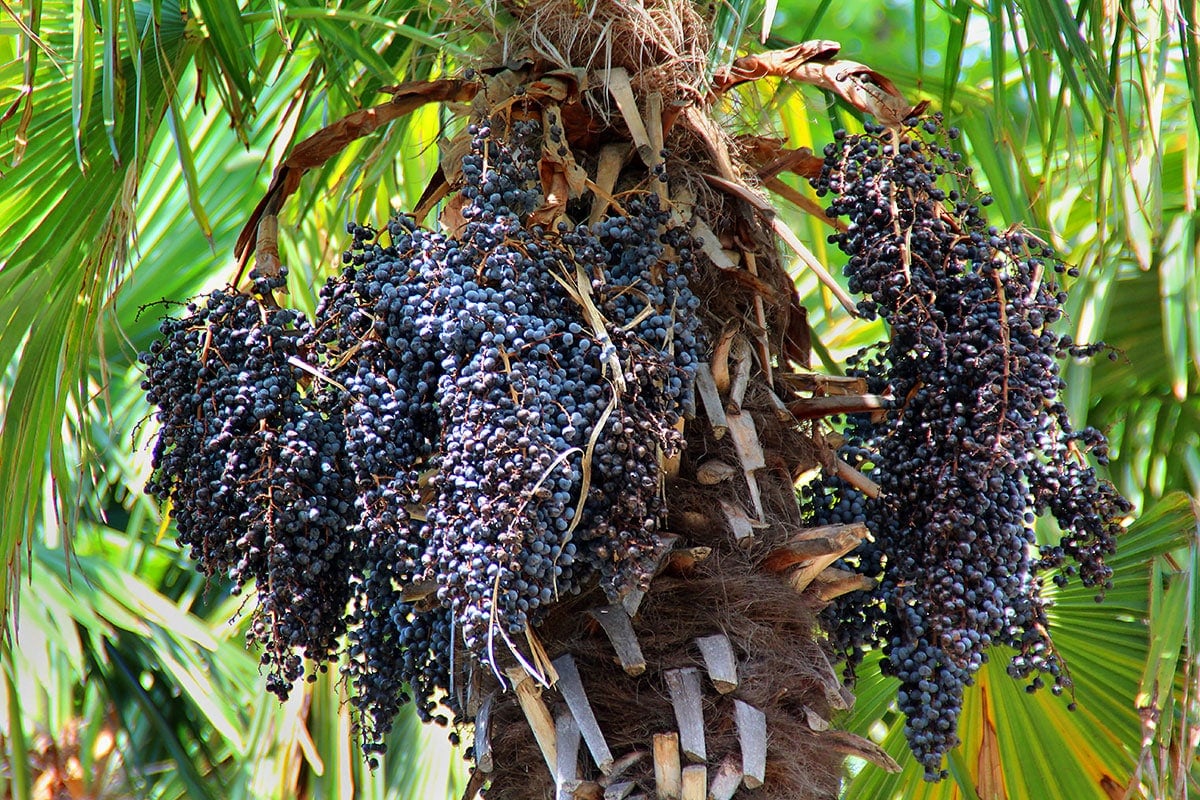
Acai berries are often eaten locally in juices and desserts. In Brazil, acai is traditionally served as a frozen pulp mixed with granola, bananas, and other fruits, creating a dish known as “acai na tigela” (acai in the bowl). The berries are also used to make jams, jellies, and supplements due to their high antioxidant content. If you can find them frozen, try them over ice cream or yogurt.
Ackee
The Ackee is a pear-shaped, red to yellow-skinned fruit native to West Africa, but which is today grown mostly in Jamaica, Haiti, and a few other Caribbean countries. It has a hard outer shell and a soft creamy pulp inside. The fruit is often used in Jamaican cuisine, where it is cooked and served with salted codfish. It is actually the national fruit of Jamaica. The Ackee splits open when fully mature to reveal three large, shiny black seeds surrounded by soft, creamy, and slightly tangy flesh. The seeds and the red membrane surrounding them are toxic if eaten unripe or even just improperly prepared, so it’s crucial to wait until the fruit has opened naturally and the flesh is fully ripe before eating. We just recommend that if you take a trip to Jamaica, let the locals prepare the fruit for you.
Barbados Cherry
This is a small cherry, also known as the Acerola Cherry, native to the nations of Central Americas. It’s known for its high vitamin C content and is often used to make juice and supplements. Like most cherries they are very high in vitamin C. For more in that regard check out nutritional benefits of cherries. Cherries are also one of the best options in popsicle recipes.
Breadfruit
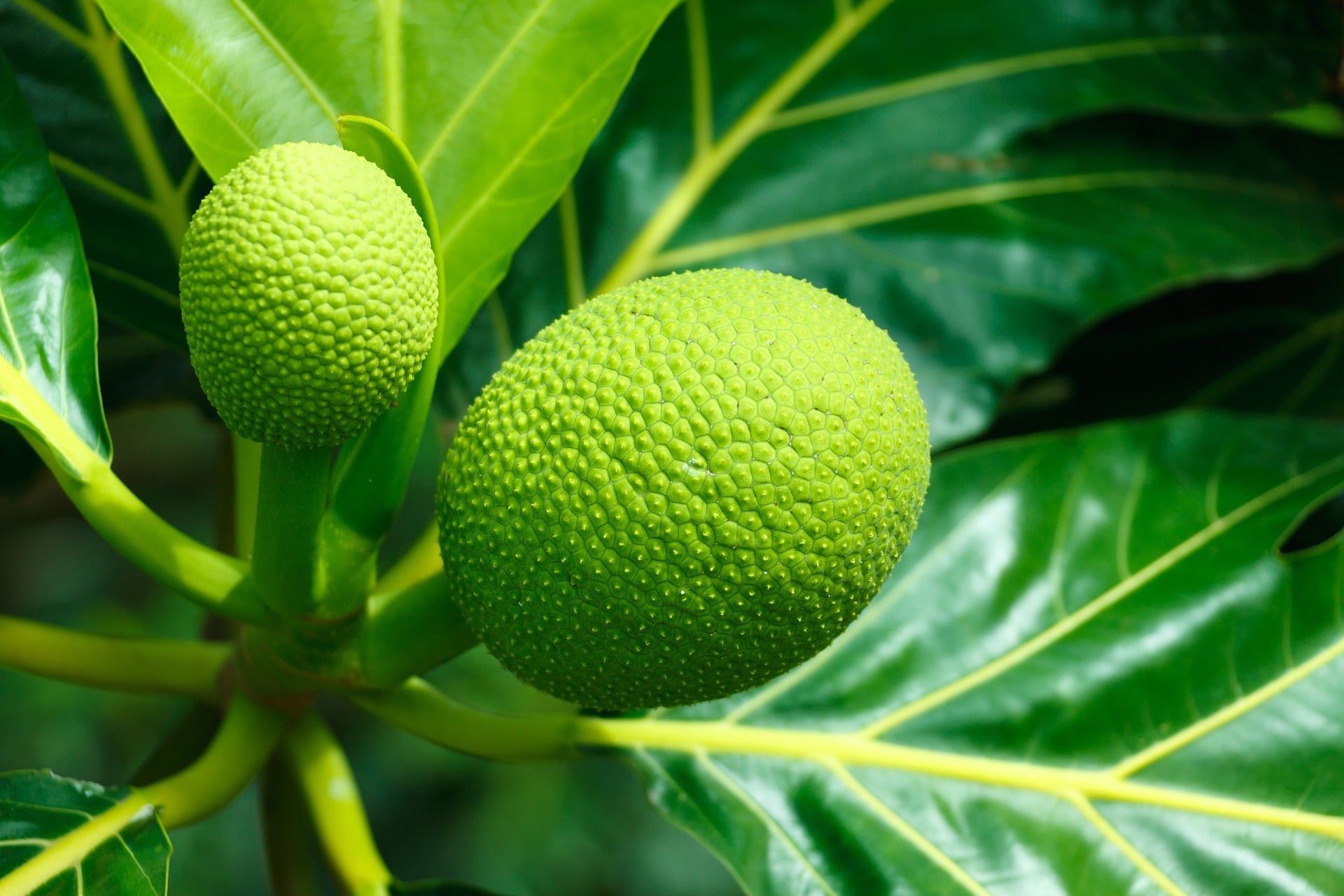
The breadfruit, also called the Ulu, is a large, starchy fruit that’s often used as a substitute for potatoes or rice. When cooked, it has a texture similar to bread, hence the name. The fruit is high in fiber and essential nutrients and is a popular food in many tropical regions. Breadfruit is a cousin to the jackfruit and is grown mostly in the Philippines where it is generally roasted or baked.
Buddha’s Hand
Buddha’s hand is a fragrant citrus fruit that is native to China and India. It has a fingBuddha’s hand is a fragrant citrus fruit native to China and India. It is, however, grown today in both Japan and California, so you might be able to get it at an international market or a West Coast farmer’s market. It has a finger-like shape and a bright yellow skin that resembles a hand. Buddha’s hand has a sweet, lemony aroma and is often used in cooking and baking as a flavoring agent. It isn’t generally eaten on its own as it is not juicy and doesn’t have a lot of pulp. It is the zest and rind you want.
Cempedak
The cempedak is related to the breadfruit and grows in lowland rainforests of Southeast Asia. Cempedak resembles both jackfruit and breadfruit in appearance. It is a large elongated fruit with a thick, spiky outer skin. The skin is green before ripening, and turns brown or yellow when ripe. The flesh is soft, sweet, and fragrant, with a distinct aroma similar to jackfruit but with a sweeter taste. Some people find the sweet yet unusual smell of this fruit to be bad or even disgusting. Cempedak is usually eaten fresh when ripe. You just cut it open and eat the bite-sized fruit nuggets. It can also be used for frying, grilling, or making desserts like fritters or cakes. The seeds of cempedak are also edible and can be roasted or boiled.
Cherimoya
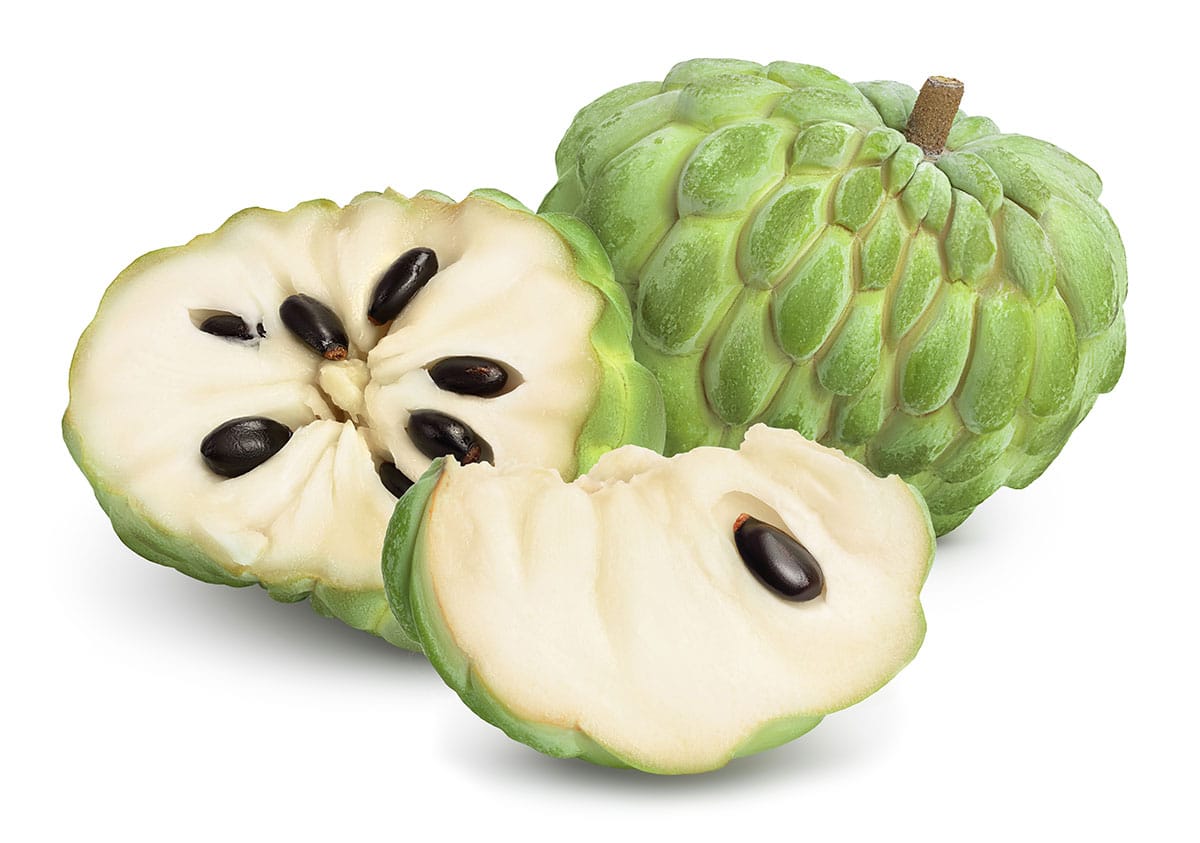
The cherimoya is native to the South American Andes mountain region and is commonly found in Peru, Ecuador, and Columbia. It is today also grown in California, Spain, New Zealand, and Israel. It is a green, scaly tropical fruit with a creamy white pulp. It is also known as the custard apple due to its sweet, creamy flesh that is often compared to a mix of banana, pineapple, and strawberry.
Dead Man’s Finger
The Dead Man’s Finger is native to China, India, and several bordering nations. This 3-5” blueish fruit is known for its sweet pulp and smooth skin, which gives it the feel of a cold dead finger. If we were writing an article on Weird Fruits, the dead man’s finger would be our star. Inside, the fruit contains a gelatinous pulp that surrounds large seeds. When ripe, the fruit has a slightly sweet and tangy flavor, often compared to a mix of cucumber and kiwi. To eat it, you simply cut the fruit open lengthwise and scoop out the gelatinous pulp with a spoon. It can also be used to make jam, preserves, and even alcoholic drinks.
Densuke Watermelon
The Densuke Watermelon is a rare type of watermelon that is grown in the HokThe Densuke Watermelon is a rare type of watermelon that is grown in the Hokkaido region of Japan, specifically in the town of Toma. These watermelons are known for their unique shape and texture, as well as their glossy black rind with no stripes or spots. This makes them immediately recognizable. The flesh is vibrant red and is said to be sweet and juicy. Most of us will never test this as only a limited number are grown each year. A single Densuke Watermelon can cost up to $6,000. That certainly puts them in the exotic fruit category for us.
Dragon Fruit
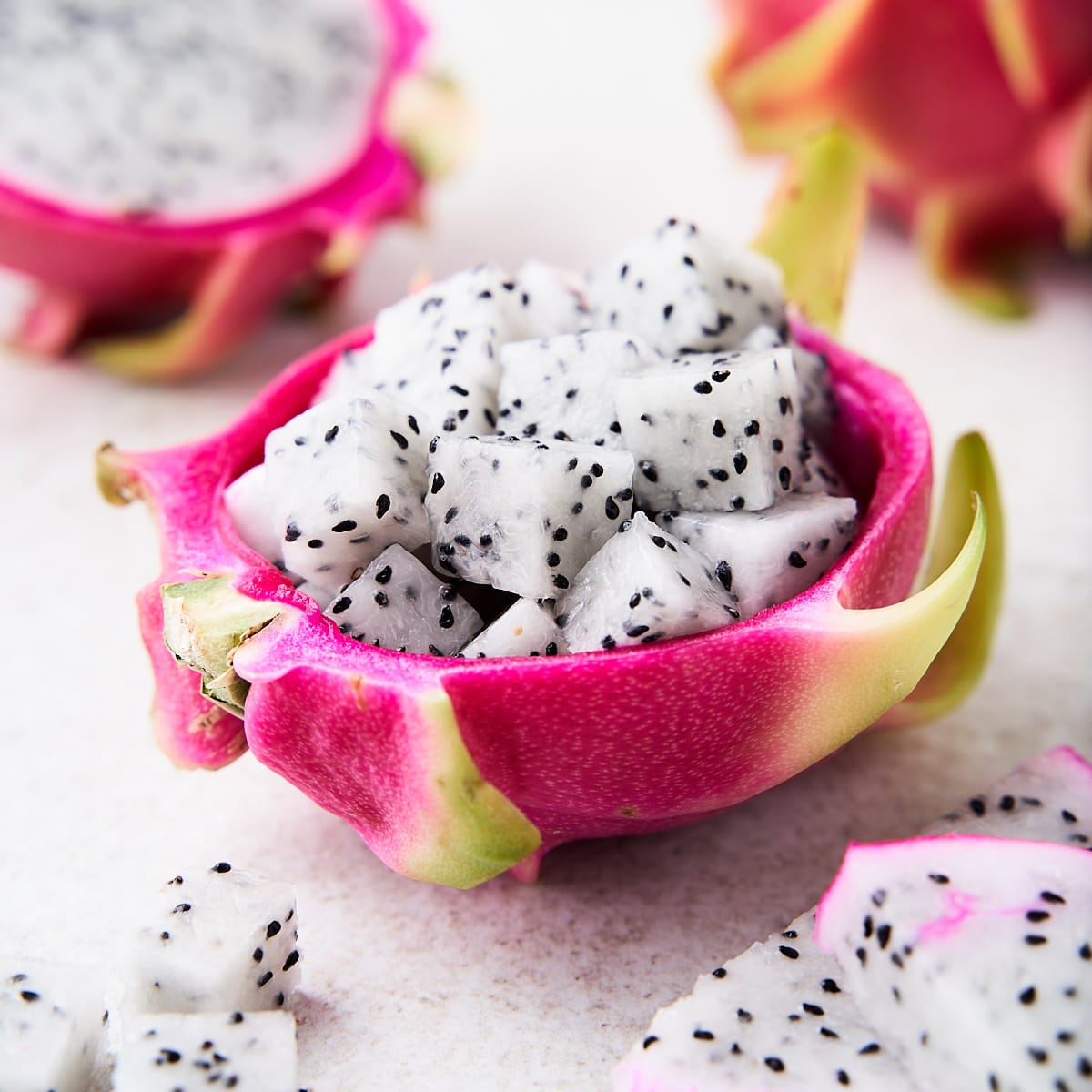
The dragon fruit ought to be at the top of any exotic fruit list. Also known as pitaya, It’s often used in fruit trays and bowls. Dragon fruit is a beautiful fruit with a bright pink and green exterior. The inside of the fruit is white with tiny black seeds though some dragon fruit varieties have a deep red flesh. It has a mild, sweet flavor and is a good source of fiber, vitamin C, and antioxidants. They are great on fruit trays for their eye-catching beauty. Their taste, however, is a bit disappointing. They have a mildly sweet taste that is almost bland. There are about 2 dozen different types of dragon fruit with names like Purple Haze, Red Jaina, Alice, Cosmic Charlie, and Voodoo Child. There is even a yellow variety of dragon fruit. Dragon fruits are generally available at most groceries, but they will likely only carry one variety. If you want to try others, check international markets. Dragon Fruits can make a wonderful culinary presentation, so we made this quick how to cut dragon fruit tutorial to help you get the most of your dragon fruit. For us the best variety of dragon fruit is the Vietnamese Jaina as it has the most classic appearance with a deep red skin and bright white flesh.
Durian
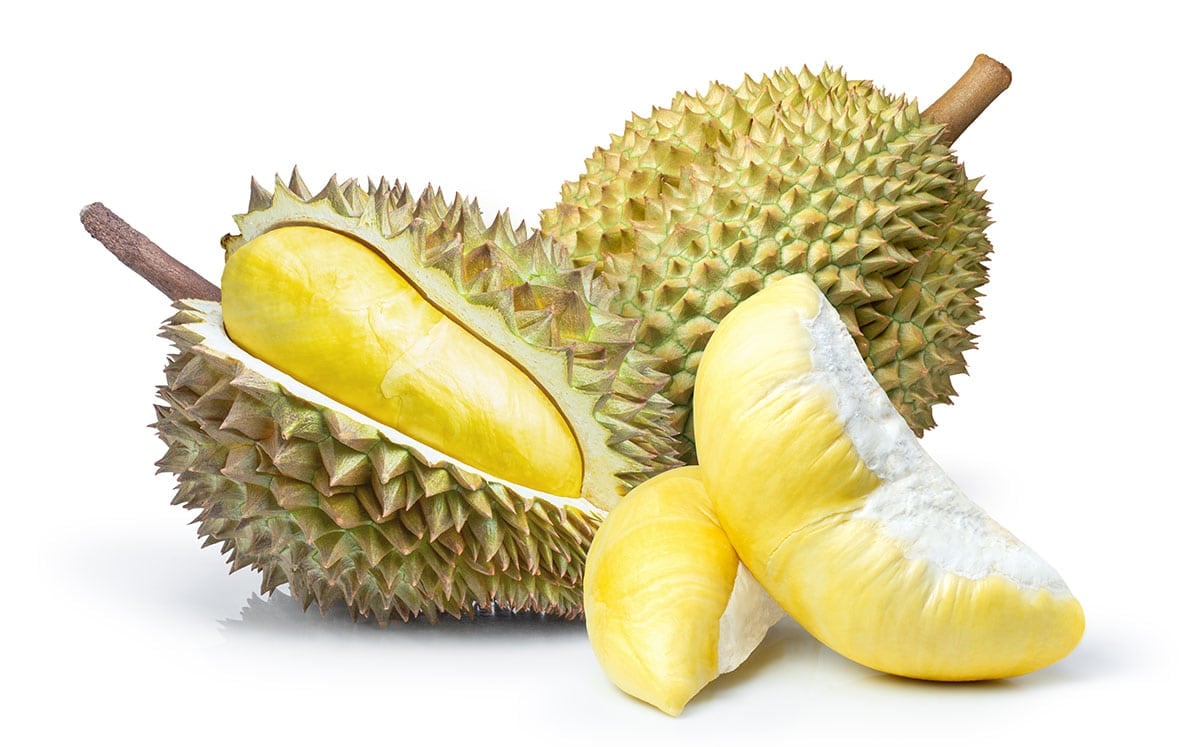
The durian is a large, spiky fruit with a strong odor that has been described as a mix of rotting vegetables and animal droppings. Well, that is a bit harsh, but they are generally banned from public transport in the Philippines and Malaysia, where they grow. Despite the smell, it’s a popular fruit in Southeast Asia and is often used in desserts. It is sometimes known as the “King of Fruits” due to its size and appearance. It’s covered in a thick, spiky husk. The flesh inside is creamy and custard-like, with a unique flavor that’s often described as a combination of sweet, savory, and as we said slightly pungent. Despite its strong smell, durian is popular due to its rich flavor and creamy texture. It’s usually eaten fresh, scooped directly from the husk. Some people also use durian in desserts, such as ice cream or cakes. Due to their similar appearances, the durian is sometimes confused with the jackfruit, so we wrote a whole separate article on durian vs jackfruit.
Feijoa
Also known as the pineapple guava, this fruit originated in South America, specifically Brazil, Uruguay, and Argentina. It is a small green egg-shaped fruit with a sweet and tangy pulp inside. The flavor is described as a combination of pineapple, guava, and mint with a slightly gritty texture thanks to its many tiny seeds. It’s often eaten raw, scooped from its skin, or used in desserts and jams.
Granadilla
The granadilla is also known as the Sugar Fruit because it tastes like a very sweet passionfruit. They are mostly cultivated in Central and South America, the West Indies, and Australia. You should be able to find them in the USA at specialty or international markets. While they may be pricey, there is so much you can do with a super-sweet passionfruit.
Guava
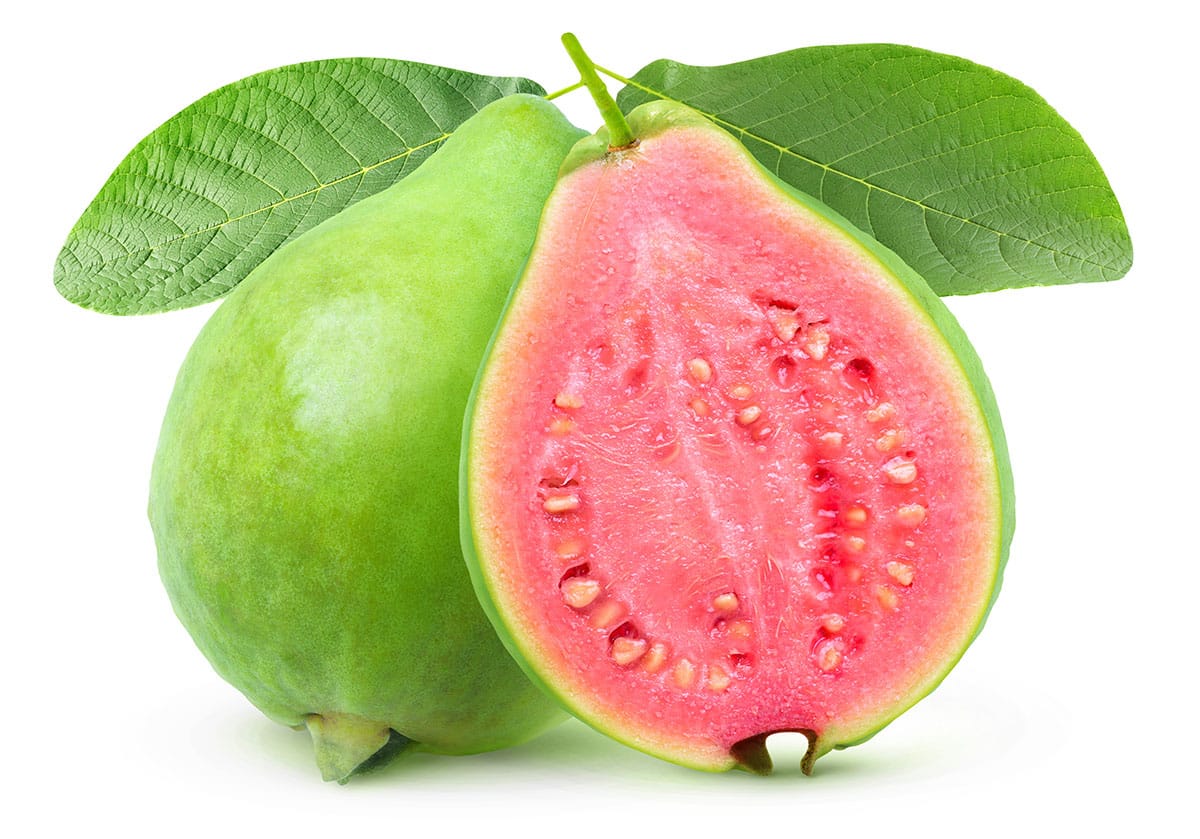
Okay, the guava is probably the least exotic fruit in this article as they are pretty common, but they are just too good to leave out. Guava is a round or pear-shaped fruit with a sweet, juicy flavor native to Central America and Mexico. It is a good source of vitamin C and antioxidants, but that isn’t its superpower. That would be making Hawaiian POG Juice. If you haven’t tried this Hawaiian-inspired delight, you really need to make up a batch.
Hala Fruit
The Hala is an exotic Asian fruit grown mostly in SE Asia, but also cultivated in Florida and Hawaii. It looks sort of like a big pineapple though its skin is even thicker than that of a pineapple. Its jelly-like pulp is sweet tasting something like a cross between mango and pineapple. It takes a little work to get to the pulp which can be eaten raw. Locally it is often used in drinks, jam, and desserts. It’s appearance makes it truly exotic.
Jackfruit
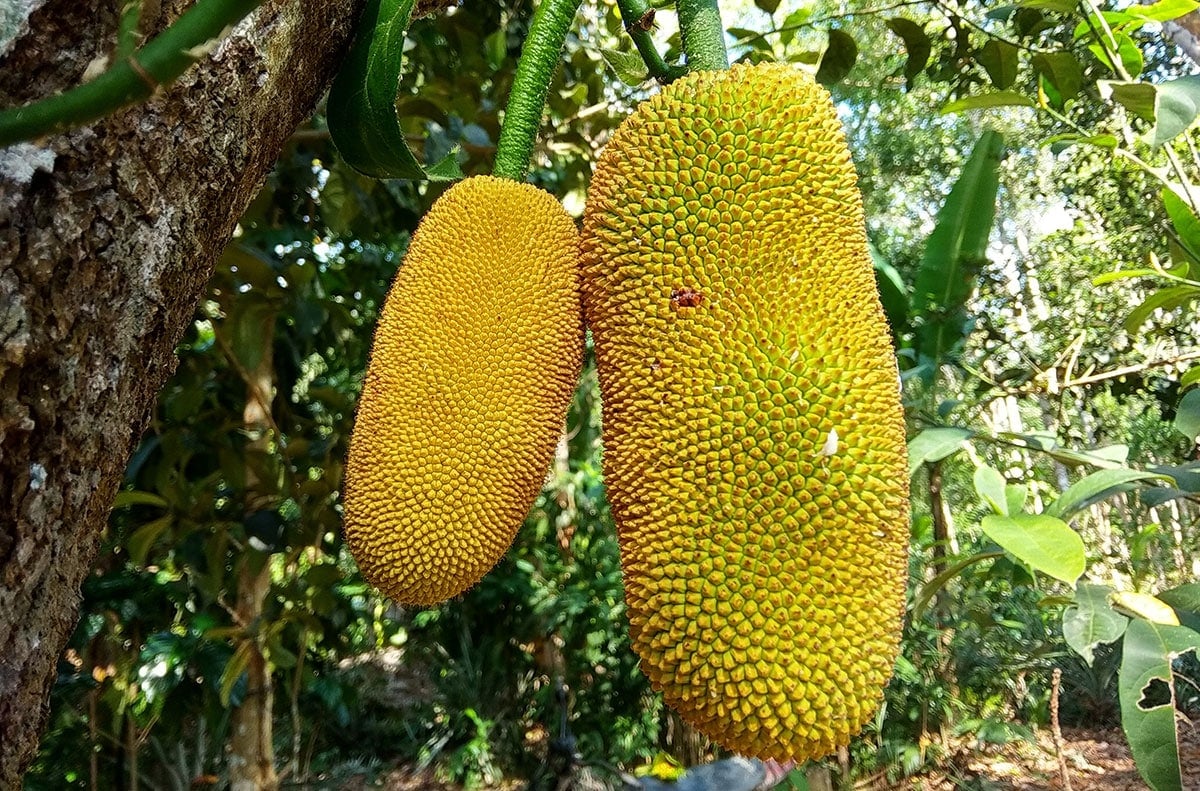
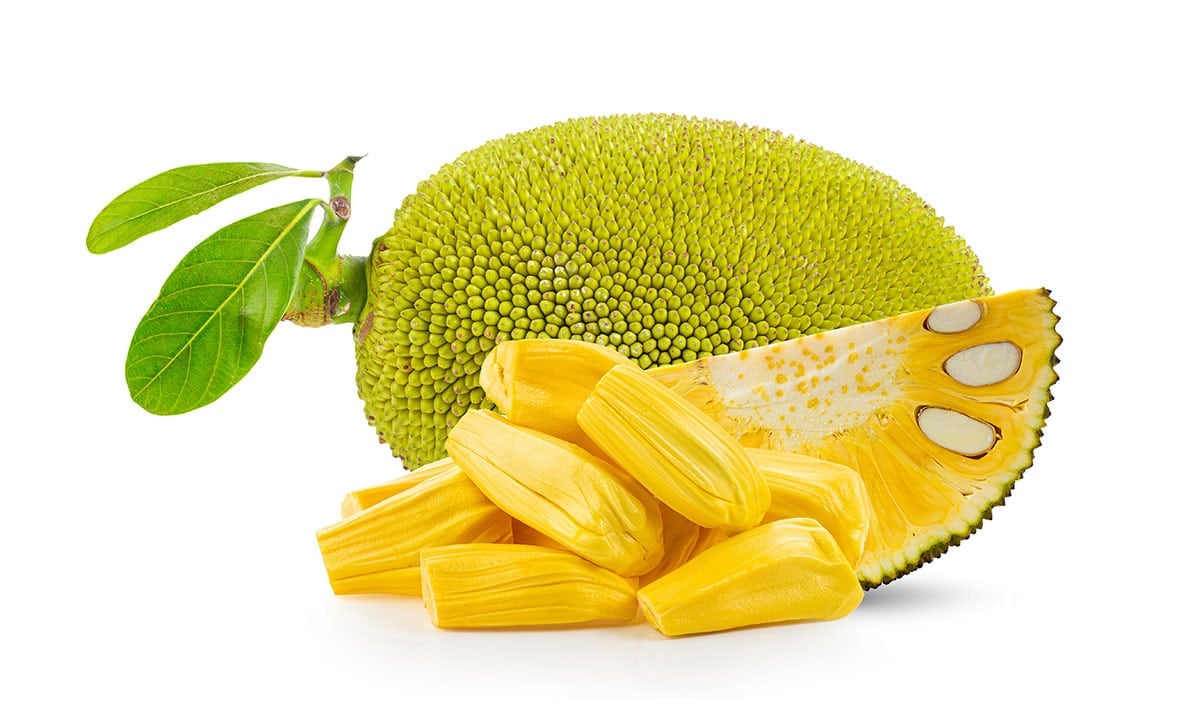
The jackfruit is a massive, spiky fruit that can weigh up to 80 pounds! The fruit is sweet and flavorful, with a texture similar to pulled pork. Jackfruit is often used as a meat substitute in vegan and vegetarian dishes. Try these jackfruit carnitas or these jackfruit pulled pork sandwiches. Jackfruit can be a bit expensive, so we made this quick how to cut jackfruit tutorial to help you avoid wasting the fruit. For more on jackfruit nutrition, selection, storage, and more, check out Jackfruit 101 for everything you need to know.
Jabuticaba
The jabuticaba is a small, purple fruThe jabuticaba is a small, purple fruit that grows on the jabutica beira tree in Brazil where it is often grown as an ornamental tree. These small round berries are usually about the size of a grape and are dark purple to almost black-skinned when ripe. The pulp, however, is white or sometimes pinkish with a sweet-tart flavor. The berries are mostly eaten fresh but are also used to make jams, wines, liqueurs, and desserts. They don’t store or transport well, so their commercial sale is usually local.
Jatoba
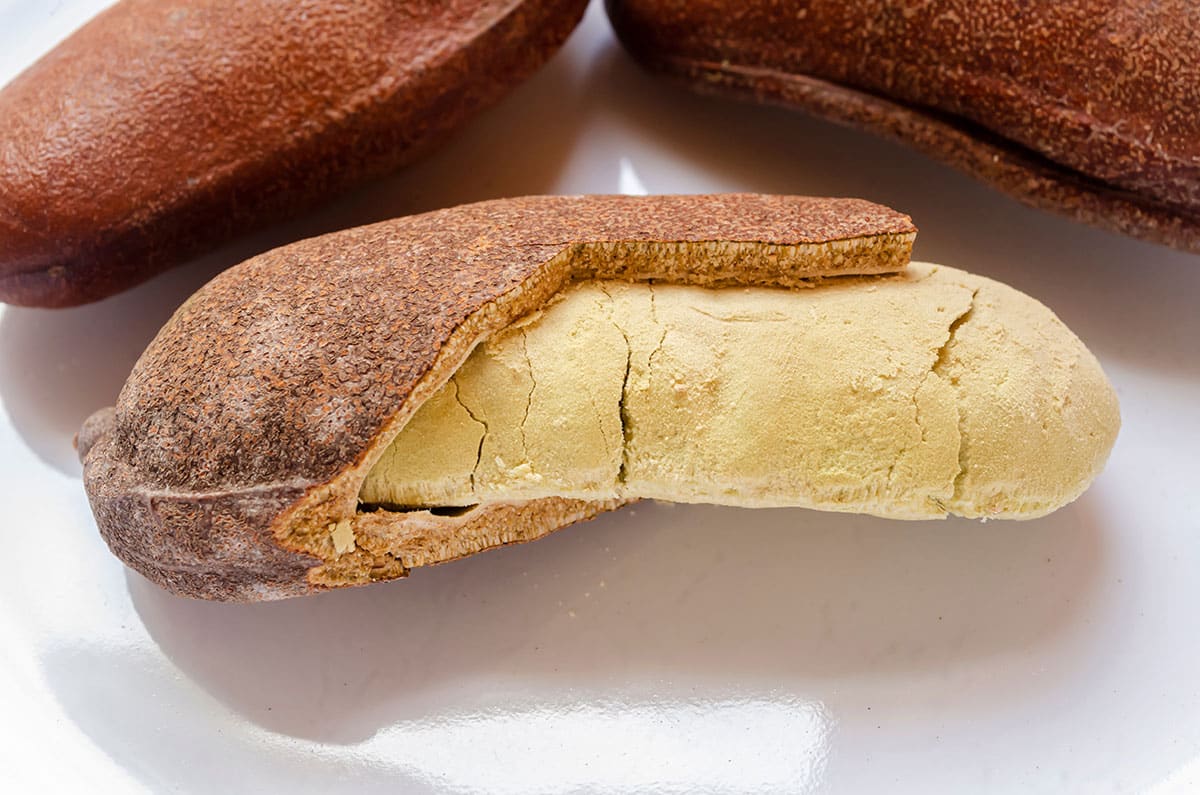
The Jatoba is also called the Stinking Toe Fruit. This puts it right up there on the list of weird fruits with Dead Man’s Finger. The fruit’s pulp is enclosed in a thick brown pod whose shape does look rather like a toe. They are said to be fairly sweet, but the unpleasant smell gives it the name. The Jatoba is native to Central and South America and difficult to find out of these regions.
Junglesop
The junglesop, also called the Annona, is an unusual fruit that can grow as large as 15 kg (33 pounds) and is native to Central Africa. It has a rough, greenish-brown outer skin. The surface of the fruit is covered in small, cone-shaped protrusions, giving it a somewhat spiky appearance. The pulp, however, is creamy white with a host of black seeds. It is a highly nutritious fruit that can vary widely in taste from sweet to sour. Locals generally only eat these in hard times when other foods aren’t readily available.
Kiwano
Kiwano, also known as horned melon or African horned cucumber, is native to the semi-arid regions of southern Africa, particularly in countries like Botswana, Namibia, and South Africa. This fruit looks like a cross between a cucumber and a blowfish. It has a spiky, bright orange exterior and a soft, jelly-like interior that is filled with seeds. Kiwano has a sweet, tangy flavor and is often eaten fresh, either scooped from its skin or in wedges. It is also used in fruit salads, drinks, vegetable salads, and cocktails. If you can find these at a local international market, we recommend cutting them in half and using the unique shell as individual serving bowls.
Longan
The longan is a small, round fruit that is native to Southeast Asia. It has a sweet and musky flavor and is often used in desserts and soups.
Lychee
The lychee is a small round fruit grown on several continents. The lychee has a rough, reddish-brown skin that is easily peeled to get to the translucent white flesh inside. The flesh is sweet and juicy with a floral aroma, containing a single large seed in the center.
Mangosteen
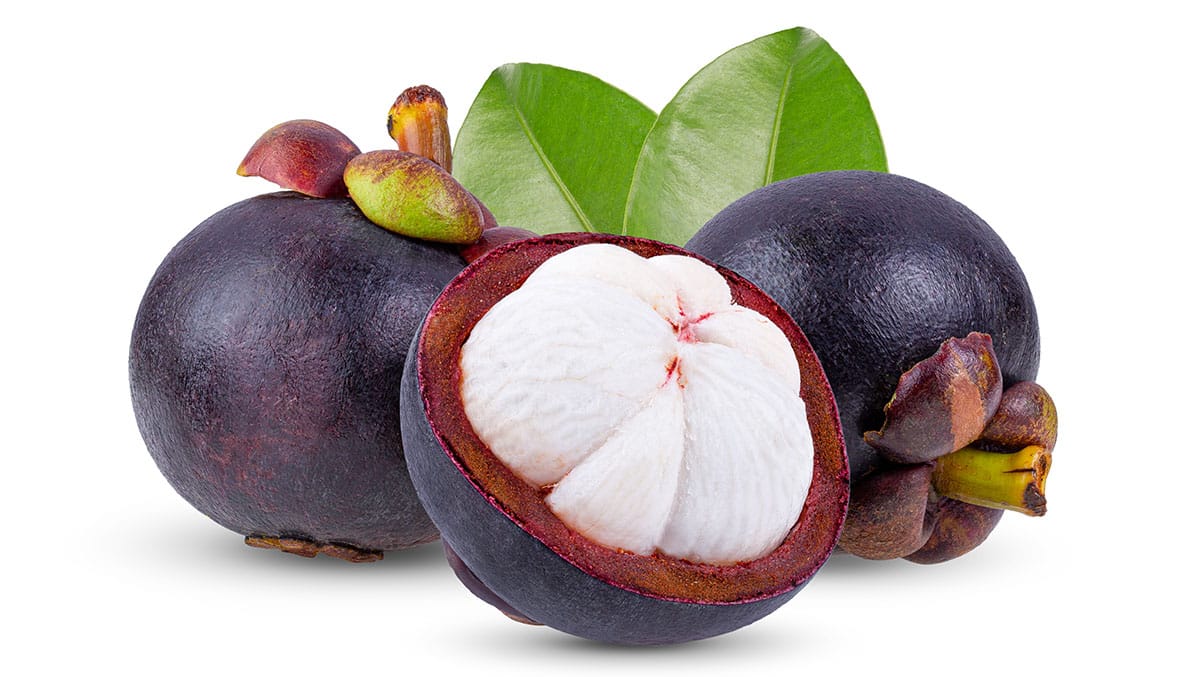
The mangosteen is an exotic Asian fruit native to the rainforests of Malaysia and Indonesia. The mangosteen is noted for its thick purple exterior and a sweet and tangy white pulp. It’s often used in desserts and drinks. It is a pretty fruit that certainly has the potential to make an interesting presentation with a fruit tray. You will likely have to find mangosteen at international markets as attempts to grow them in the United States have not supported commercial cultivation.
Miracle Fruit
Miracle fruit is a small red fruit that is native to West Africa. It has a unique property that makes sour and bitter foods taste sweet, thus the name. The fruit contains a protein called miraculin, which binds to the taste buds and alters their perception of taste. Miracle fruit is often used as a natural sweetener, and it is also used in some dietary supplements.
Noni
The noni is a native of SE Asia and several Pacific Islands. It is a small, lumpy fruit with a strong, pungent odor, bitter taste, and a lot of seeds. Despite its unappealing smell, the fruit is highly valued for its medicinal properties and is often used in traditional Hawaiian medicine. Noni is believed to boost the immune system and improve overall health.
Passion fruit
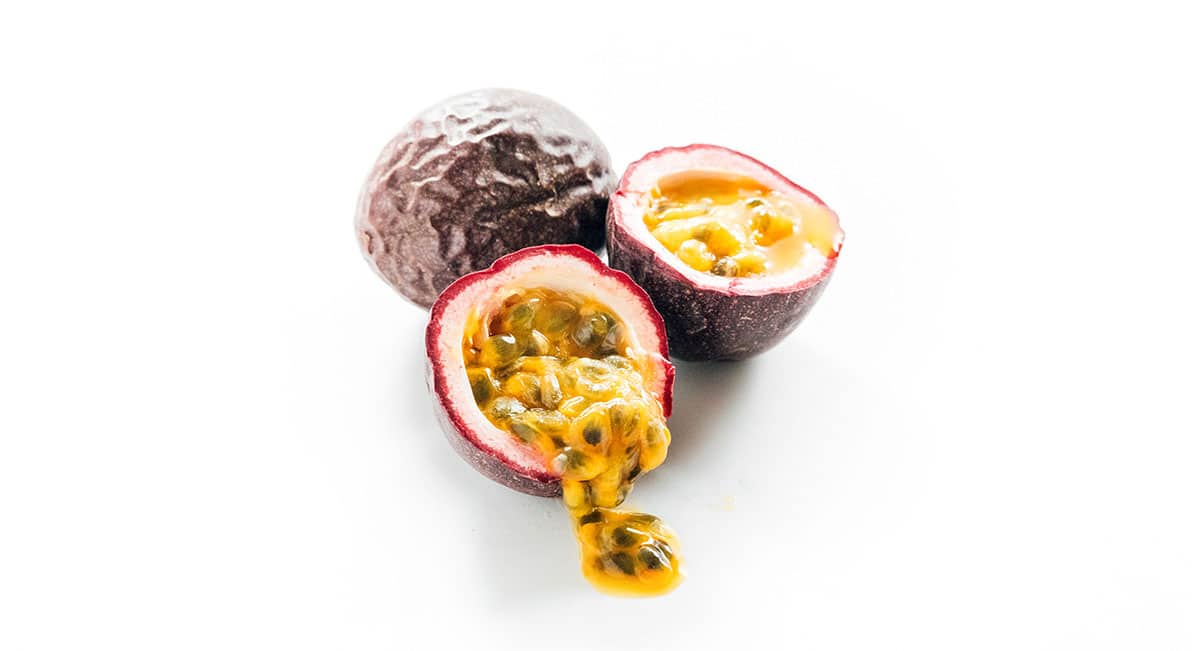
Passion fruit is native to South America. It is a small, round fruit with a tough, purple exterior and a sweet and tangy pulp inside. It’s often used in desserts, but its superpower is in drinks. Try it in passion fruit juice or a frosty passion fruit smoothie. They also make some truly wonderful passion fruit popsicles, and you don’t have to have molds. There are several types of passion fruit to include purple passion fruit, yellow passion fruit, sweet granadilla, and giant granadilla.
Pawpaw
The pawpaw, also known as the “poor man’s banana” or the “custard apple,” is native to North America, which is a bit unusual for this article. It is typically greenish-yellow to brown when ripe and has a tropical flavor reminiscent of a blend of banana, mango, and pineapple. It is often described as having a custard-like texture with smooth, creamy flesh. Pawpaws are usually eaten fresh and scooped out of the skin with a spoon. Some people also use them in recipes for desserts like pies, custards, or ice creams.
Persimmon
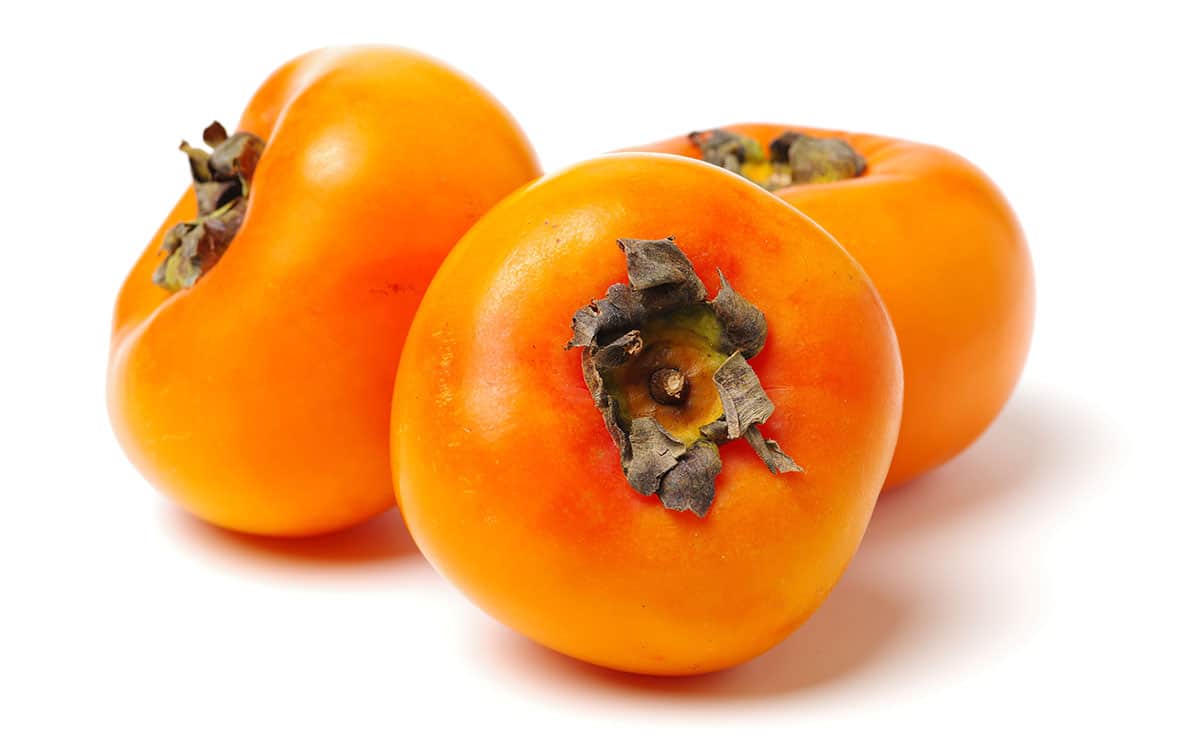
The persimmon is only borderline exotic, but we had to include it as it is such a versatile fruit great in yogurt, fruit salad, on cereal, you name it. The persimmon is a bright orange fruit with a sweet, mild flavor, and it is a good source of fiber, vitamin C, and antioxidants.
Pineapples from the Lost Gardens of Heligan
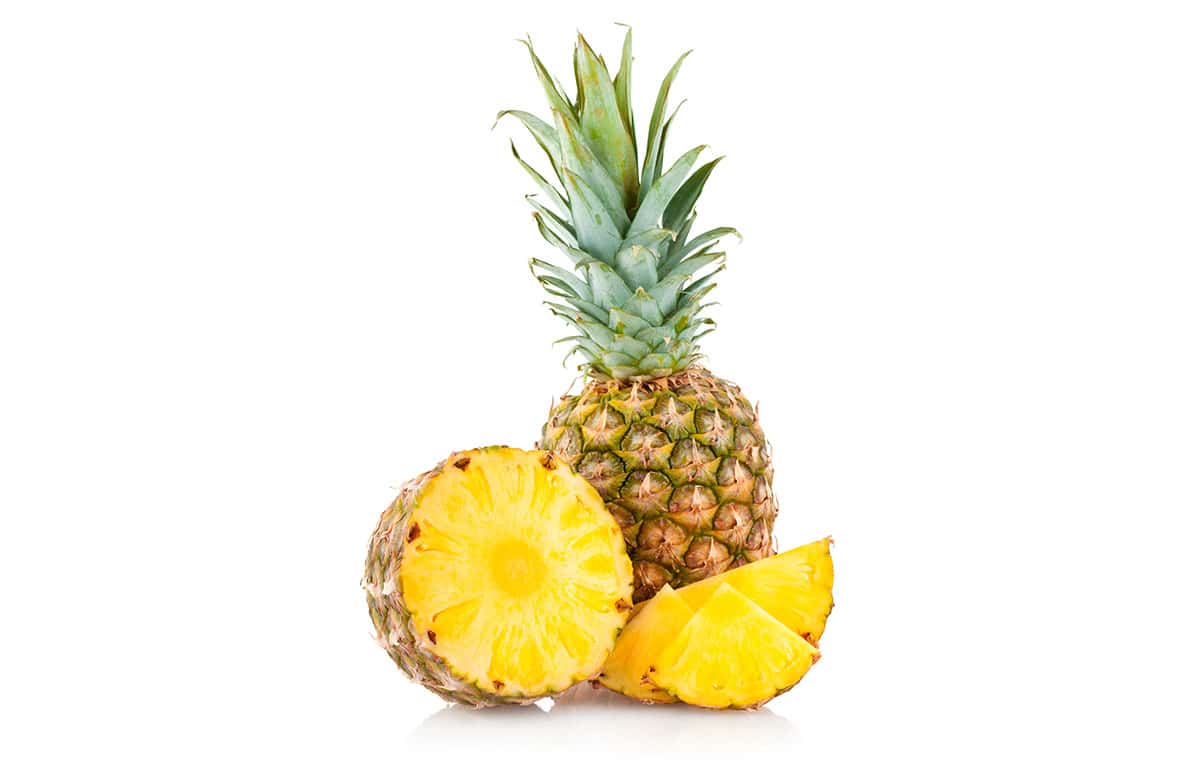
The Lost Gardens of Heligan in Cornwall, England, is home to some of the world’s most expensive pineapples. These pineapples are grown in a traditional Victorian-style greenhouse and are known for their unique taste and texture. Each pineapple can cost up to $1,500. This rare exotic fruit probably grows on less square acreage than any fruit in the world.
Pineberry
The pineberry is a small pink strawberry with a white flesh. While other strawberries are often pink as they ripen from green to red, the pineberry is genuinely pink when ripe with red seeds giving them a bit of a look like pineapple, thus the name. It has a tart and tangy flavor best described as a mix of strawberry and pineapple, and is often used in desserts and drinks. Its unique color makes it a good option for fruit trays or fruit salads.
Rambutan
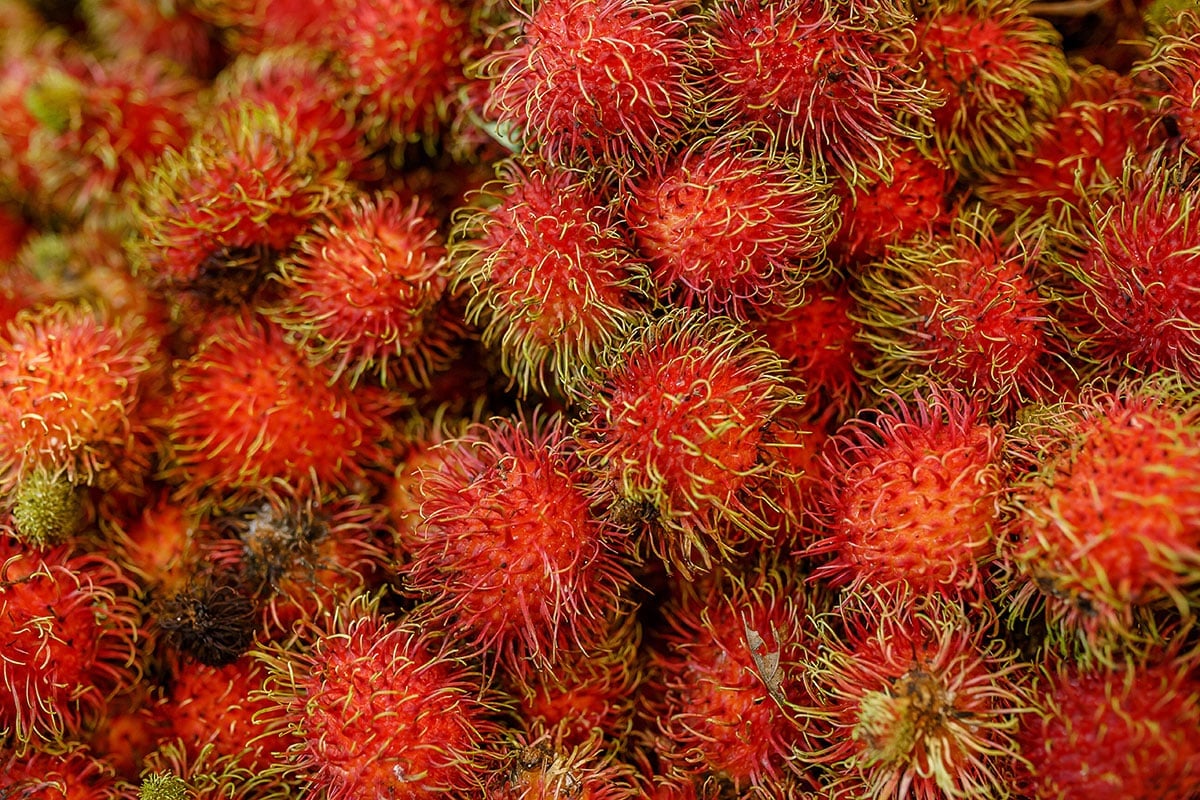
The rambutan is a small red fruit with a spiky exterior and a sweet & juicy white flesh said to taste something like grapes. They are native to SE Asia and can be found in Thailand, Vietnam, the Philippines, and a host of other nations. To eat a rambutan, you simply need to peel off the spiky skin and remove the seed. The flesh can be consumed fresh as a snack or added to fruit salads. It can also be used in smoothies, cocktails, and desserts. While a bit expensive, you can order rambutans online.
Ruby Roman Grapes
Ruby Roman Grapes are a type of grape that is grown exclusively in the Ishikawa Prefecture in Japan. These grapes are known for their large size and unique taste. Only a limited number of these grapes are grown each year, and they can cost up to $11,000 per bunch. This would make them among the most rare fruits in the world.
Salak
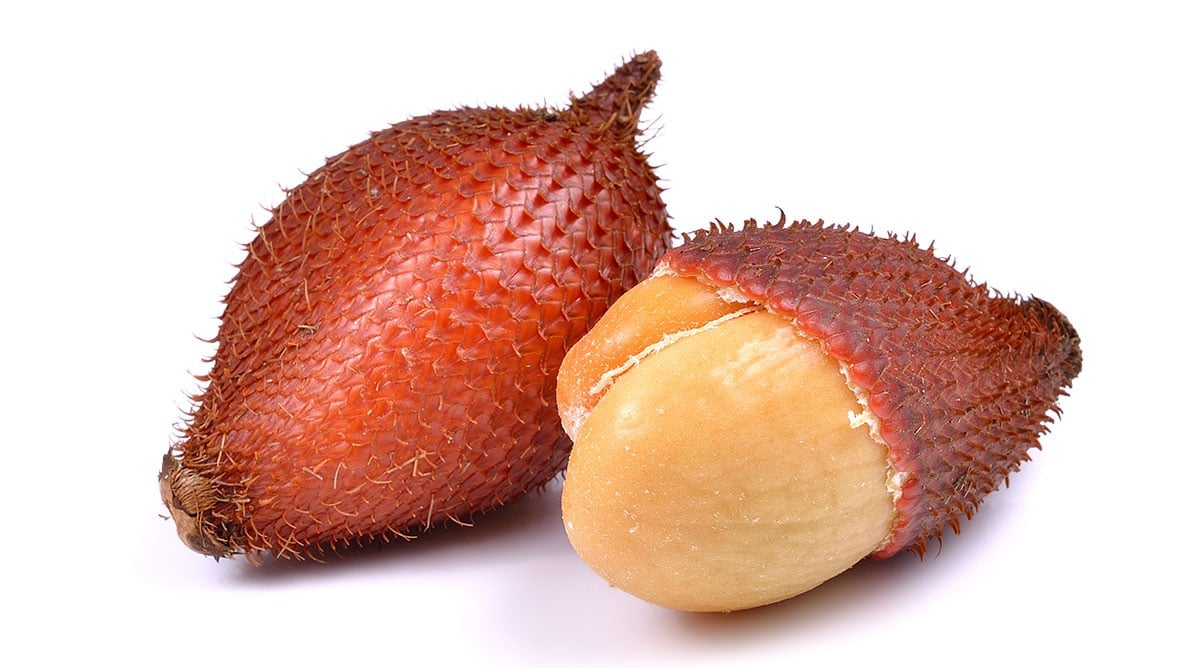
Salak, also known as the snake fruit, is native to Indonesia, Malaysia, Sumatra, and Thailand. It has a scaly, brown exterior that resembles a snake’s skin. Well, just look at the photo. Inside, the fruit is white with a slightly sour taste but juicy and slightly tangy. Salak is often eaten fresh or used in salads and desserts, and is known for its high nutritional value. We think the peel makes them the most exotic Asian fruit on our list.
Soursop
The soursop is a tropical fruit native to Central and South America. It is today, however, also grown in SE Asia and Africa. It is a large green fruit with a spiky exterior and a sweet and tangy flavor. The fruit has a distinct tropical flavor, and is often used to make smoothies or desserts. It is also commonly just eaten fresh scooped out of the skin with a spoon. In some regions, soursop is also believed to have medicinal properties and is sometimes used to treat a variety of ailments.
Starfruit
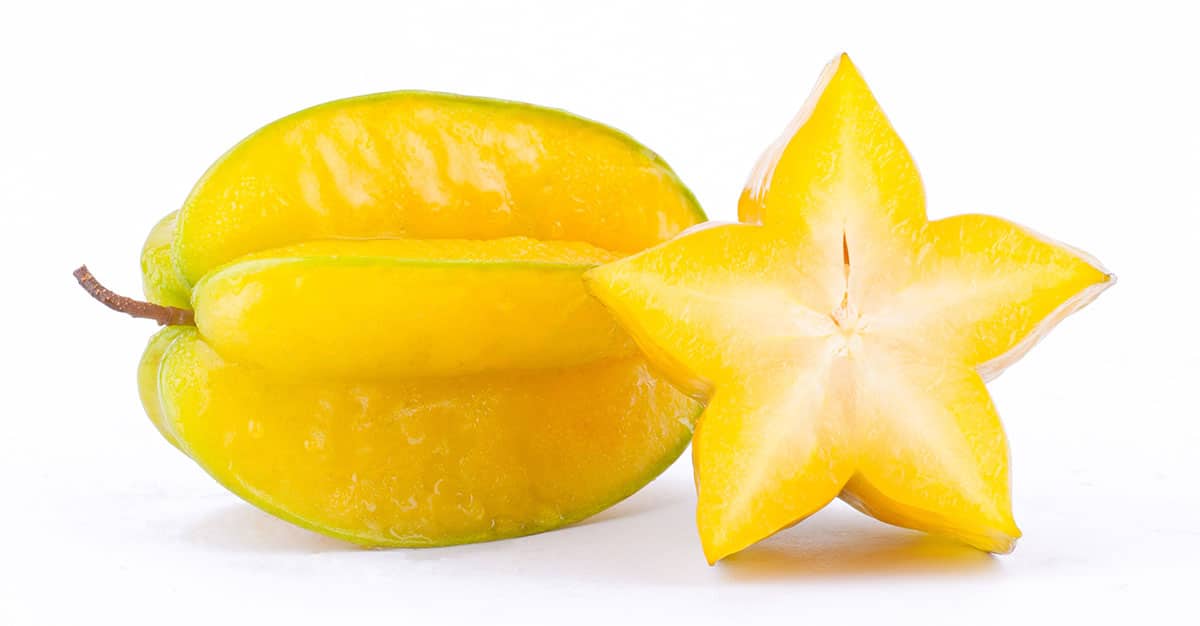
Starfruit, also known as carambola, is native to SE Asia but also grown in other tropical regions around the world. This is an exotic yellow fruit with a star-shaped cross-section. It has a tangy flavor that can vary from sweet to tart, depending on growing conditions and ripeness. Generally, they are sweet with a flavor that seems to be a mix of apple, pear, and citrus. Not surprisingly, it is a good source of vitamin C and fiber. Starfruit is often used in fruit or vegetable salads, pies, and other desserts.
Tamarillo
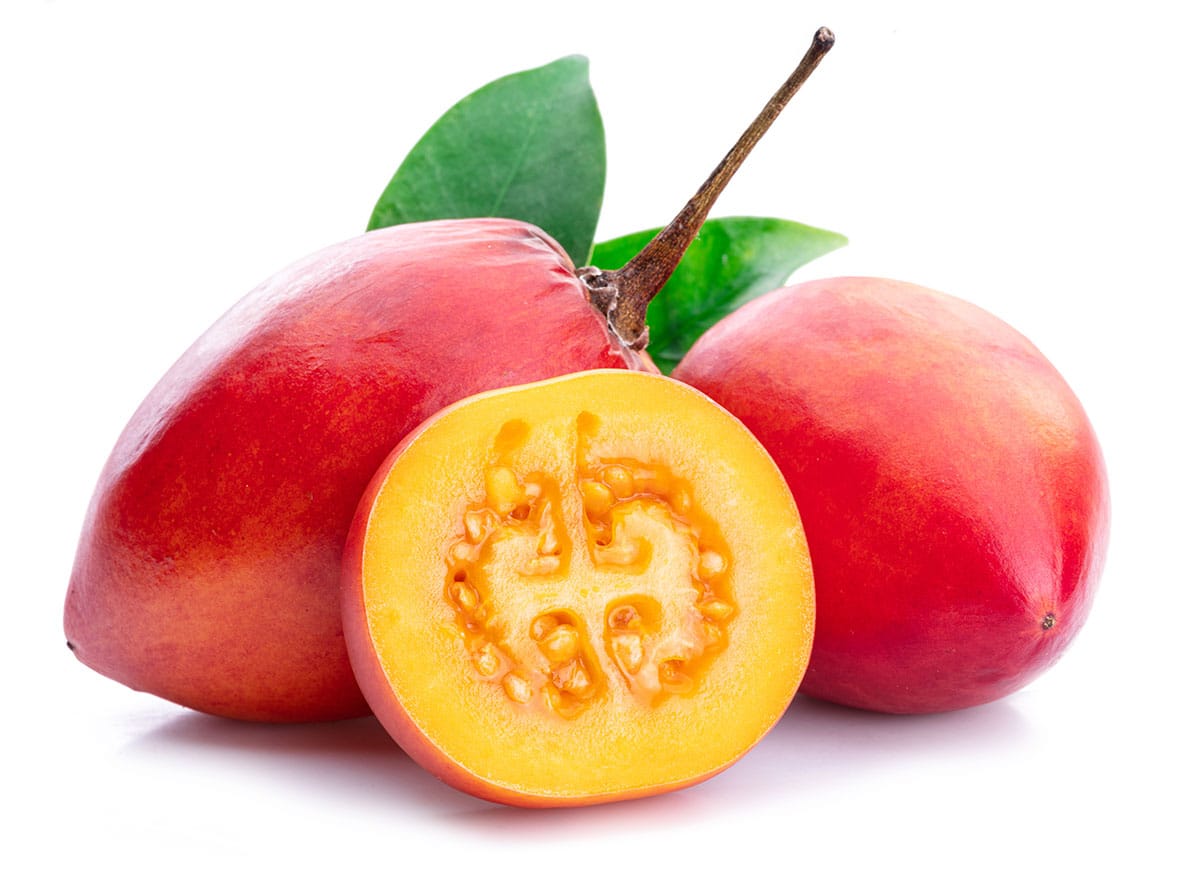
The tamarillo, also known as the tree tomato, is native to the Andes Mountains. It is an egg-shaped fruit with a tangy, slightly bitter flavor. It is a good source of vitamin C and antioxidants. They are often eaten raw, sliced into salads, or just eaten on their own with a sprinkle of sugar. In the kitchen, they are commonly used in chutneys, curries, sauces, and even smoothies.
Taiyo no Tamago Mangoes
The Taiyo no Tamago Mango is a rare type of mango that is grown in Japan. These mangoes are known for their unique taste and texture and are often given as gifts. A single Taiyo no Tamago Mango can cost up to $3,000. It’s not the sort of gift we give on a writer’s salary here at Live Eat Learn.
Ugli Fruit
As its name suggests, the ugli fruit is not the most attractive fruit on our list. It is a hybrid developed in Jamaica as a cross between grapefruit, orange, and tangerine. The ugli has a rough, wrinkly exterior that is at least easy to peel. The pulp consists of segments like an orange, but larger and irregularly shaped. While we haven’t had one here at Live Eat Learn, it is said to be similar to grapefruit but milder, less acidic, and pleasantly sweet-tart. Ugli is usually eaten fresh after peeling and breaking up the segments. It goes well with fruit salads but can also be juiced.
Velvet Tamarind
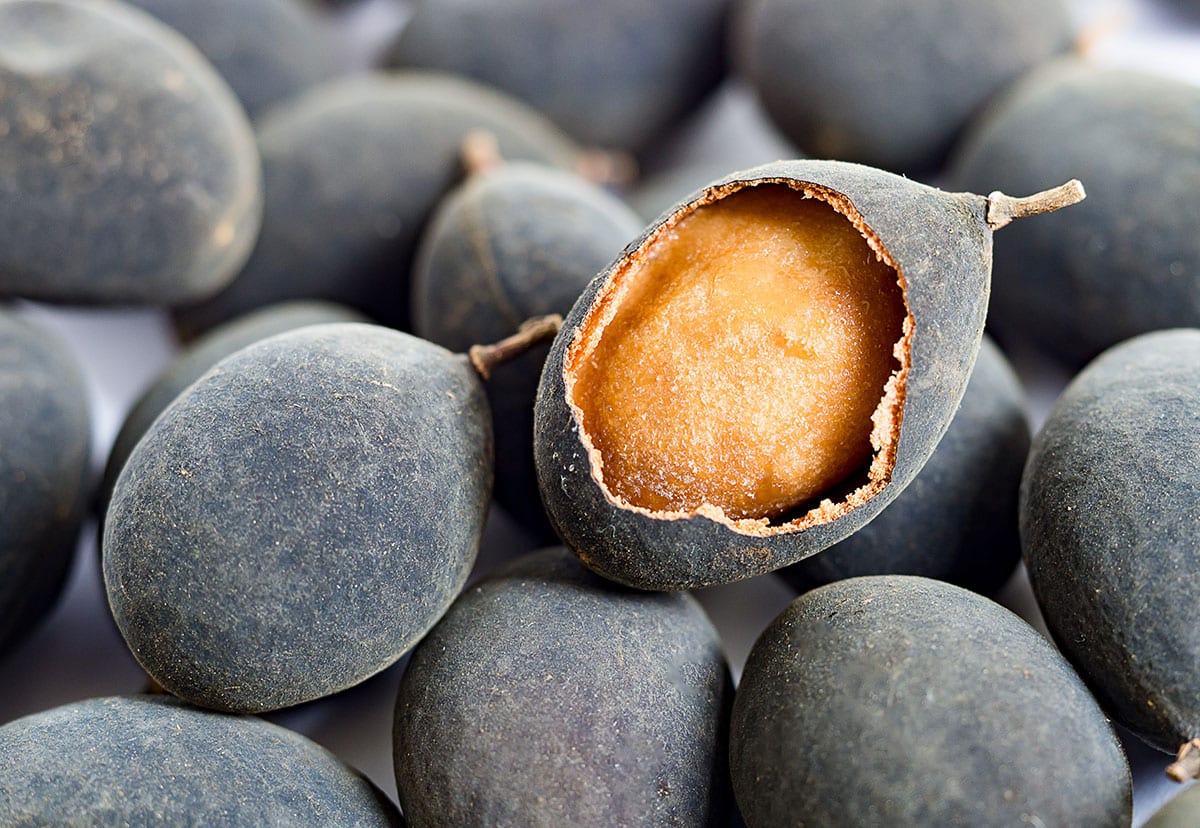
The velvet tamarind, native to West Africa, is a small tropical fruit encased in a velvety brown shell. The pulp is tart and tangy, and they are usually eaten fresh by sucking the pulp out and spitting the seed. They can also be used in making sauces, jams, drinks, and desserts.
Yubari King Melon
The Yubari King Melon is a prized fruit in Japan and is often given as a gift. These melons are grown in the Yubari region of Japan and are known for their sweetness and texture. A pair of Yubari King Melons once sold for a staggering $45,000, making it the most expensive fruit in the world. Why is it that the most rare exotic (and expensive) fruits seem to come from Japan? This wraps up our list of exotic fruits. We hope you found the weird, cool, or unusual fruit you were looking for, and as always, happy cooking!