What is Ricotta Cheese?
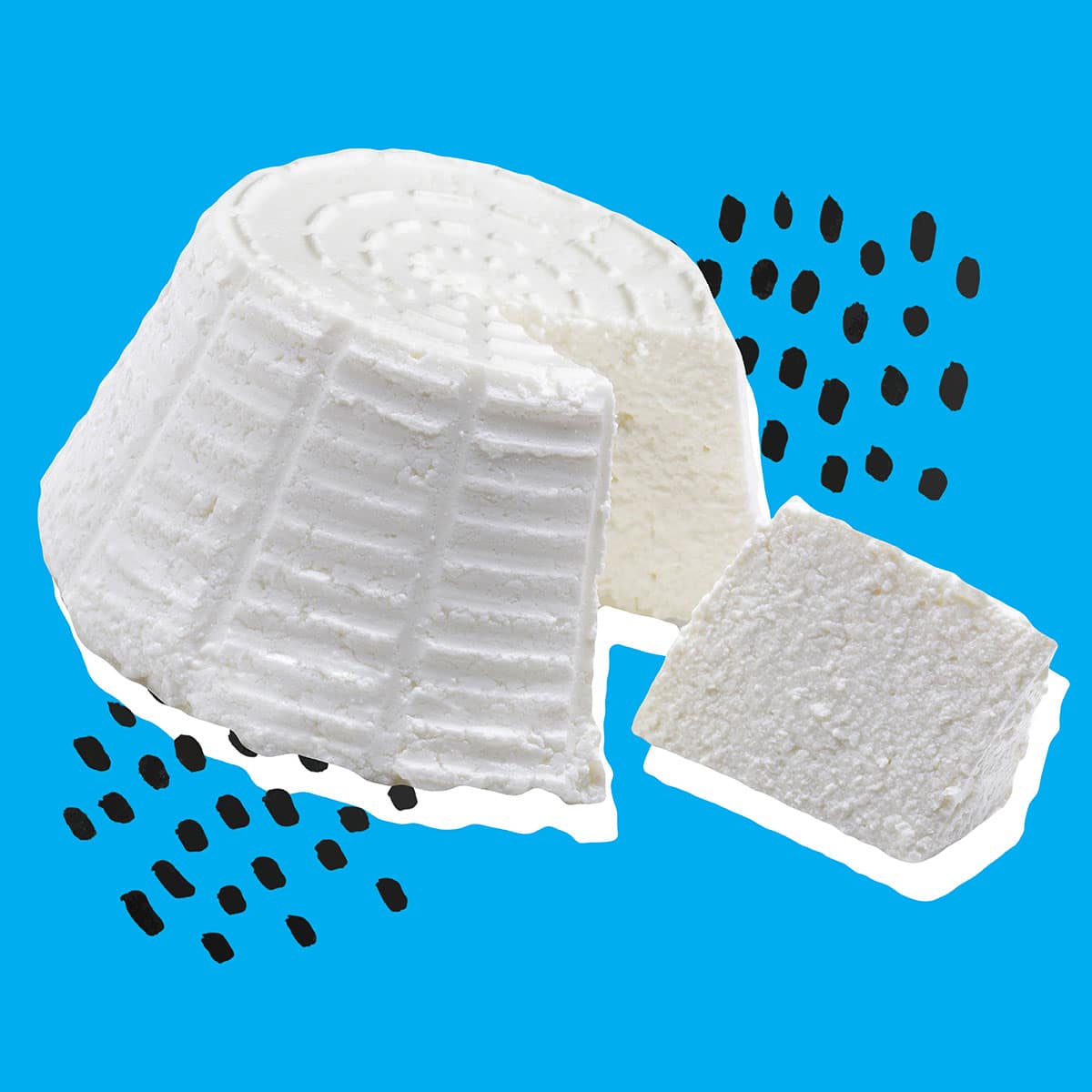
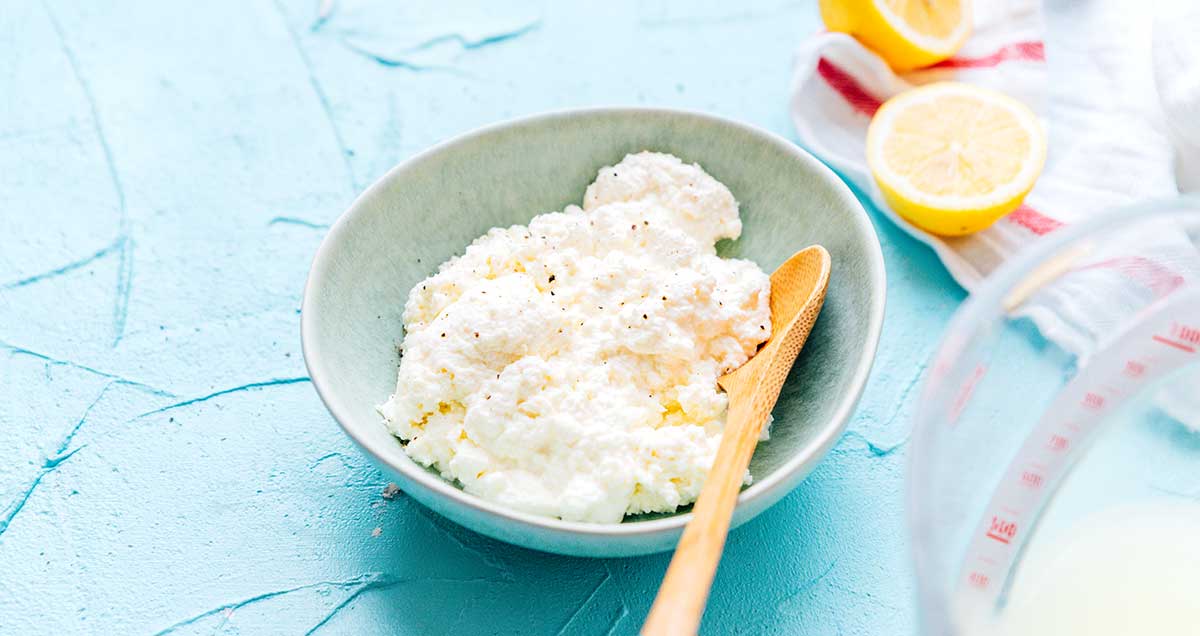
Ricotta is a soft-fresh Italian cheese that is eminently spreadable. This is the go-to cheese for lasagna, crepes, galettes, and a host of other favorites. Ricotta is generally made of cow’s milk.
How is Ricotta Cheese Made?
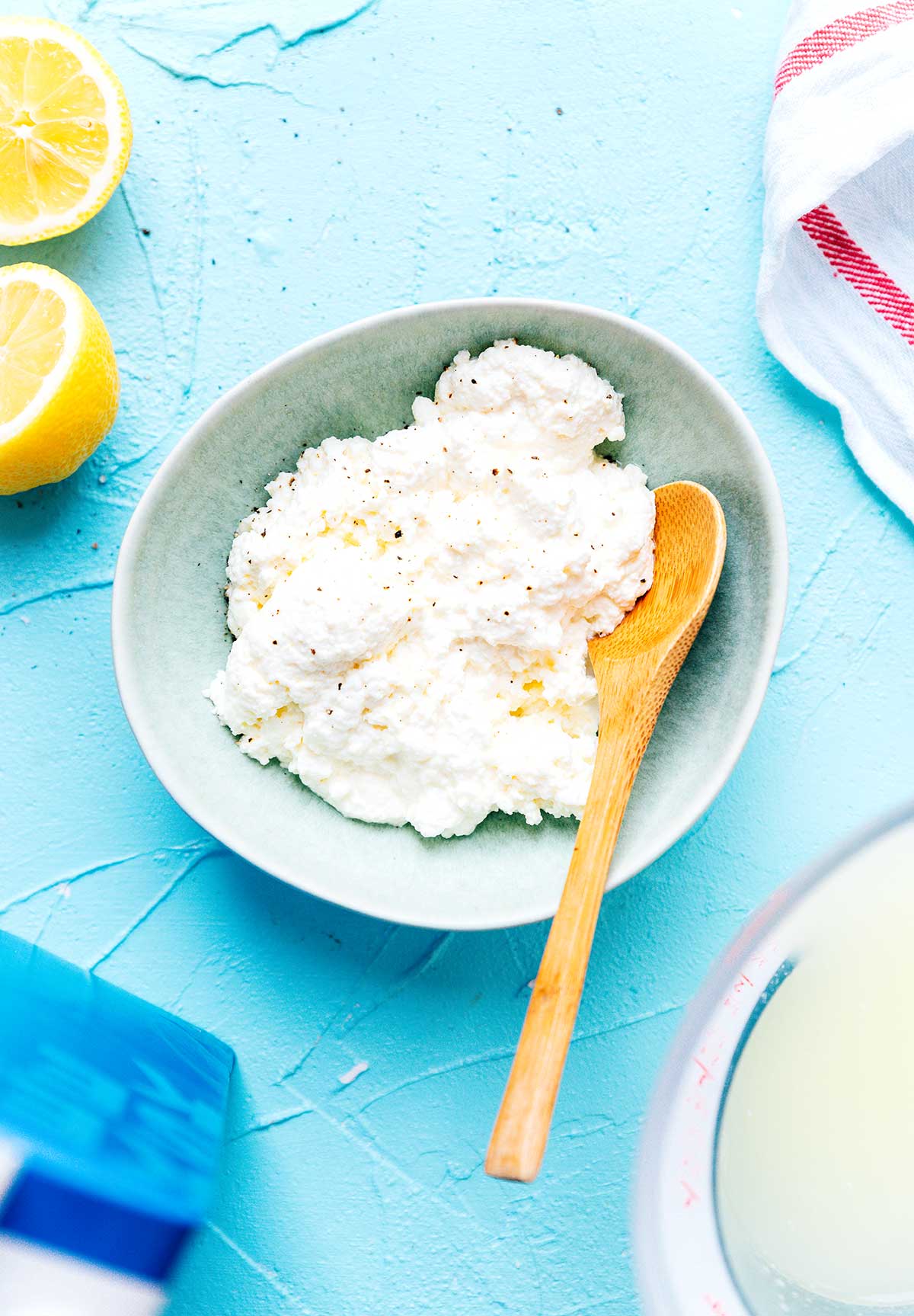
Ricotta cheese is made by heating whey over fairly low heat, in the range of 170 – 185F. Heating causes the proteins in the whey to coagulate and form curds. To assist this process, an acid like lemon juice, vinegar, or citric acid is added. Once the curds have formed, the whey is strained through a fine mesh or cheesecloth. The curds are kept, and the remaining uncoagulated whey is separated for other uses. The longer the maker strains the curds, the thicker the ricotta will be. After straining, the ricotta is allowed to cool naturally. The whole process is pretty simple, and you can make your own 5-minute homemade ricotta in your microwave. Trust us, this works!
Origin of Ricotta Cheese
Ricotta cheese was first developed on the Italian Island of Sicily in the 9th Century. The name “ricotta” means “recooked” in Italian. Since then, ricotta has been nearly a staple in Italian cuisine and is a part of numerous Italian recipes, such as lasagna and cannoli. Over time, its popularity spread nearly worldwide.
Flavor and Texture of Ricotta Cheese
Ricotta is a mild and slightly sweet creamy cheese with perhaps a hint of nuttiness. Its mild flavor allows it to work in an array of both sweet and savory dishes. It is a very soft, smooth, and creamy cheese that is at the same time a bit grainy. It has an almost fluffy mouthfeel.
Best Uses for Ricotta Cheese
Ricotta cheese is used in a wide variety of Italy’s (and the USA’s) favorite foods:
Lasagna and Stuffed Pasta: Ricotta is an essential ingredient in Italian dishes like lasagna, stuffed shells, and ravioli. If you want to try a low-carb, lower-calorie lasagna, consider our zucchini lasagna or eggplant lasagna. Desserts with Ricotta Cheese: Ricotta shines in desserts. Just think cheesecake and cannoli. Our work here is done. Two of our well-tested recipes include this ricotta blueberry galette and butternut beet & ricotta galette. Spreads and Dips with Ricotta Cheese: Whip ricotta with herbs, garlic, and lemon zest to make a great spread for crackers or bread. Ricotta can also be used to make a creamy dip for vegetables or chips. Breakfast: Spread ricotta on toast and top it with honey, berries, or avocado for a quick and nutritious breakfast. You can also use it as a filling for crepes, though I am not sure I know anybody who actually makes crepes for breakfast. Appetizer: There are scores of recipes online for appetizers using ricotta. I often make a plate of these ricotta stuffed peppers to take to parties and get-togethers. I have never brought home leftovers. Pizza Topping: Instead of or in addition to mozzarella use ricotta. White pizza with ricotta is a great option.
Substitutes For Ricotta Cheese
Now that we’ve gone over all that ricotta has to offer, we are going to cover substitution options if you don’t have ricotta or can’t eat it.
Cottage Cheese
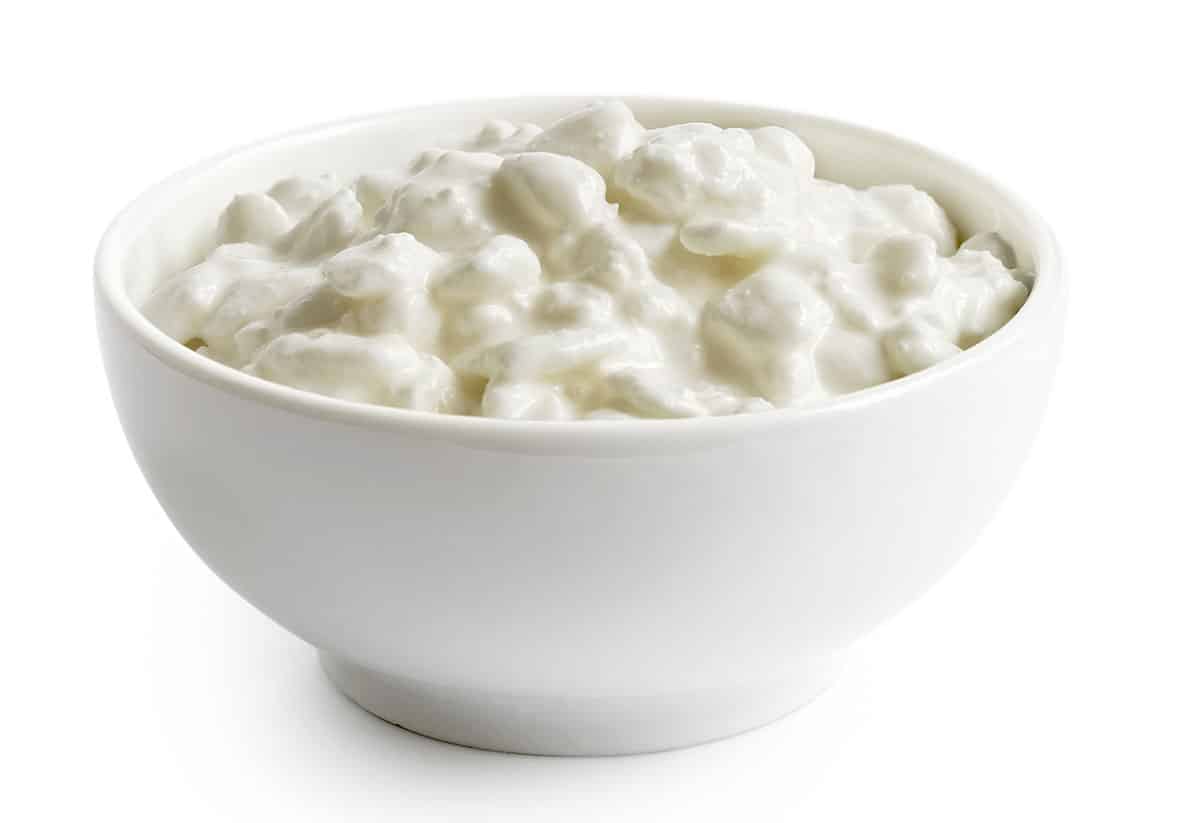
Cottage cheese is a great substitute for ricotta! It is a fresh cheese made from the curds of cow’s milk. Its mild, slightly tangy flavor and texture with small lumpy curds is a little different from ricotta, but it generally substitutes nicely. Cottage cheese is also a low-calorie option that brings more protein, vitamins, and minerals to your cooking.
Flavor and Texture Differences
Ricotta cheese has a smoother, creamier texture than cottage cheese’s curd-like texture with visible lumps. Ricotta has a slightly sweeter flavor than cottage cheese which is a bit tangy. While the differences are not really that large, they can impact the taste and mouthfeel of a recipe.
How to Substitute Cottage Cheese for Ricotta Cheese
To use cottage cheese in lieu of ricotta we recommend you take one or more of these steps:
Texture Adjustment: If you want to match the smoother texture of ricotta, blend the cottage cheese in a food processor or blender. This works pretty well in lasagna or stuffed pasta. Seasoning: Cottage cheese has a slightly tangier flavor, so you might want to adjust the seasoning to balance it out. Depending on the recipe, you can add a touch of sugar to sweet dishes or extra herbs and spices for savory ones. Quantities: In most recipes, you can substitute cottage cheese for ricotta cheese on a one-to-one basis. For example, if a recipe calls for one cup of ricotta, you can use one cup of cottage cheese instead. Draining Excess Liquid: Cottage cheese is usually a bit wetter than ricotta. Strain and drain excess liquid out of your cottage cheese before using it if you think it might make your recipe too watery.
Best Uses for Replacing Ricotta Cheese with Cottage Cheese
We think some of the dishes you will likely have the best results when using cottage cheese to replace ricotta are:
Lasagna: Cottage cheese works well as a layering ingredient in lasagna. The texture is a close enough match if you strain it, but it will change the flavor a bit with its tangy taste. Try it as a substitute in our vegetarian lasagna to add protein. Stuffed Pasta: In stuffed shells or manicotti, cottage cheese can be used as a filling (again you will want to strain out excess liquid), but they won’t be quite as savory as one would expect with ricotta. Cheesecakes: Cottage cheese can be blended into cheesecake batter and should work reasonably well. Just ensure the moisture content of the batter accounts for cottage cheese being a bit wetter. Pancakes and Crepes: Incorporating cottage cheese into pancake or crepe batter can make them pretty fluffy.
Cream Cheese
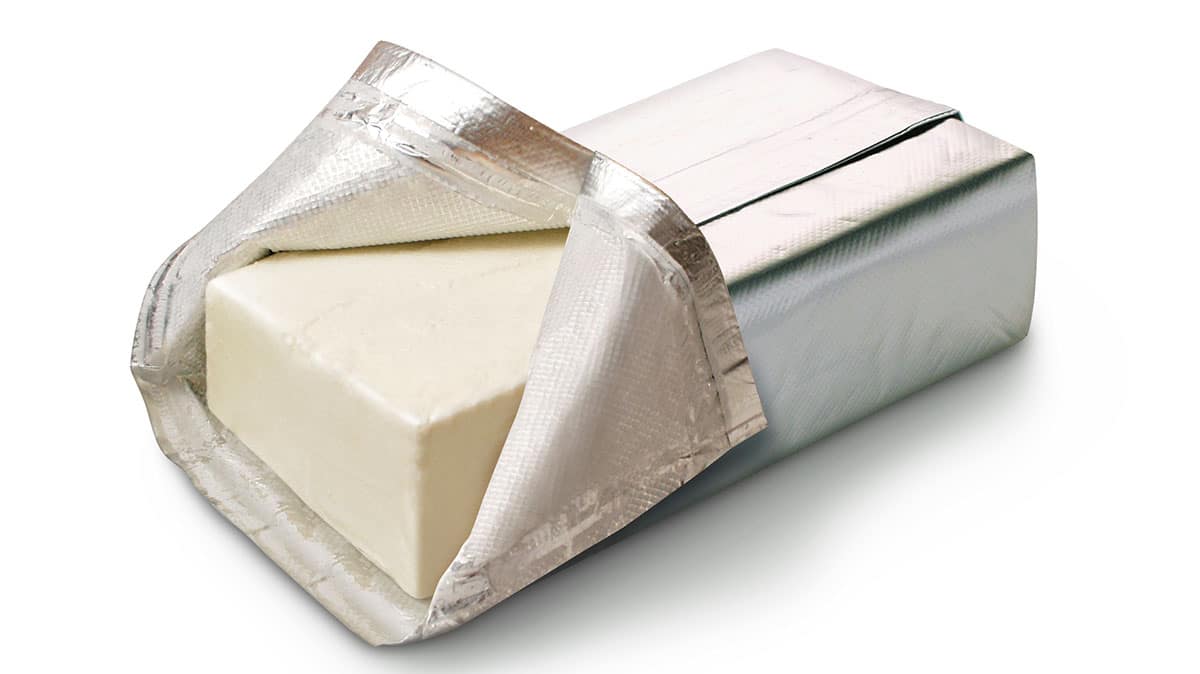
Cream cheese is probably our second choice as a ricotta cheese replacement. It is made from cow’s milk and has a smooth creamy texture. Cream cheese tends to be higher in fat and calories compared to ricotta, and is also typically lower in protein. The true superpower of cream cheese is its ability to be flavored to taste. While you can buy it this way, you can also make your own home-flavored cream cheese (5 ways).
Flavor and Texture Differences
Cream cheese has a tangy, slightly sweet, and creamy taste. It also has a smooth, dense, and spreadable texture. In contrast, ricotta cheese has a milder flavor with a more granular and lumpy texture. Ricotta is also moister than cream cheese. If you use cream cheese as a substitute, it will obviously introduce a thicker consistency and tangier taste to your recipe.
How to Substitute Cream Cheese for Ricotta Cheese
Substitute using an equal amount of cream cheese for ricotta cheese. If a recipe calls for 1 cup of ricotta, you can replace it with 1 cup of cream cheese. You may need to adjust the consistency of the recipe by adding a small amount of milk or cream to achieve the desired texture, as cream cheese is denser than ricotta.
Best Uses for Replacing Ricotta Cheese with Cream Cheese
Cream cheese works best as a ricotta cheese replacement in cheesecakes, stuffed pasta dishes like manicotti or stuffed shells, and dips like spinach and artichoke dip. It can work in lasagna, but we would go with cottage cheese first. Cream cheese can also work in cannoli fillings, but you might not want to be careful who you serve them to because any card-carrying Italian is going to tell you not to mess with cannoli!
Tofu
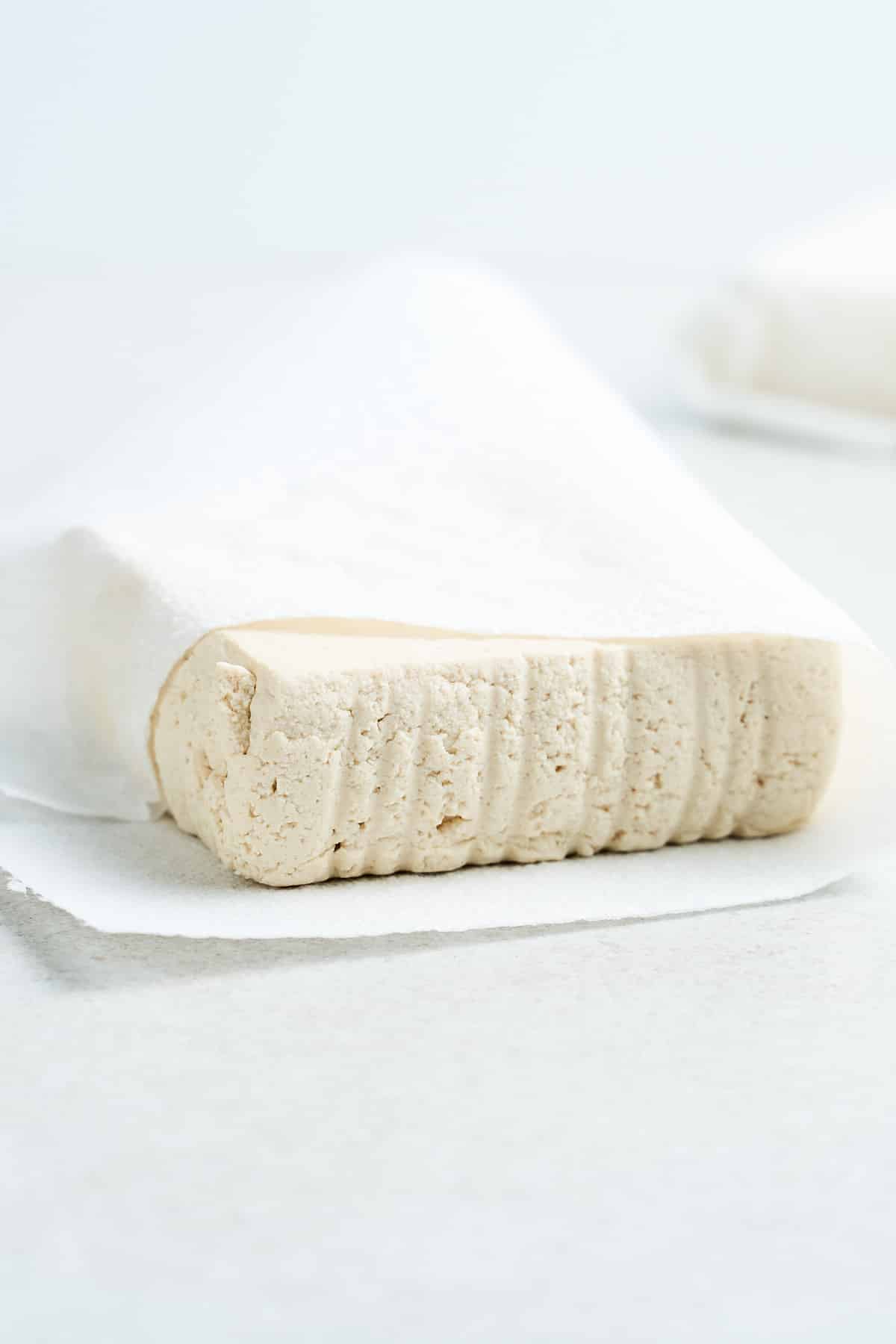
We believe tofu is the best ricotta replacement for vegan or lactose-free cooking. That said you can find vegan ricotta cheese at some groceries or specialty markets. Tofu is a plant-based protein source made from soybeans by curdling soy milk and then pressing the curds into a block. Tofu comes in degrees of firmness from soft to extra-firm. Tofu is arguably a more nutritious choice than ricotta as it is an excellent source of protein, is low in saturated fats, and contains a variety of vitamins and minerals.
Flavor and Texture Differences
Tofu has a neutral taste and can take on the flavors of the ingredients it’s cooked with, so it does not naturally match the taste of ricotta. You may want to add a splash of lemon juice to your tofu to get a closer match.
How to Substitute Tofu for Ricotta Cheese
Substituting tofu for ricotta cheese in recipes requires some adjustments. Here’s a basic guide to make the swap:
Best Uses for Replacing Ricotta Cheese with Tofu
Tofu is a great option for dairy-free cheesecakes and creamy pasta sauces. In these uses, tofu’s ability to take on different flavors while providing a creamy consistency makes it a suitable alternative to ricotta. It can certainly be used as stuffed shells or vegan lasagna.
Mascarpone Cheese
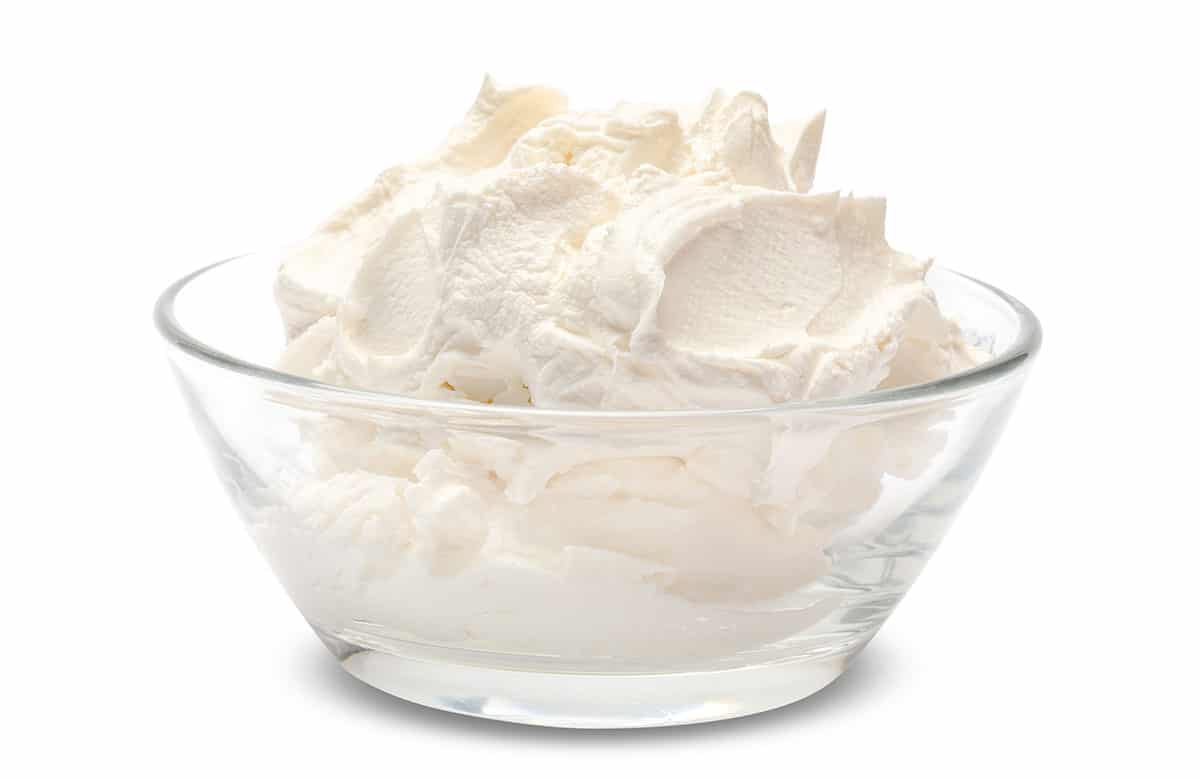
Mascarpone cheese is a creamy Italian cheese with a velvety texture. It is traditionally made of heavy cream from cow’s milk and is a staple in Italian desserts. Mascarpone is a fresh unaged cheese somewhat similar to cream cheese. It is mildly sweet and often used in both sweet and savory recipes. It is the star of the show in tiramisu as well as cheesecakes and some pasta sauces. Nutrition-wise, it is unfortunately higher in both calories and saturated fat than is ricotta.
Flavor and Texture Difference
Mascarpone cheese has a much smoother and creamier texture, akin to whipped cream, and has a richer, buttery flavor than ricotta. The flavor of mascarpone is milder and less tangy compared to ricotta.
How to Substitute Mascarpone Cheese for Ricotta Cheese
When making the swap, you can typically replace ricotta with mascarpone on a 1:1 ratio. Because mascarpone is creamier and richer, however, you may want to adjust the quantity based on personal preference and the dish you’re preparing. We can’t really give you an exact formula that will work in every recipe.
Best Uses for Replacing Ricotta Cheese with Mascarpone Cheese
We think mascarpone will serve best as a ricotta replacement in dessert recipes like cheesecake, tiramisu, fruit tarts, or even as a cannoli filling.
Vegan Ricotta Cheese
Vegan Ricotta cheese is a dairy-free alternative to ricotta cheese. It is made from some combination of almonds, cashews, tofu, or soybeans with the intent of mimicking the flavor and texture of ricotta.
Flavor and Texture Differences
Vegan ricotta tends to be a bit nuttier and not as tangy as traditional ricotta. It is usually smooth and spreadable but can still be noticeably firmer and grainier than ricotta. This varies from brand to brand. If you think this is how you want to go, you really just need to find your brand.
How to Substitute Vegan Ricotta Cheese for Ricotta Cheese
You can use substitute vegan alternatives on a 1:1 basis. If you are making a savory recipe, you may want to season it with salt, pepper, and perhaps herbs to get a better flavor match to ordinary ricotta. Also, keep in mind that vegan ricotta may have a different moisture level. Pay attention to this when mixing it into a recipe, and adjust the consistency with some appropriate liquid for the recipe.
Best Uses for Vegan Ricotta Cheese
While it may not be the ideal substitute, it is meant to be used in any recipe that otherwise calls for ricotta cheese, so give it a try in any of our favorites.
Homemade Ricotta Cheese
You can easily make your own homemade cottage cheese, and when you do, you know exactly what went into it. Here is an easy three-ingredient recipe developed in our test kitchen that you can literally make in 5 minutes (2 minutes prep and 3 minutes cooking in the microwave!). Okay, confession: It will have to strain and sit for about an hour, but no action will be required from you. The whole thing is faster than driving to the store when making lasagna and forgetting the ricotta. Our homemade ricotta has only three ingredients, plus an optional:
Whole Milk: Whole milk makes up the base of the ricotta. You’ll need 2 cups for this recipe. Stick with whole milk to achieve the desired texture and consistency. You may be able to get away with using 2%, but skim milk won’t work well. White Vinegar or Lemon Juice: You can use white vinegar or lemon juice to curdle the milk. 2 tablespoons should do the trick. Salt: Finally, a dash of salt does wonders for the flavor of this cheese. Use ½ tsp for a perfectly salty finish.
Lactose-Free Ricotta Cheese
This is the easiest option for people who want ricotta cheese but have a lactose intolerance. It is generally made from some combination of almond flour, water, lemon juice, nutritional yeast, kosher salt, and garlic powder. It can be a bit hard to find, but check Whole Foods or specialty markets. Use it like you would any other ricotta cheese.
Feta Cheese
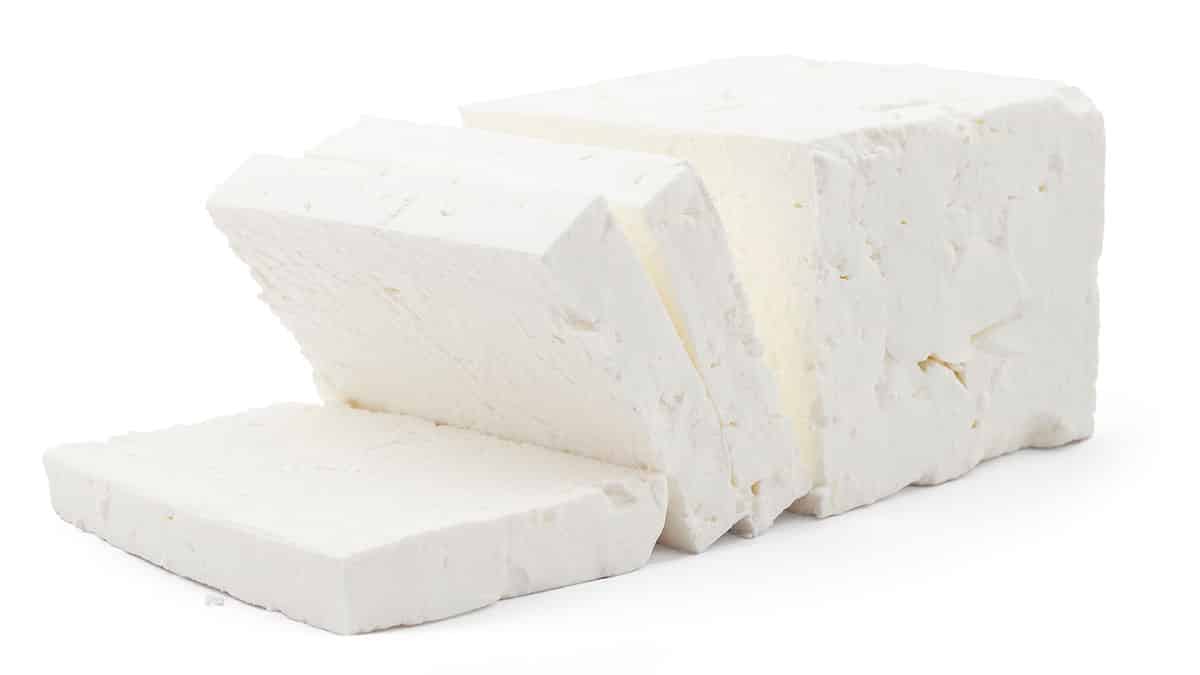
Feta is a popular Greek cheese with a crumbly texture and tangy flavor. It is made from sheep’s milk or a combination of sheep’s and goat’s milk, although you can find variations made with cow’s milk as well. Feta cheese is typically aged in brine, which contributes to its characteristic salty taste.
Flavor and Texture Differences
Feta is crumbly and has a tangy, salty taste. Feta’s crumbly texture contrasts with ricotta’s creaminess, which can affect the overall mouthfeel and appearance of your recipe.
How to Substitute Feta for Ricotta Cheese
To replace ricotta cheese with feta in your recipes plan on a 1:1 replacement, but you’ll need to make some adjustments. First, crumble the feta cheese to a similar consistency as ricotta, or you can blend it in a food processor to achieve a smoother texture. Remember that feta is saltier than ricotta, so you may want to reduce the amount of salt you add to your recipe.
Best Uses for Replacing Ricotta Cheese with Feta
Feta cheese is an excellent substitute for ricotta in recipes where you want a more pronounced and salty flavor. Feta’s tangy flavor can work well in savory dishes like lasagna, stuffed peppers, or pasta sauces. However, it may not be the best choice for sweet desserts that rely on ricotta’s mild sweetness.
Sour Cream
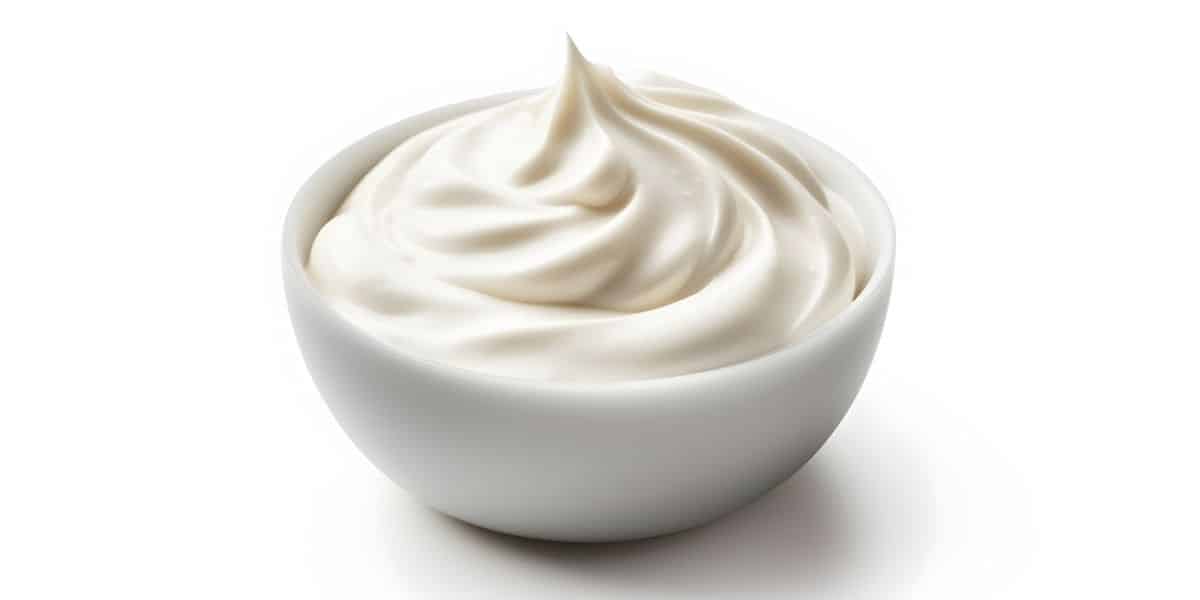
Sour cream is made by fermenting regular cream with lactic acid bacteria. Fermentation gives it its tangy flavor and a creamy texture. It has a lot of uses. It is good on tacos, baked potatoes, and nachos, and it’s used to add creaminess to dips, dressings, and soups. All that said, it is not a great substitute for ricotta cheese.
Flavor and Texture Differences
Sour cream’s flavor and texture differences from ricotta are pretty substantial. It isn’t an ideal substitute for ricotta cheese as the flavor and texture are just too different. This said, if it is what you have in the refrigerator, it will do in a pinch.
How to Substitute Sour Cream For Ricotta Cheese
You can substitute sour cream for ricotta cheese on a 1:1 basis, but here are some considerations:
Adjust the Consistency: Sour cream is a lot wetter than ricotta, so depending on the recipe, you may want to use less sour cream than what the recipe calls for in ricotta. Or, if your mixture seems too wet when you are preparing the recipe, you can add a bit of flour or cornstarch. Taste Adjustment: Since sour cream is a bit tangier, you may want to taste-test your recipe as you go and rebalance the taste with a little sugar or extra herbs or spices to get closer to the flavor the recipe is trying to achieve.
Best Uses for Replacing Ricotta Cheese with Sour Cream
Sour cream can be a reasonable substitute in recipes like dips, creamy soups, and some desserts like coffee cake or muffins. In recipes where ricotta is a main ingredient, like traditional Italian cannoli or certain types of cheesecake, it’s best to stick with ricotta.
Nutrition Content of Ricotta Cheese Vs Substitutes
Using my nutritionist hat, I wanted to touch on the nutritional components of ricotta cheese. The table below shows the nutritional content of 1 ounce of ricotta cheese and three recommended substitutes. Cottage cheese is a low-calorie option, but ricotta isn’t a high-calorie cheese to begin with. Other than that observation, we will let you draw your conclusions. So, in conclusion, what is the best substitute for ricotta cheese? We have to go with cottage cheese, but this is a matter of personal preference. Try others, and let us know what you think in the comments section. This wraps up our look at ricotta cheese substitutes. We hope you found some information here you can use. As always, happy cooking!