Lentils are a common ingredient throughout the world and that spread across cuisines. Their hardy texture and mild flavor making them a great base to many dishes. But, there are many varieties, so how do you know which one to use?
What Are Lentils?
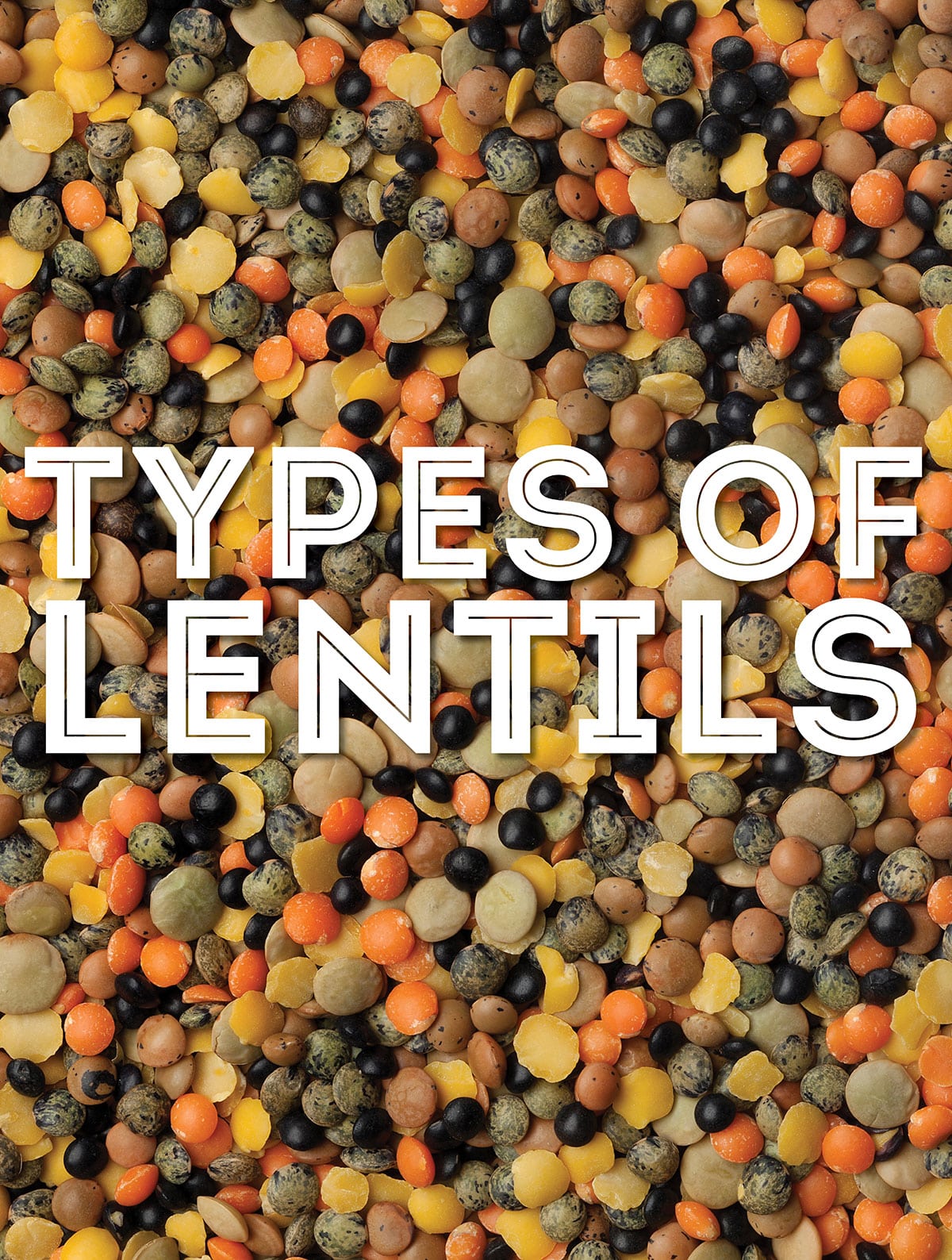
Lentils are small, lens-shaped legumes that come in various colors, primarily green, brown, red, yellow, and black. They are known for their quick cooking time compared to other legumes, making them a convenient and nutritious choice for home cooks (👉 see how to cook lentils).
Are Lentils Beans?
The short answer is NO. Lentils aren’t beans, but beans and lentils are similar and are both legumes. Their cooking uses are also fairly similar. Lentils are small, lens-shaped seeds that come in a bunch of colors, including black, red, yellow, brown, and green. Beans, on the other hand, are usually larger and have different shapes and colors, depending on the variety. So, while lentils and beans are both part of the legume family, they are not the same.
Lentils Flavor
Lentils have a nutty, almost earthy flavor. When you cook them, they become tender but firm enough to hold their shape. This makes them great in soups, stews, and cooked side dishes. They don’t readily turn to mush. They are, however, also great uncooked on salads. As we will discuss, there are differences in firmness, flavor, and texture among the various types of lentils which affects the best culinary uses of each type.
Lentil Origin and Growing Regions
Lentils have been eaten by humans for thousands of years and were probably first cultivated in the Middle East and Mediterranean regions. They are believed to have been one of the first crops cultivated by humans. Today, lentils are grown worldwide, with Canada, India, and the United States as the leading producers. Lentils are pretty hardy and can adapt to many different climates and growing conditions, which is part of the reason they are popular worldwide. The recognition of lentils as a great plant-based protein has only increased their production globally.
Types of Lentils
Black or Beluga Lentils
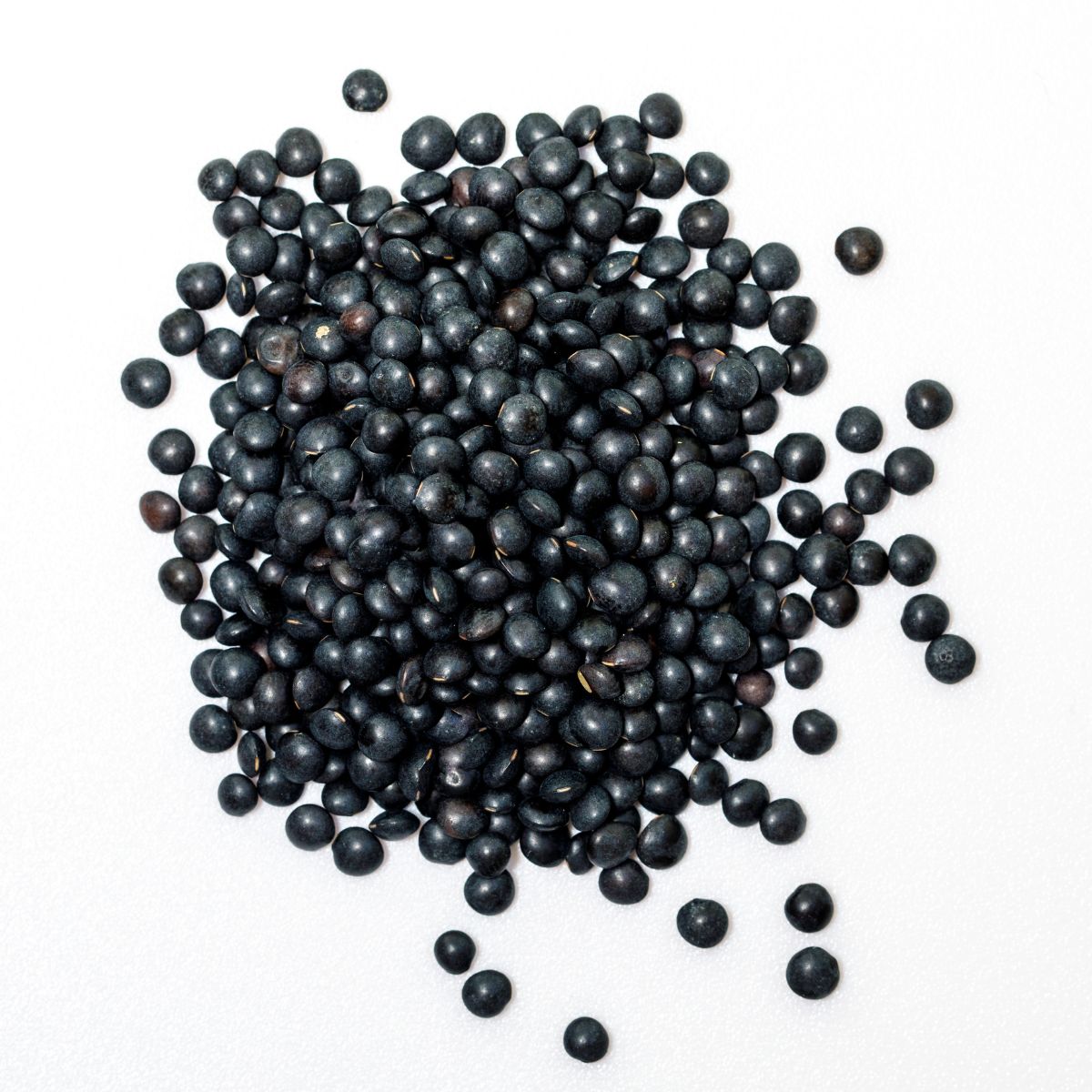
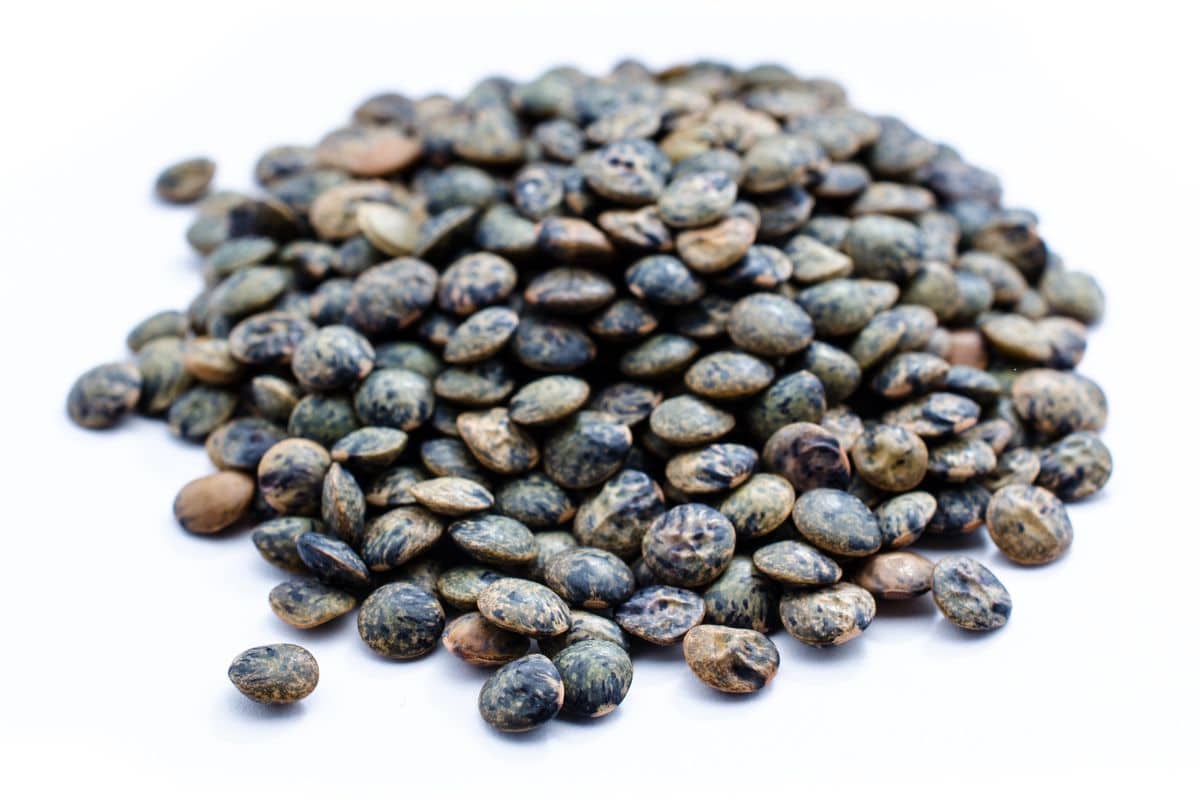
Black Lentil Description and Flavor: Black lentils are also known as beluga lentils, apparently because they look like beluga caviar—not that anyone has ever seen that. They are definitely black (a more fitting name) and small, with a firm texture and rather earthy flavor. Black lentils are typically about ⅓ the size of other lentils. Black Lentil Uses: Their firmness makes them ideal for salads, soups, and side dishes, as they maintain their shape after cooking. This characteristic sets them apart from red or yellow lentils, which tend to become softer and more creamy when cooked. Black lentils can be commonly found in both Asian and North African cuisines, but are also used in many other forms of cooking. Try them in this Madras Lentil Recipe (a copycat of those Tasty Bite lentil pouches everyone loves!)
Brown Lentils
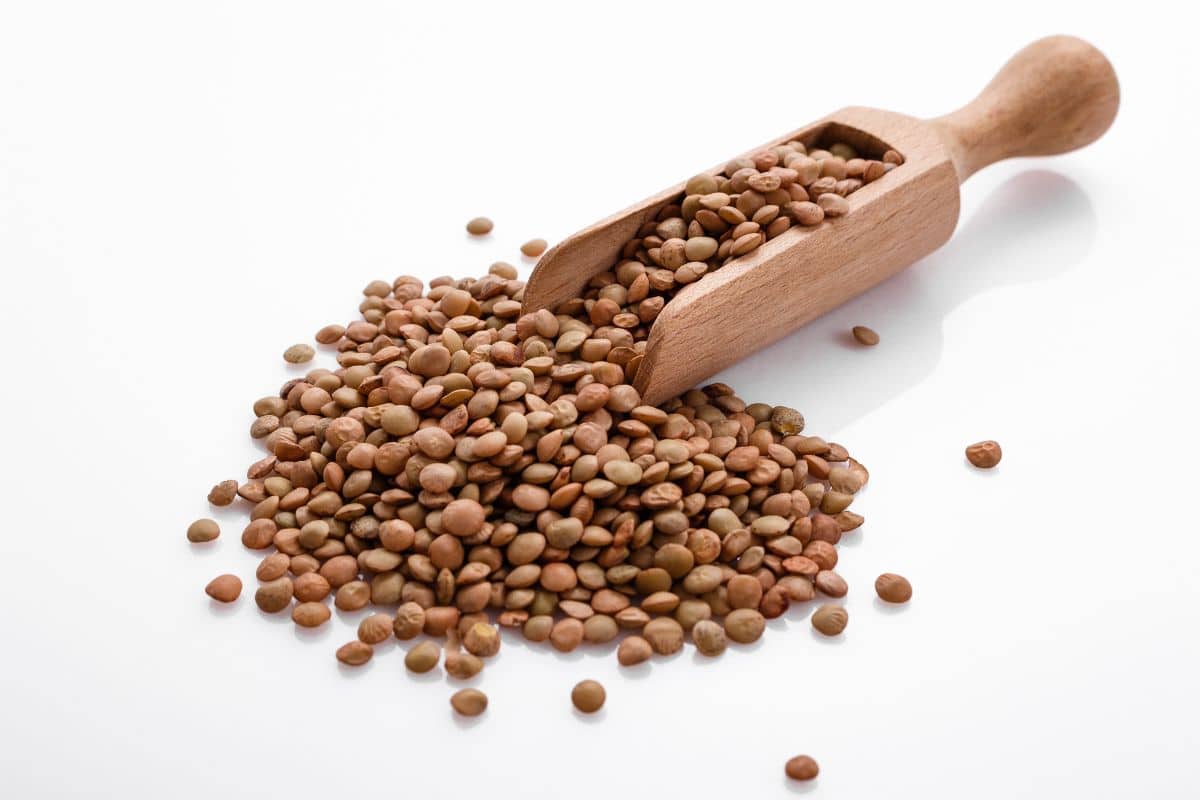
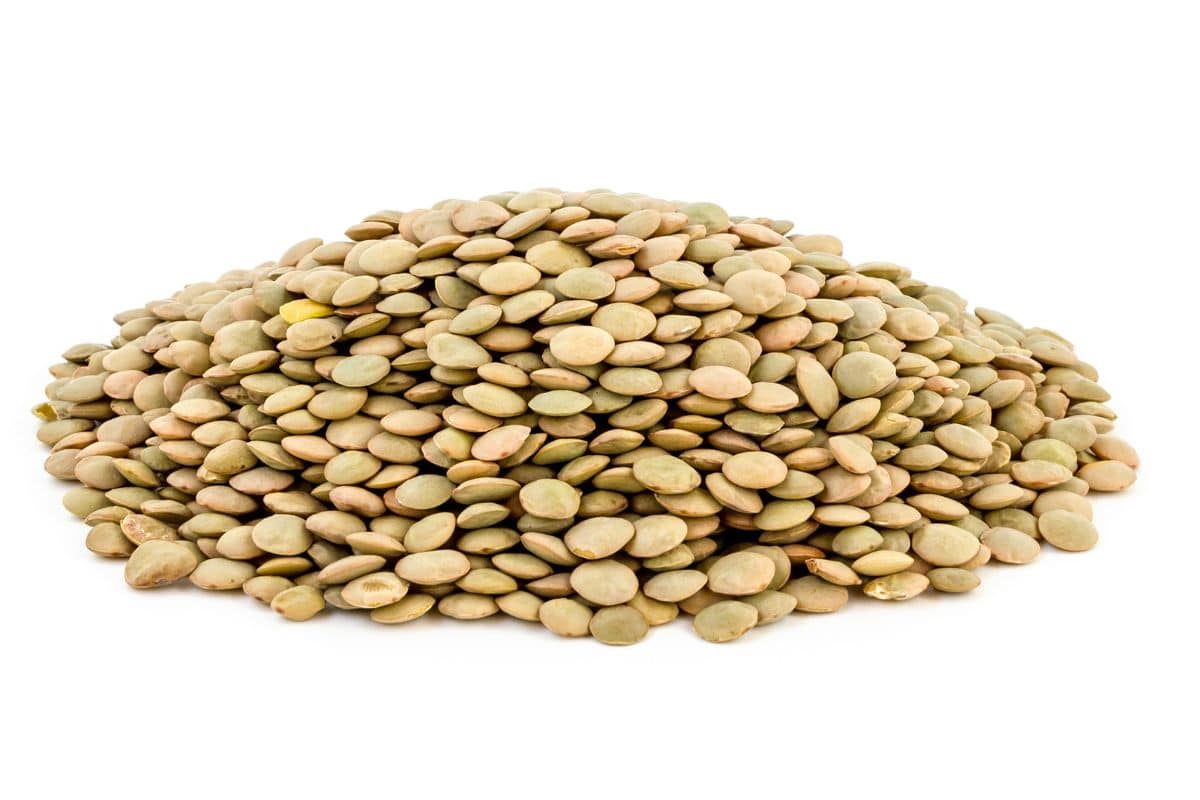
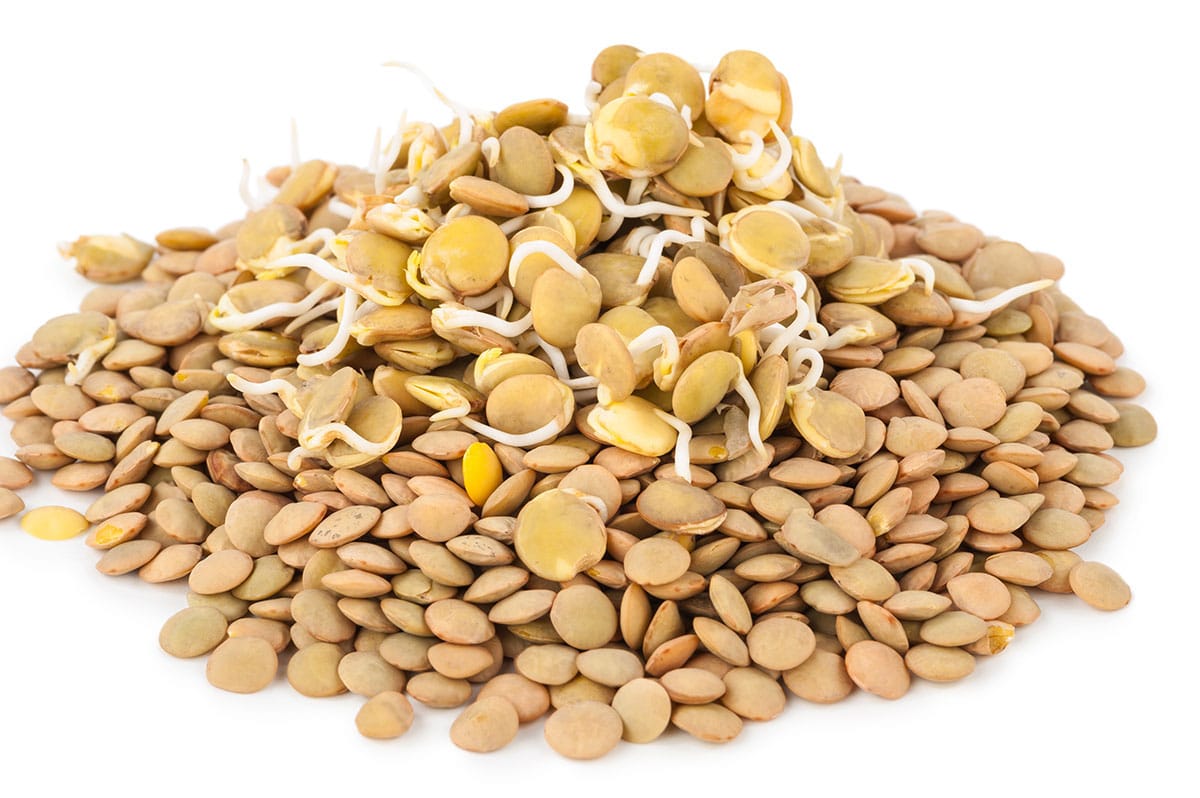
Brown Lentil Description and Flavor: Brown lentils are the most common type of lentil and are often simply labeled as “lentils.” They are generally tan or brownish-green in color and have a mild, earthy flavor, but their taste is not as robust as some other lentil varieties. This allows them to easily absorb the flavors of the seasonings and ingredients they are cooked with. Brown Lentil Uses: They hold their shape when cooked, and can be used in salads, lentil soup, curries, and many vegan and vegetarian recipes. Try them in this Lentil Chili recipe!
French Lentils
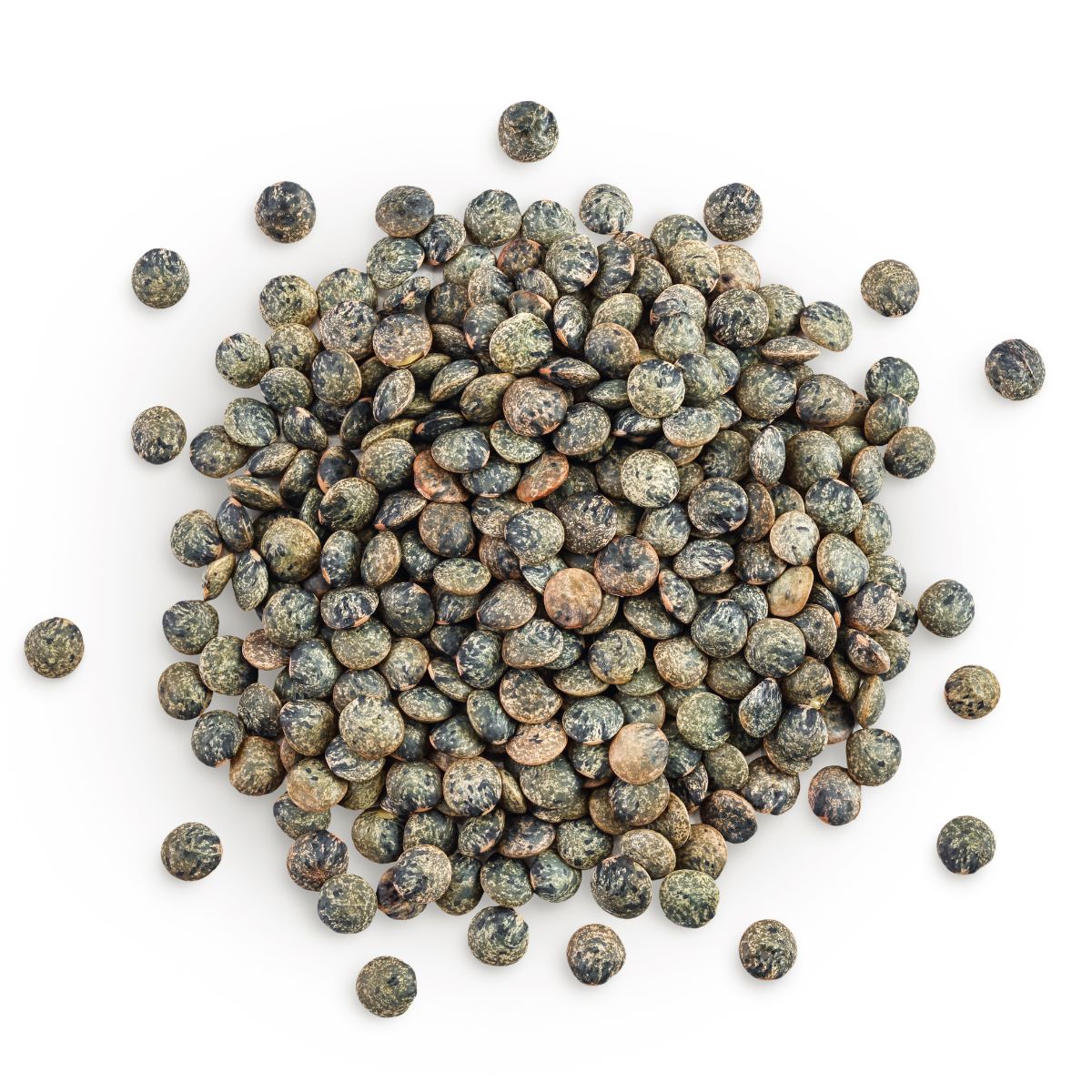
French Lentil Description and Flavor: French lentils have a distinctive speckled appearance with dark green or blackish-blue hues, and are a bit smaller, rounder, and flatter than other lentils. Unlike yellow or red lentils, they hold their shape well when cooked. They have an earthy flavor with a hint of peppery or nutty flavor. French Lentil Uses: They are good on salads since they hold their shape well. They are also a good choice for soups or veggie burgers for the same reason. They don’t turn to mush when cooked. You can serve them as a side dish alongside roasted vegetables or grilled meats. In short, French lentils are often considered superior for dishes in which you want lentils to retain their texture, and for their distinct flavor.
Green Lentils
Green Lentil Description and Flavor: Green lentils are typically dark green or grayish-green in color. They have a robust peppery and earthy flavor with a hint of nuttiness. Unlike red lentils, which tend to disintegrate when cooked, green lentils retain their shape and firmness. Green lentils take slightly longer to cook than red lentils but cook faster than brown lentils. Green Lentil Uses: Green lentils are often used in salads because they hold their shape well. Nobody wants a salad topped with mushy lentils. We are talking about you Red lentils. They also work well in soups and stews, again where you want them to remain whole. Green lentils can also be used as a side dish, seasoned with herbs, spices, and a drizzle of olive oil for a simple side. Finally, we like them in veggie burgers for the same reasons. They will fill your burgers with whole lentils and also serve as a binding agent.
Petite Lentils (Crimson, Golden & Green)
Petite Lentil Description and Flavor: Petite lentils are really small, only about ⅓” in diameter, and are denser than most other lentils, giving them a firmer texture after cooking. Their peppery flavor sets them apart from the milder taste of other lentils like red or brown. Petite Lentil Uses: Many chefs prefer petite lentils for their pronounced taste and ability to maintain their shape and firm texture after cooking. They work exceptionally well in cold salads and can be added to soups and stews, contributing both flavor and texture. Due to their high protein content, petite lentils are often used as a meat substitute in vegetarian and vegan recipes, such as lentil burgers or meatless meatballs. There are even recipes for using them in bread and pastry recipes.
Puy Lentils
Puy Lentil Description and Flavor: Also known as Le Puy Lentils, these are a variant of green lentils specifically grown in the Puy region of France. They are similar to French lentils, except that they grow in volcanic soil making the taste slightly different. They have a deep, slate-green or bluish-gray color and are small and round with a firm texture. Puy Lentil Uses: As a lentil that holds its shape well, they are good in soups and salads, or any of the other uses we listed under French lentils.
Red Lentils
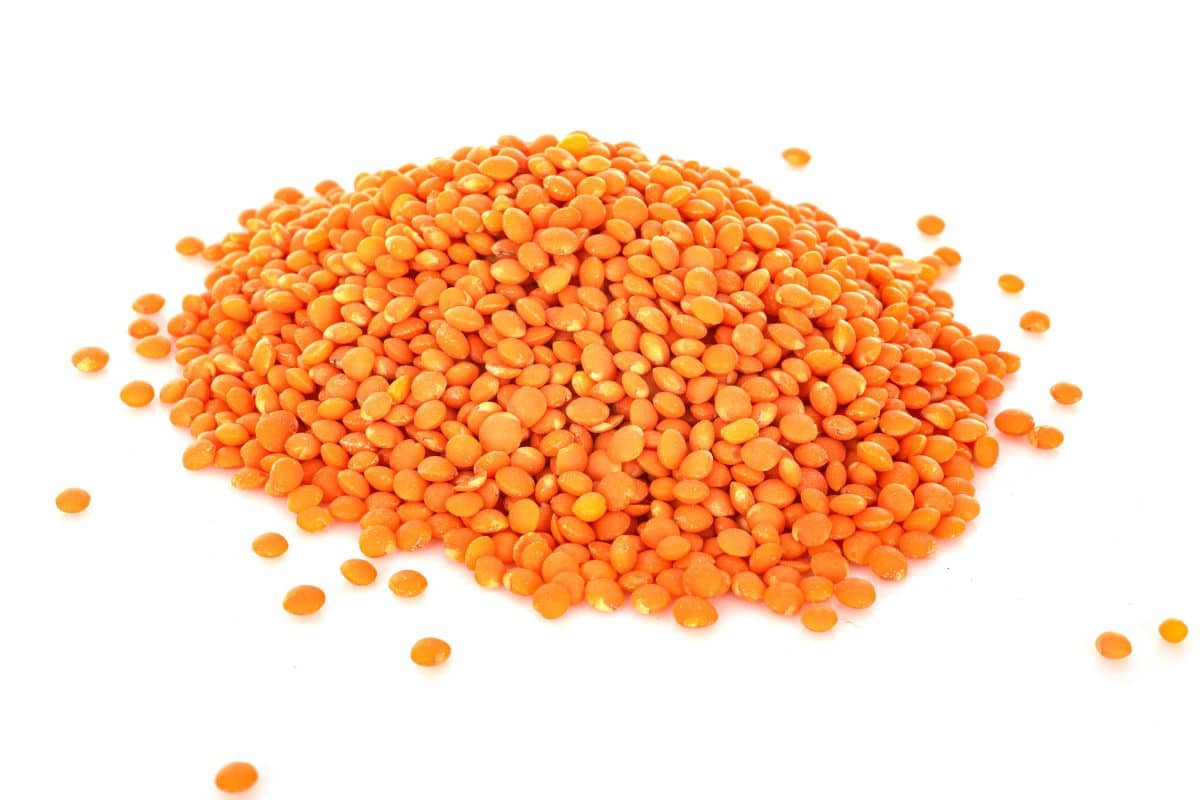
Red Lentil Description and Flavor: Red lentils are also called coral or Egyptian lentils, and are reddish-orange colored. They are normally sold with the outer coat removed which makes them cook quickly and break down quickly. They have an earthy, slightly sweet flavor, and are not as peppery as some other varieties. Red Lentil Uses: Because red lentils break down and become mushy when cooked, they are the perfect lentil for thickening soups, stews, curries, and dishes in which a creamy consistency is the goal. They are also commonly used to prepare traditional Middle Eastern and Indian dishes such as dals.
Yellow Lentils
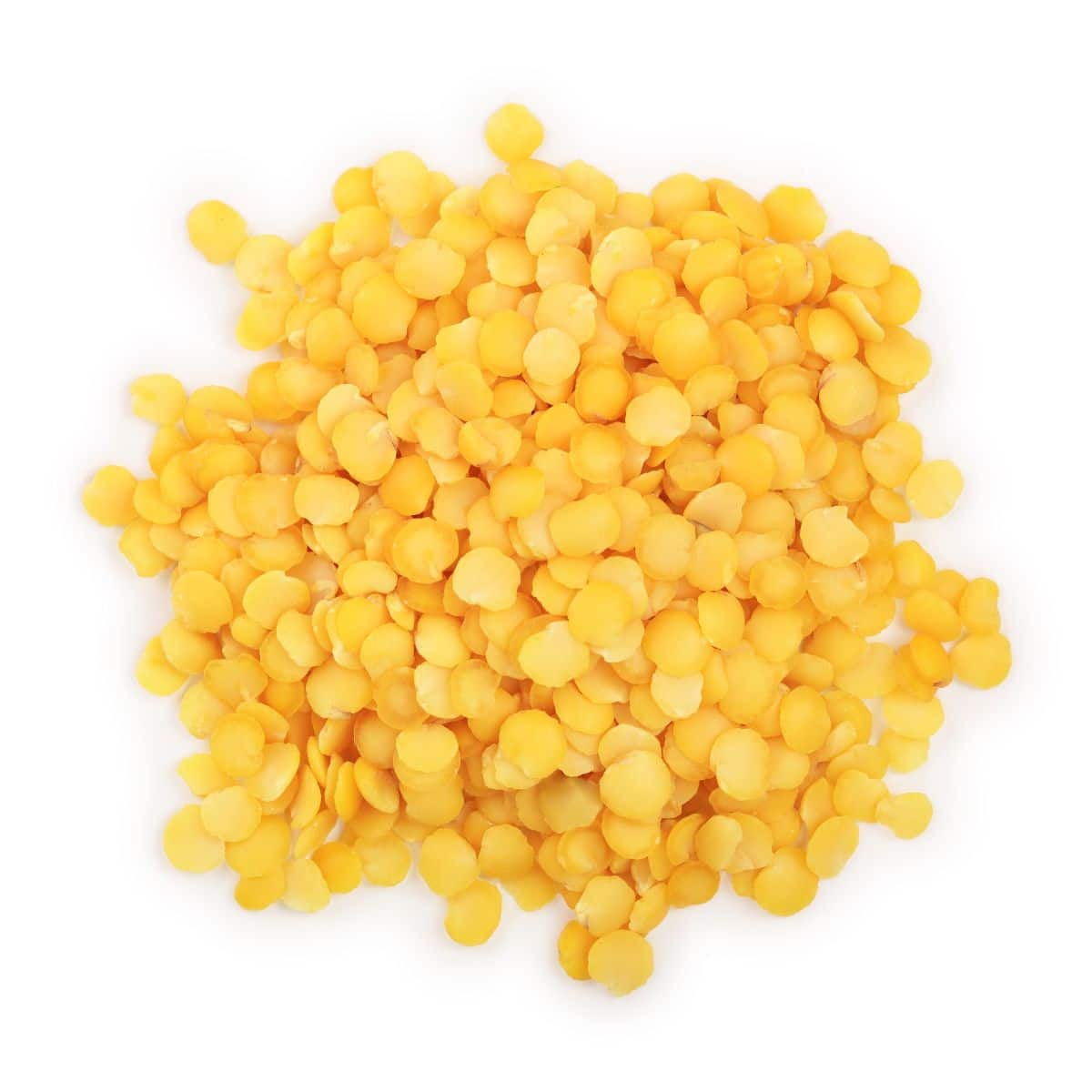
Yellow Lentil Description and Flavor: Yellow lentils, also known as split yellow lentils or moong dal, are small, flat, and oval-shaped legumes with a bright yellow color. They are typically split and hulled, which means the outer greenish-brown skin is removed, leaving the soft, yellow interior which they tend to maintain (the color) when cooked. This split variety cooks faster than whole lentils and has a smooth texture. Yellow lentils have a mild, slightly sweet flavor with a subtle nuttiness. They are not as earthy or peppery as some other lentil varieties. Yellow Lentil Uses: Yellow lentils are often a preferred choice for dishes where a mild lentil taste is desired. They are a primary ingredient in many Indian dal dishes, where they are cooked into a flavorful, creamy stew-like consistency with spices like turmeric, cumin, and coriander. It’s often served with rice or flatbreads like naan. Yellow lentils can be used to thicken and add protein to soups and curries. They break down during cooking, creating a creamy texture that works well in lentil soups and pureed vegetable soups.
Canned Lentils
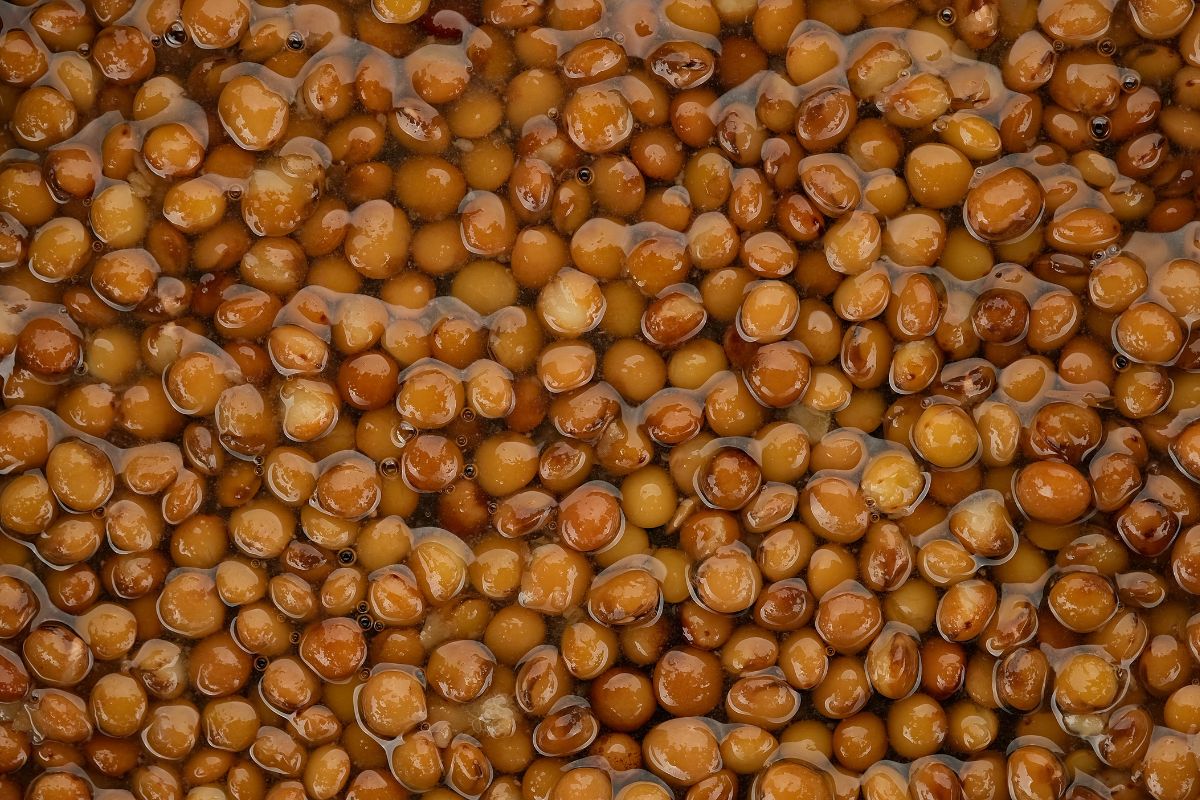
Canned lentils are a convenient pantry staple as you have precooked lentils ready to go when you need them. Texture and Flavor of Canned Lentils: They have a milder and somewhat softer flavor compared to dry lentils. They tend to be a bit more tender and less earthy or nutty in taste. This is because they are precooked and often come in a liquid (usually water or a mild broth) that can dilute their flavor. The flavor can vary slightly depending on the brand.
Advantages of Canned Lentils
Convenience: Canned lentils are pre-cooked, which saves you a significant amount of cooking time. They are ready to use straight from the can. Consistency: Canned lentils have a consistent texture and tend to hold their shape well. This can be useful in dishes where you want a uniform texture.
Disadvantages of Canned Lentils
Cost: Canned lentils are often more expensive than dry lentils on a per-weight basis, which can add up if you use them frequently. Sodium Content: Canned lentils may contain added salt, which can dramatically raise the overall sodium content of your dishes. To reduce the sodium content, you can rinse them thoroughly before use. You should check the can’s nutrition labels before you buy. There are brands that do not add sodium to their lentils. Limited Variety: Canned lentils are typically available in a limited range of varieties (e.g., brown or green), while dry lentils offer more options. Texture: The texture of canned lentils can be slightly softer than desired in some dishes, especially if you’re looking for a firmer texture. You certainly have less control over the texture with canned lentils than you would cooking them yourself. Note: Lentils do not require soaking which is a decided advantage when you don’t decide until 7 pm what to make for dinner.
Lentil Uses
There is a whole wide world of ways to use lentils. Here are just a few (ok, maybe a lot) of ideas! Soups and Stews: Lentils are a great addition to soups and stews. They add a hearty texture and can absorb the flavors of the broth or seasoning. Lentil soup is a classic example, but you can also incorporate them into vegetable soups and meat stews. Salads: Lentils work well in salads, both cold and warm. They provide a protein and fiber boost, making salads more filling. Curries: Lentils are commonly used in Indian cuisine, particularly in dishes like dal. They cook relatively quickly and absorb the flavors of spices and herbs, making them an essential ingredient in many vegetarian and vegan curries. Burgers and Meatballs: Lentils can be mashed and combined with other ingredients to create vegetarian or vegan burgers and meatballs. They provide a meaty texture and are a great way to add plant-based protein to your diet. Side Dishes: Lentils are a nutritious side dish. For example, you can cook them with onions, garlic, and herbs and serve them alongside roasted vegetables or grilled meats. Lentil Tacos: Lentils can be seasoned and used as a filling for tacos, burritos, or enchiladas, providing a protein-packed and flavorful alternative to traditional meat fillings. Lentil Pilaf: Cook lentils with rice and aromatic spices to create a flavorful and nutritious pilaf. This dish is common in Middle Eastern and Mediterranean cuisines. Lentil Breakfast: Incorporate lentils into your breakfast by adding them to omelets, frittatas, or breakfast burritos. They can add a protein boost and a unique texture to your morning meal. Lentil Bolognese: Replace or combine lentils with ground meat in your spaghetti sauce to create a hearty and vegetarian-friendly Bolognese sauce. This wraps up our look at different types of lentils. We hope you found something here you can use in your kitchen, and as always happy cooking from your friends at Live Eat Learn.