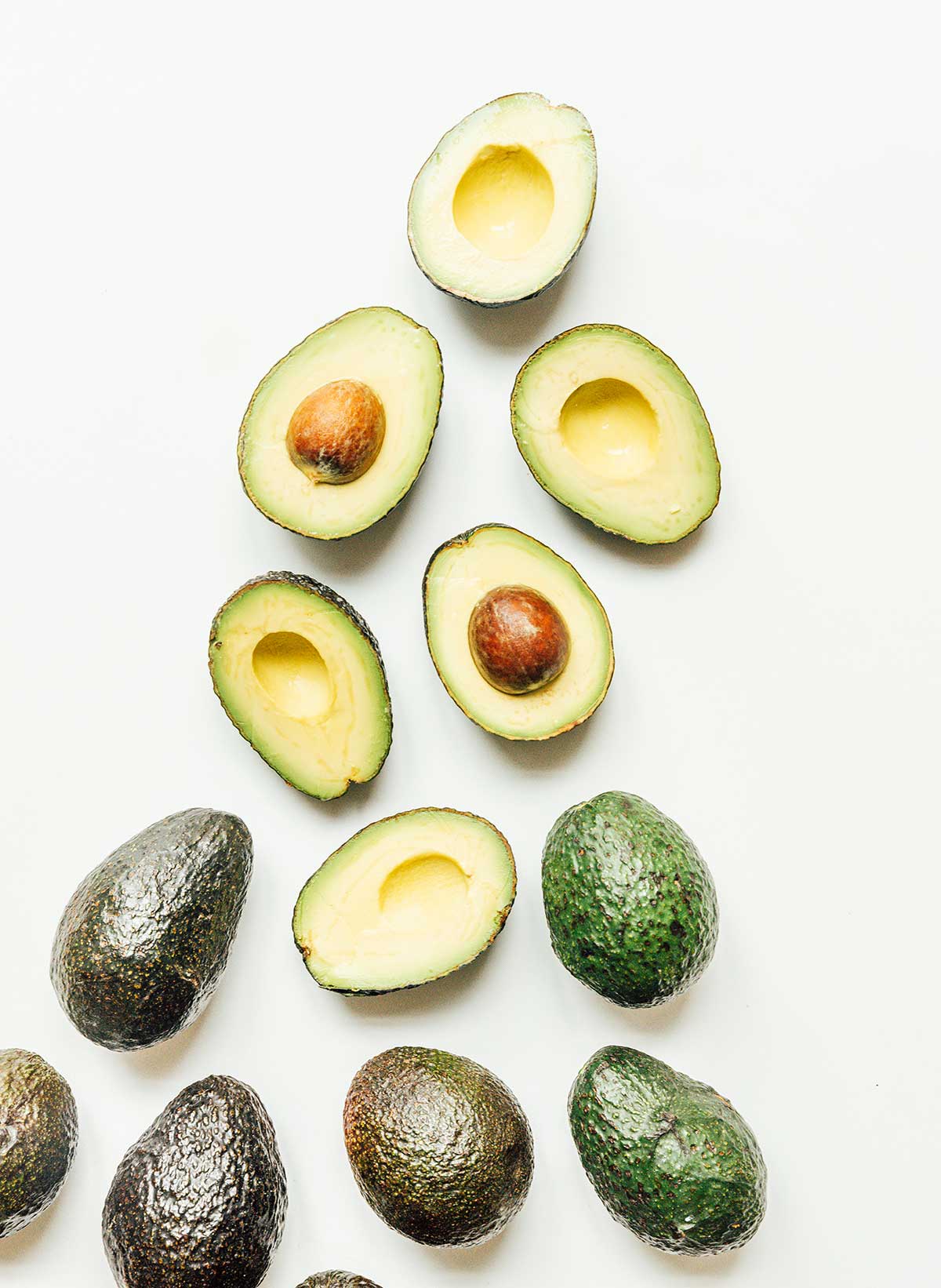
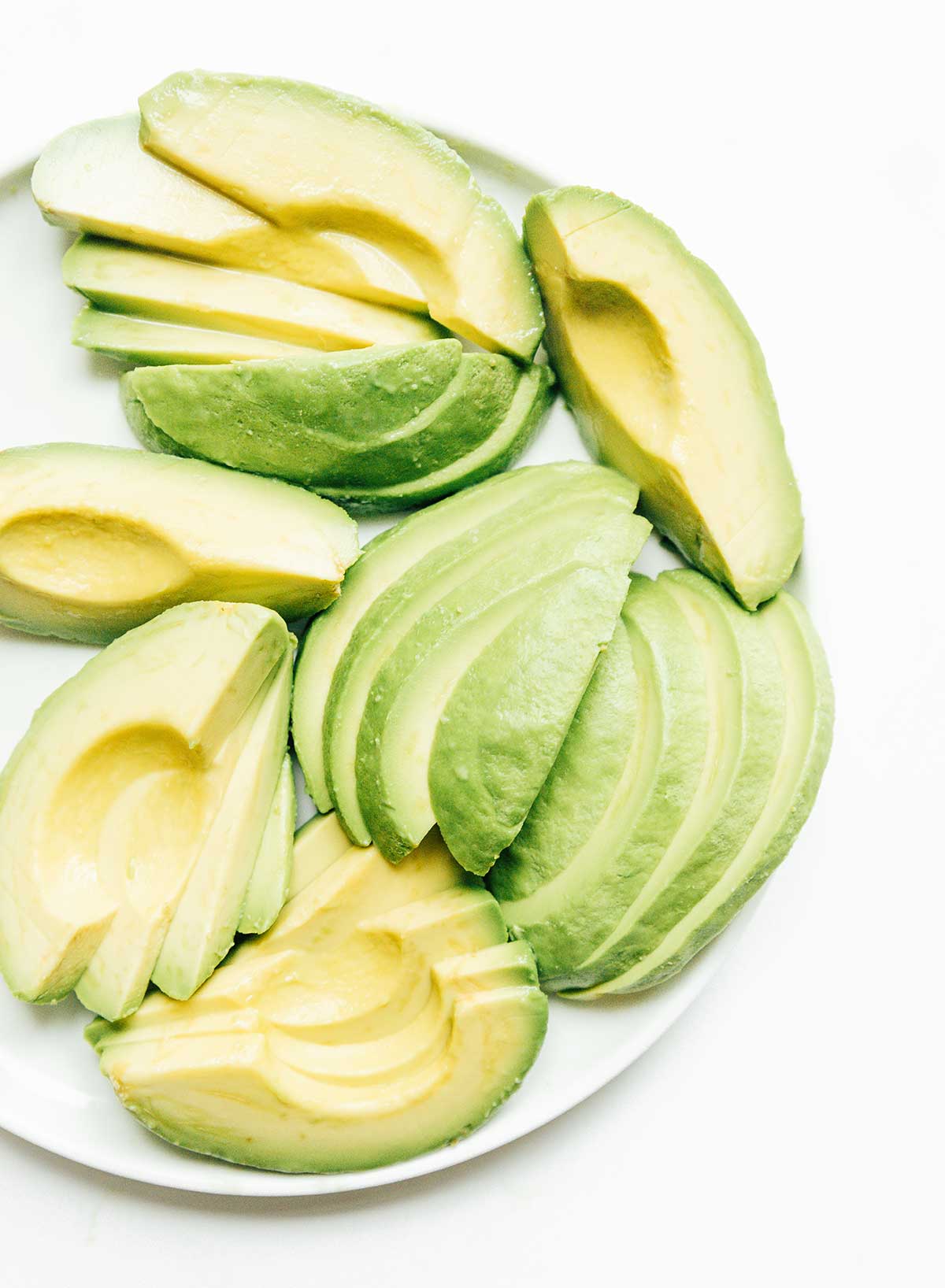
We all know ‘em, we all love ‘em, but are avocados really that healthy? In short, yes! But first, have you ever wondered why we suddenly became infatuated with avocados? Well there used to be a ban on fruits and vegetables from Mexico (the birthplace of the avocado) to America. When these import restrictions were loosened in the 90’s and finally removed in 2007, avocados (or palta in Spanish) could flow freely into our country (and mouths). A rising Hispanic population has also brought with it Mexican cuisine, namely in the form of guacamole. Top this all with the early 2000’s love of low carb, high fat diets and you have the makin’s for a decade that’s gone avocontrol.
Health Benefits of Avocado
When the question is, “Are avocados food for you?” the answer is…yes! Sort of. Avocados are a great source of healthy fats and are loaded with nutrients, like folate and potassium! I’ll put on my nutritionist brain and break it down! (This information is per 1 avocado, without the seed or skin.) Calories in Avocado: 227Avocado is relatively high in calories, especially when compared to most fruit and vegetables! There are 227 calories in 1 avocado. Carbs in avocado: 12 gWhile not totally carb free, avocados are pretty low in carbs and can be suitable for a low carb or keto diet. Fiber in avocado: 9 gAvocados are an excellent source of fiber, and have 39% of your Daily Value (DV). This means that avocados can can make you to feel full, helping you to eat less and lose weight. Protein in avocado: 3 gAvocado are not a great source of protein, with only 3 grams of protein in a whole avocado. Fat in avocado: 21 gHow much fat is in avocado? Well, a lot! (That’s what makes avocado oil possible!) Most of the calories in avocado come from fat – 189 out of the 227 calories are from fat. Fortunately, 10 grams of that is from monounsaturated fat, which is a more heart-healthy fat than saturated fat or trans fat. 36% Daily Value of Vitamin KAvocado is a great source of Vitamin K, a fat-soluble vitamin that helps maintain healthy blood clotting and bone synthesis. 30% Daily Value of FolateAvocado is rich in folate, which is a water-soluble vitamin that helps make DNA & RNA. 20% Daily Value of PotassiumThere is a high amount of potassium in avocado, a key mineral and electrolyte involved in countless processes, including healthy nervous system functioning and contraction of the heart and muscles! 20% Daily Value of Vitamin C1 avocado contains a fifth of the vitamin C that you need in a day! This antioxidant helps maintain your immune system as well as helps to create collagen. 13% Daily Value of Vitamin EAvocado is a good source of Vitamin E (a.k.a Tocopherols and Tocotrienols), a fat-soluble vitamin that acts as an antioxidant, helping to maintain your immune system.
What Does Avocado Taste Like?
Ripe avocados taste earthy and buttery, with a creamy texture that melts in your mouth. Some people describe avocado as grassy or nutty, with riper avocados having a more intense flavor. While their rich flavor makes them great for a backbone in a range of avocado recipes (like avocado soup or avocado toast), they can also be mild enough to combine with ingredients like chocolate (give this avocado smoothie or avocado ice cream a go)! The texture of avocados is soft and creamy, making it a fun textural variation to things like avocado salads and avocado sandwiches.
Where do avocados grow?
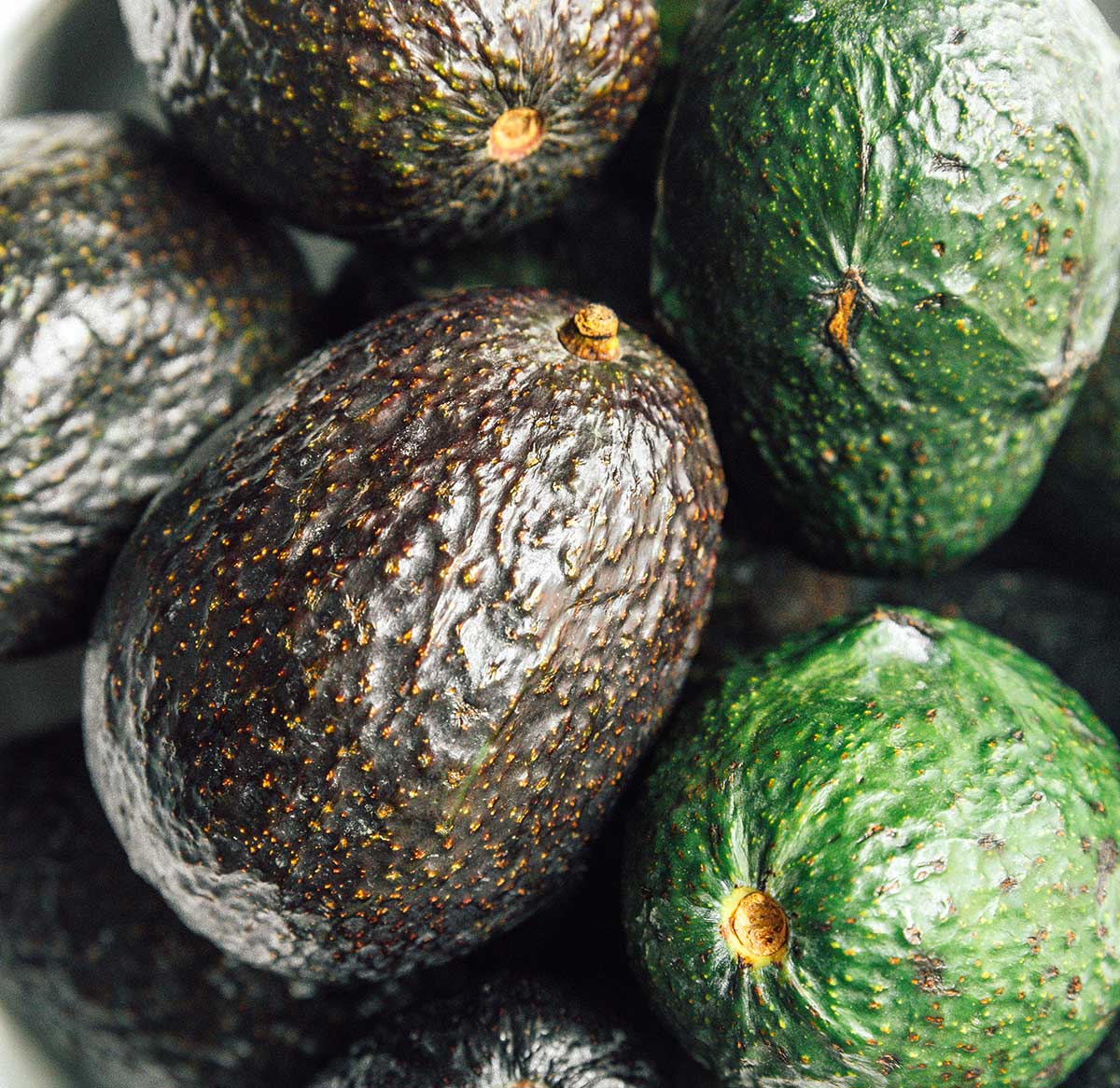
Avocados thrive in tropical and subtropical regions like parts of the United States (namely California, Florida, and Hawaii) along with Central and South America. Today, the most popular variety of avocado, accounting for 80% of avocados in the world, is the Hass Avocado. These all originate from the same Californian mother tree!
How to Pick An Avocado
Everyone knows that the trickiest part of eating an avocado is picking a good avocado! Here’s how to tell if an avocado is ripe: cup it in the palm of your hand and gently squeeze. A ripe avocado will give slightly.
How To Store Avocado
Store avocados at room temperature until ripe. Once ripe, stick them in the fridge to prevent it from over-ripening. For longterm storage, here’s how to freeze avocado.
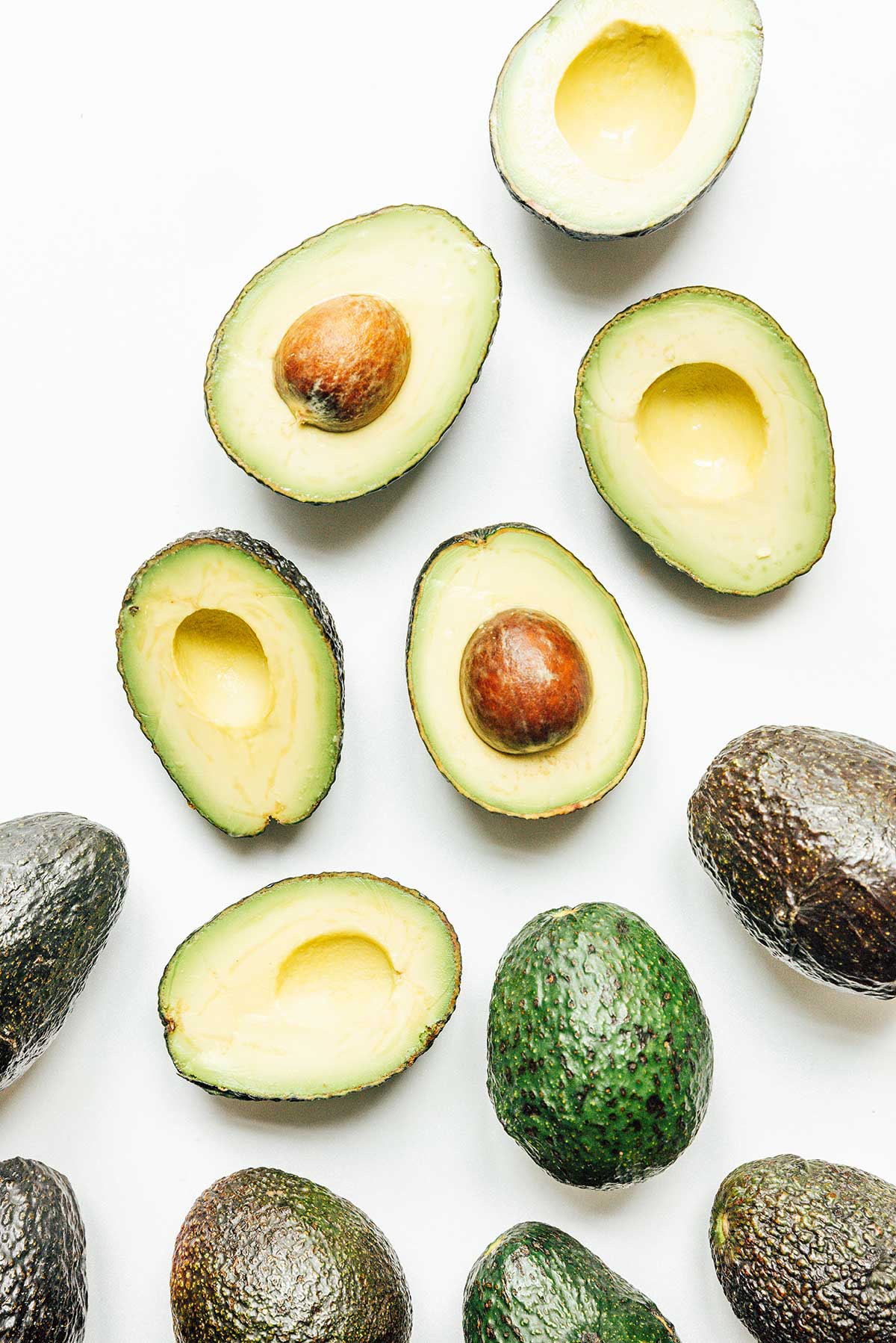
Green: Your avocado is perfectly ripe Brown: Overripe Difficult to remove: Your avocado isn’t ripe yet.
Want to know how to quickly ripen an avocado? You can soften avocado quickly by storing your avocados in a paper bag with an apple or banana. These fruits give off a lot of ethylene gas, which will get caught in the bag and speed up the ripening of your avocado. Already cut your avocado? Here’s how to keep avocado rom turning brown! Rub the avocado with a touch of lemon or lime juice before storing in an airtight container in the refrigerator. This will keep oxygen from turning the avocado brown. (Pssst, your cut avocado may turn brown, but it may still be safe to eat! To tell if an avocado is bad, look for signs of mold or a sour smell.) Ready to get cooking? Here’s how to cut avocados, or check out our favorite vegetarian avocado recipes!