Oh, broccoli. The ubiquitous vegetable that people everywhere love to hate. But with some careful coaxing, broccoli can be the star of your dinner table! Stay tuned for all the broccoli recipes to come. Today, we’re breaking down everything you need to know about broccoli!
What is broccoli?
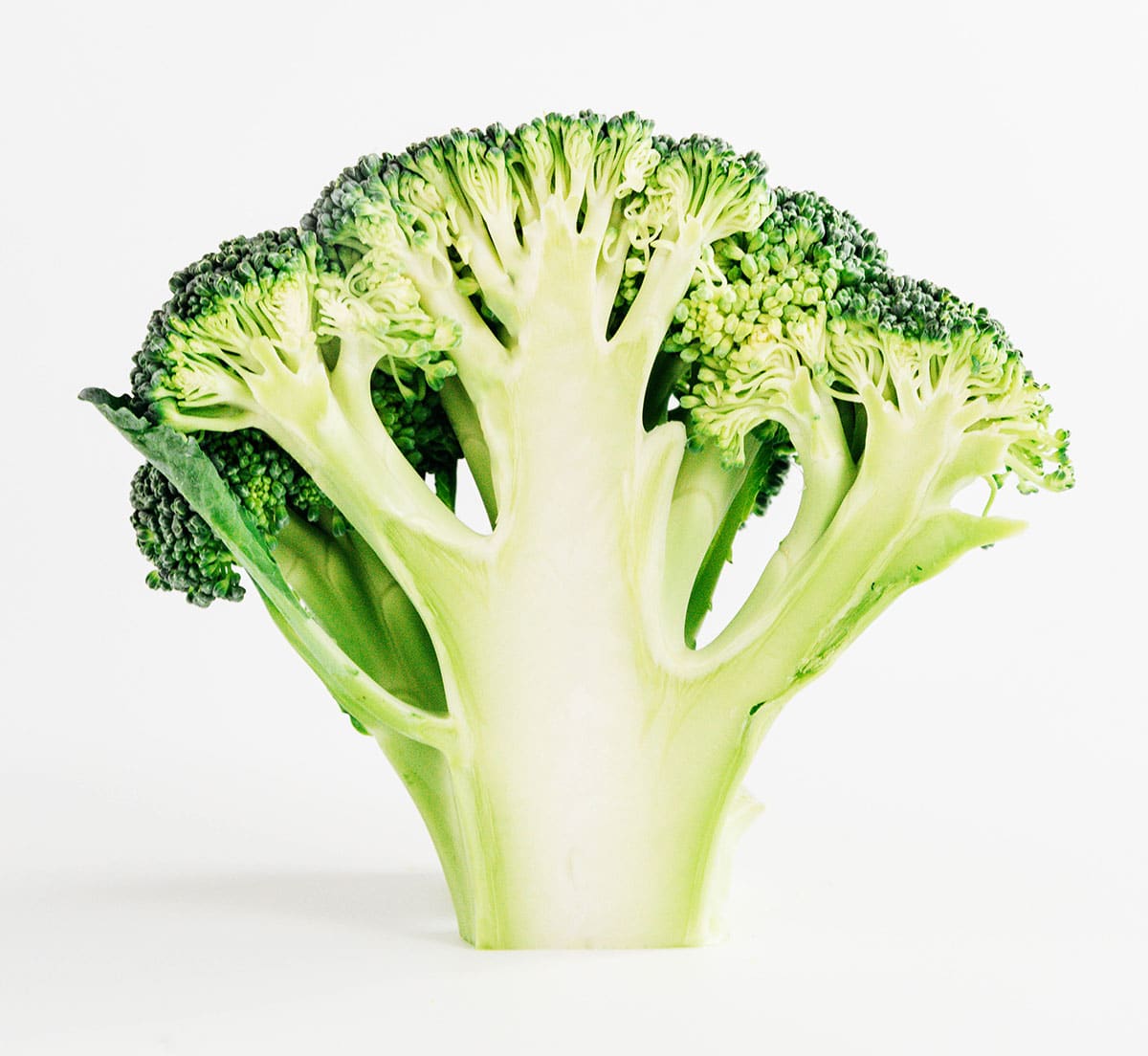
Broccoli is a member of the brassica family, which also includes cauliflower, Brussels sprouts, and kale. Broccoli is an annual plant that grows best in cool weather. The florets of the broccoli plant are actually unopened flower heads. And it may surprise you to know that broccoli is man made! Before humans, broccoli did not naturally exist in the wild. It was bred from wild cabbage in order to be more palatable and tasty!
How do you choose broccoli?
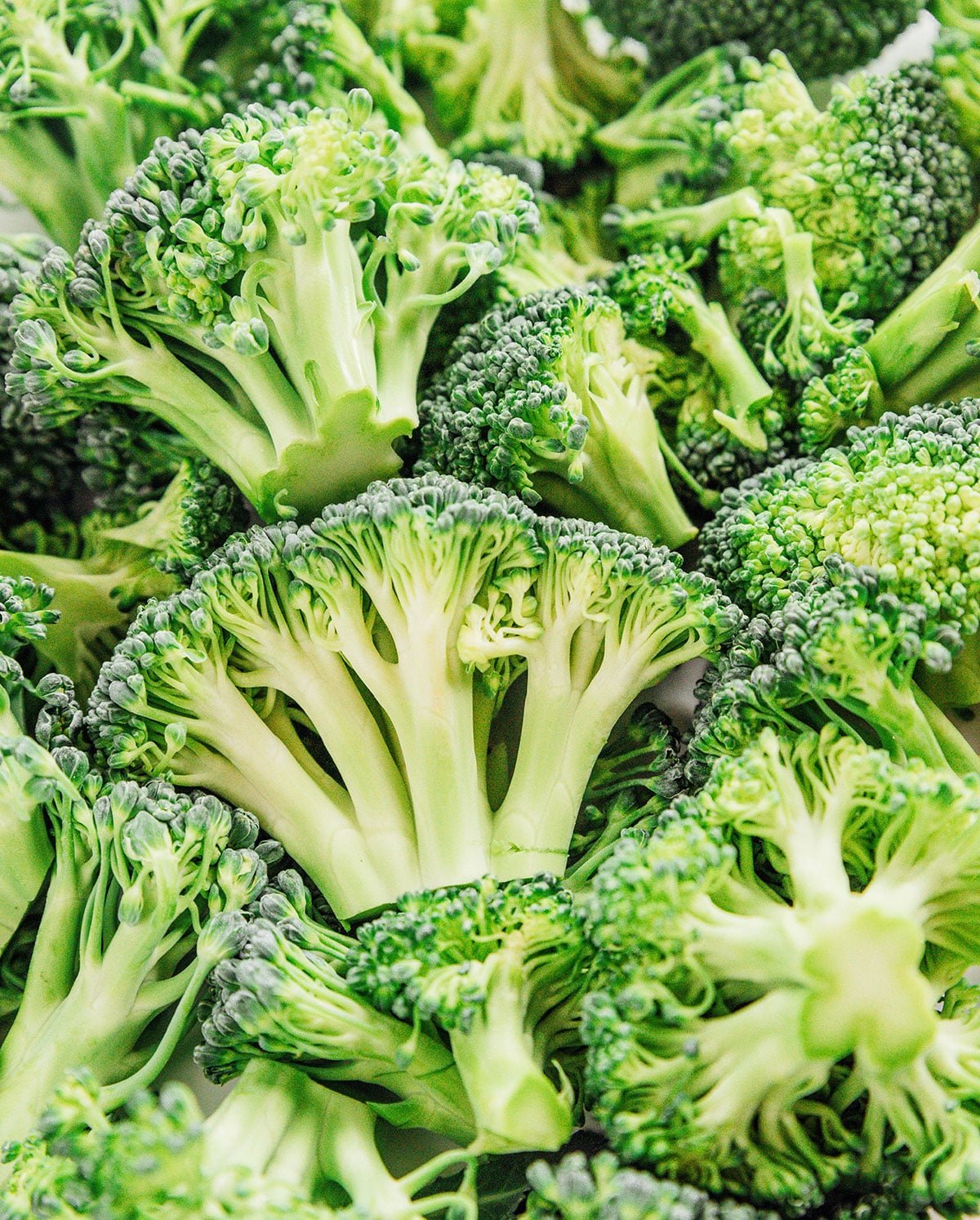
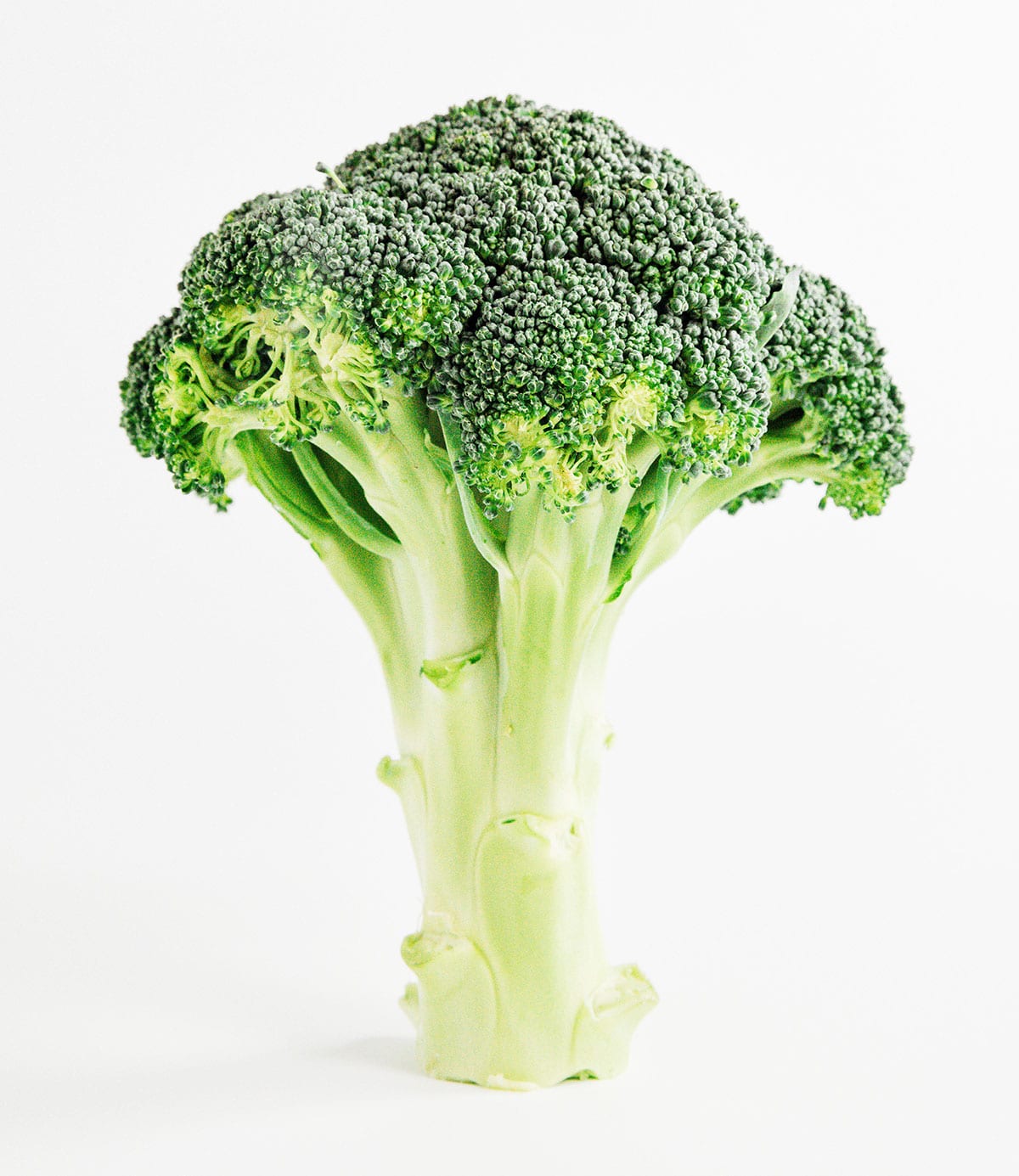
When selecting broccoli, look for bright green florets with no signs of yellowing. The stalk should be firm, and the florets should be tightly closed. Avoid broccoli with wilted leaves or brown spots.
How to store broccoli
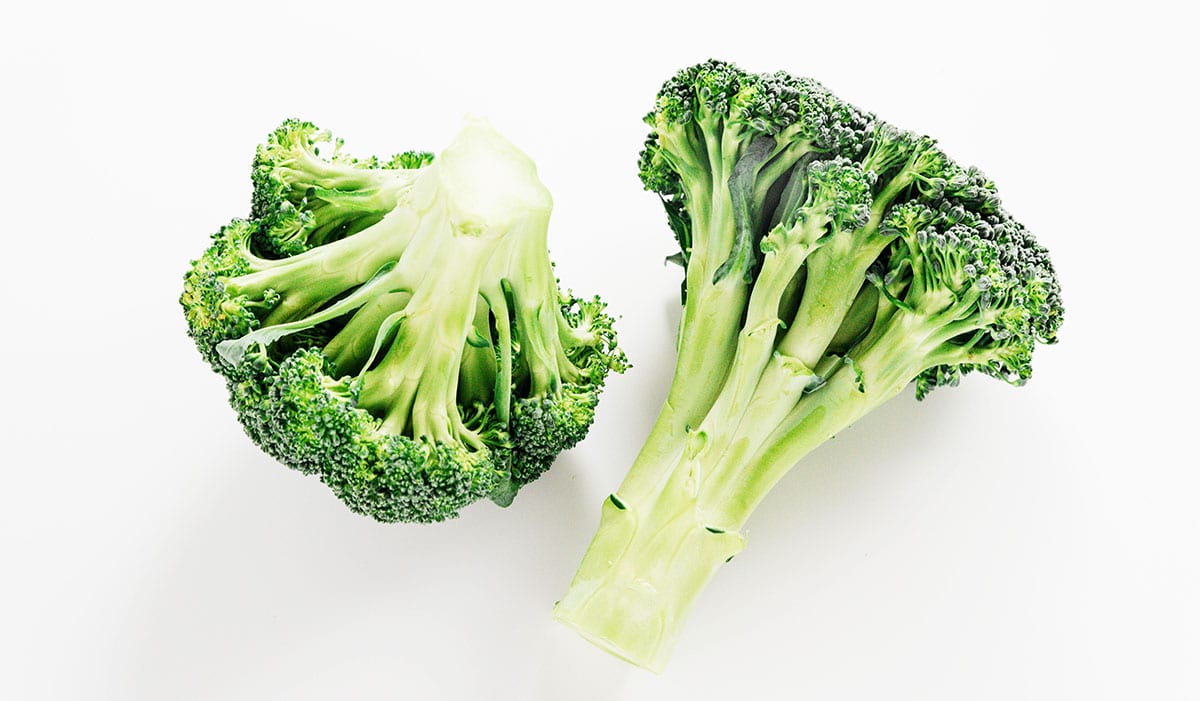
Properly stored, fresh broccoli will last for 3-5 days in your refrigerator. To store, trim the ends of the broccoli and cut it into bite-size pieces. Place the broccoli in a plastic bag or container and store it in the crisper drawer of your fridge. You can also freeze broccoli for long-term storage. Cut the broccoli into small pieces, spread it out on a baking sheet, and freeze for 1-2 hours. Once frozen, transfer the broccoli to a freezer bag or container. Frozen broccoli will last for 6-8 months.
Broccoli vs. Cauliflower
While broccoli and cauliflower are both members of the brassica family, there are some notable differences between the two vegetables. Broccoli has a green color, while cauliflower is white. Broccoli also has a stronger flavor than cauliflower. When it comes to nutrition, broccoli is a better source of vitamins C, A, and K, while cauliflower is a better source of vitamin B6.
Broccoli vs. Purple Broccoli
Did you know broccoli can be purple? The main difference between regular broccoli and purple sprouting broccoli lies in their appearance and growth patterns. Regular broccoli typically has a large central head with thick stalks, while purple sprouting broccoli forms multiple smaller florets along slender stems. The color is also distinct, as purple sprouting broccoli showcases vibrant purple-hued florets compared to the green color of regular broccoli. Taste-wise, purple sprouting broccoli tends to be slightly sweeter and more delicate in flavor. Additionally, purple sprouting broccoli is known for its longer harvesting season, often providing fresh and delicious florets during late winter and early spring when other broccoli varieties may be less available.
Broccoli Nutrition
When it comes to healthy eating, broccoli is often hailed as a superfood. And for good reason – this nutrient-packed veggie provides numerous health benefits. Here’s a quick overview of what broccoli can do for you: Here is the broccoli nutrition information for 1 cup of chopped broccoli florets (about 91 grams): Calories in Broccoli: 31Broccoli is incredibly low in calories, making it a great choice for people looking to lose or maintain their weight. Carbs in Broccoli: 6 gramsBroccoli is low in carbohydrates, making it suitable for low carb or keto diets. Fiber in Broccoli: 2.3 gramsWhile not a great source of fiber, broccoli does contain a bit, taking care of 8% of your daily requirement for fiber. Protein in Broccoli: 2.5 gramsAs with most fruits and vegetables, broccoli is not a good source of protein. Fat in Broccoli: 0.3 gramsAs with most fruits and vegetables, broccoli is very low in fat. 90% Daily Value of Vitamin C1 cup of broccoli contains almost all of the vitamin C that you need in a day! This antioxidant helps maintain your immune system as well as helps to create collagen. 77% Daily Value of Vitamin KBroccoli contains Vitamin K, a fat-soluble vitamin that helps maintain healthy blood clotting and bone synthesis. 14% Daily Value of FolateBroccoli is rich in folate, which is a water-soluble vitamin that helps make DNA & RNA.