Cabbage and Lettuce are similar in that they are both leafy greens, extremely low calorie foods, and both bring a lot of nutritional benefits with them. Otherwise, they are pretty different in origin, appearance, flavor, and texture, as well as their many varieties and uses. Let’s get into all of it.
Origin and History
Origin of Cabbage: The cabbage originated in Europe probably around 1000 BCE. It was likely around before that as a plant growing wild in Europe. The ancient Greeks and Romans both cultivated and ate cabbage. The Greeks went further attributing medicinal benefits to cabbage. Given its high fiber and nutrient content, this wasn’t unreasonable. After the fall of the Greek and Roman empires cabbage remained a staple in medieval European diets. It stores well and turns bad slowly, so it was a good food to store for the winter or for Europe’s all too frequent famines and wars. European colonists brought cabbage to the Americas where it became an important part of colonial gardens and farms for the same reasons it was depended on in Europe. As with so many vegetables, farmers selectively bred cabbage plants to develop new hybrids to achieve different traits like more compact heads, different colors, larger leaves, better cold resistance, you name it. This led to the development of some of our favorite varieties to include green, red, savoy, and Napa. Origin of Lettuce: Lettuce originated in the region of the Eastern Mediterranean Sea in the area that is now Egypt and the Middle East. The Ancient Egyptians were probably the first to cultivate lettuce. Earlier people probably simply harvested several wild varieties of lettuce. Lettuce continued to be cultivated and eaten in the medieval and renaissance periods, and was used in salads or as a garnish long before we came up with the BLT. As explorers and colonists made their way to the Americas, they brought varieties of lettuce with them. Lettuce has clearly planted itself (pardon the irresistible pun) wherever it was introduced making it the worldwide staple it is today.
Appearance
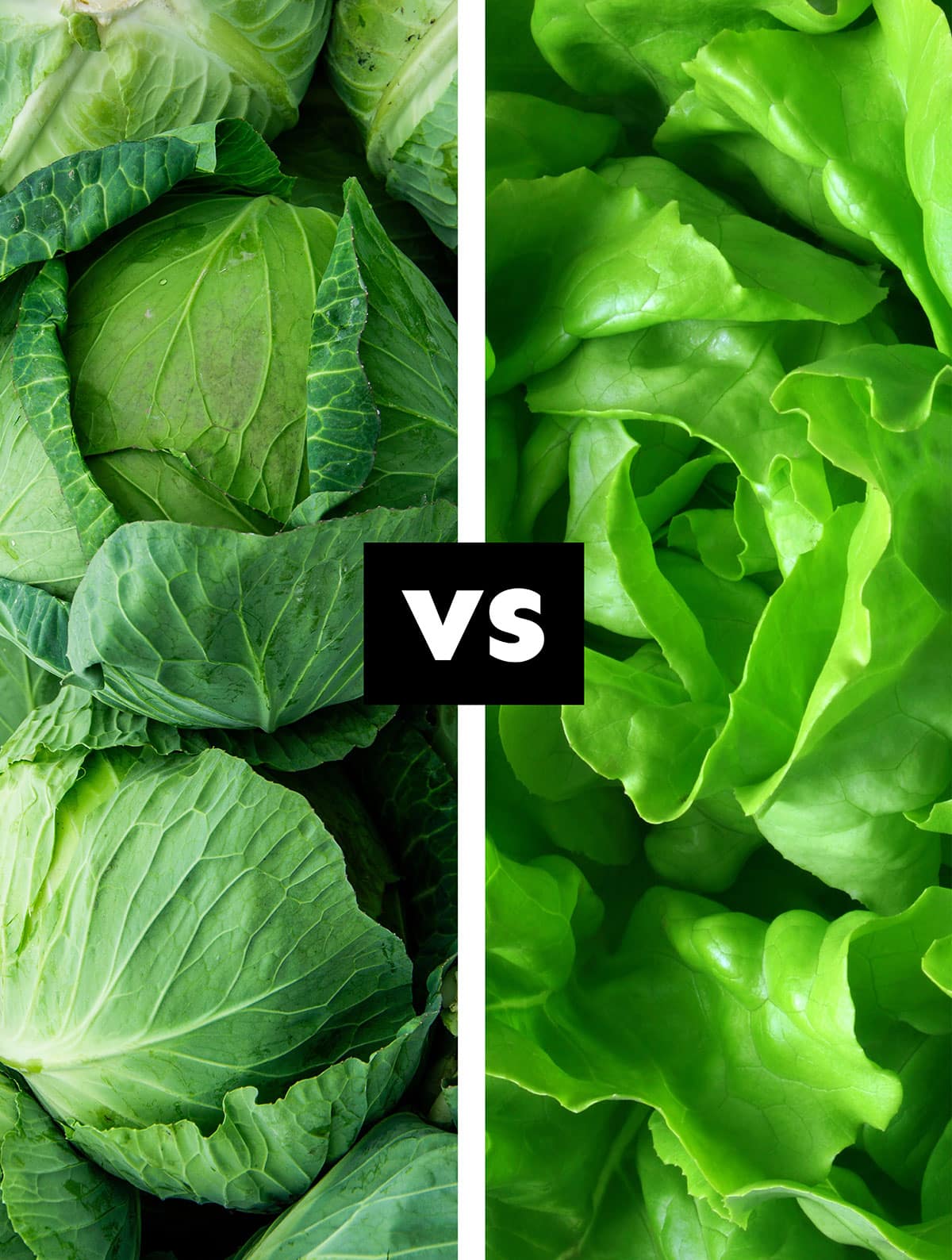
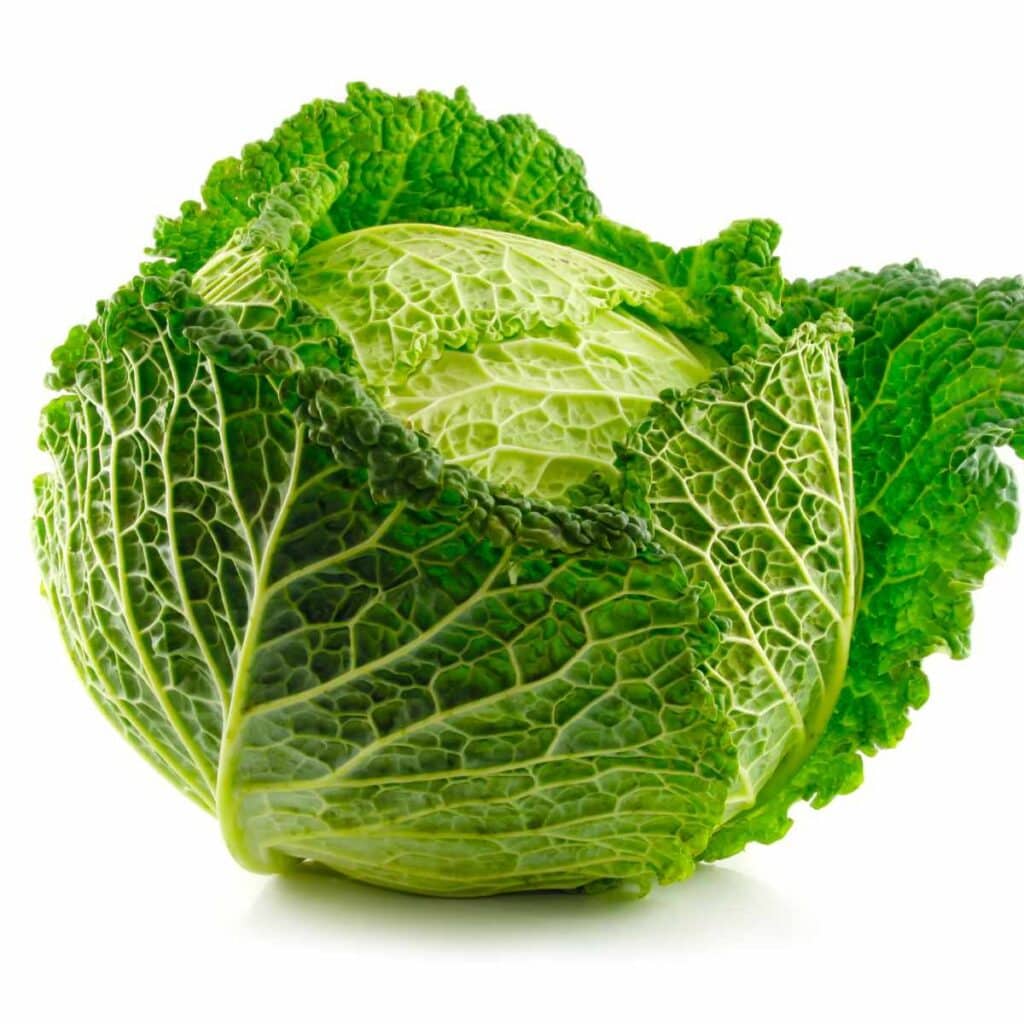
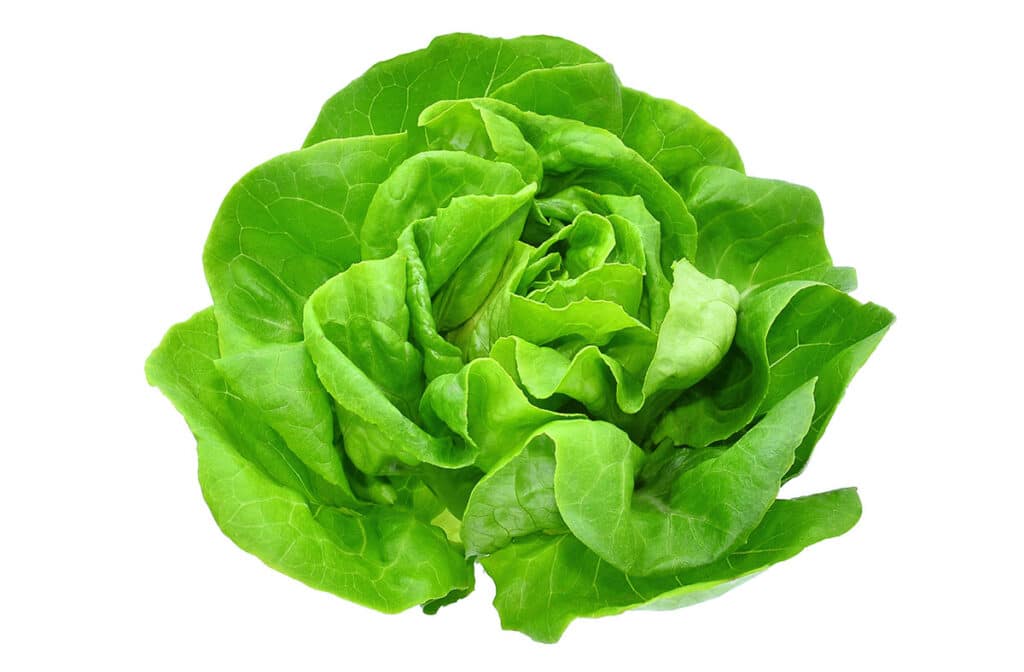
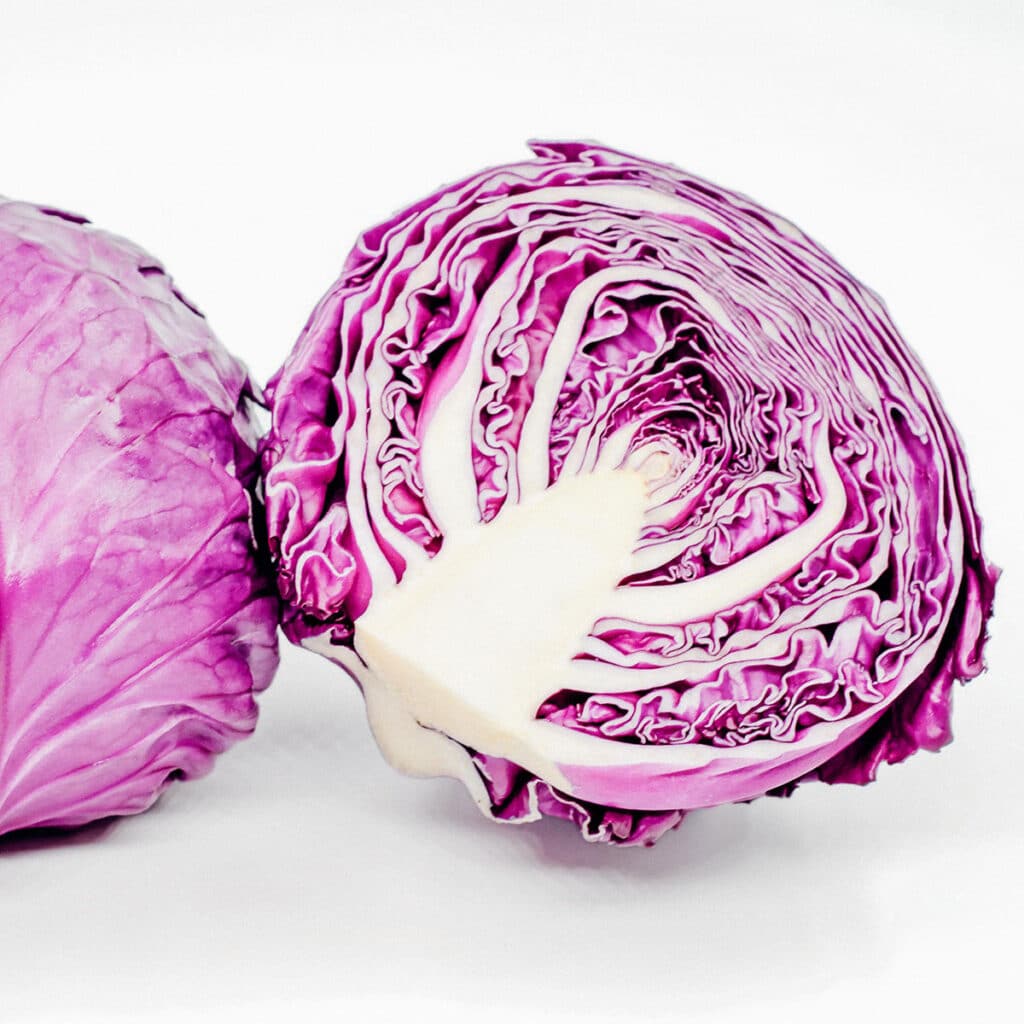
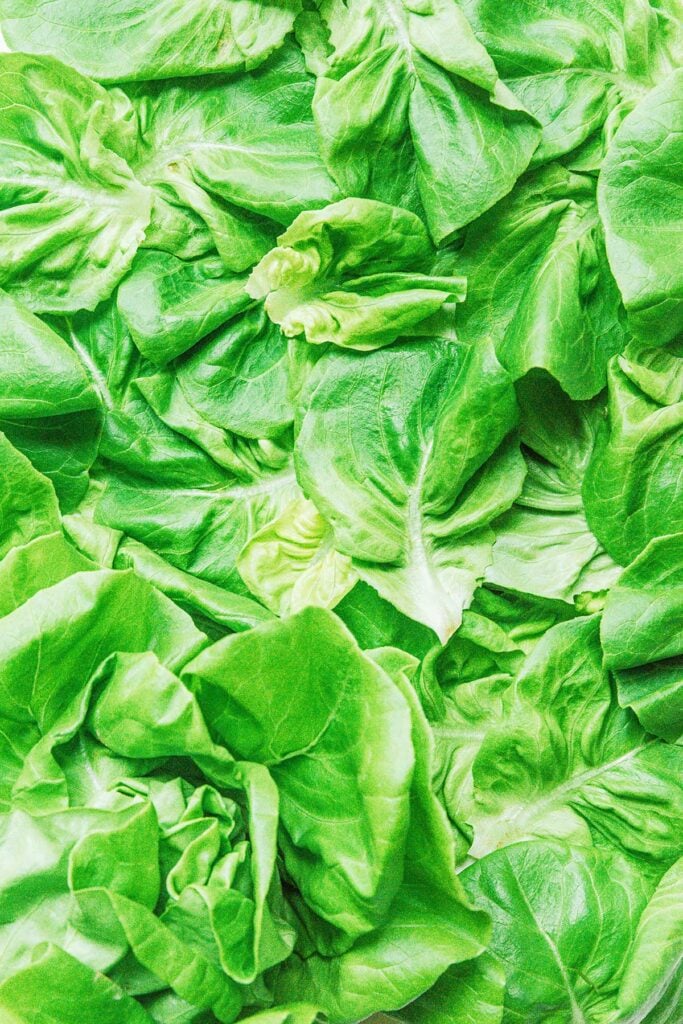
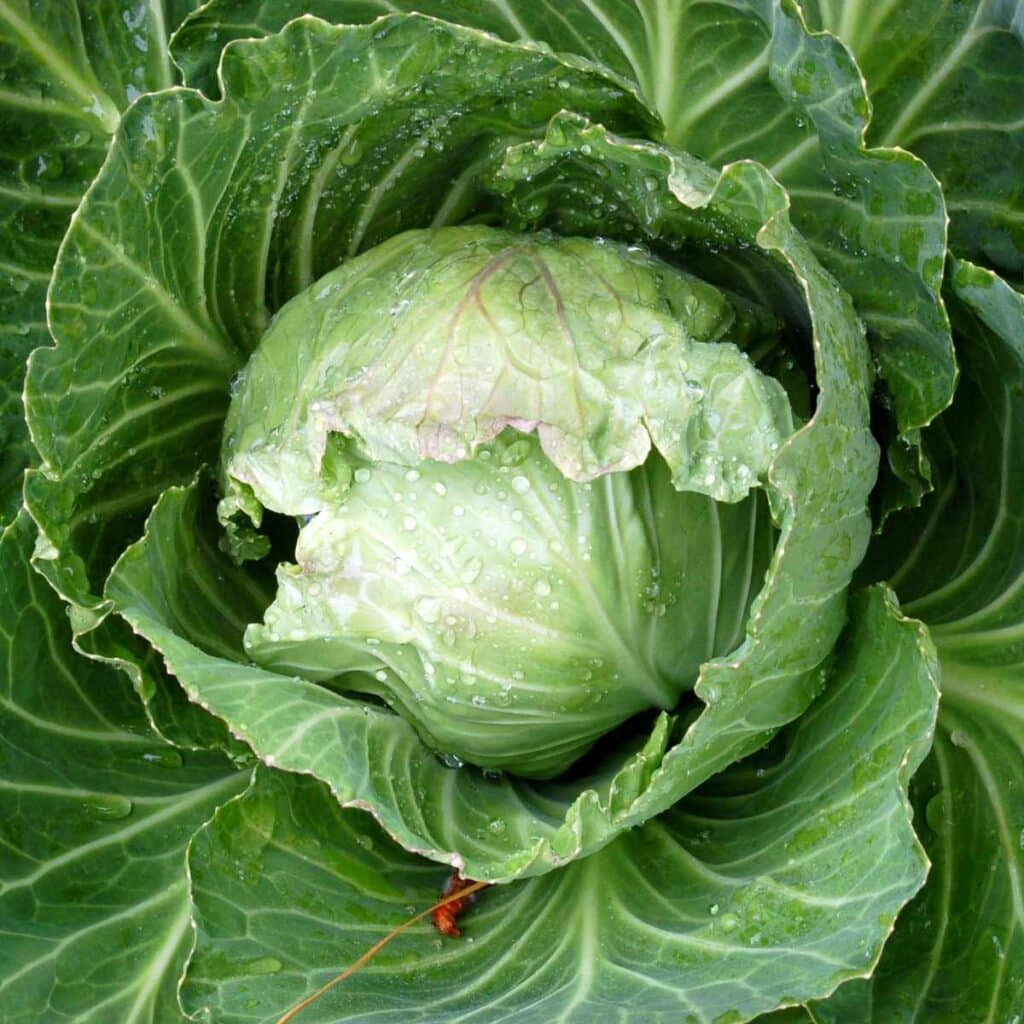
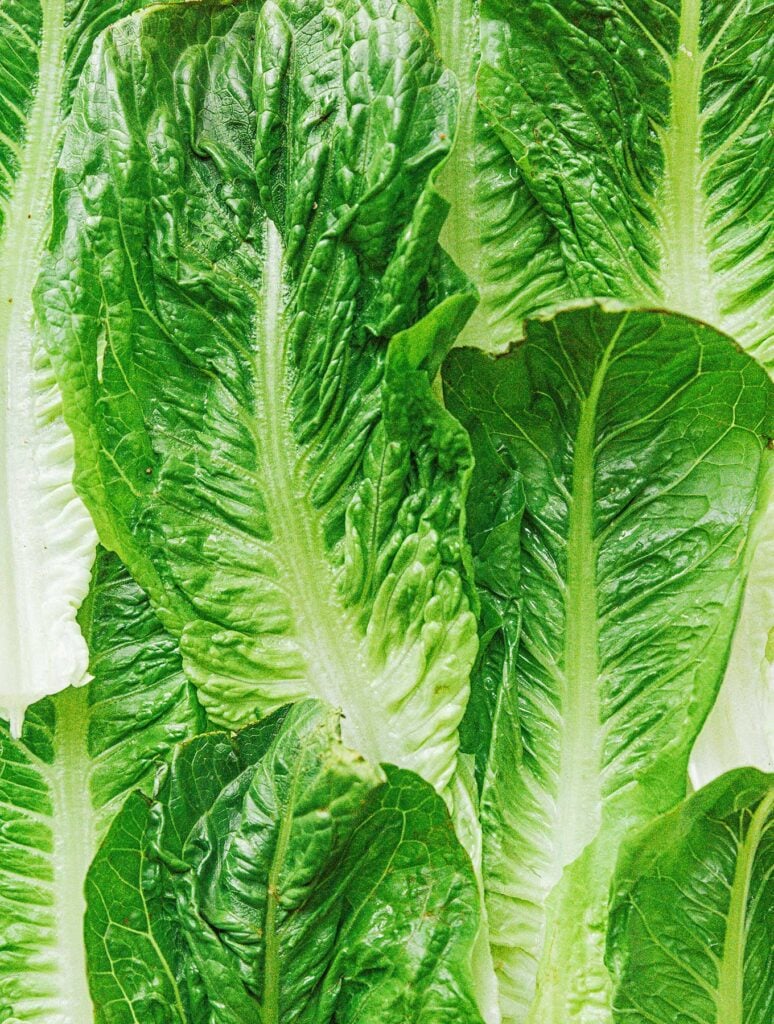
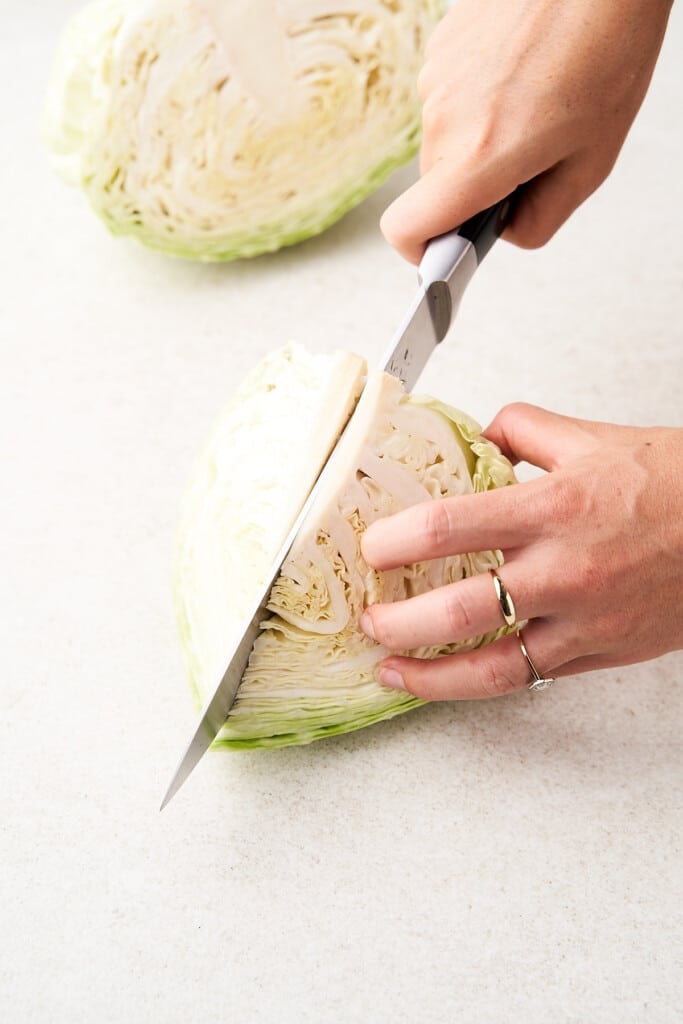
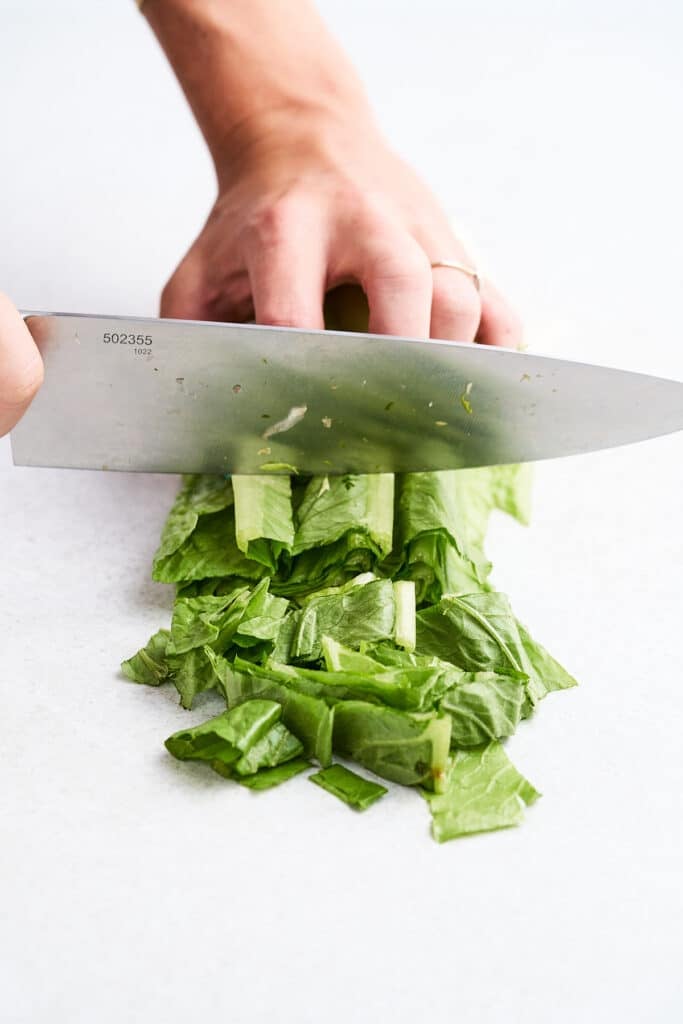
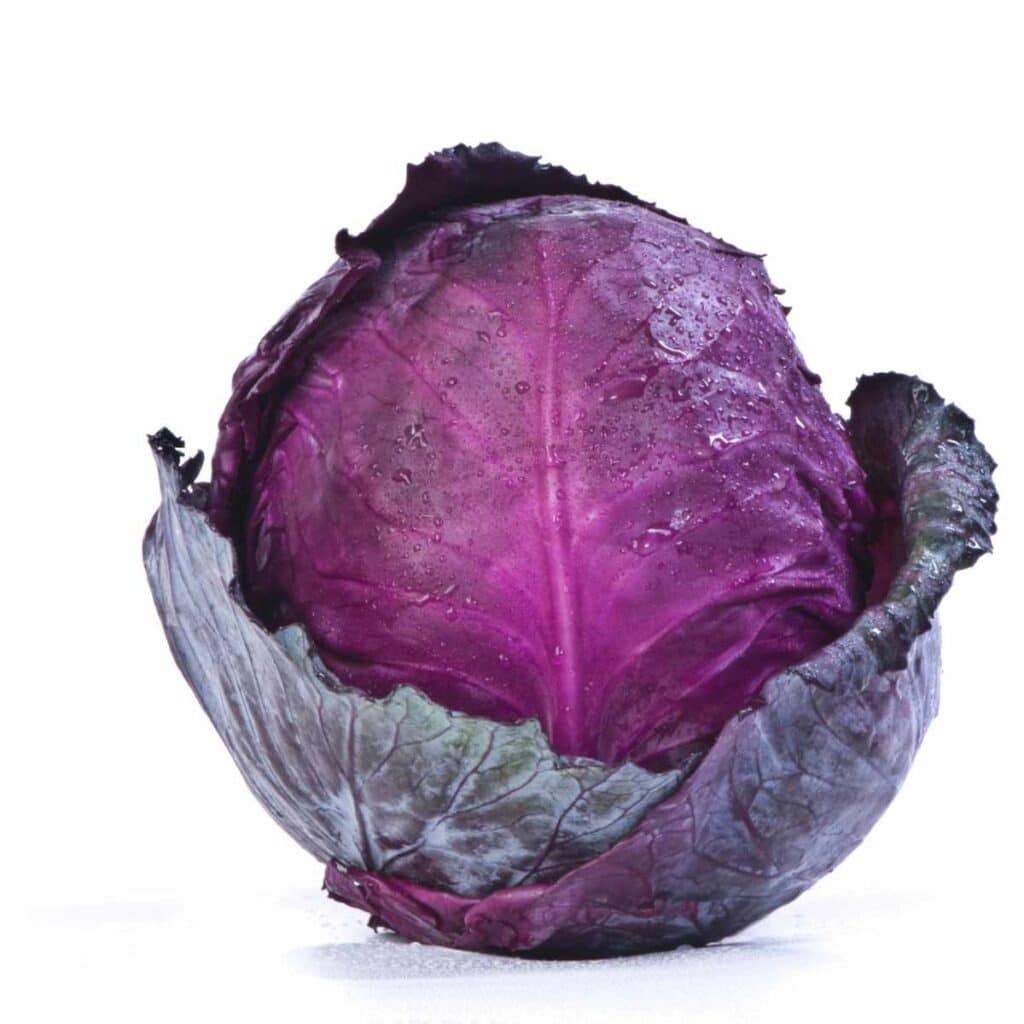
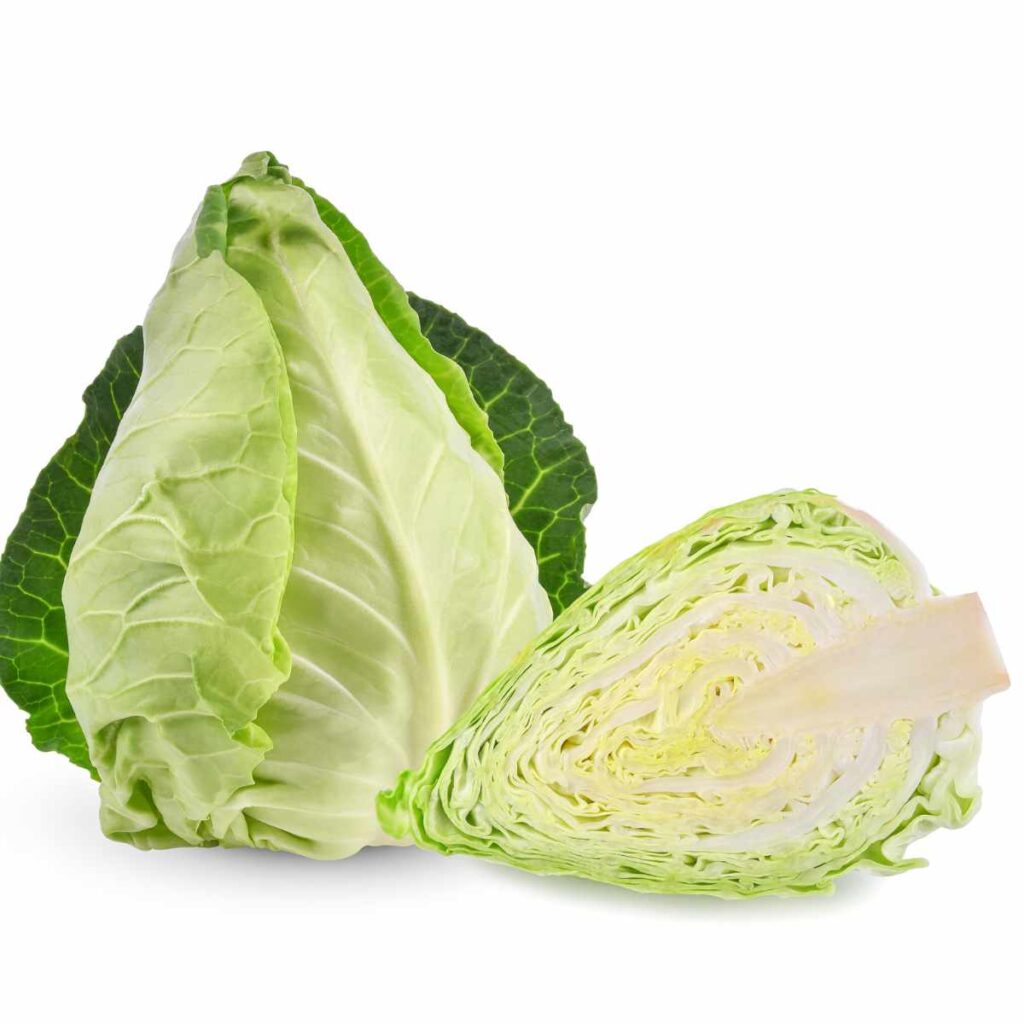
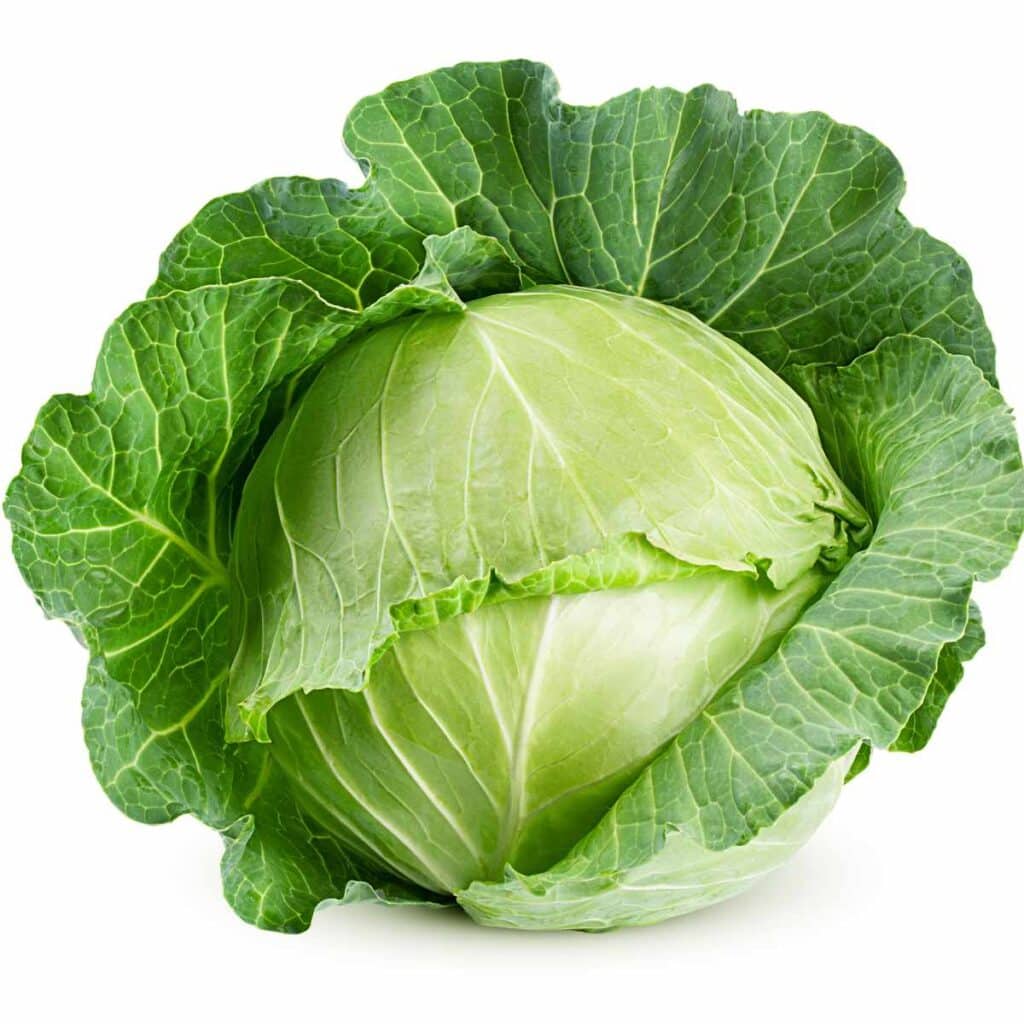
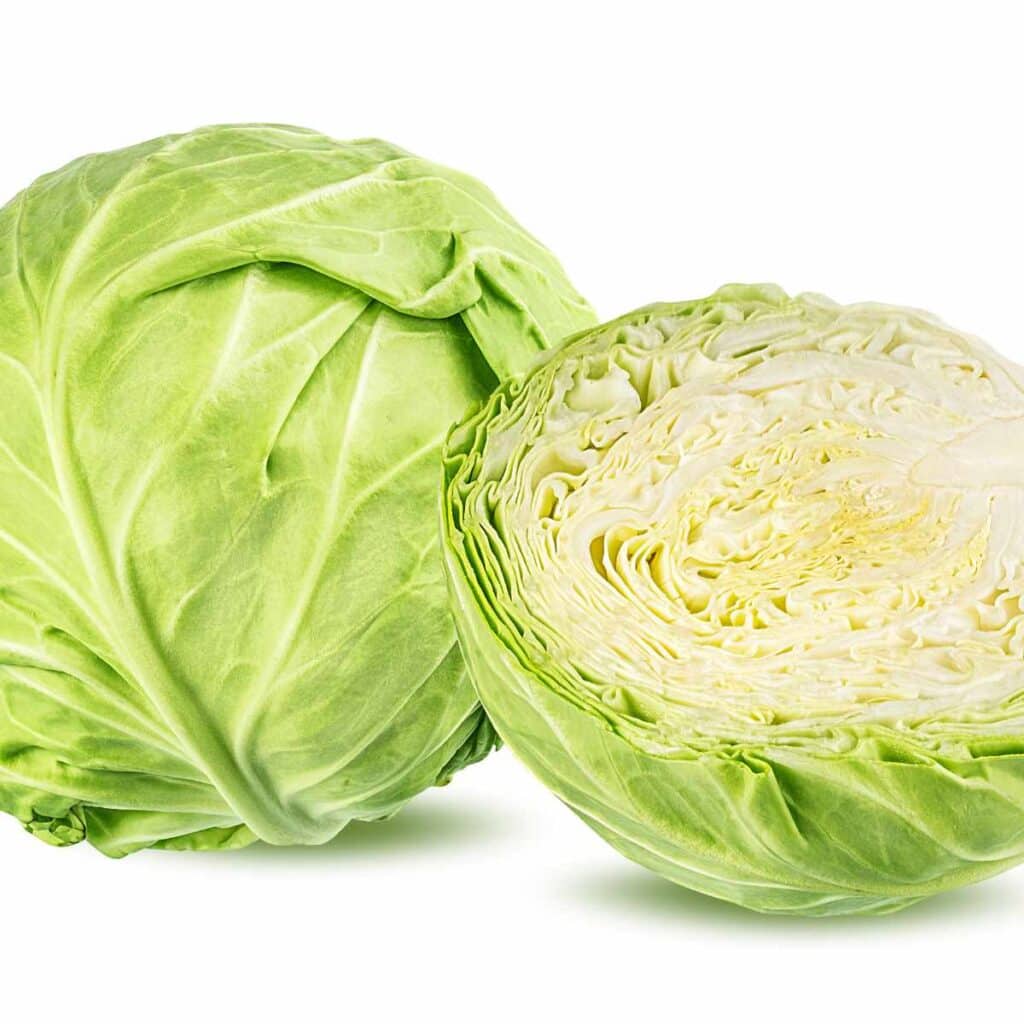
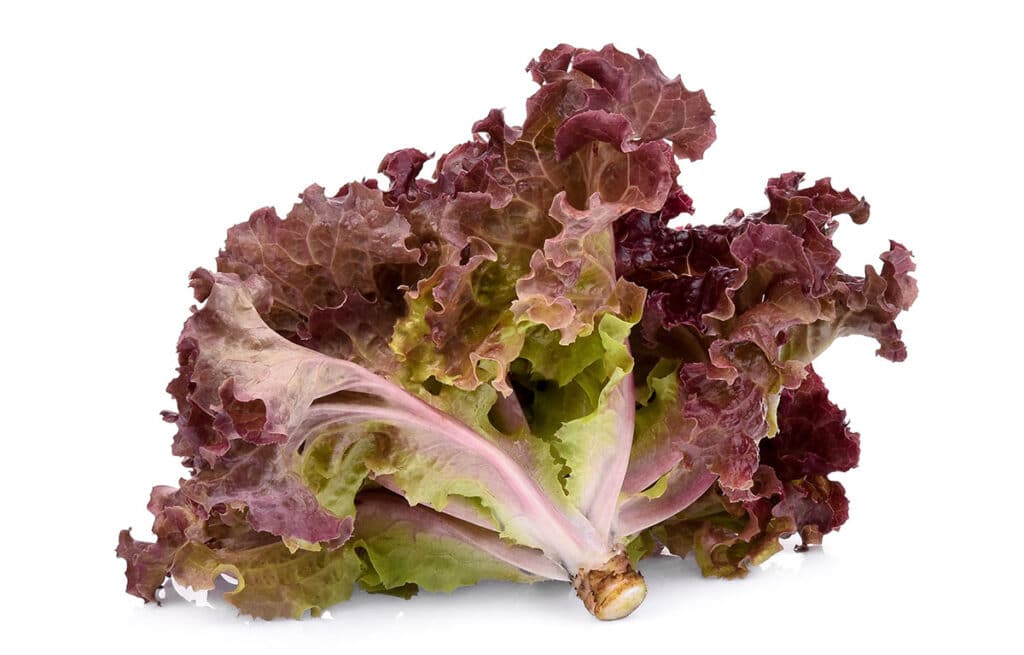
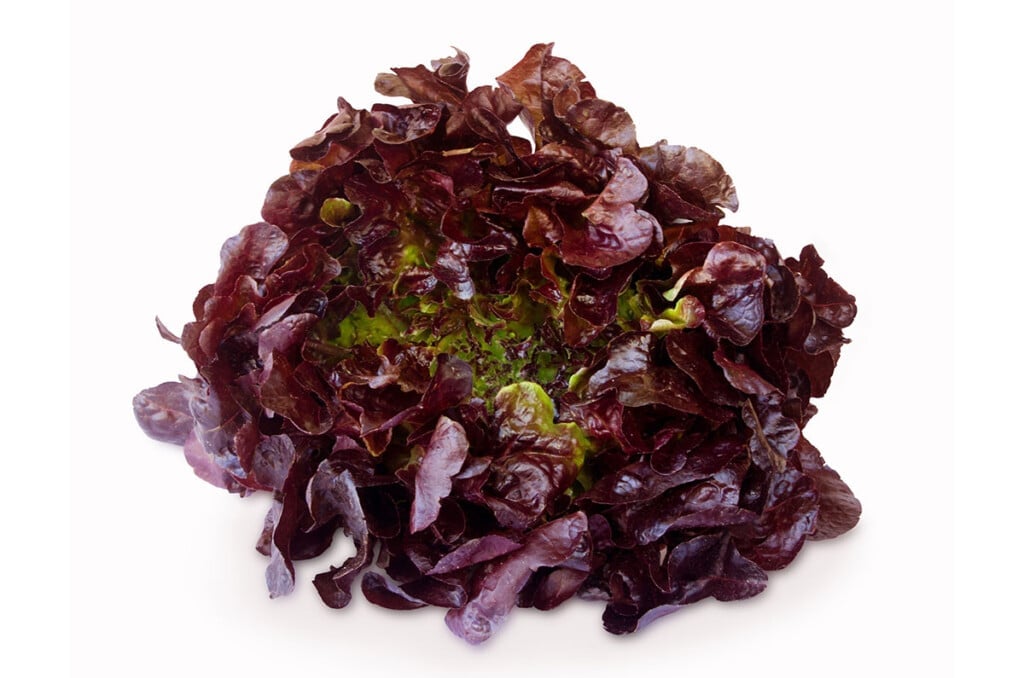
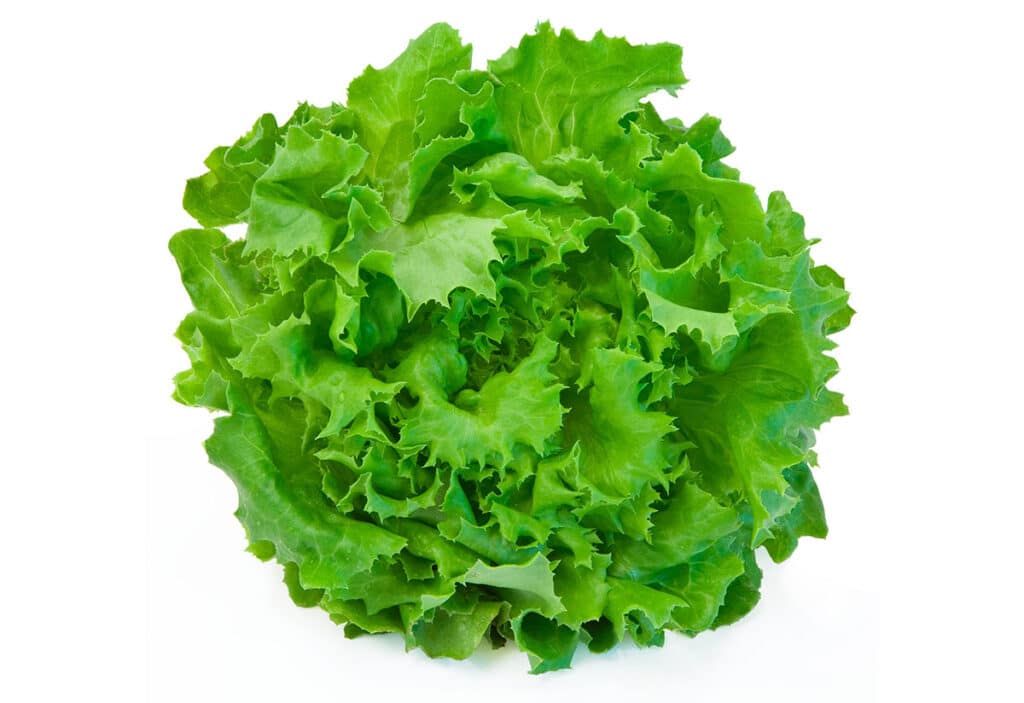
Cabbage: Almost every variety of cabbage forms dense heads made up of tightly packed leaves. The outer leaves are usually tougher and darker colored, and the inner leaves are more tender. Lettuce: There are two broad types of lettuce, tight head and loose head. The tight head varieties, like iceberg lettuce, resemble cabbage somewhat, but their leaves are not as tightly packed as those of cabbage. Loose-head lettuce, on the other hand, has more elongated leaves that are not at all tightly packed.
Flavor And Texture
Flavor and Texture of Cabbage: Cabbage’s flavor can vary from mildly sweet to bitter, but is generally peppery tasting. Cabbage leaves are thick and crisp and sturdy, so they hold up well in sauteing, roasting, and pickling. Flavor and Texture of Lettuce: Lettuce, on the other hand, is much milder lacking the pepper taste. Of course, this is a broad generalization as the many types of lettuce vary quite broadly. Lettuce leaves are thinner, more tender, and waterier than cabbage leaves and are better for raw uses like salads, sandwiches, and wraps.
Cabbage vs Lettuce in Culinary Use
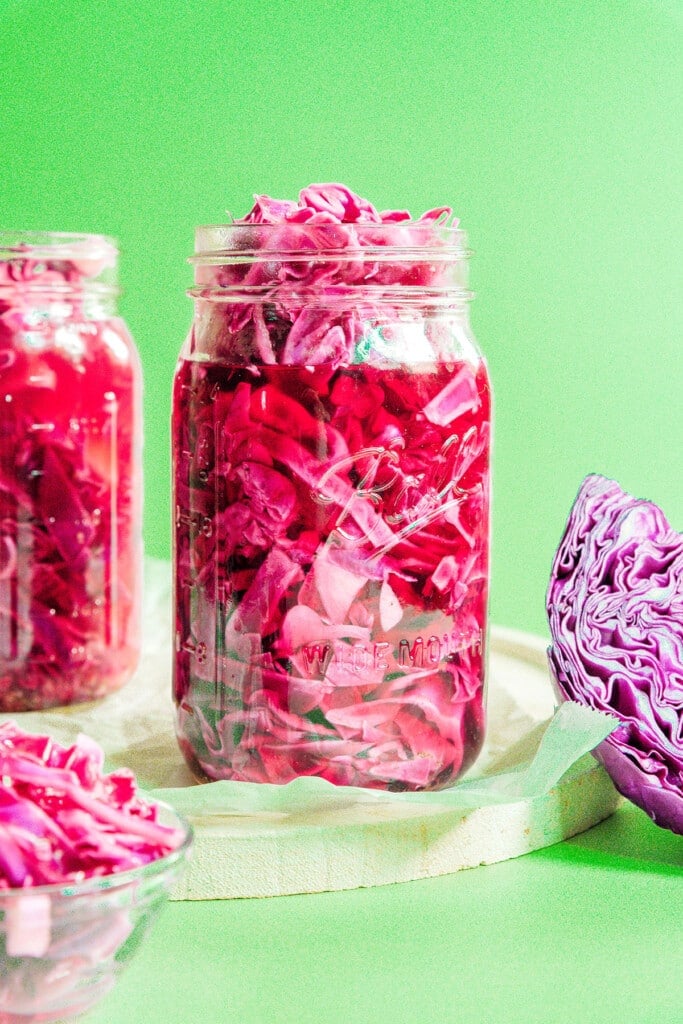
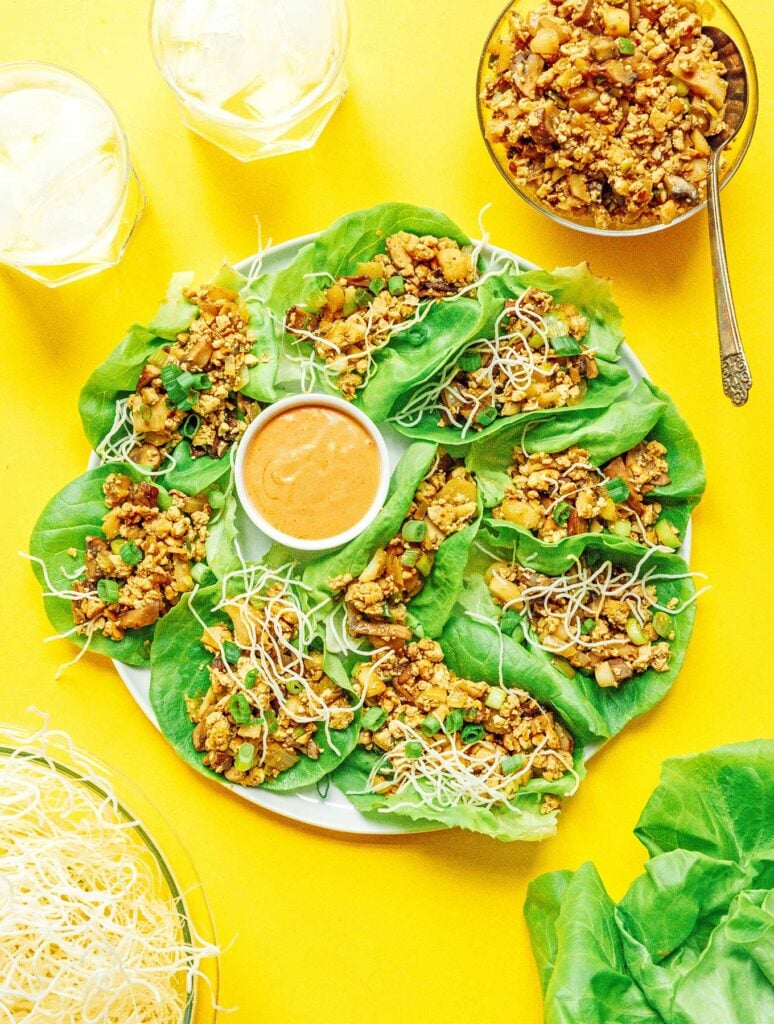
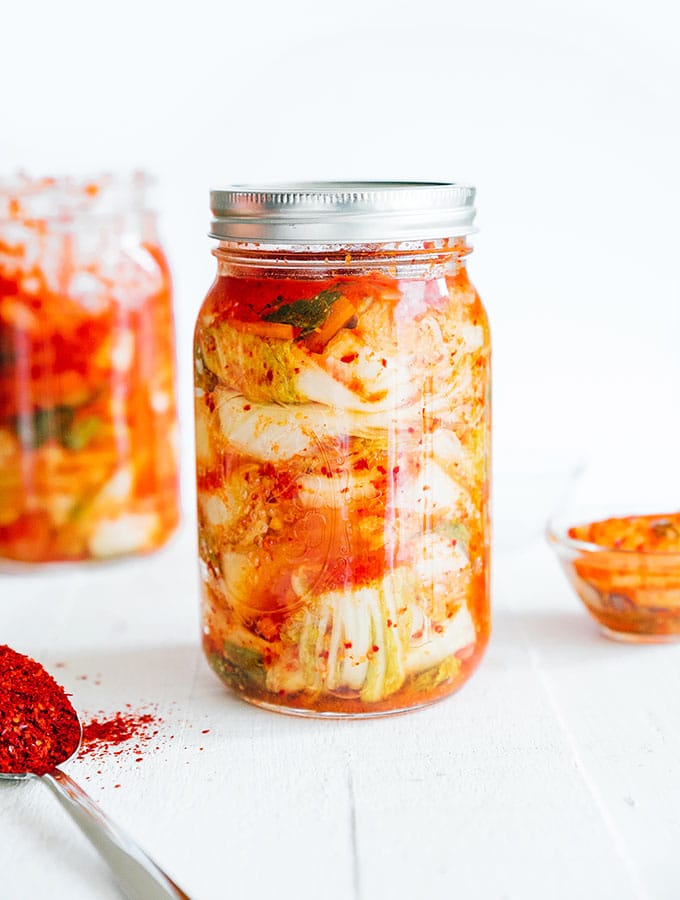
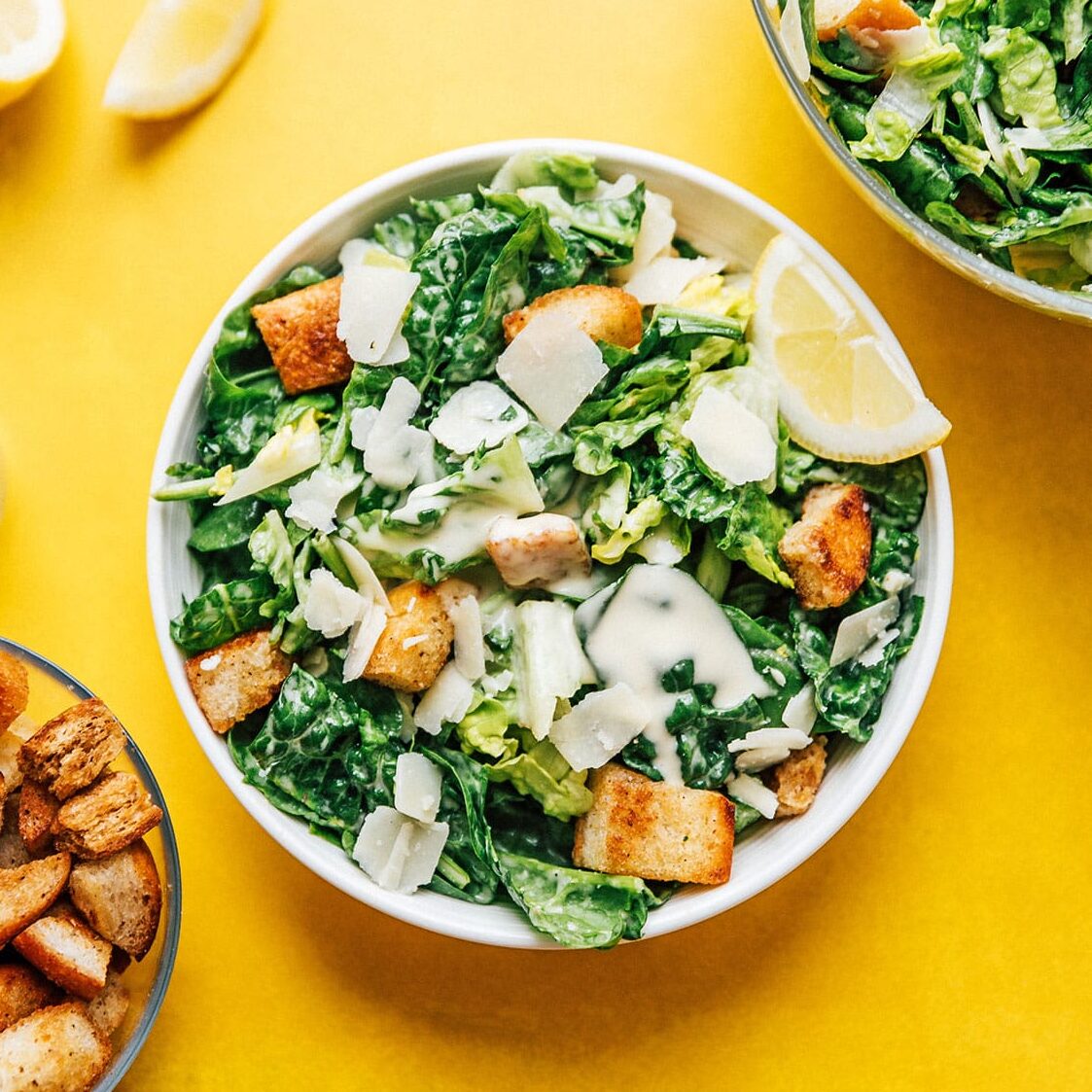
Culinary Uses of Cabbage: Cabbage can be used as the prime ingredient or the supporting cast. It comes into its own stealing the show in favorites like coleslaw, kimchi, sauerkraut, and cabbage rolls. The thick leaves of cabbage are also ideal for wraps, and recipes like stuffed cabbage. Cabbage can also be added to stir-fries, salads, and soups, adding a crunchy texture and its peppery flavor. You can even add it to your post workout smoothie for a major fiber and nutrition boost. Trust us on this smoothie recipe. It works! Culinary uses of Lettuce: Lettuce shines in raw use and lighter cooking than cabbage providing the base and crunch to our favorite salads. Its tender leaves compliment a wide range of other salad components like tomatoes, cucumbers, nuts, and cheeses. Lettuce leaves can also be used as a healthy alternative to tortillas or wraps, and of course to provide a fresh, low-calorie option for sandwich fillings in classics like the BLT.
Storing Cabbage & Lettuce
Storing Cabbage: Store whole heads of cabbage in your refrigerator’s crisper drawer. If you have already cut the head, wrap the remainder in plastic wrap or aluminum if you are out of plastic, and store it in the refrigerator. Just be sure your wrap is airtight to prevent moisture loss. Uncut, it can often last a couple of months if stored properly, and easily a few weeks after cutting. Storing Lettuce: Whole heads of lettuce, or the remainder of a head, should be stored in a plastic bag or air-tight storage container with a damp paper towel. While most of us don’t put a paper towel in with our lettuce, it will help keep your lettuce moist. Store the bag in your refrigerator’s crisper drawer. Lettuce isn’t as hardy as cabbage and will not keep as long. Whole heads will normally last 2 weeks, and left-over lettuce or pre-washed bagged lettuce is usually good for 5-7 days.
Varieties
Cabbage Varieties: There are hundreds of variations of cabbage grown across the globe. We list some of the most popular here, but if you want more on how to use each you should peruse 23 Types of Cabbage.
Bok choy Brussels sprouts Chinese cabbage Choy sum Cone cabbage Copenhagen market cabbage Drumhead cabbage Early Jersey Wakefield cabbage Green cabbage Hispi cabbage January king cabbage Late flat Dutch cabbage Michihili cabbage Napa cabbage Pointed cabbage Red cabbage Ruby perfection cabbage Savoy cabbage Stonehead cabbage Wong bok cabbage
Lettuce Varieties: There are a lot of leafy greens that are considered lettuce. Here is a list of some of the most popular. We provide a whole lot more on each of these in 26 Types of Lettuce, with suggested uses for each variety.
Arugula Baby beet greens Batavia lettuce Boston lettuce Butter lettuce (Butterhead) Coral lettuce Cress Chrysanthemum greens Dandelion greens Endive Escarole Frisée Iceberg lettuce Little caesar lettuce Little gem lettuce Loose leaf lettuce Mâche Mesclun Mizuna Oak leaf lettuce (Oakleaf) Purslane Radicchio Romaine lettuce Sorrel Speckled lettuce Stem lettuce
Cabbage Vs Lettuce Nutritionally
Cabbage and lettuce, in all their varieties, are great options for building a healthy diet. As leafy greens go, they aren’t quite the nutritional powerhouses spinach and kale are, but they hold their own for sure. They have twin super powers. The first is fiber. For only a few calories you get a lot of fiber from either. The fiber RDA for women is 25g per day and 38g for men, but the USDA states that over 90% of Americans don’t reach this. Leafy greens are a good way to ensure you do. The second super power is vitamins and minerals. Both cabbage and lettuce provide a wide variety of micro nutrients essential to optimum health. Cabbage Nutrition Facts: Cabbage is an incredibly nutrient-dense food on a per calorie basis! It is fiber rich, low in carbs and calories, and has load of vitamins, making it a wonderful choice for healthy cooking! To go even further, here is some general information about the nutritional content of green cabbage for a 100 gram (3.5 ounces) serving.
Calories: 25 Carbohydrates: 5.5g Dietary fiber: 2.5g (10% of the RDA for women) Fat: 0.1g Protein: 1.3g 2% RDA of Vitamin A 60% RDA of Vitamin C 96% RDA of Vitamin K 11% RDA of Folate 3% RDA of Iron 4% RDA of Potassium 4% RDA of Calcium
Lettuce Nutrition Facts: There is a lot of variation in nutrition content between the many types of lettuce, but they are all pretty darn healthy. We show here the contents of a 100 gram (3.5 ounce) serving of Romaine lettuce as it is so popular as a salad base.
Calories: 17 Carbohydrates: 3.3g Dietary fiber: 2.5g (8% of the RDA for women) Fat: 0.3g Protein: 1.2g 10% RDA of Vitamin A 6% RDA of Vitamin C 30% RDA of Vitamin K 7% of Folate 5% RDA of Iron 5% RDA of Potassium 3% RDA of Calcium
In conclusion, while both cabbage and lettuce fall under the category of leafy greens, they are very different veggies. They are from different continents, have different flavors and textures, and have different superpowers in the kitchen (try that cabbage smoothie we mentioned). We hope you found something you can use in our look at lettuce vs cabbage, and as always happy cooking!