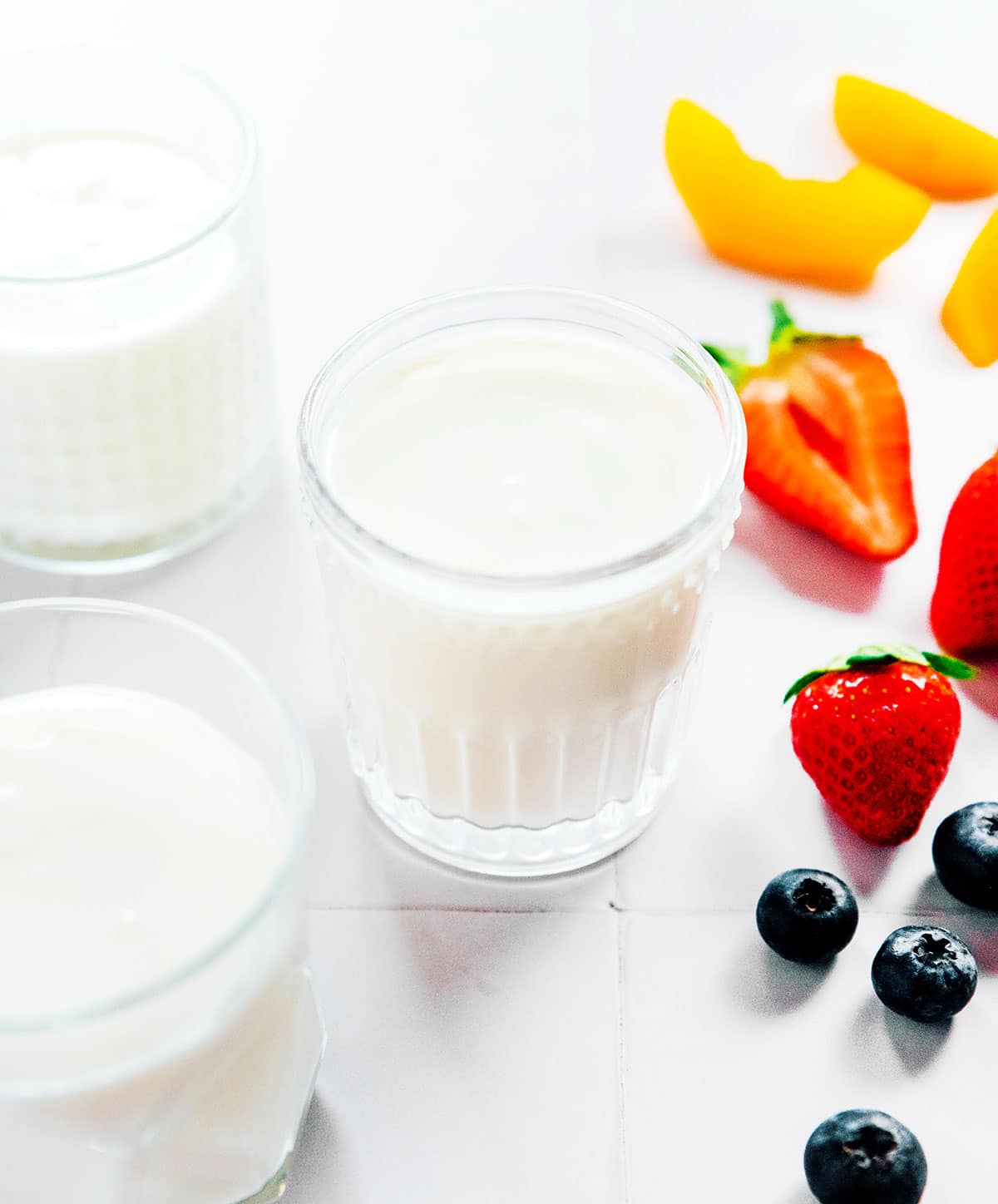
What is Buttermilk?
Traditionally, buttermilk was made as a byproduct of butter. Cream was churned into butter and the residual liquid was left to sit and ferment into buttermilk. This was popular as it remained fresh at room temperature for longer than straight cow’s milk does. A real advantage before refrigeration. Today, however, store-bought buttermilk is made by adding lactic acid bacteria to milk which causes fermentation. This results in the tangy flavor and thicker consistency than milk.
Buttermilk Uses in Baking and Cooking
Buttermilk adds moisture, tenderness, and acidity to recipes. It helps activate the leavening agents to make lighter and fluffier baked goods. Its acidity assists leavening when it reacts with baking soda. It also serves to break down gluten helping to produce softer baked products. When a recipe calls for buttermilk it is for a reason, generally the need for its lactic acid, so don’t just replace it with straight milk (which is not acidic). Your baking recipes will not likely rise properly.
Substitutes for Buttermilk
Replicating buttermilk’s tangy flavor and ensuring you have a match for its pH can make it a bit challenging to find a perfect match. There are, however, a lot of well tried substitutes we will detail as well as a few less common options you might want to try.
Lemon Juice or Vinegar
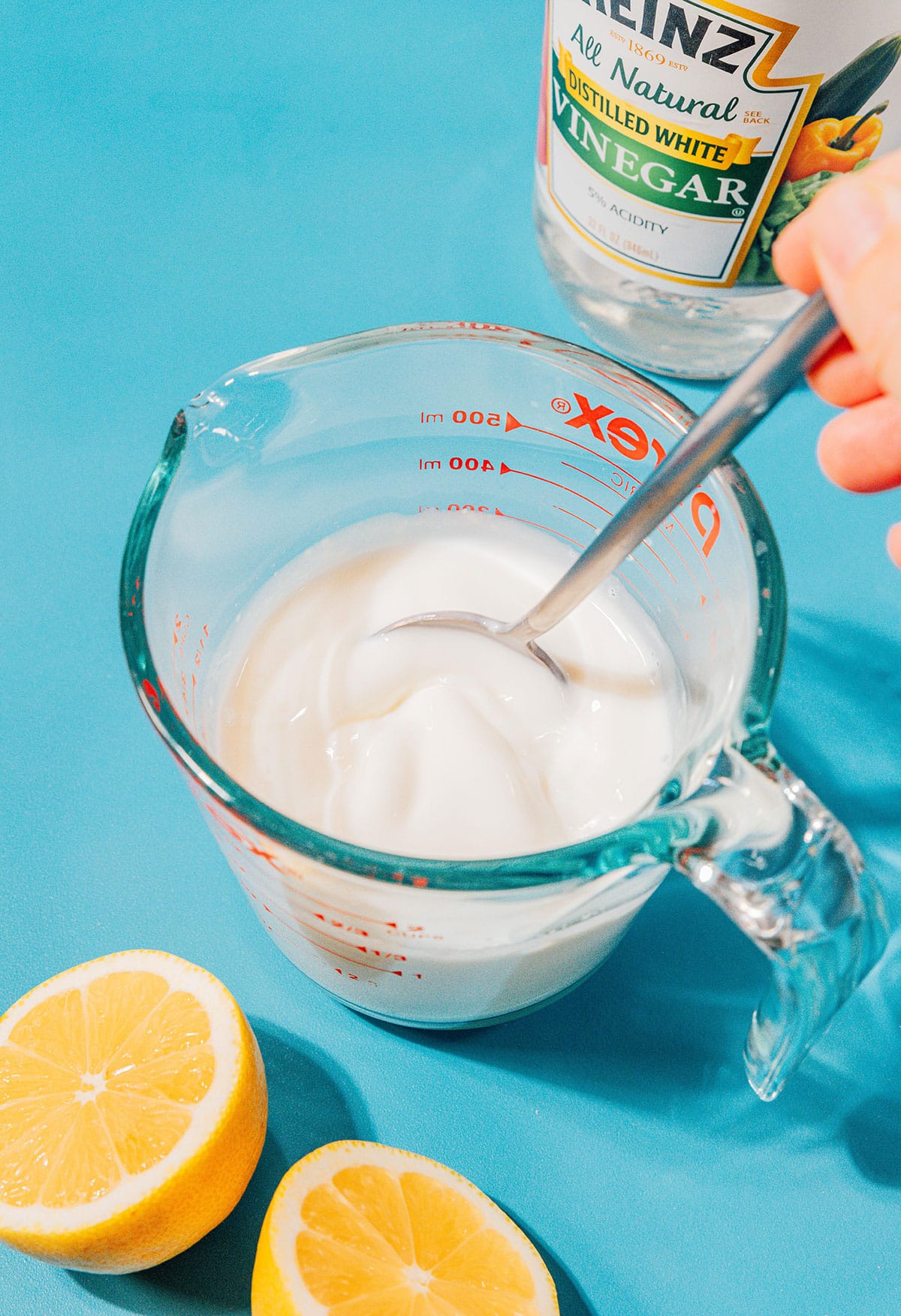
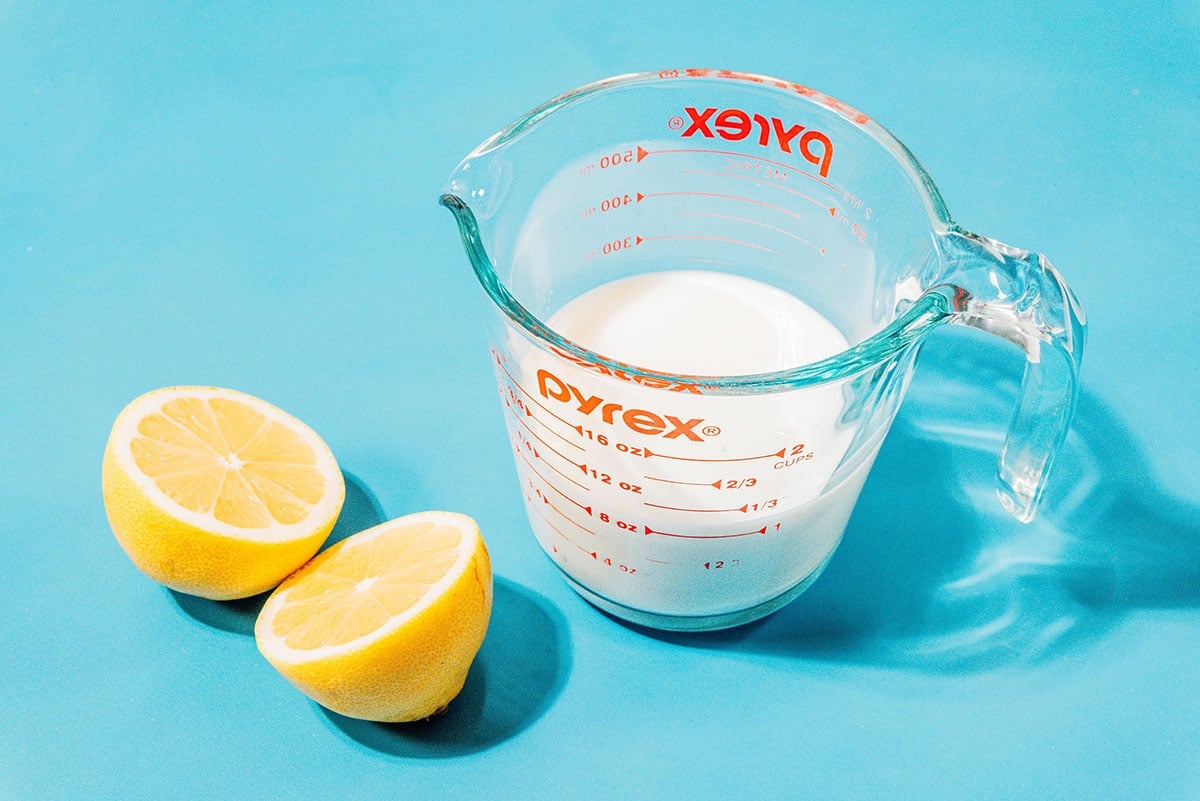
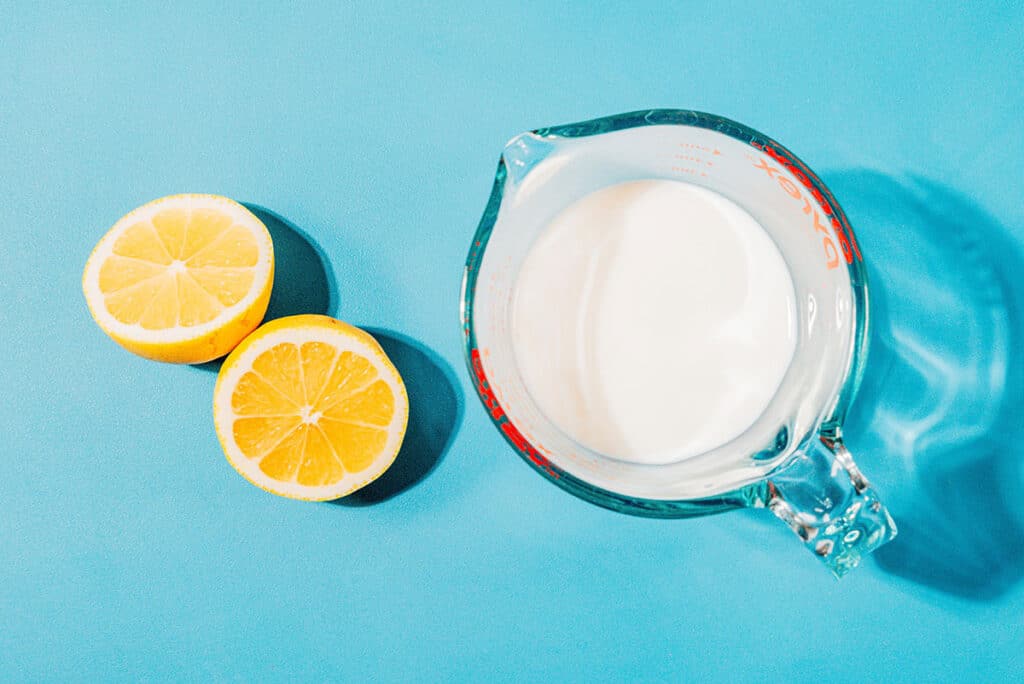
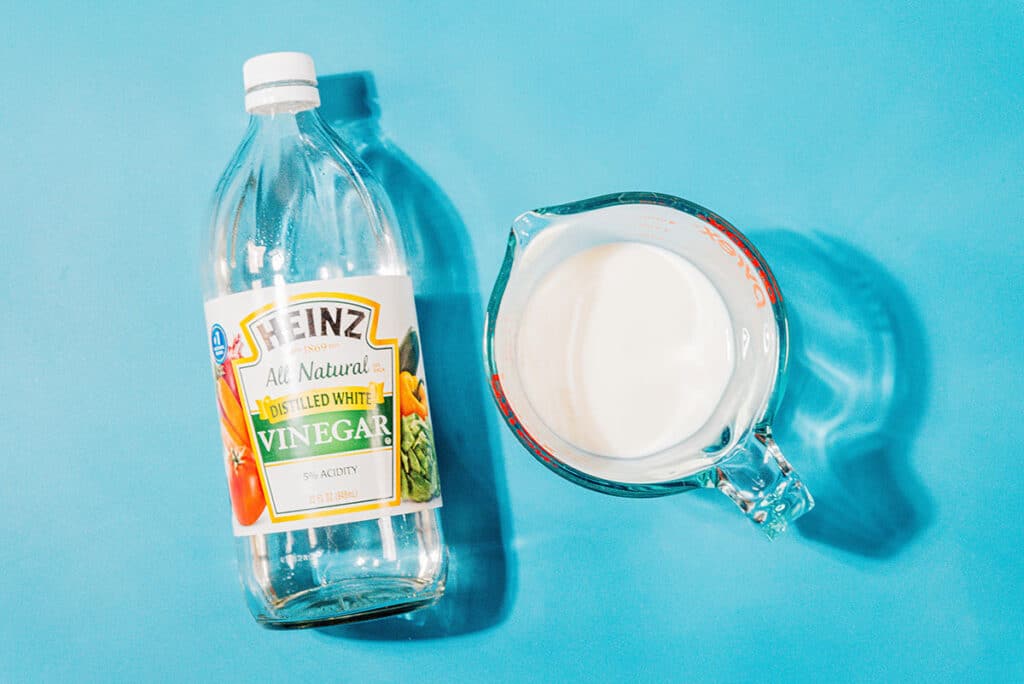
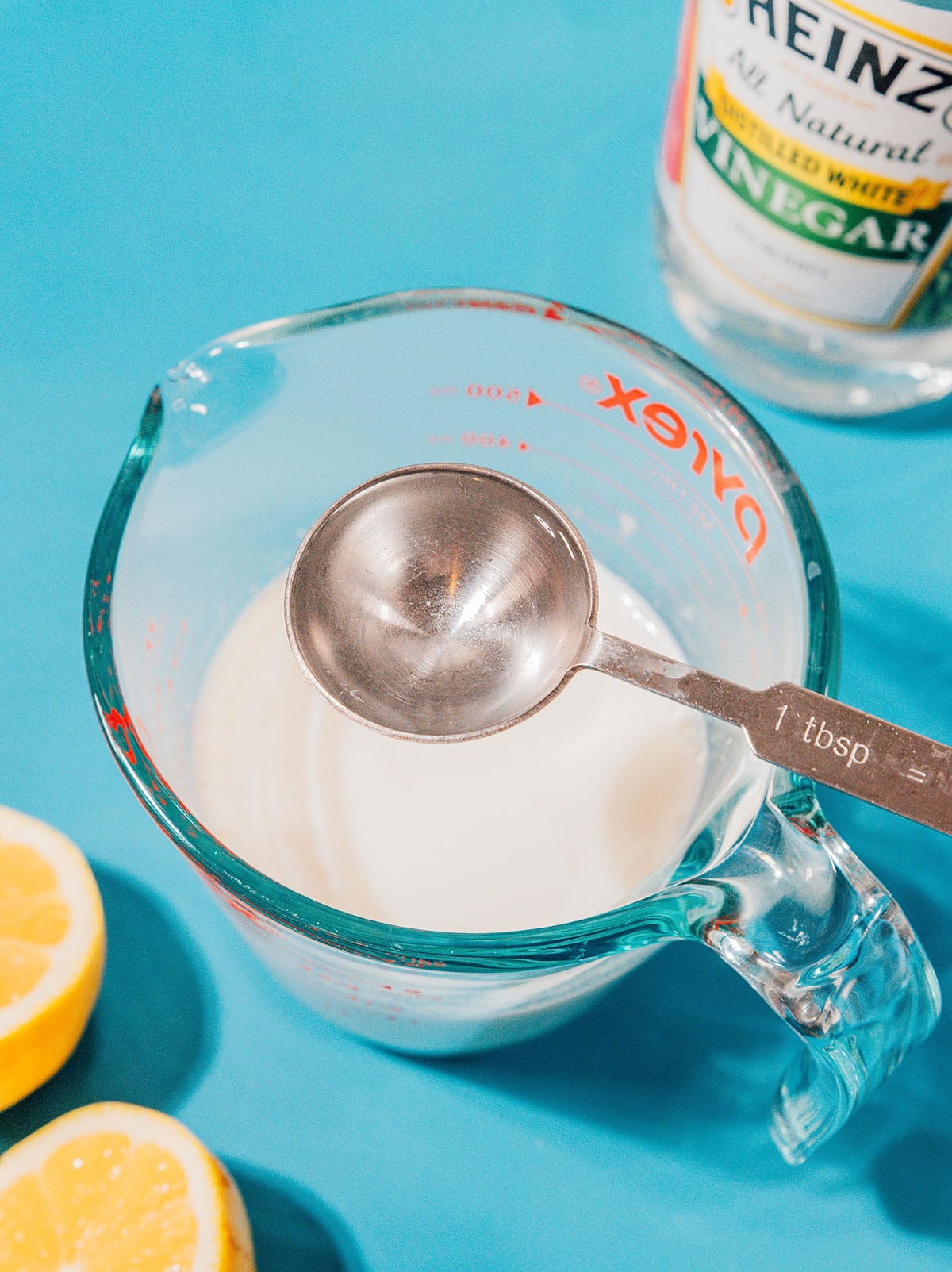
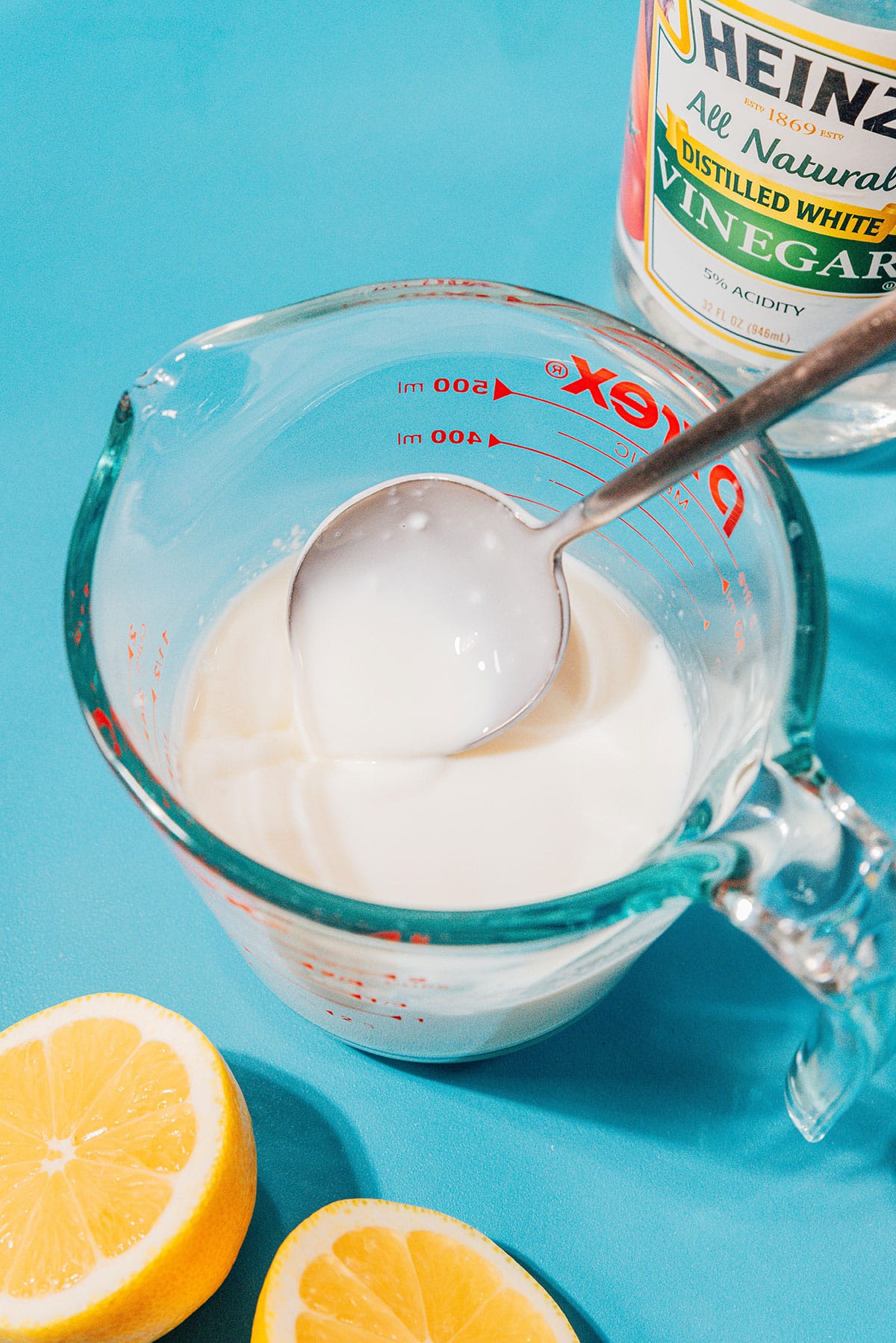
This is the easiest and most common way to make a buttermilk substitute. Using vinegar or lemon juice mimics the acidity and tanginess of buttermilk reasonably well and generally results in tender and fluffy baked goods. You can use white or apple cider vinegar, or lemon juice. Vinegar will have a slightly tangier taste than lemon juice. You can use any regular milk, but our preference is for whole milk followed by 2%, 1% and preferably not skim milk. Whole milk will yield a thicker substitute more like buttermilk. This basic recipe can be used for most recipes calling for buttermilk. There are obvious taste differences. Cultured buttermilk is made with lactic acid. Lemon juice contains citric acid and vinegar acetic acid, so the taste won’t be an exact match. We like lemon juice for baking uses and vinegar for tenderizing meat and when we want its tangy flavor.
Ingredients
Non Dairy Buttermilk Substitutes
You can use any of the recently popular non-dairy milk to make buttermilk. While they may not be ideal substitutes for buttermilk in all recipes, they do provide easy lactose free buttermilk alternatives. These include almond milk, oat milk, rice milk, coconut drink (drink not actual coconut milk or coconut cream), hemp drink, and soy milk. The milk industry goes to some length to remind us that these drinks are not milk. When using them in a buttermilk replacement this is certainly true. The casein protein in cow’s milk curdles when the pH reaches 4.6 or higher. This thickens the milk. This doesn’t happen in plant based drinks when acidic ingredients are added because there is no casein protein to clump.
Instructions
Make plant based buttermilk with the same instructions we listed for milk using either vinegar or lemon juice. Expect these to have a different consistency and flavor than using whole cow’s milk. Rice milk will not be very creamy, coconut will impart a distinct flavor, and almond a mild flavor. Be sure to consider how it will affect the recipe you are making. Almond or coconut could be a nice flavor add to buttermilk pancakes, muffins, and some cakes. For the closest flavor match to buttermilk, our favorite pick is soy.
Coconut Milk
Coconut milk should produce a buttermilk with a consistency close to the real deal. You can use it like you would milk with the same scant cup of milk and 1 TBSP or vinegar of lemon juice. Coconut Cream is a bit thicker and you may want to cut it with milk, water or coconut milk. The proportion depends upon how thick you want it, but we suggest about ⅔ cup coconut cream to ⅓ cup milk or water. A substitute made from 1 cup of coconut milk will contain about 525 calories and 1 cup of coconut cream 760 calories. Again, use this substitute when the coconut flavor will complement the recipe it is added to.
Cream Of Tartar
1 cup milk and 1 ¾ tsp cream of tartar makes a pretty good faux buttermilk. Tartar (Potassium bitartrate) is a combination of tartaric acid from grapes neutralized with potassium hydroxide. It is a good way to acidify milk into buttermilk without leaving a lot of its own flavor.
Ingredients
Instructions
Make this buttermilk as you would with lemon juice or vinegar except that you should add the cream of tartar powder to the other dry ingredients, not the milk.
Powdered Buttermilk
You can buy powdered, dehydrated buttermilk and return it to a liquid state by adding water, per the instructions on the package. The typical proportion for this should be 1 cup of water to ¼ cup of powdered buttermilk. Don’t make the buttermilk and add it to your recipe. Instead add the powdered buttermilk to other dry ingredients and stir it in. Similarly, add the water to other liquid ingredients and add them to the recipe all together.
Kefir
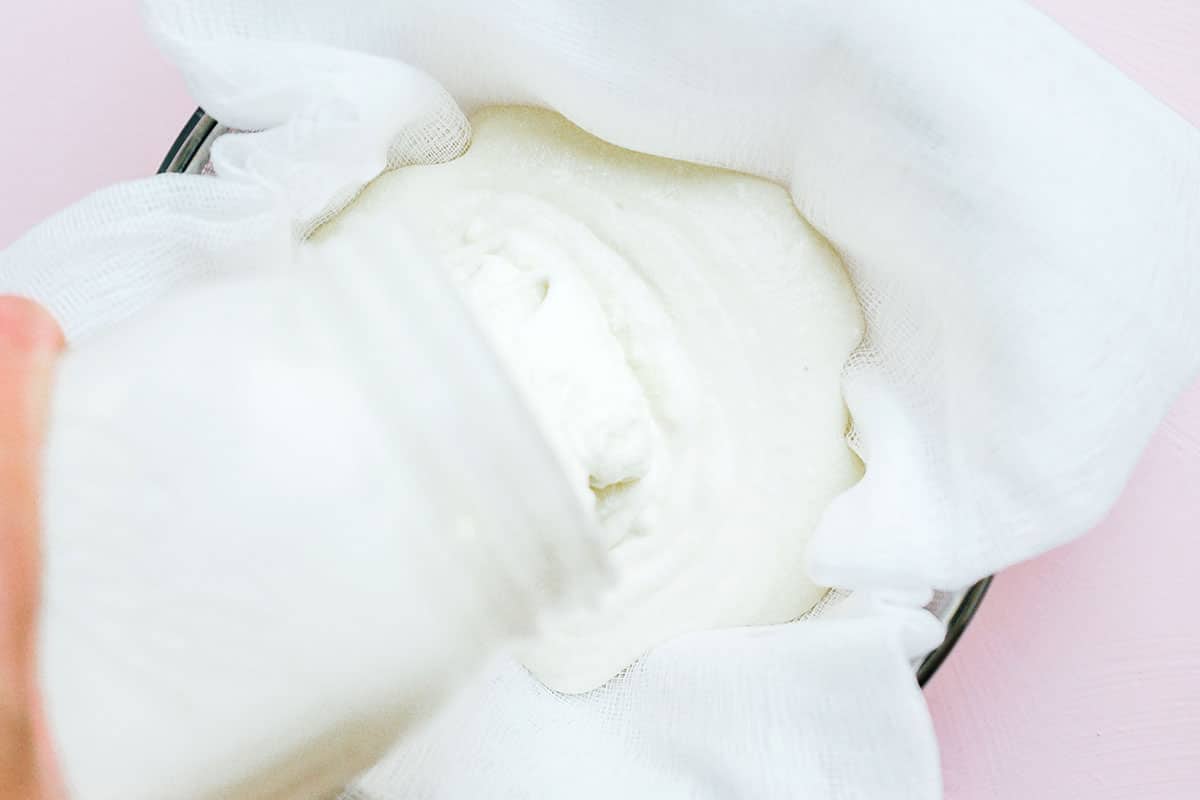
Kefir is generally considered a great substitute for buttermilk. As it is already fermented, you can just use it as a 1:1 substitute. Kefir is a fermented milk with lots of probiotics. It is made from pasteurized milk and two forms of yeast. This gives it its tangy unique flavor. The thing you need to consider about kefir is that if you cook it at temperatures above about 120 F this can kill the bacteria and reduce its probiotic properties. As a slight aside, if you want to make your own homemade kefir, it is really simple.
Yogurt
People use a lot of different amounts of yogurt in buttermilk replacements. A plain yogurt can, in many recipes, be substituted on a 1:1 basis for buttermilk. The flavor should be compatible with most recipes, but it is a bit more dense. It should make a good thick batter and produce light biscuits that brown well. For a thinner substitute try 2 parts of plain yogurt to 1 part of milk. For Greek Yogurt you may need to go as far as to use 2 parts of milk to 1 part of yogurt. Simply combine the ingredients and stir or blend.
Ingredients
Applesauce
You can use applesauce as a 1:1 alternative to buttermilk. For each cup of buttermilk use 1 cup of applesauce with 1 Tbsp of vinegar or lemon juice. The vinegar will add a tangier taste. After making the buttermilk, test it to see if you need to add more vinegar or lemon juice to get the taste you want.
Sour Cream
We think sour cream is a good flavor proxy to buttermilk. Sour cream is fermented cream which helps it retain its creamy thick texture. Low-fat sour cream is a pretty good texture match to buttermilk and can be used 1:1. The full fat variety may need to be cut ¾ cup to ¼ cup milk or water or even ½ sour cream and ½ milk or water. We like using sour cream and water for coffee cakes and biscuits. Simply combine ingredients and stir or blend.
Ingredients
Tofu
Tofu can be used in a decent buttermilk replacement. You can easily make this into a vegan buttermilk substitute by using water or a plant based drink (almond, oat, etc) instead of milk. We suggest using silken tofu as its smooth texture mimics buttermilk fairly well. Blend the milk, tofu, and salt in your blender until smooth. Add the acid (vinegar or lemon juice) and blend again briefly. Let the mixture sit for 5 – 10 minutes.
What to Do With Leftover Buttermilk
The whole reason for this article is that most of us don’t use buttermilk very often, so it seems appropriate to discuss what to do with leftover buttermilk. An open container of buttermilk will last about two weeks in your refrigerator. Most substitutes will likely last a little less. Powdered buttermilk will last 3+ years unopened and 6-12 months once opened. Powdered is a great option for keeping buttermilk at the ready and not having to think about what to do with excess as you can easily make just what you need. You can also freeze buttermilk. Put your leftover buttermilk into ice cube trays and freeze it. Once frozen you can move it into a storage bag. You could also simply pour set amounts into ziploc bags and freeze them in convenient cooking amounts like ½ cup, 1 cup, etc. It will generally last frozen for 3 months or longer.