What is farro?
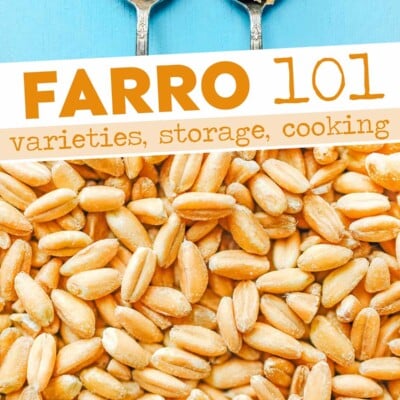
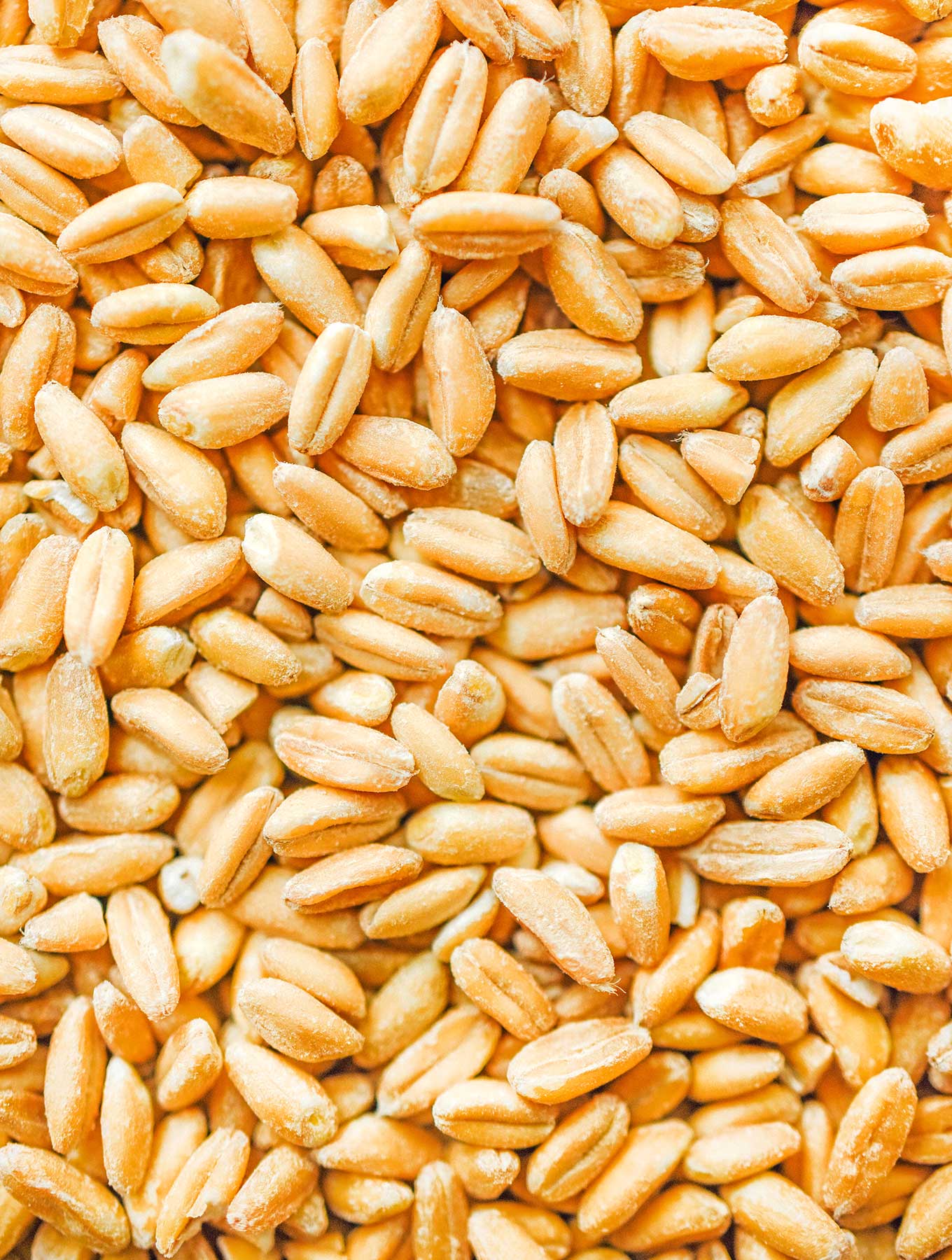
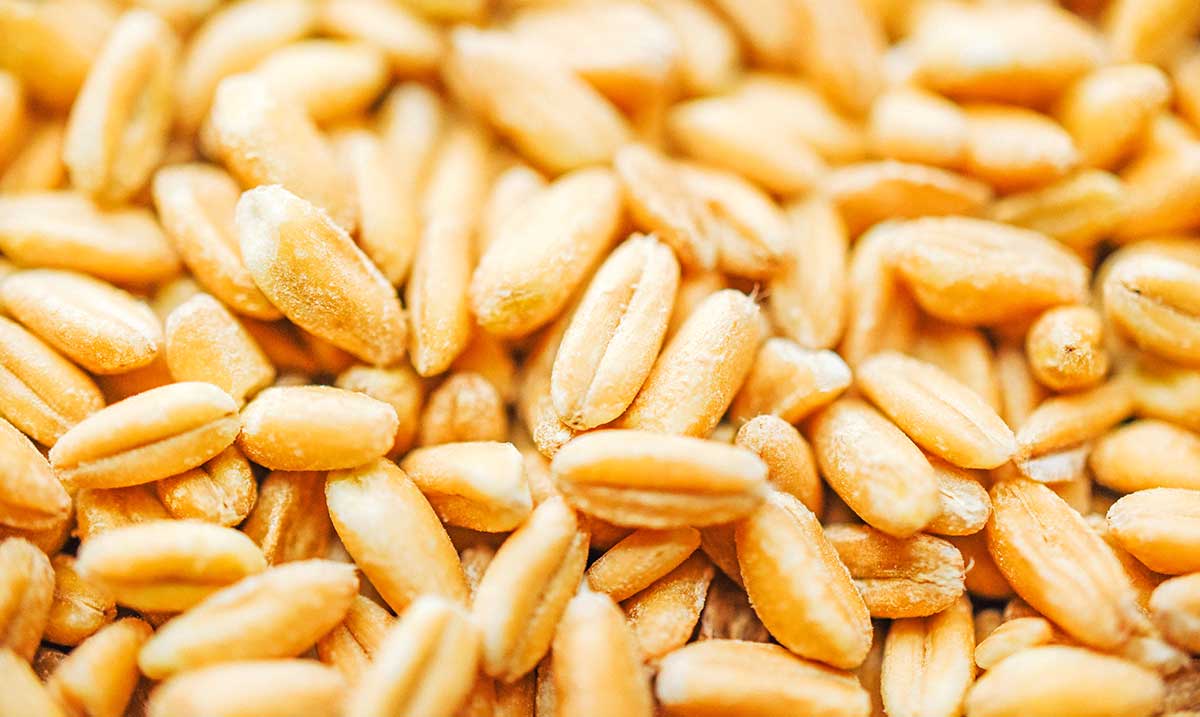
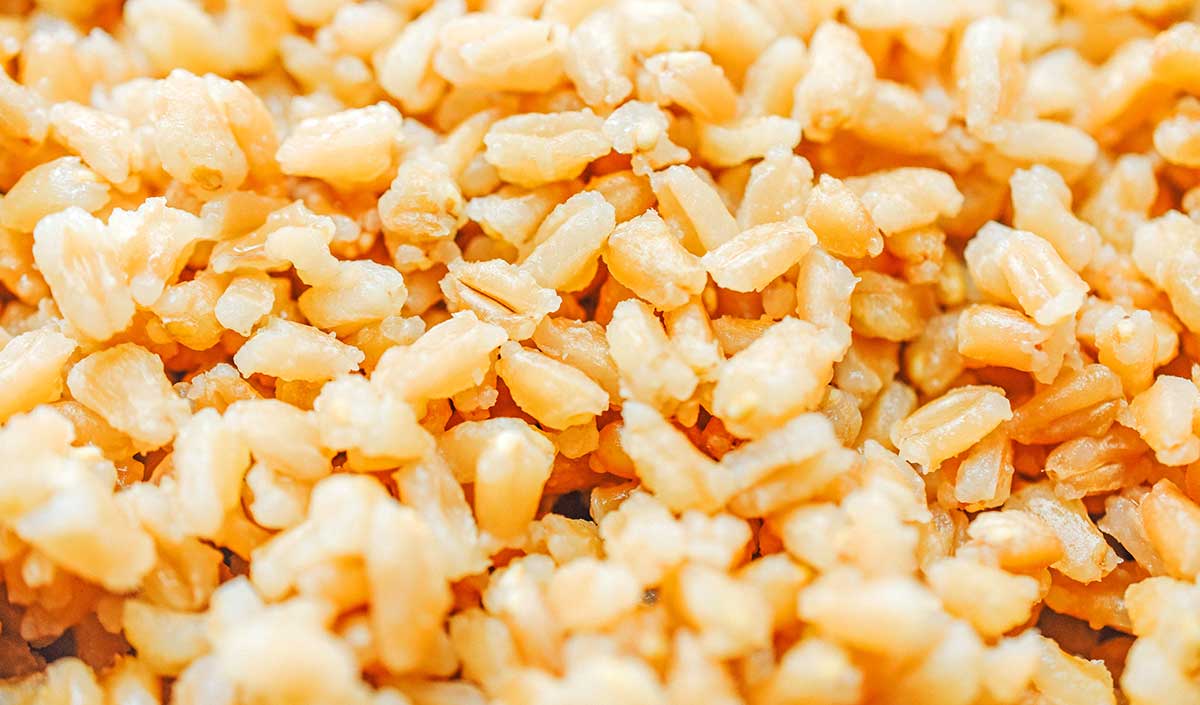
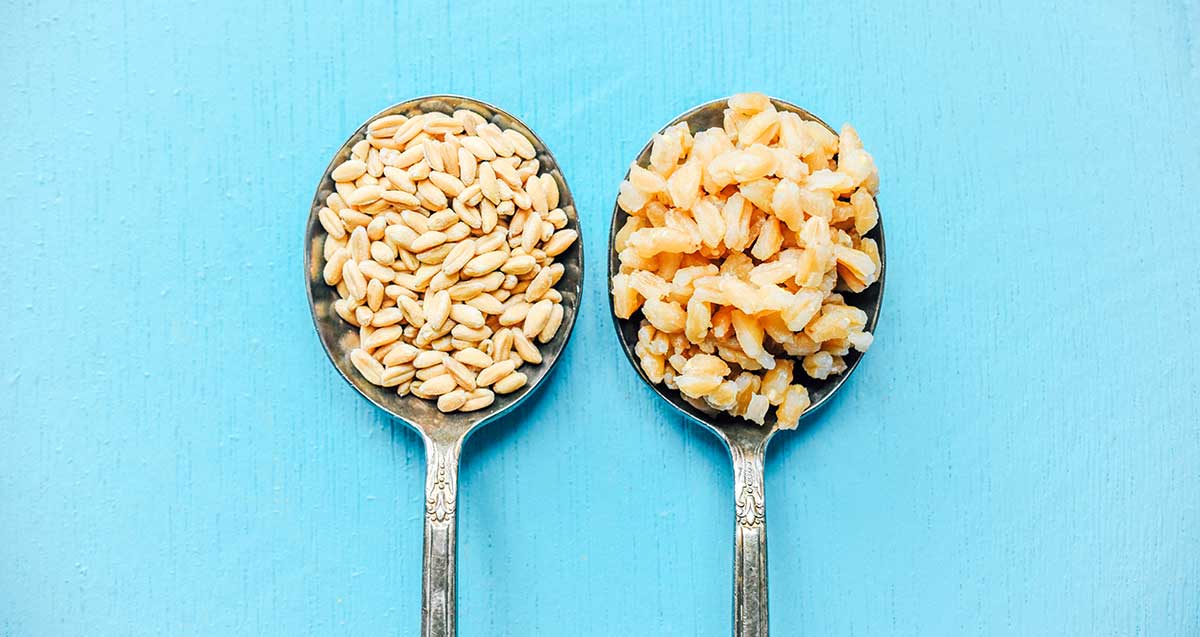
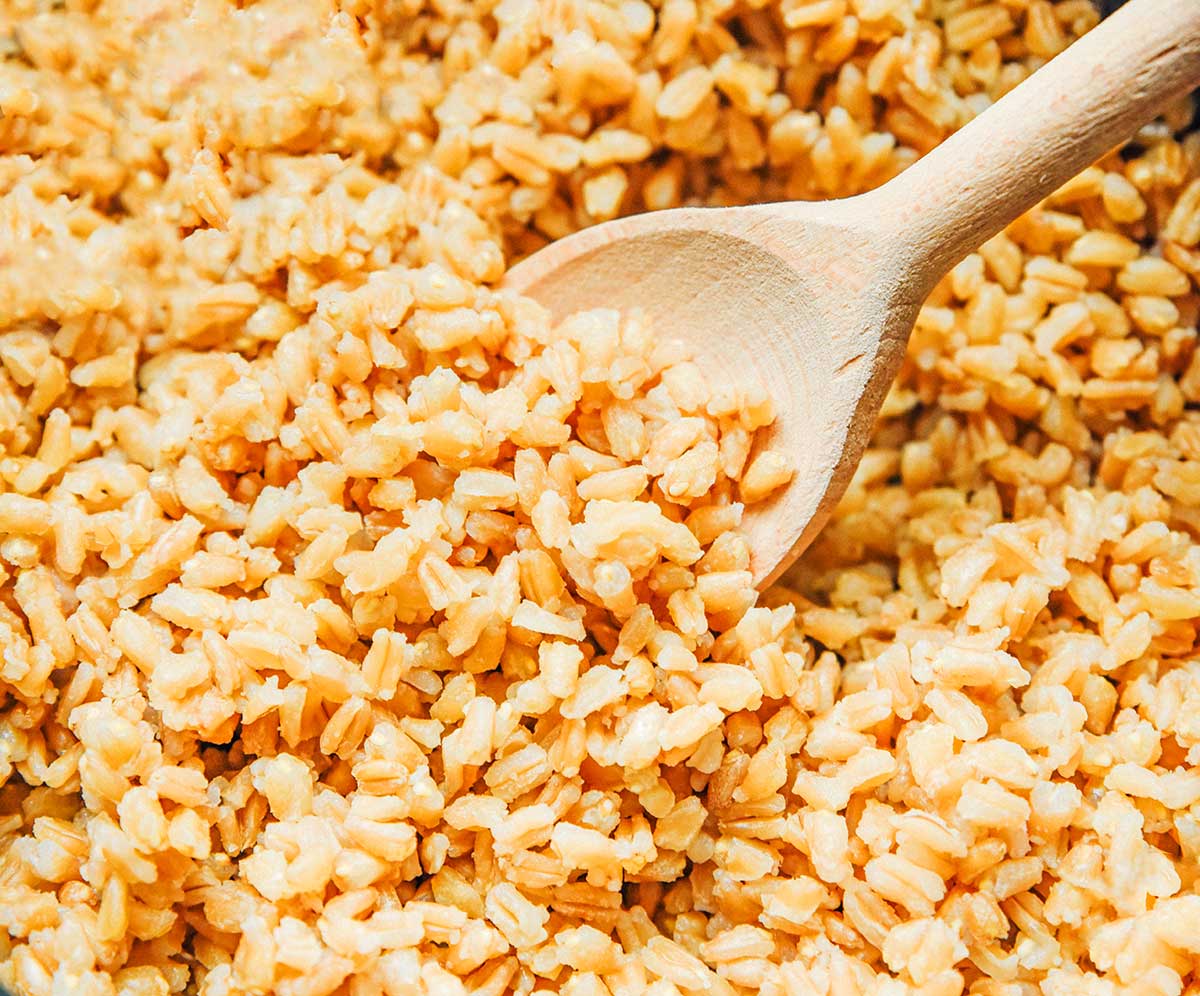
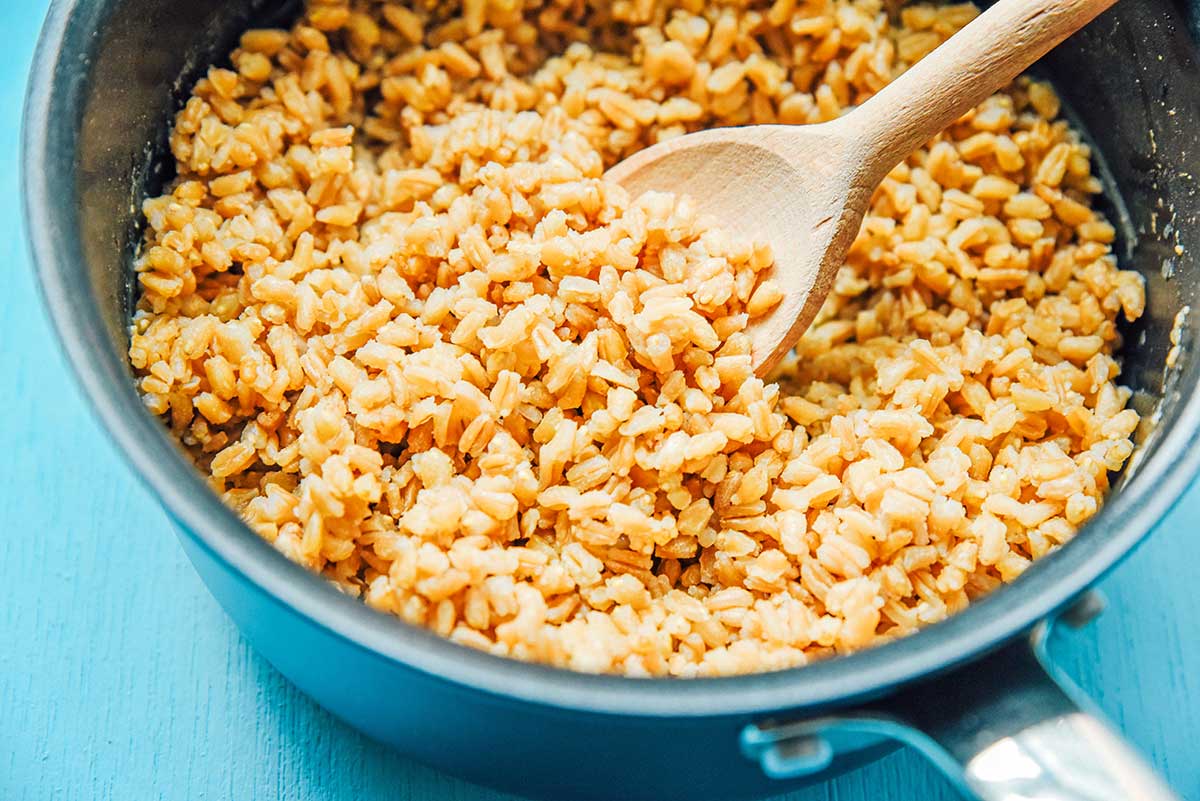
I know what you’re thinking: there is a another grain that I didn’t know existed? It’s okay, I didn’t know either until a few years ago. And like with bulgur, freekeh, and sorghum, I’m so glad I learned about it. It’s nice to switch up the rice and quinoa dishes every once in a while! Farro is a grain that comes from three different wheat plants: spelt, emmer, and einkorn. It originated in Mesopotamia thousands of years ago, and is now grown mainly in Italy. The grain itself can be described as similar to light brown rice, though it far exceeds rice in nutrition. The taste is also quite similar, with that same subtle nutty flavor. It comes dried much like rice and is cooked in the same way – placed in boiling water and then left to simmer until it absorbs the water and becomes fluffy. And when it comes to eating it, you can use it in so many different dishes! You may have unknowingly enjoyed it at a restaurant atop a salad or in soup.
Where to buy farro
The benefits of farro
Farro is a great little grain not only for its flavor, but also for its nutrients. It contains everything you’d want in a grain: fiber, protein, magnesium, B vitamins, zinc, and more. In fact, the protein in a serving of farro doubles that in a serving of rice! It also has more fiber than rice and quinoa. Looking at the convenience side of things, pearled farro only requires 15 minutes to cook! That’s a great benefit if you’re in a time crunch.
How to cook farro
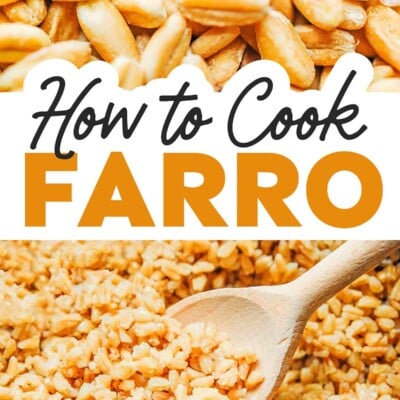
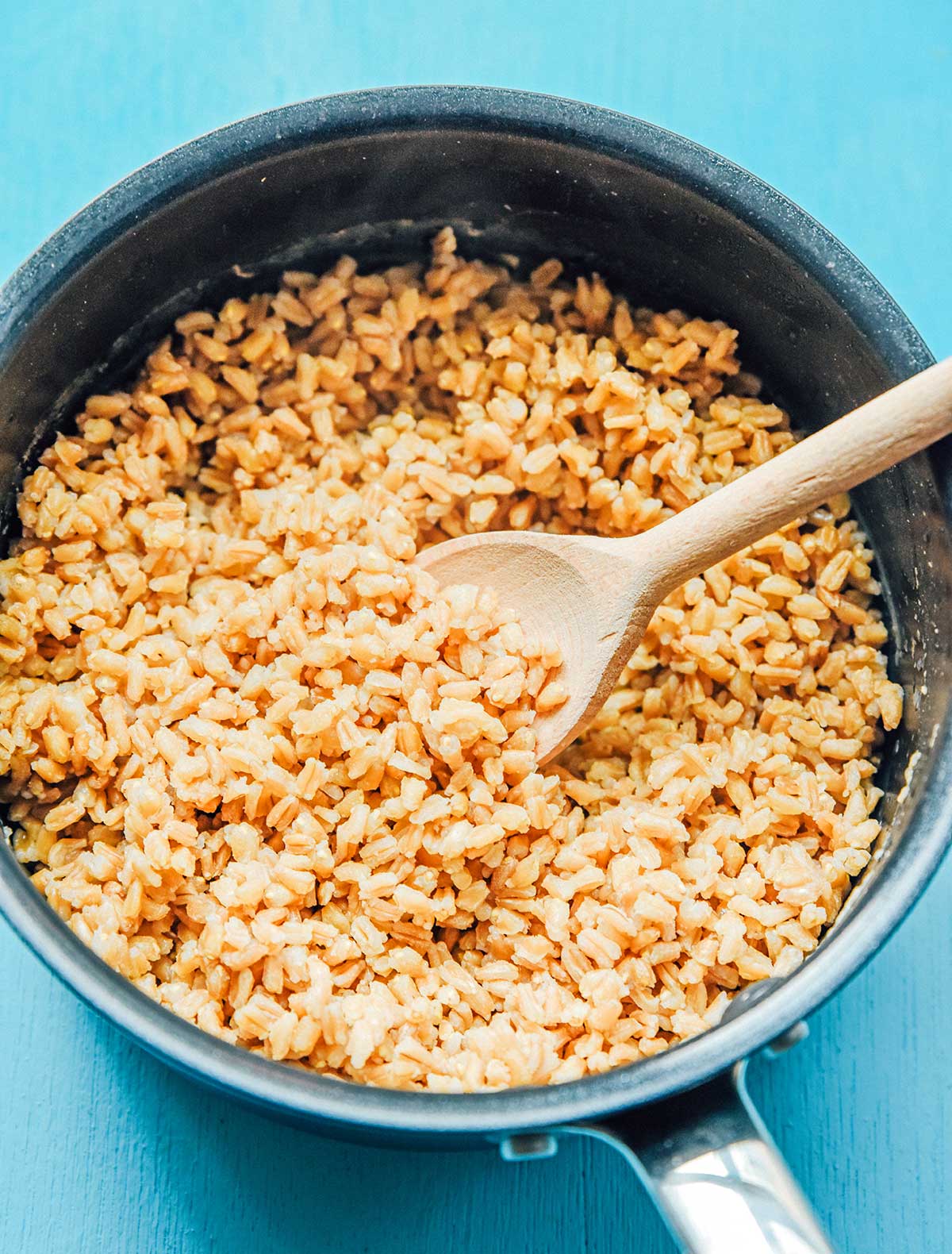
The great thing about cooking farro is that even if it’s a new-for-you food, you’ve probably used this cooking method numerous times before. That’s because you cook farro the same way you’d cook rice (or quinoa, or freekeh, or any other ancient grain recipe).
Farro: You’ll need 1 cup of uncooked farro. Water: For every 1 cup of farro, you’ll need 3 cups of water. Salt: Finally, add ½ tsp of salt to the water to magnify the flavors of the farro.
Variations of farro grains
When it comes to shopping for farro, there are three types that you may see. Each one has its benefits, so choose the one that aligns with what you’re looking for! They should all taste similar, regardless of the type.
Pearled: Pearled farro is the most common type of farro here in the US, and it has the shortest cook time (because the grains do not include the bran). If you’re looking for a farro meal that’s quick to whip together, pearled farro is going to be your best best. Semi-Pearled: Next up is semi-pearled farro, a version that has part of the bran. As you’d expect, this type of farro contains more fiber than pearled versions, but also takes about 15 minutes longer to cook. Whole: Finally, whole farro. With this type, everything is intact and therefore requires the most cooking time. In turn, it also provides the most nutrients! If you’re looking for a meal that contains as many vitamins and minerals as possible, whole farro is your friend.
How to store farro
Depending on the type of farro you have will determine how it should be stored.
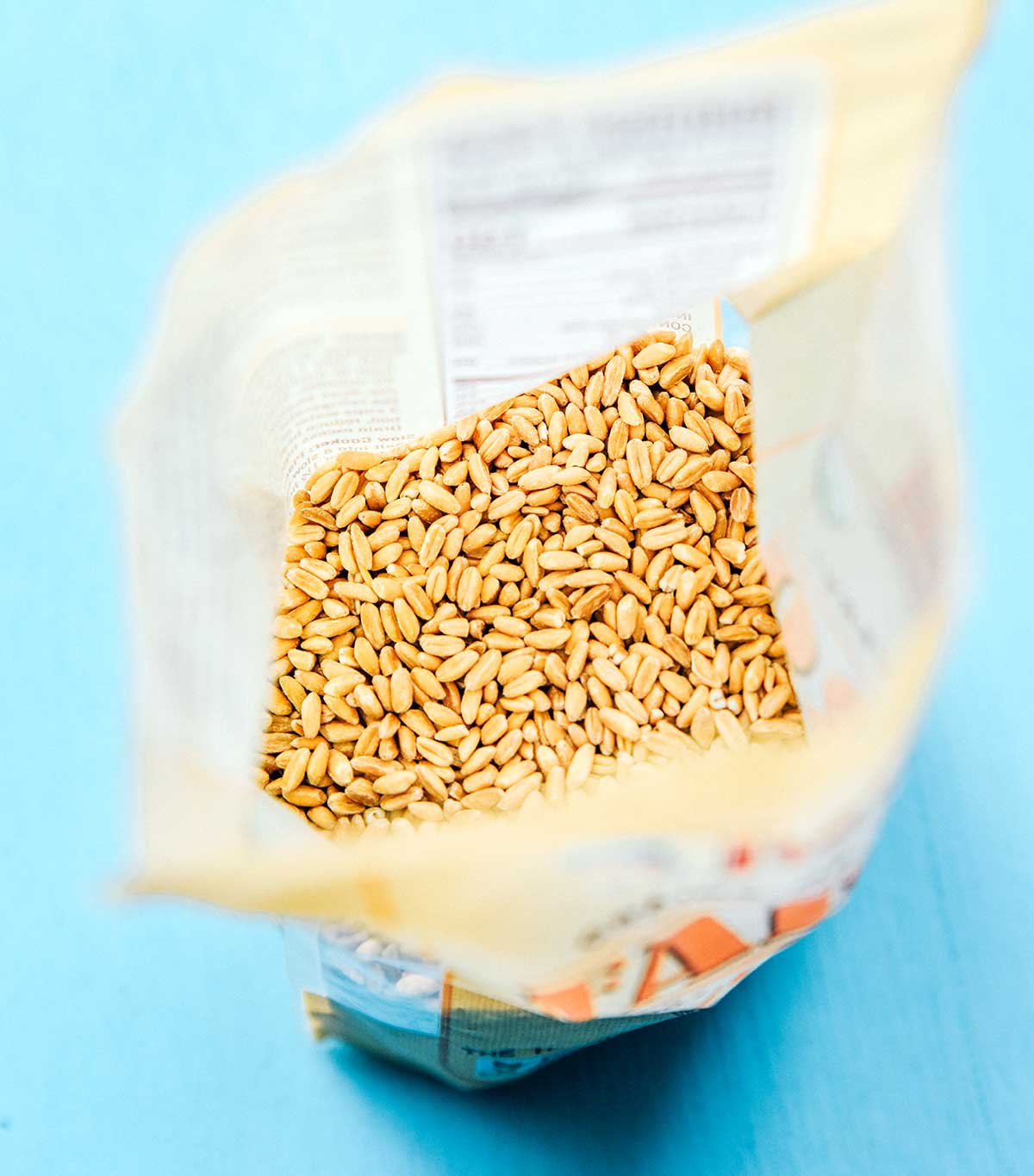
Uncooked: Opened bags of farro can be kept in the pantry for many months and the freezer for up to 6 months. Cooked: On the other hand, cooked farro should always be kept in the refrigerator and eaten within 4-5 days.
Does farro contain gluten?
Farro is made from wheat and therefore contains gluten. If you have a gluten intolerance or prefer to avoid gluten in general, you will not want to eat farro.
How to serve farro
Farro can be served so many different ways! You can include it in a number of delicious recipes, and it works perfectly as a protein-boost in salads, soups, and more. You can pretty much use it wherever you’d use rice. Throw it in to vegetable soup, add it to a kale salad, eat it with cheese and broccoli, throw it into stuffed peppers, etc.!