Lemons are one of those ingredients that are so underrated and have the ability to transform your cooking into something (even more) miraculous. Cooking is all about balancing the five main flavors – sweet, salty, bitter, umami, and sour – so whenever a dish needs a bit more sour, my first instinct is to reach for the lemon juice. Tart, bright, and full of life! Let’s walk through everything you need to know about lemons.
Varieties of Lemon
While there are many types of lemons around the world, some common varieties are:
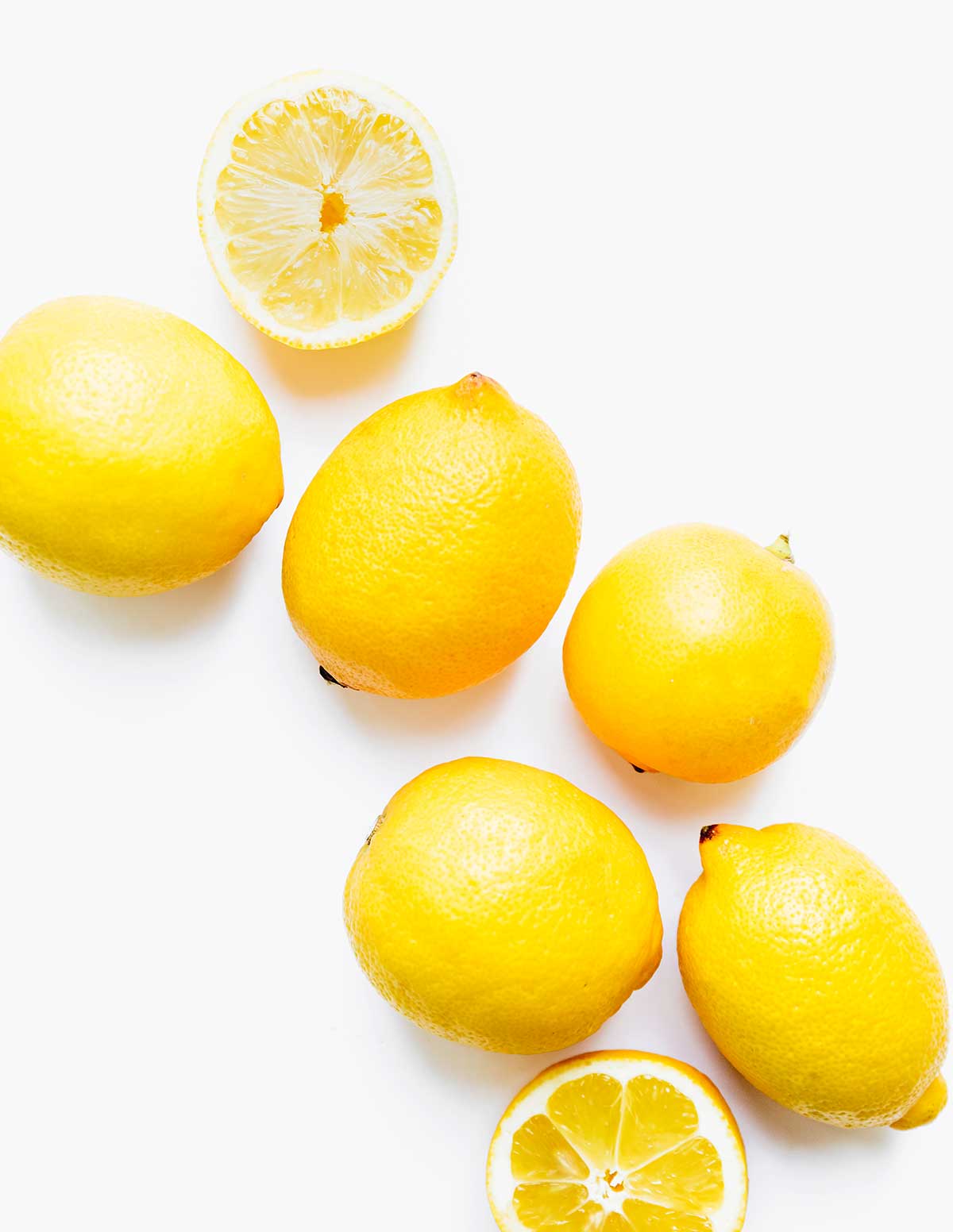
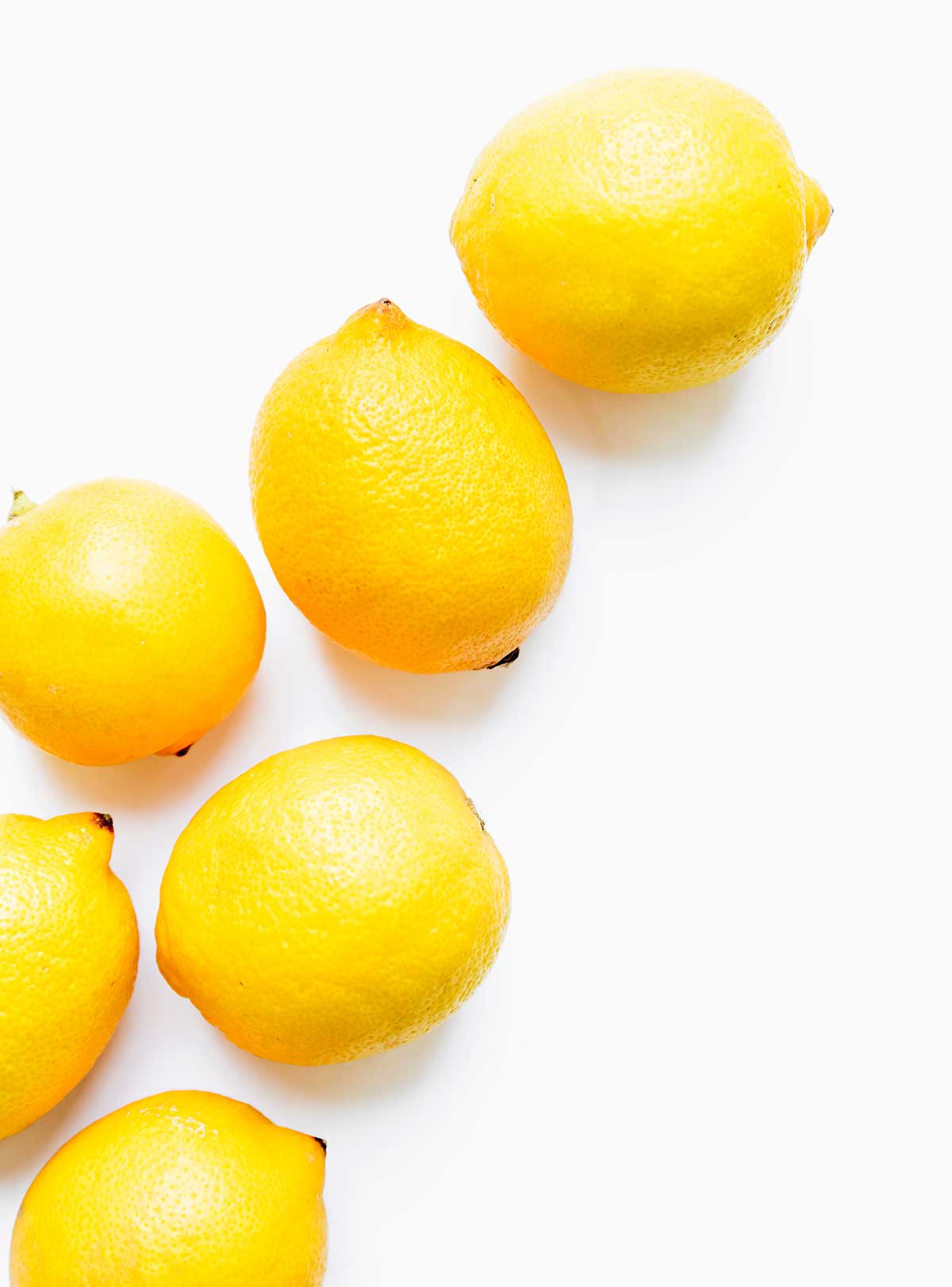
Eureka: Your standard supermarket lemon. These have a short neck, a few seeds, and a dimply skin. Lisbon: Your other standard lemon! These have no neck (but rather a point), no seeds, and smooth skin. Meyer: Crossed with oranges, this variety is slightly orange and a little sweeter than others.
Pick the Perfect Lemon
When buying lemons at the grocery, look for fruits that are shiny, yellow, and free from nicks and cuts. They should give just a little when pressed.
How to Store Lemons
Stored at room temperature, lemons will last about a week. Stored in the refrigerator, they’ll last a few weeks (just be sure to pull it out a few hours before using it to get the juices going).
How to Use Lemons
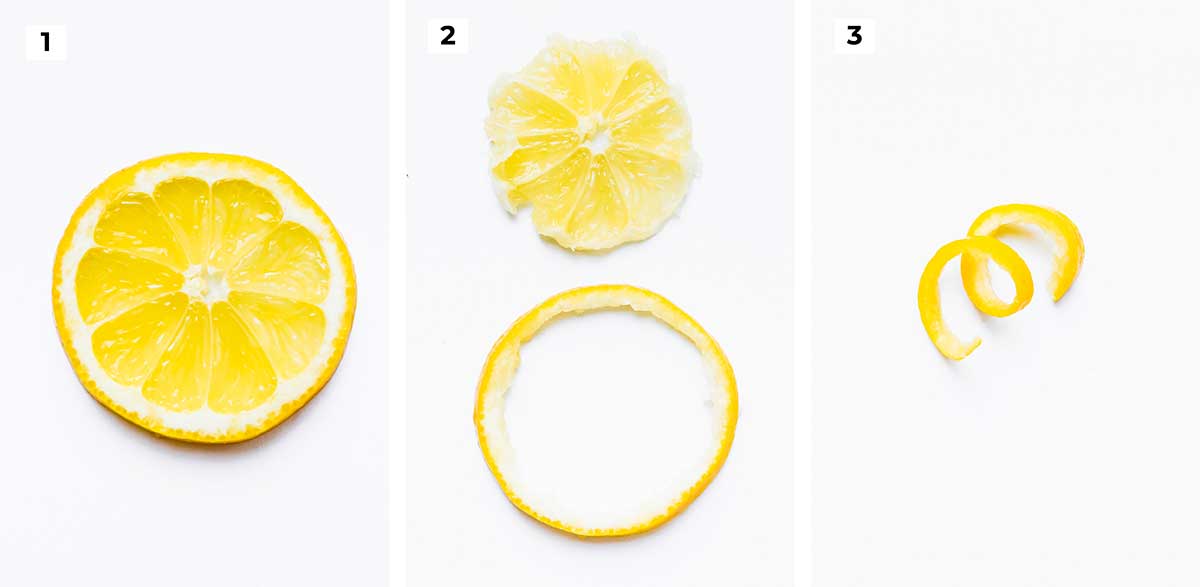
You can use both the lemon juice and zest to add acidity and flavor to a variety of lemon recipes! Lemon Juice: Add sourness to dishes, enhance flavors by using it instead of salt, let your imagination run wild! Just be careful not to add too much to dairy (the milk may curdle) or to add it too soon into cooking because it may develop a bitter flavor. Great for adding acidity to Deviled Eggs, Tabbouleh, or Blueberry Vinaigrette. Lemon Zest (the grated outer rind): Good for lemon flavor without the sourness. Use it in baked goods, rice dishes, or anywhere you might want an aromatic lemon flavor. Try this Lemon Risotto or Buttermilk Lemon Popsicles. Make a Lemon Twist: Use the peel of the lemon to add a fun garnish to drinks! Simply cut a thin slice of lemon, cut out the fruity pulp, then cut the peel so you have one long strand of peel. Twist the peel into a curl and hold for a few seconds. Voila!
Lemon Nutrition Information
per ½ cup lemon (100 g)
Calories: 29 Carbohydrates: 9 g Fiber: 3 g, 11% Daily Value (DV) Protein: 1 g Fat: 0 g 88% DV of Vitamin C: A water-soluble vitamin that acts as an antioxidant to fight against potentially damaging free radicals (molecules with unshared electrons that float around wreaking havoc) and an important cofactor in collagen synthesis.