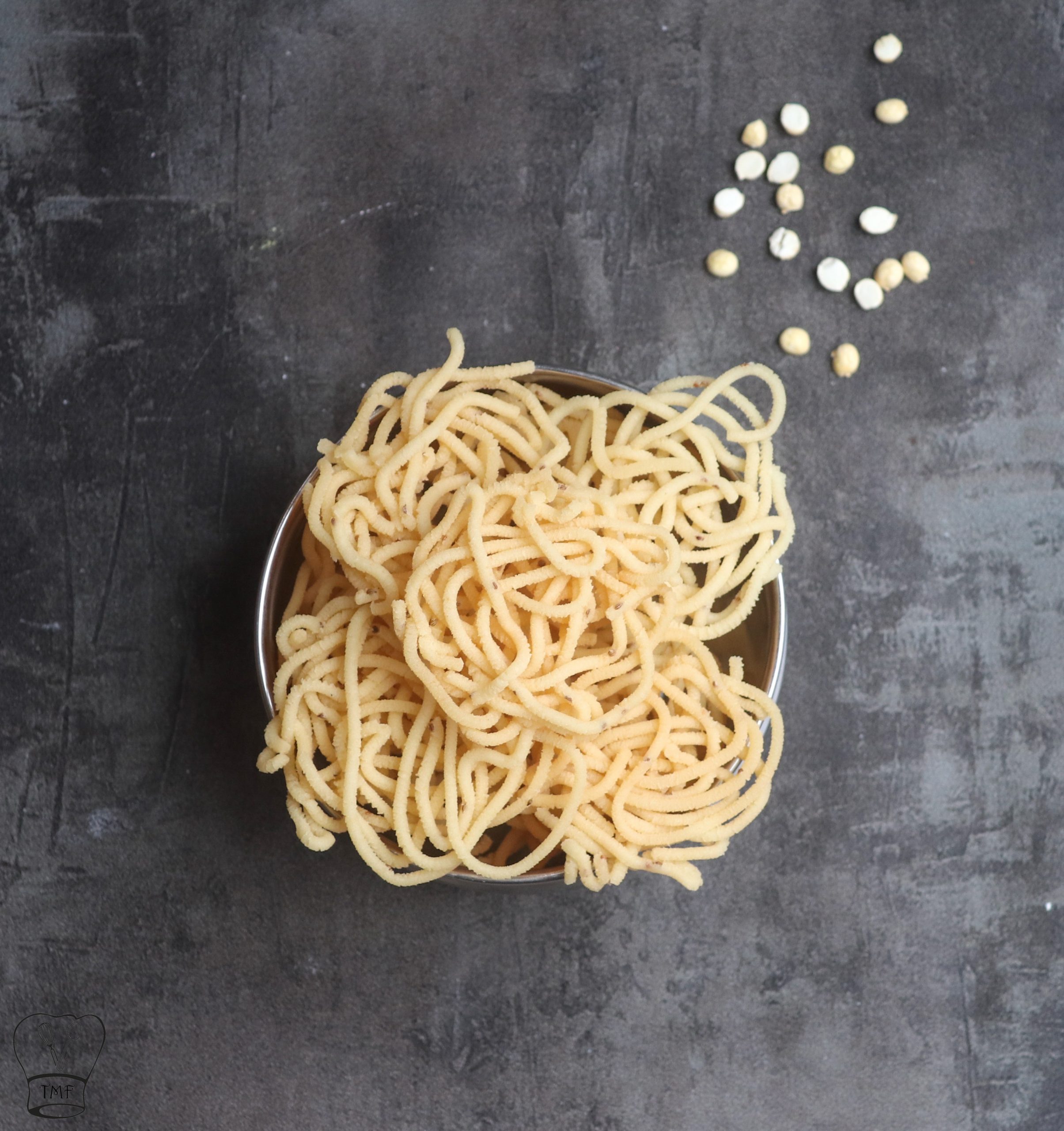
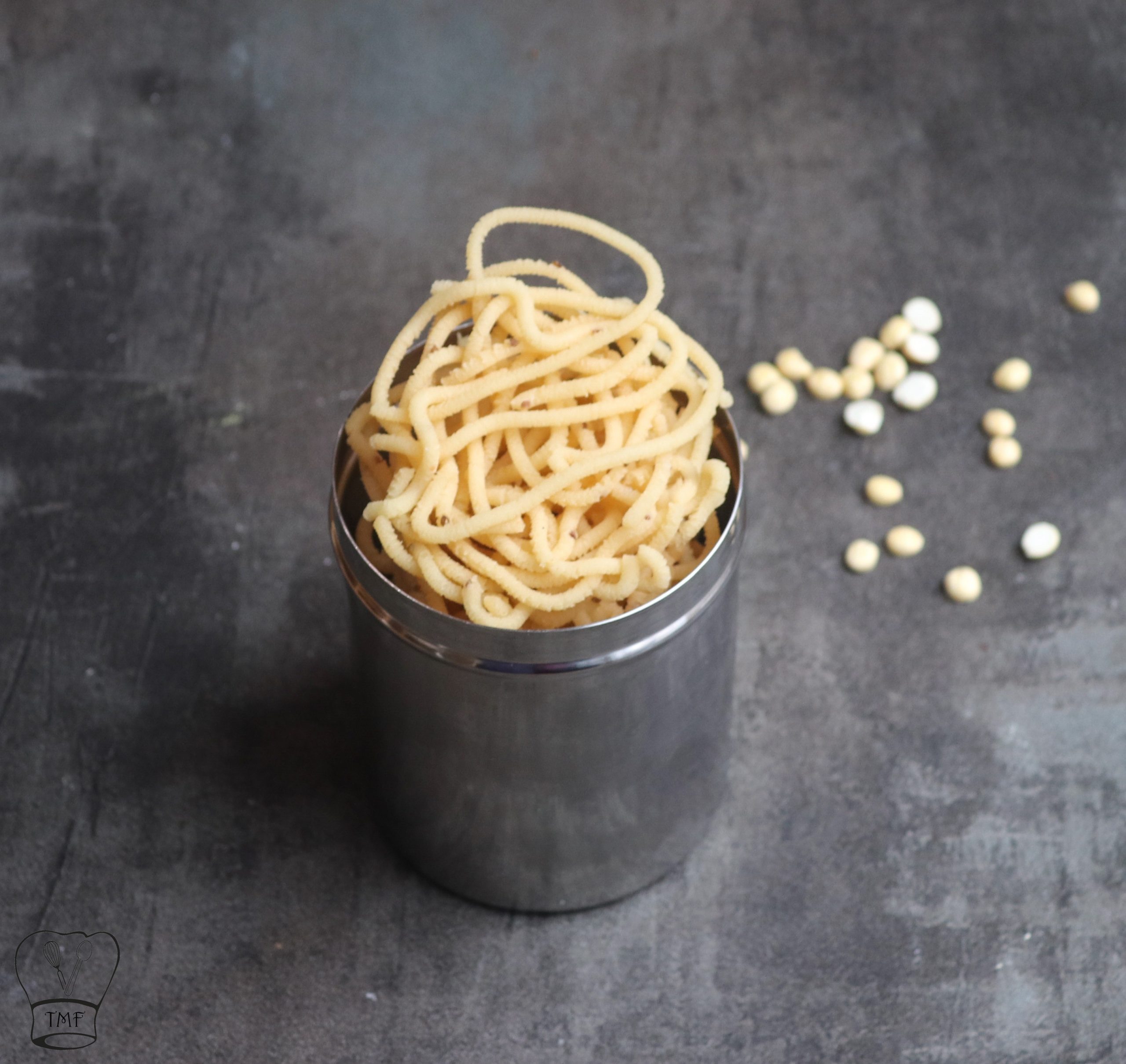
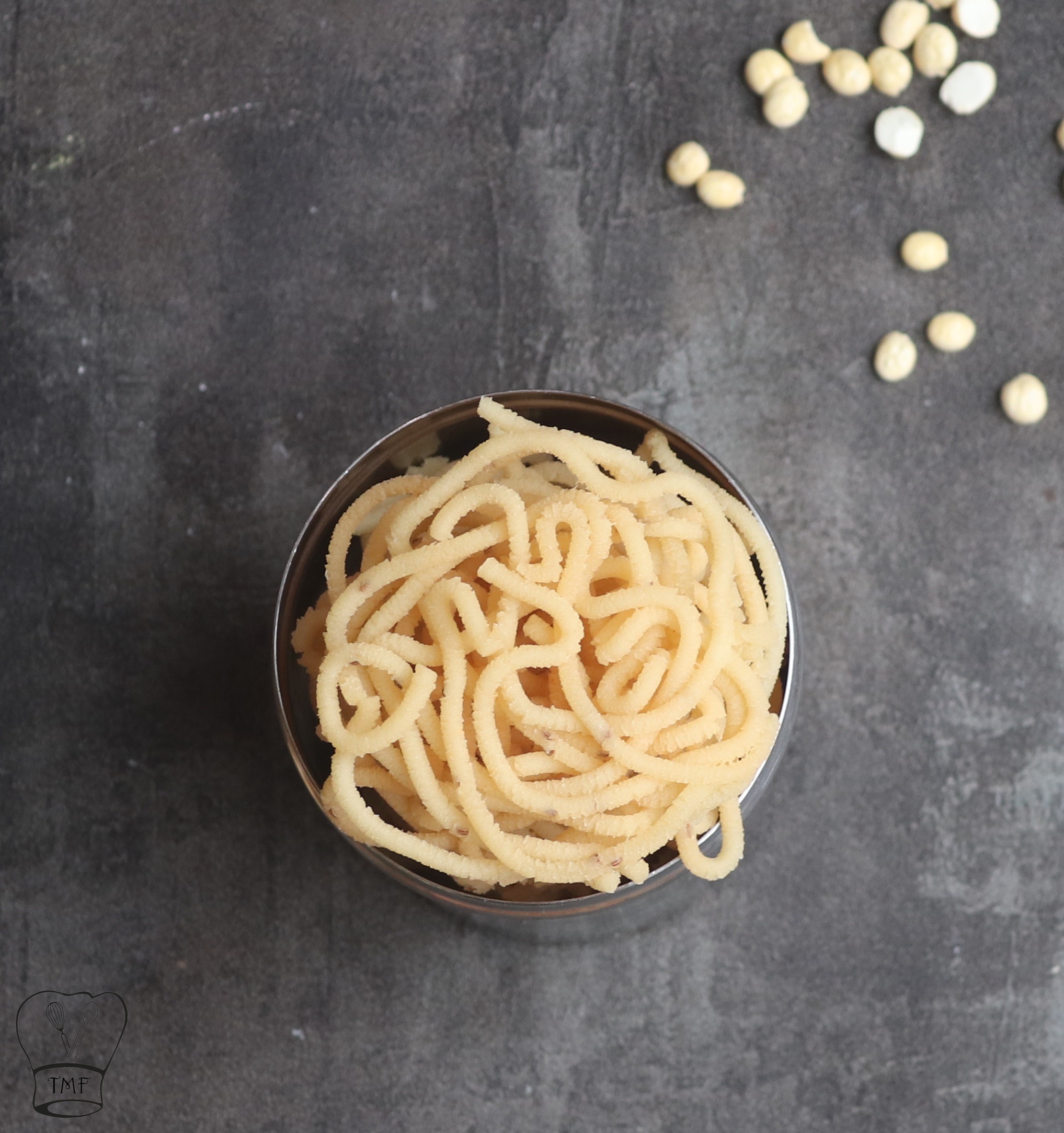
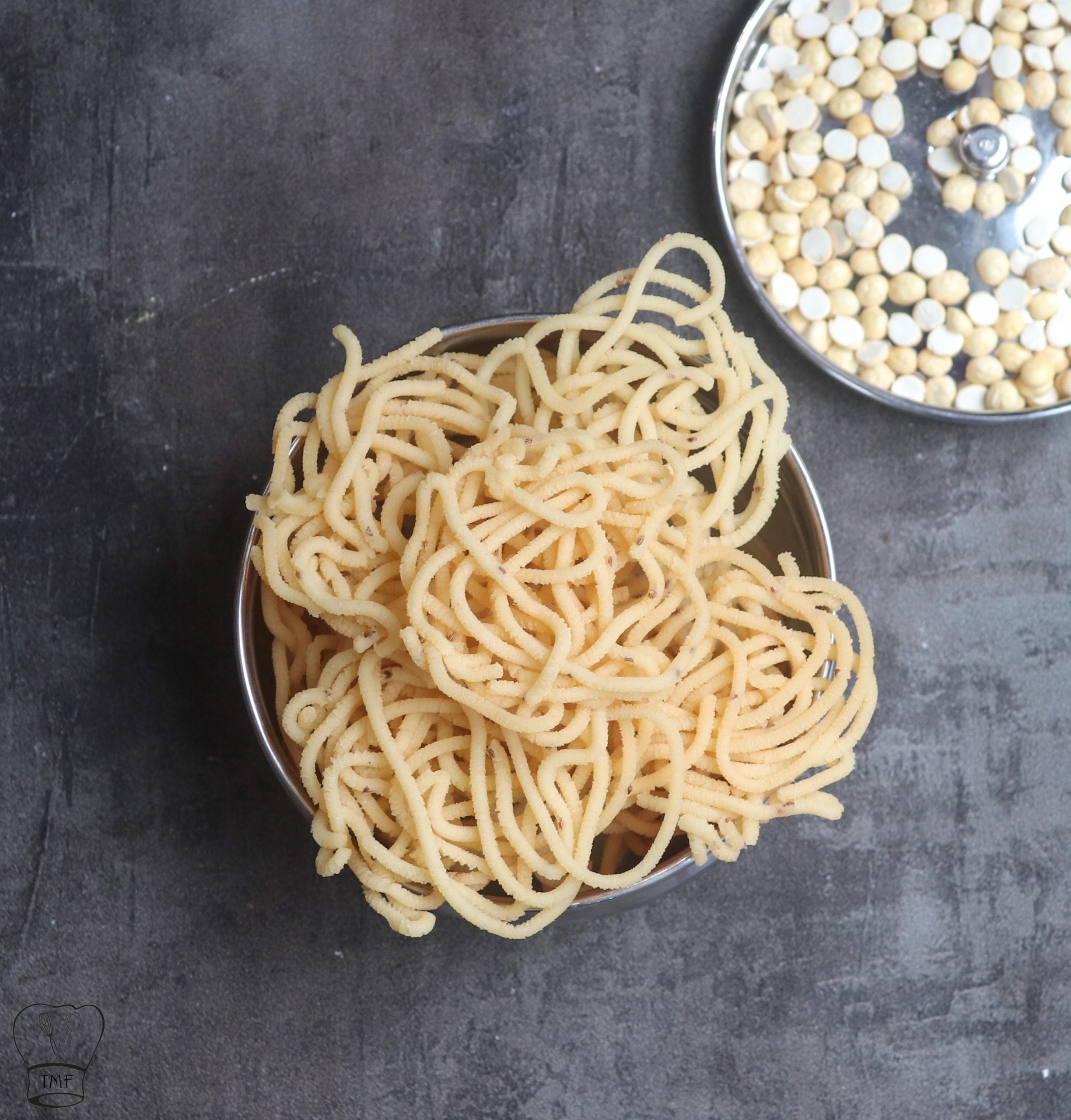
Pottukadalai murukku | murukku recipe | easy pottukadala murukku | pottukadalai butter murukku | easy murukku recipe | rice flour chakli | roasted gram murukku | Dalia murukku | instant murukku | pottukadalai thenkuzhal | easy murukku recipe | Diwali bakhsanam | Diwali savory recipes | festival savory | gokulashtami quick, and tasty murukku recipes prepared with store-bought rice flour / Idiyappam flour / arisi maavu, roasted gram flour/ pottukadalai maavu / Dalia flour, and butter/ hot oil. Easy instant murukku recipe without any roasting and soaking. It is a popular tea-time/coffee-time South Indian snack recipe. Simple tasty crispy and crunchy snack recipe are also widely prepared during festive seasons like Diwali/ Deepavali, Ganesh Chaturthi, Krishna Jayanthi / gokulashtami / Janmashtami, karthigai, etc. This is one such no-fail murukku recipe.
Should I measure pottukadalai or pottukadalai powder?
The measurement of rice flour is proportional to the roasted gram flour, not the roasted gram. 5:1 rice flour to pottuladalai maavu results in best crispy tasty pottukadalai murukku
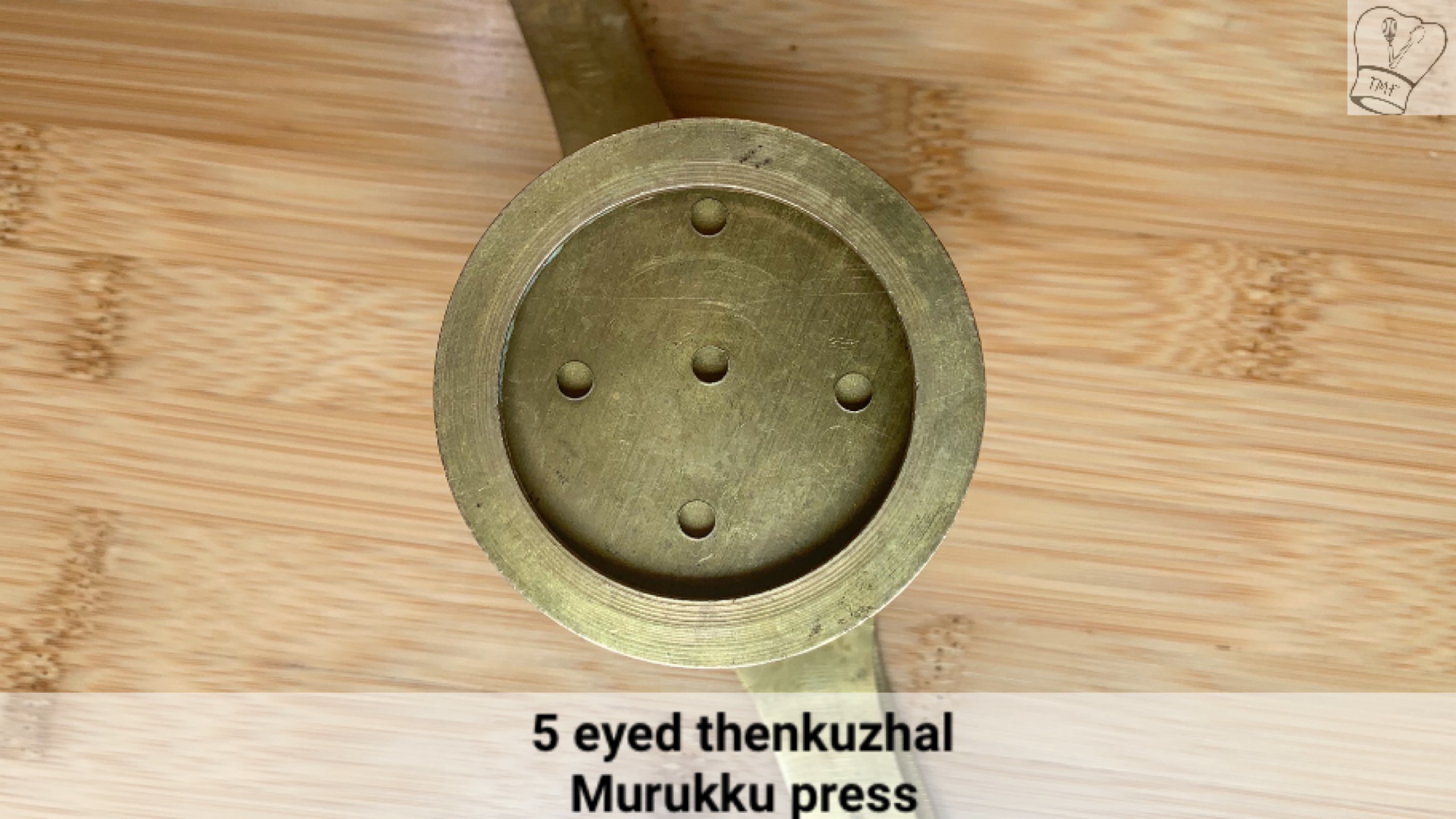
Murukku maker for pottuladalai murukku
Should I make rice flour at home for pottuladalai murukku?
Traditionally murukku is made after grinding rice. But to make it fast, I have used store-bought rice flour. Choose a fine rice flour for the best results. Idiyappam flour can also be used for murukku. Instant homemade crispy pottukadalai thenkuzhal without compromise in taste.
Should I roast pottukadalai?
No, you need not roast pottukadalai for the murukku. Grind the roasted gram into a fine powder and use it as-is for the murukku.
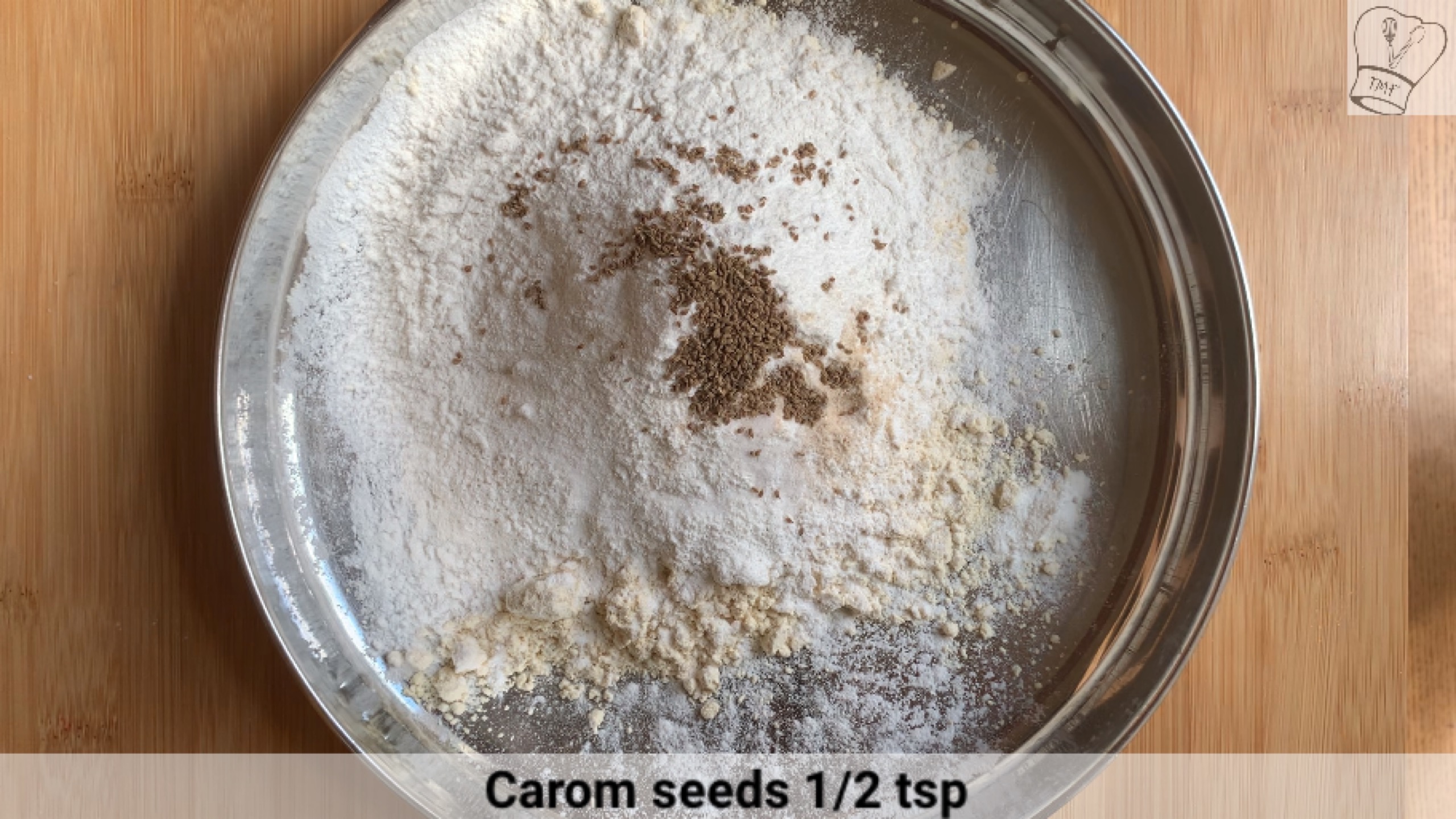
Can I skip carom seed?
I have used carom seems for extra flavor. Instead, you can use black sesame seeds, white sesame seeds, or cumin seeds according to your preference.
Can I skip butter for pottukadalai murukku?
Little butter gives a nice texture and taste to the murukku thenkuzhal recipe. But if you are planning to make vegan murukku skip the butter and use 2 tablespoon hot oil instead of butter. Personally, I like butter flavor hence I add in my all savory like seedai, thattai, ribbon. Avoid adding more butter as it will affect murukku texture. Murukku might disintegrate.
Should I add butter and oil for murukku?
Yes, it helps for the crispy murukku. If you are vegan use 2 tablespoon hot oil instead of butter. Fat content (oil/ butter) helps for the perfect murukku. If you skip it you will end up with hard murukku
What should be the consistency of pottukadalai murukku dough?
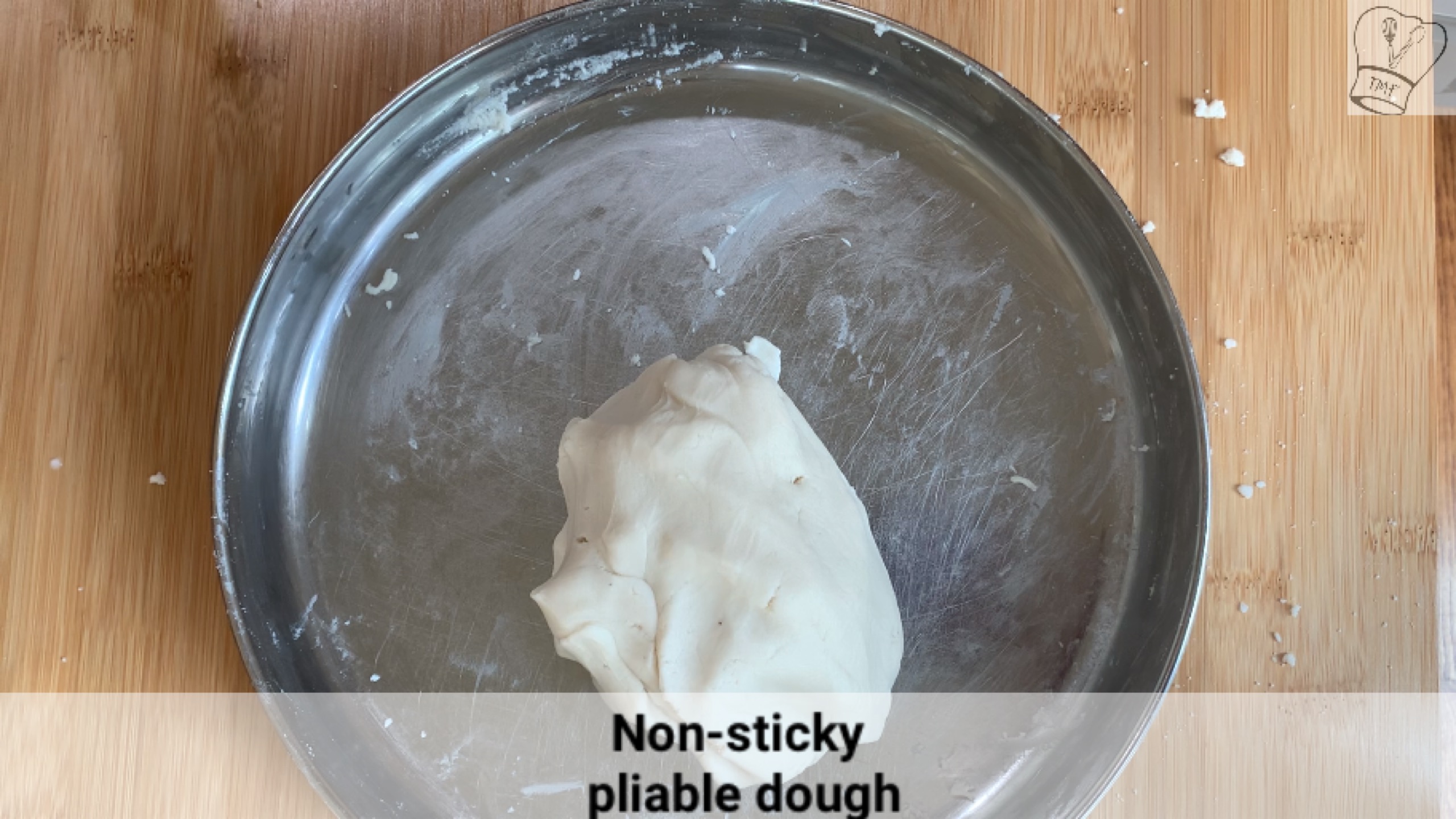
Tight dough makes it difficult to press through the mold, it will cause murukku to break while it is pressed through the press. Also with too much water in the dough, chakli will absorb a lot of oil while frying also murukku won’t retain the shape. Make the right consistency pliable dough
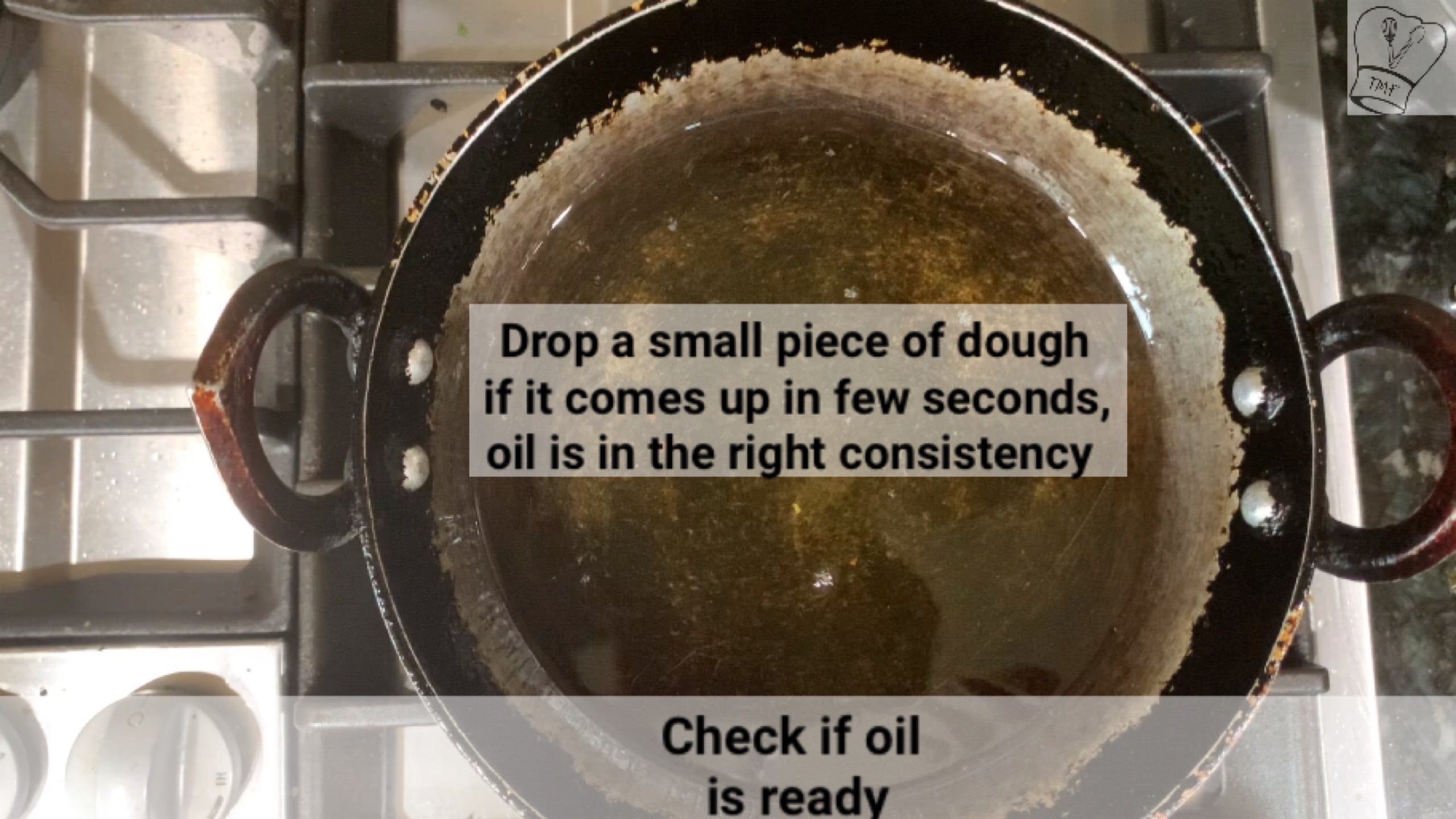
How to check if the oil is at the right temperature?
Check the oil temperature by adding a small piece of the dough. If the dough comes up gradually and steadily on top, the oil is hot enough to fry. If it comes up too quickly, then the oil is too hot. Simmer and adjust to the right temperature. If it settles down at bottom of Kadai or comes up very slowly, the oil is not hot enough, so increase the heat.
Shelf Life for pottukadala murukku
Murukku stays fresh and crispy for up to 2 weeks. Always store in a clean airtight container. I prefer to keep them in stainless dhabba. Let the murukku cool completely then close with the lid.
How to achieve the cream color murukku?
Roasted gram gives an amazing cream color to the murukku. If you are making a large quantity of murukku make the dough in batches to avoid browning. If the dough is kept for a long time murukku will turn brown. Also, avoid heating the oil too high as it might affect the murukku color and taste.
Can I add chili powder?
Traditionally pottukadalai murukku is prepared without chilli powder to retain the color and taste. However, you can add fine chilli powder/ pepper powder according to your taste.
INDIAN SAVORY BAKSHANAM
AFTER SCHOOL SNACKS IN TMF
BAKED INDIAN SNACKS IN TMF
FILTER COFFEE WITHOUT CHICORY
Ingredients:
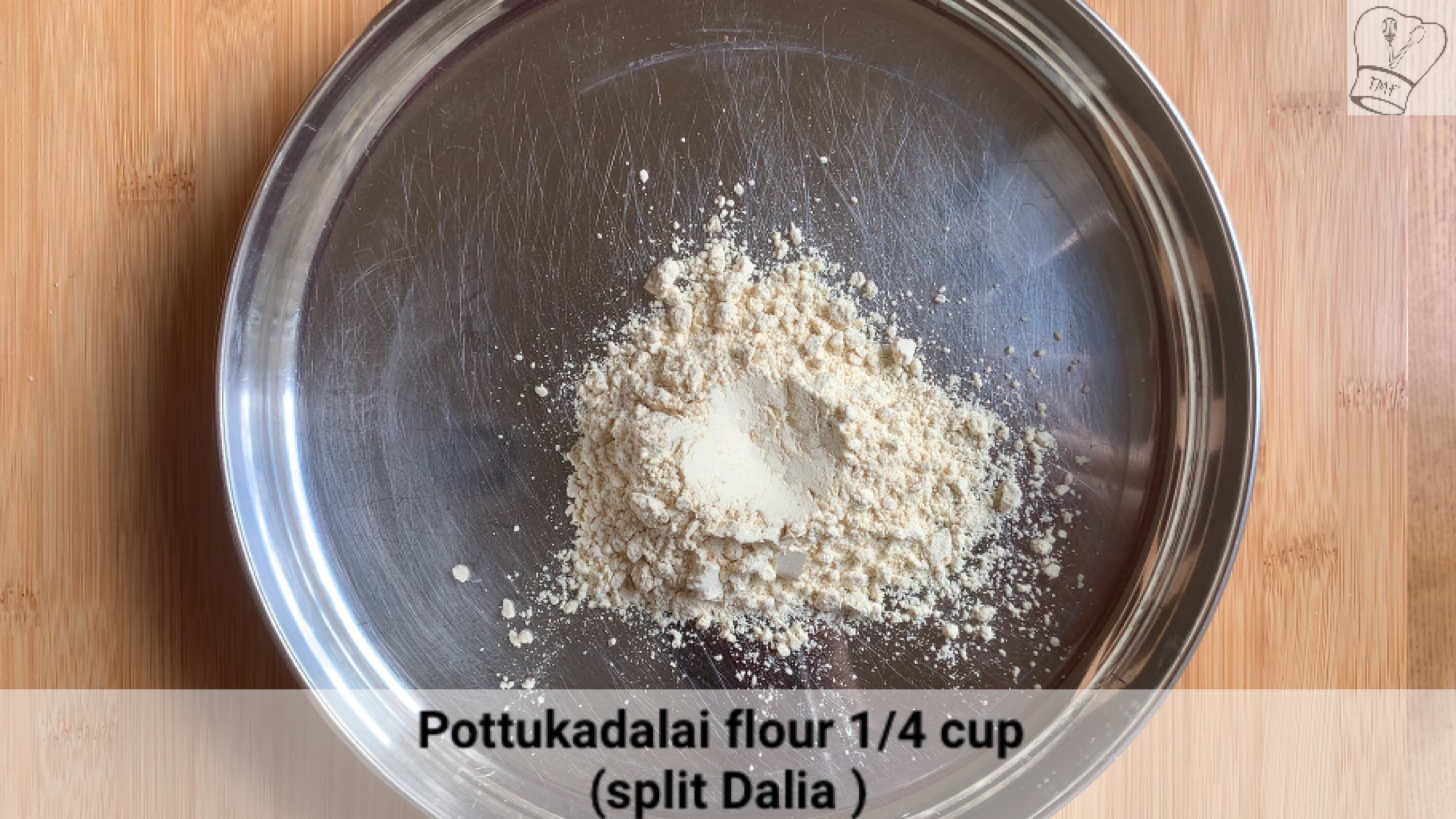
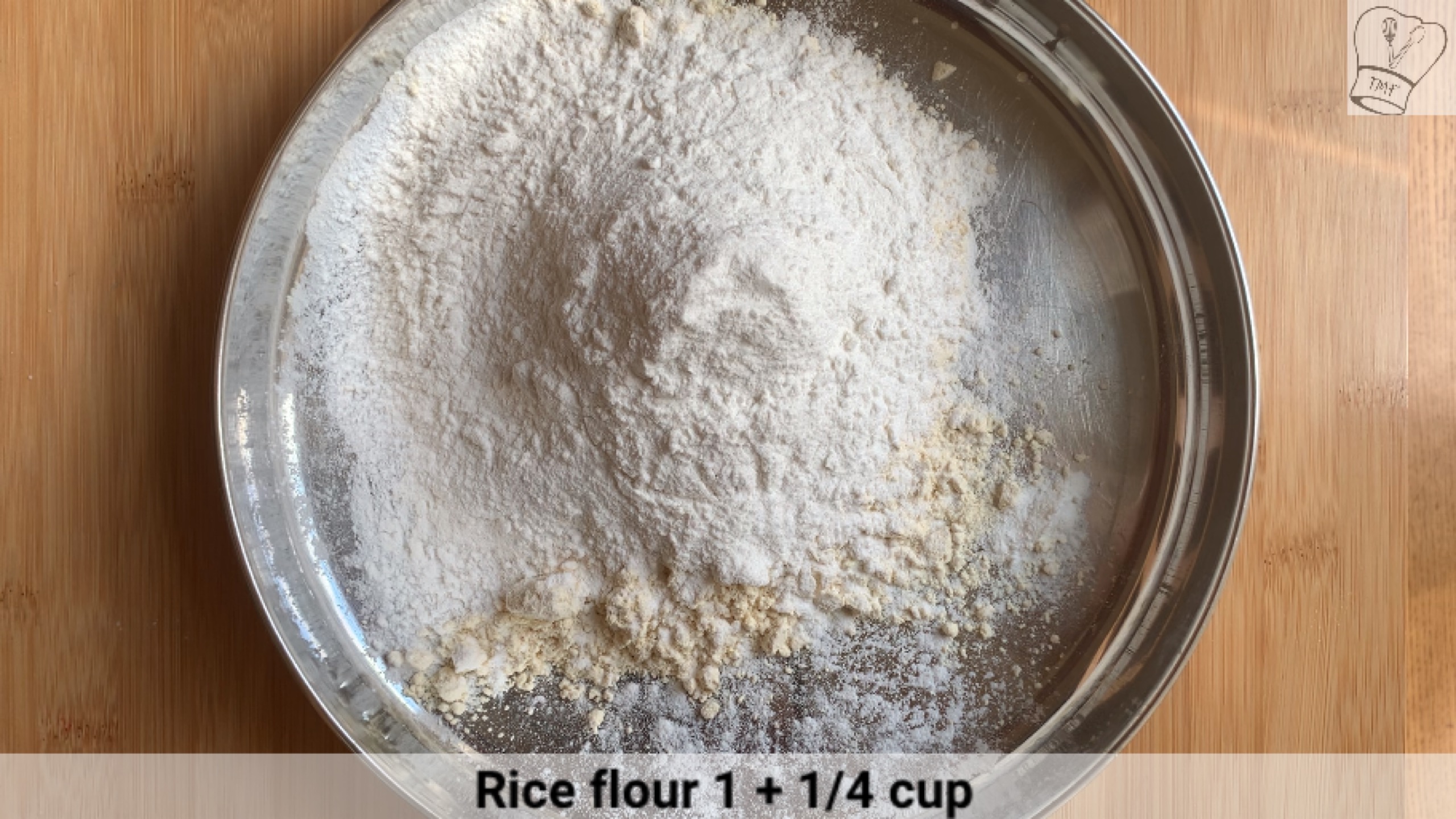
1/4 cup Pottukadalai powder | roasted split gram 1 + 1/4 cup Rice flour 1 tablespoon Butter 1 tablespoon Oil 1/2 teaspoon Carom seeds / omam / Ajwain Required Salt
How to make pottukadalai murukku with step by step pictures
Firstly fine powder the pottukadalai in a small mixie jar Secondly, heat oil in a deep pan for frying murukku
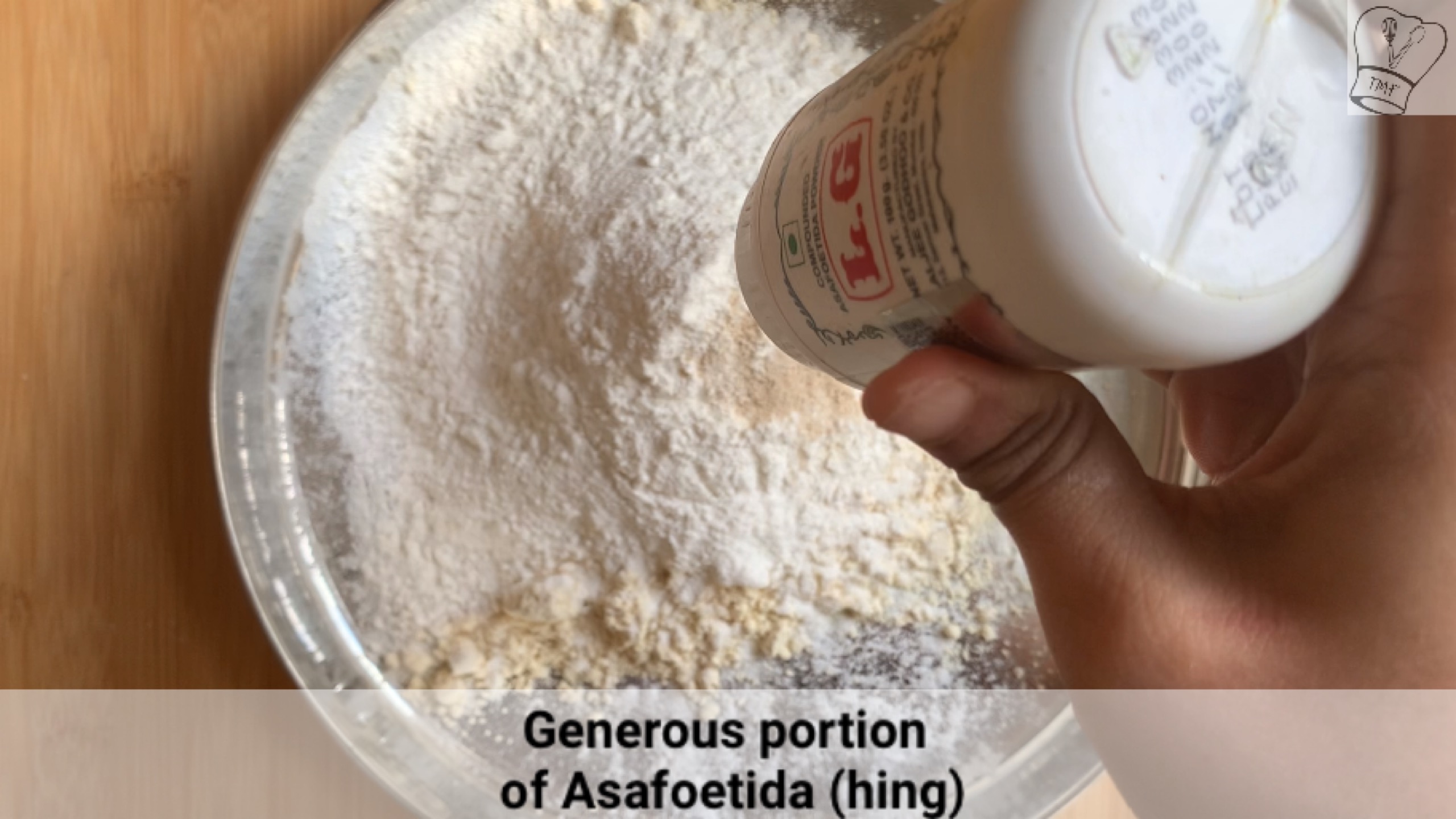
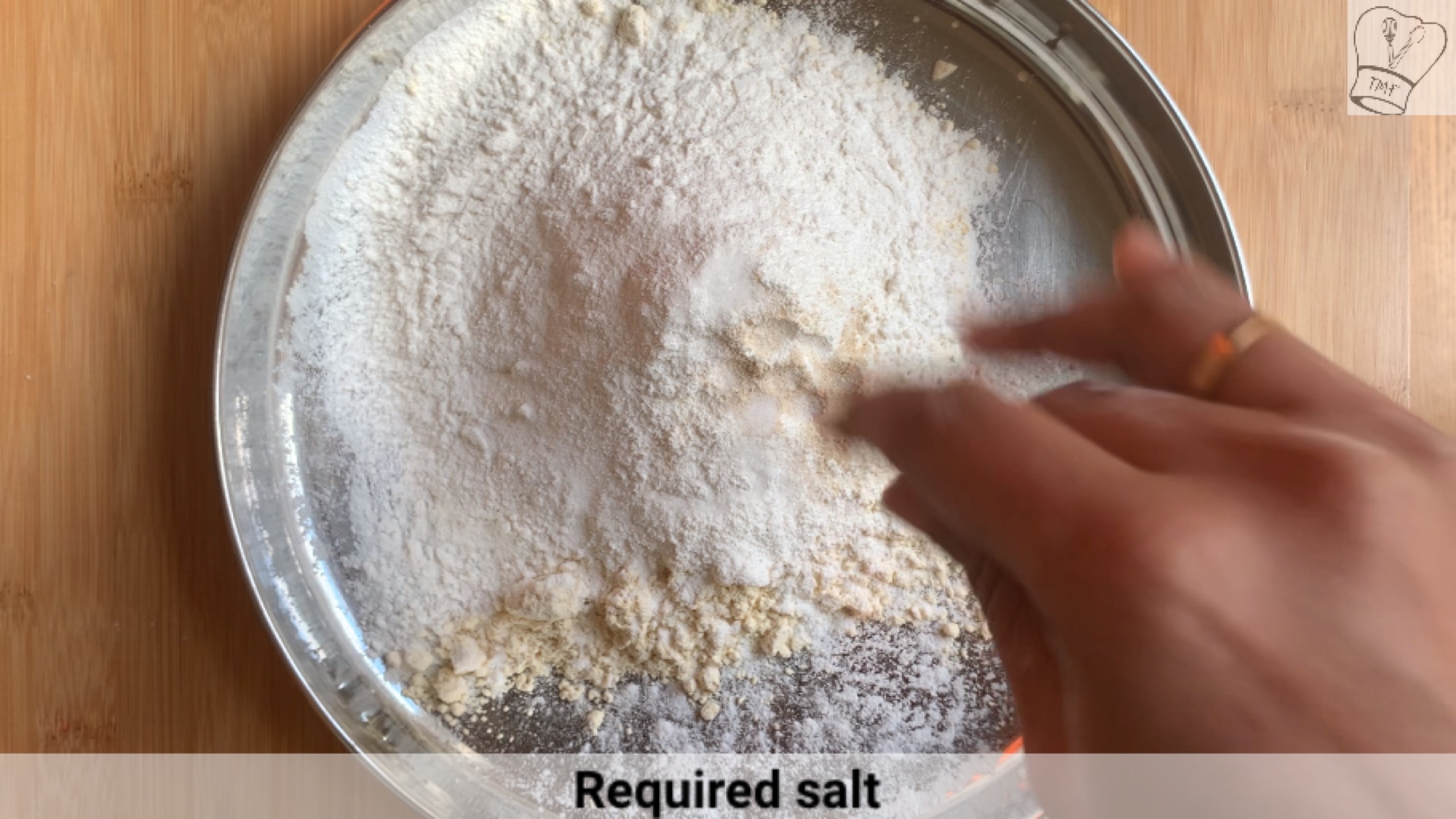
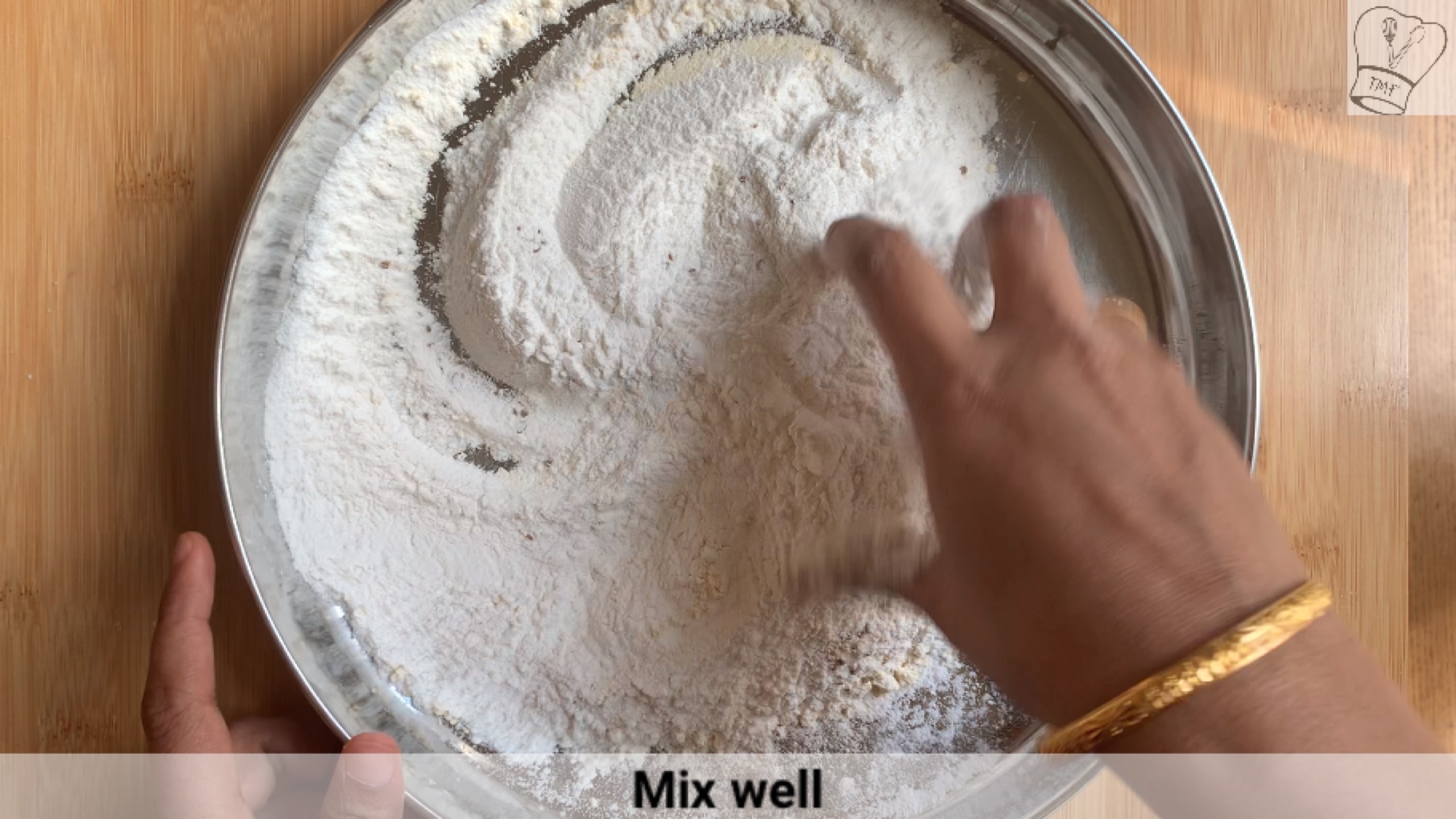
Meanwhile, prepare the dough. In a wide mixing plate add ground pottukadalai flour, rice flour, salt, carom seeds, and hing; mix well
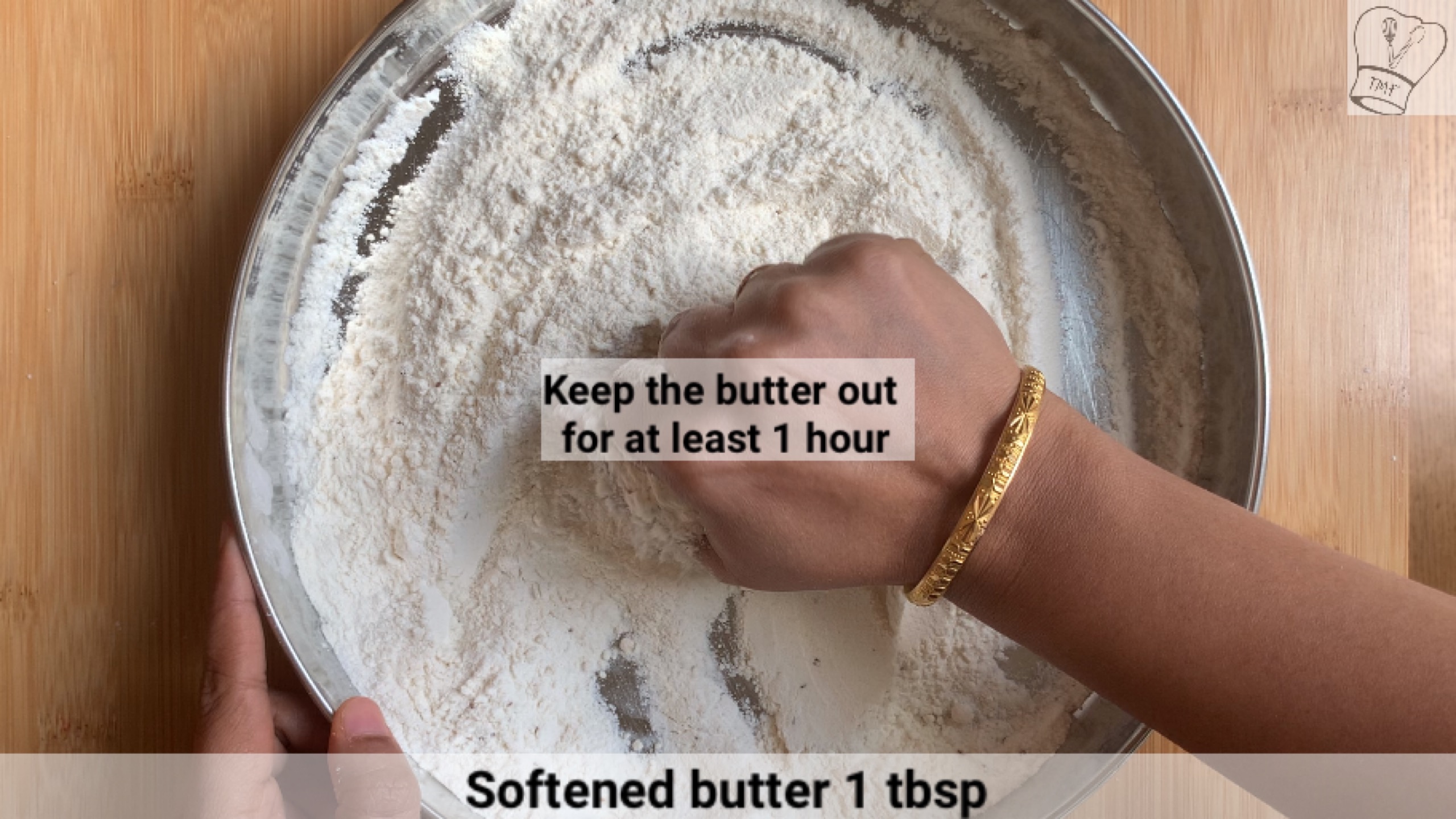
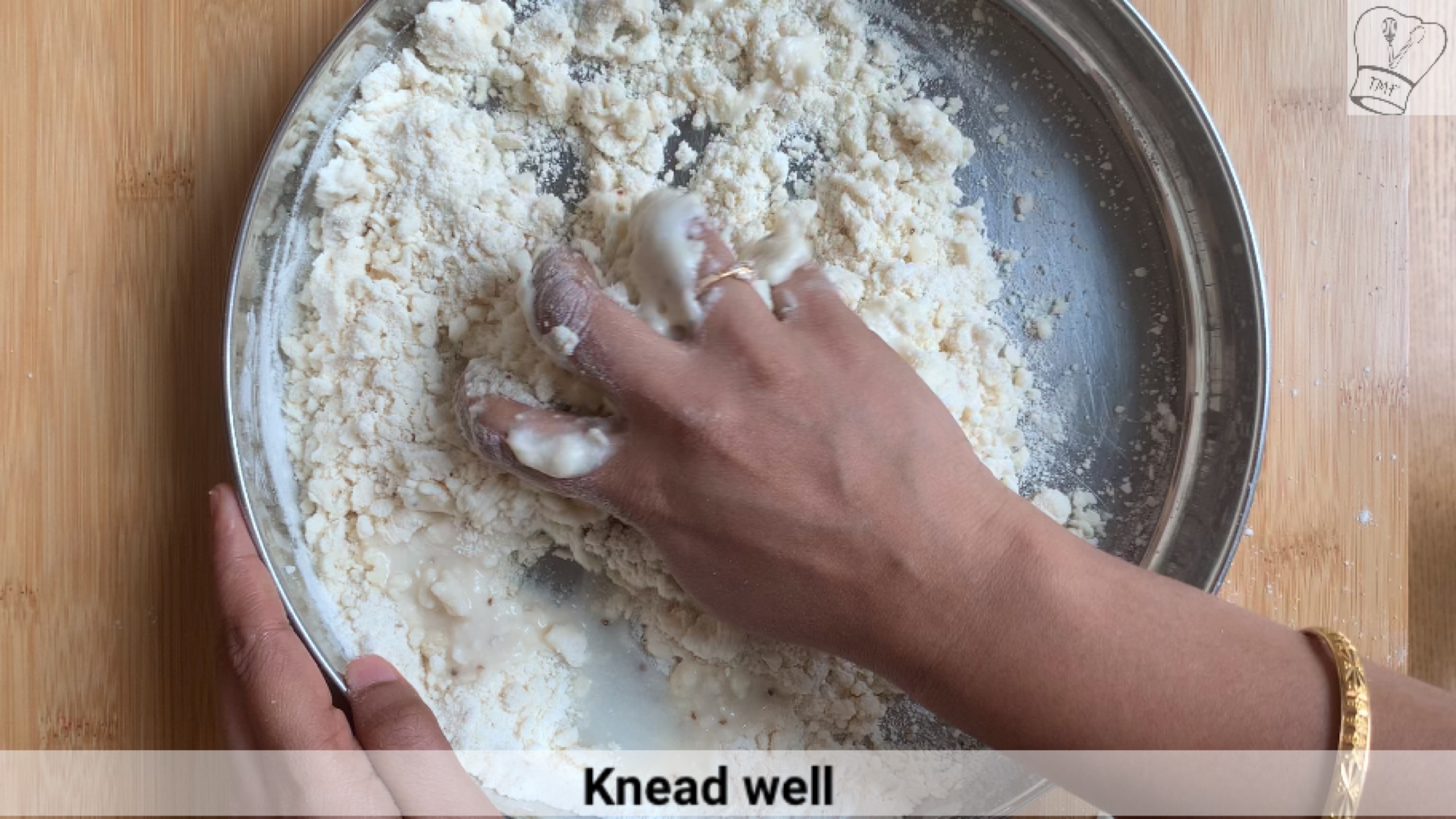
Add softened butter and mix well. rub and crumble the flour well between your hand
Furthermore, add hot oil from the Kadai and mix well
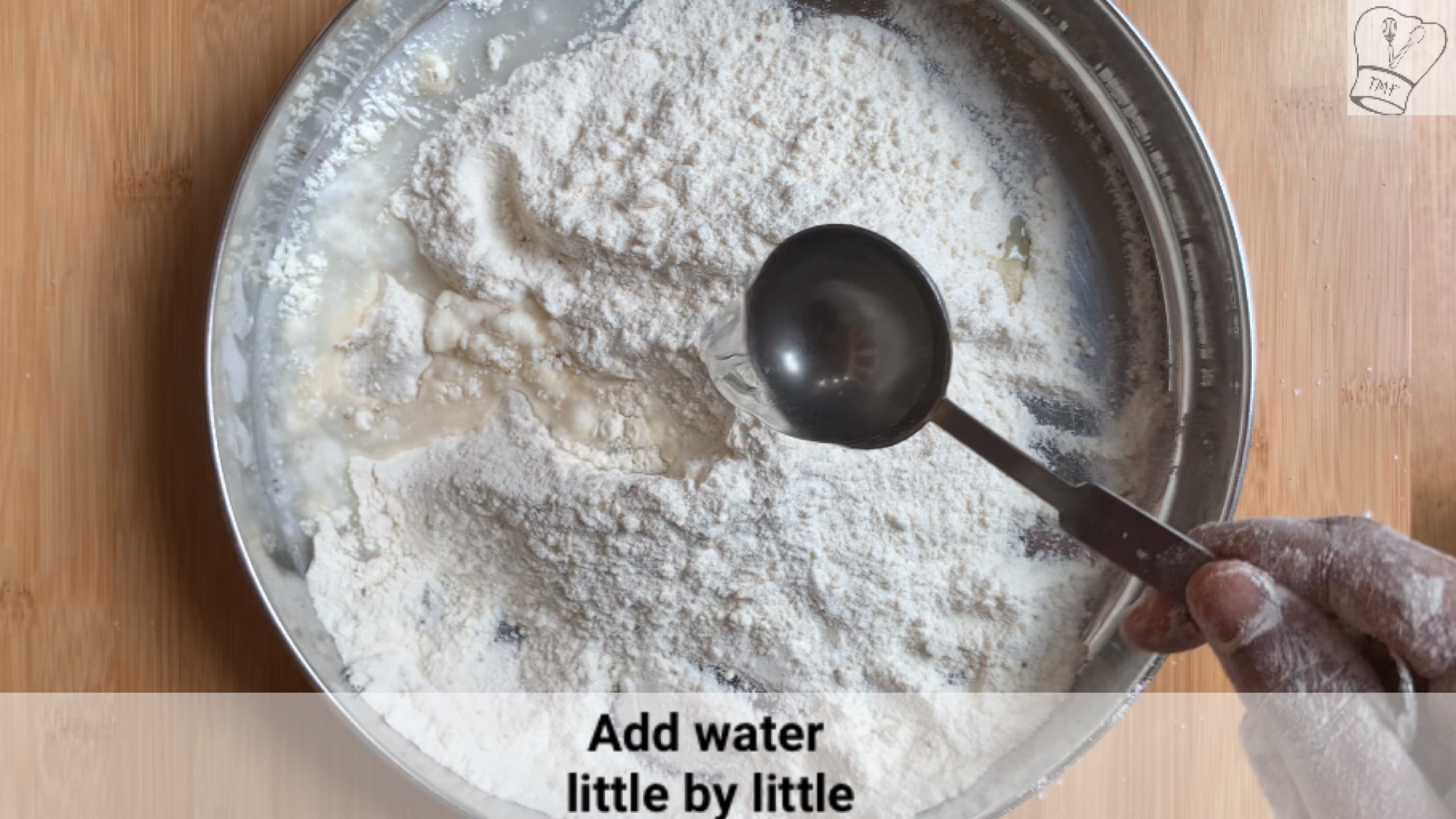
Gradually add water little by little until you form a pliable dough (smooth, non-sticky dough)
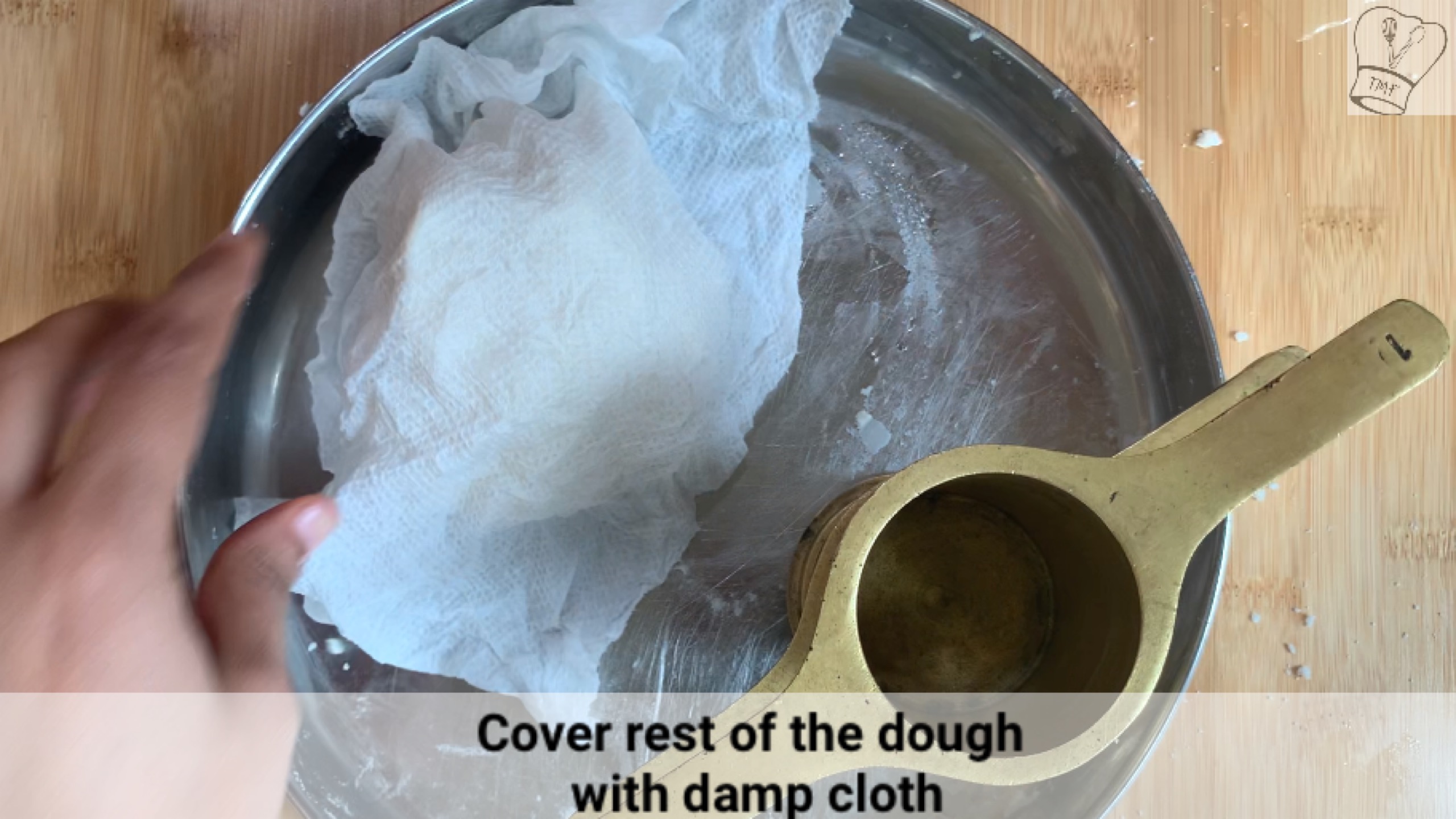
Cover the dough with a damp cloth or damp kitchen towel
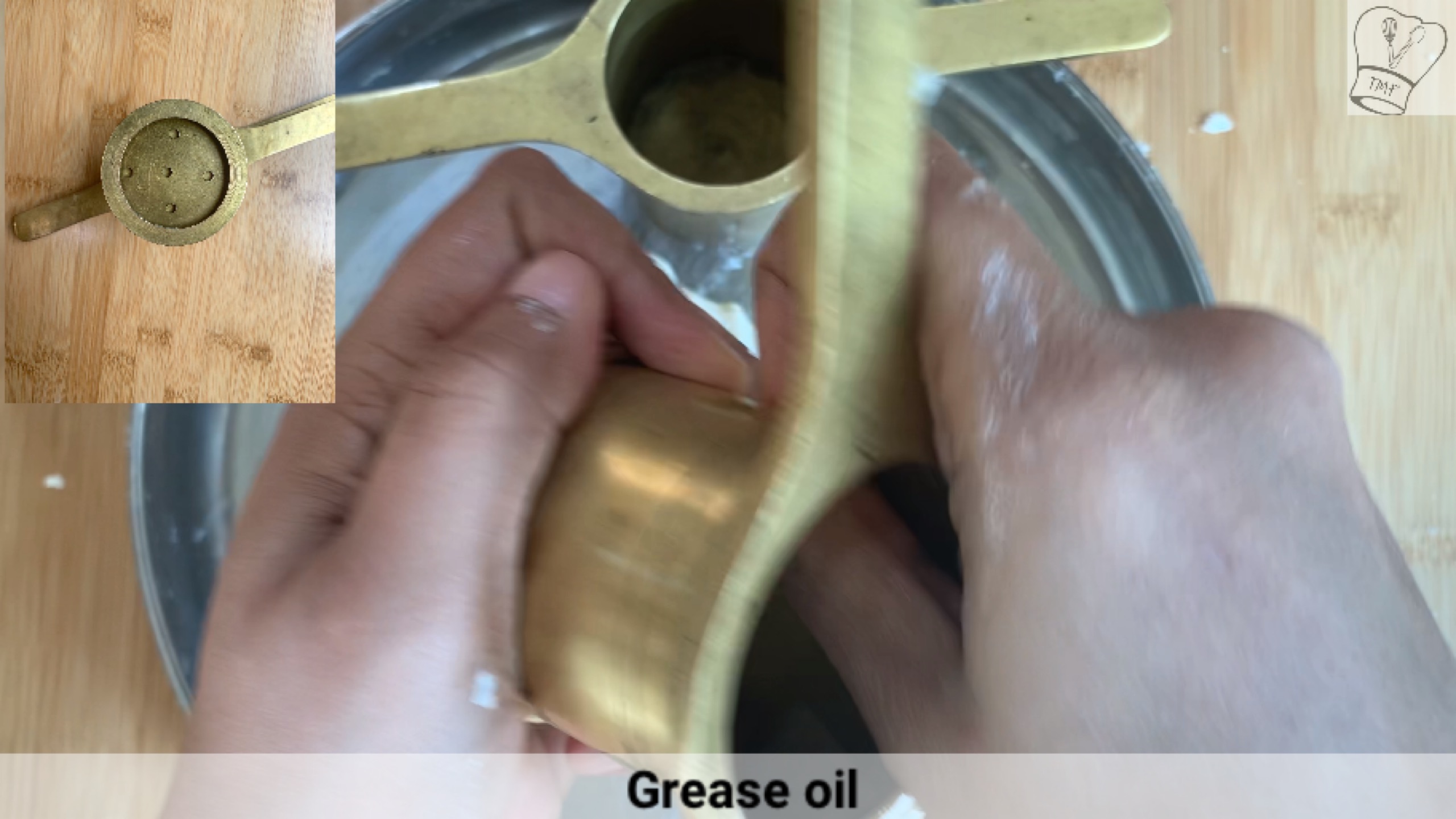
Furthermore, take 3 or 5 eyed thenkuzhal plate (I used 5) . you can also use star-shaped ones) and fix it to the murukku maker
Grease the murukku maker with some oil. This prevents the dough from sticking to the mold
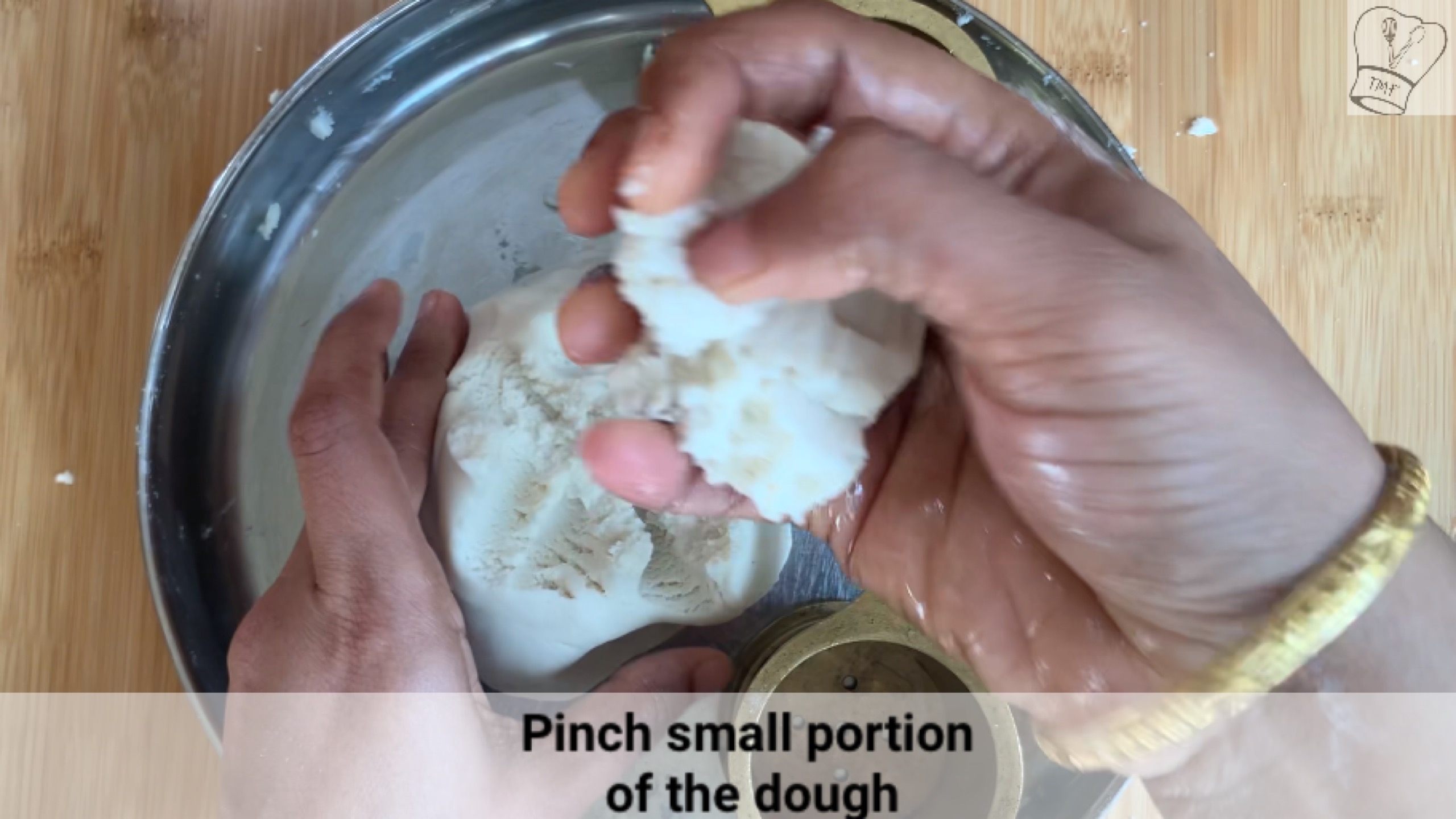
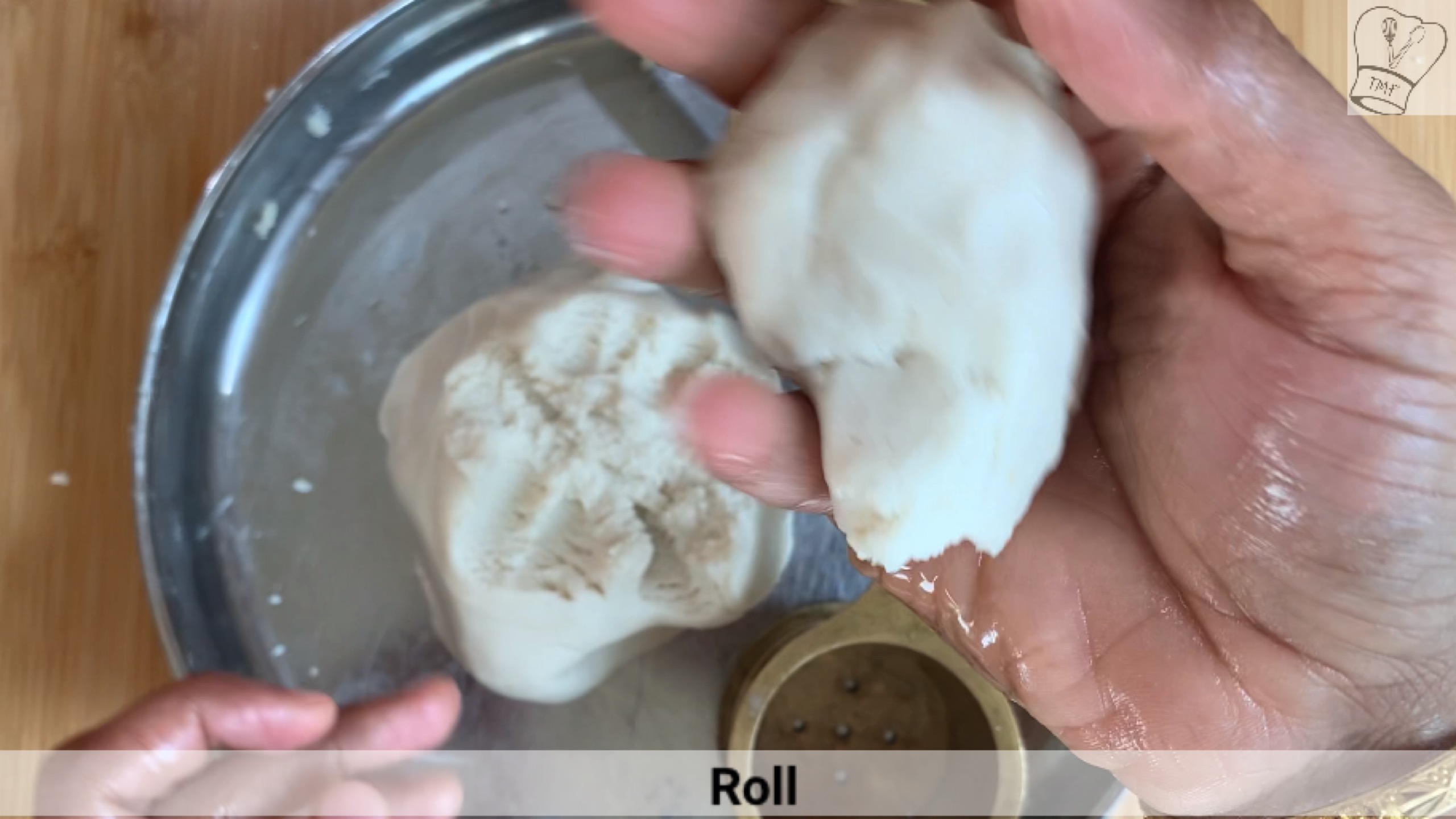
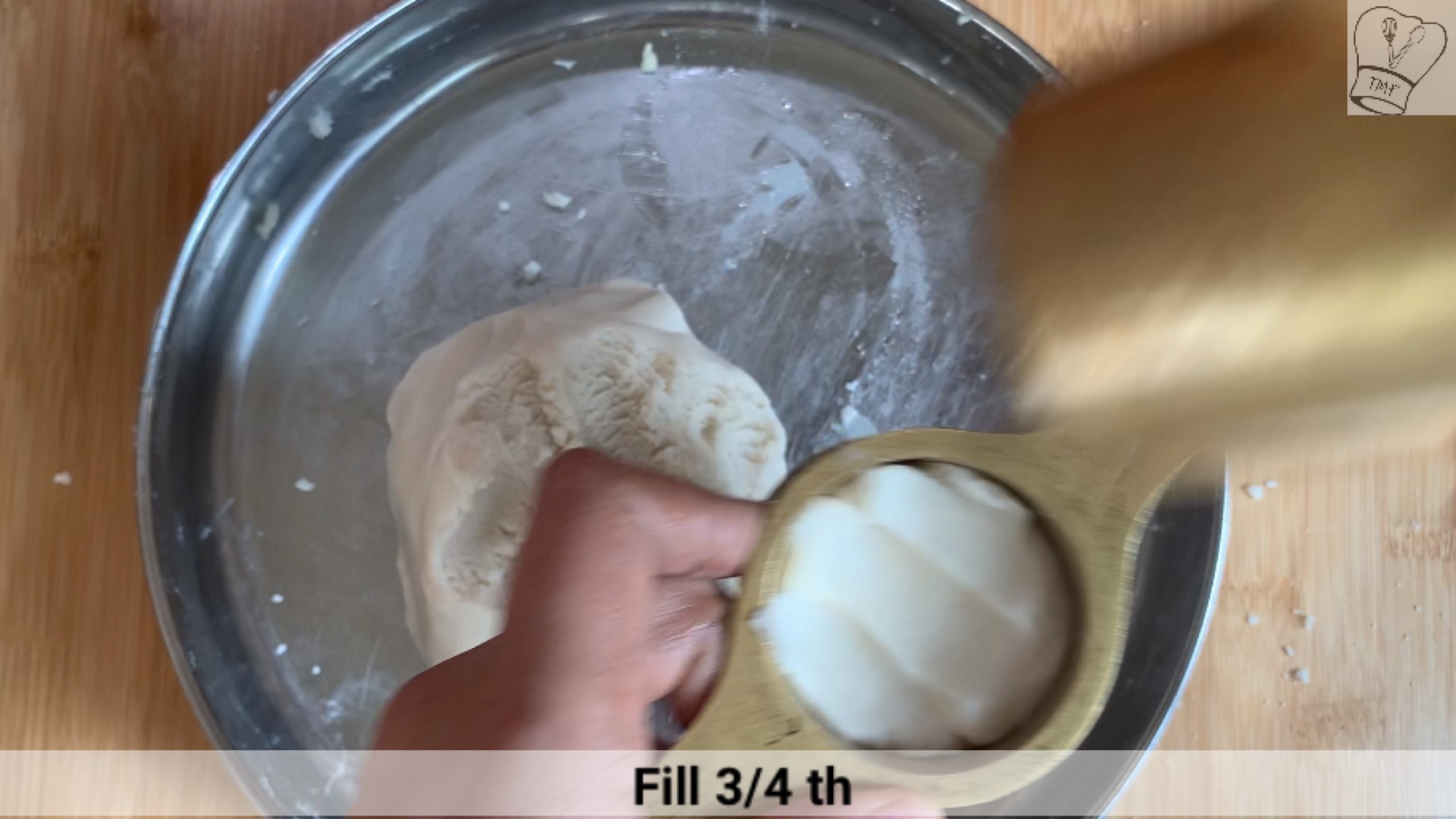
Pinch a portion of the dough and roll into a cylindrical shape out of dough and place the dough inside the maker
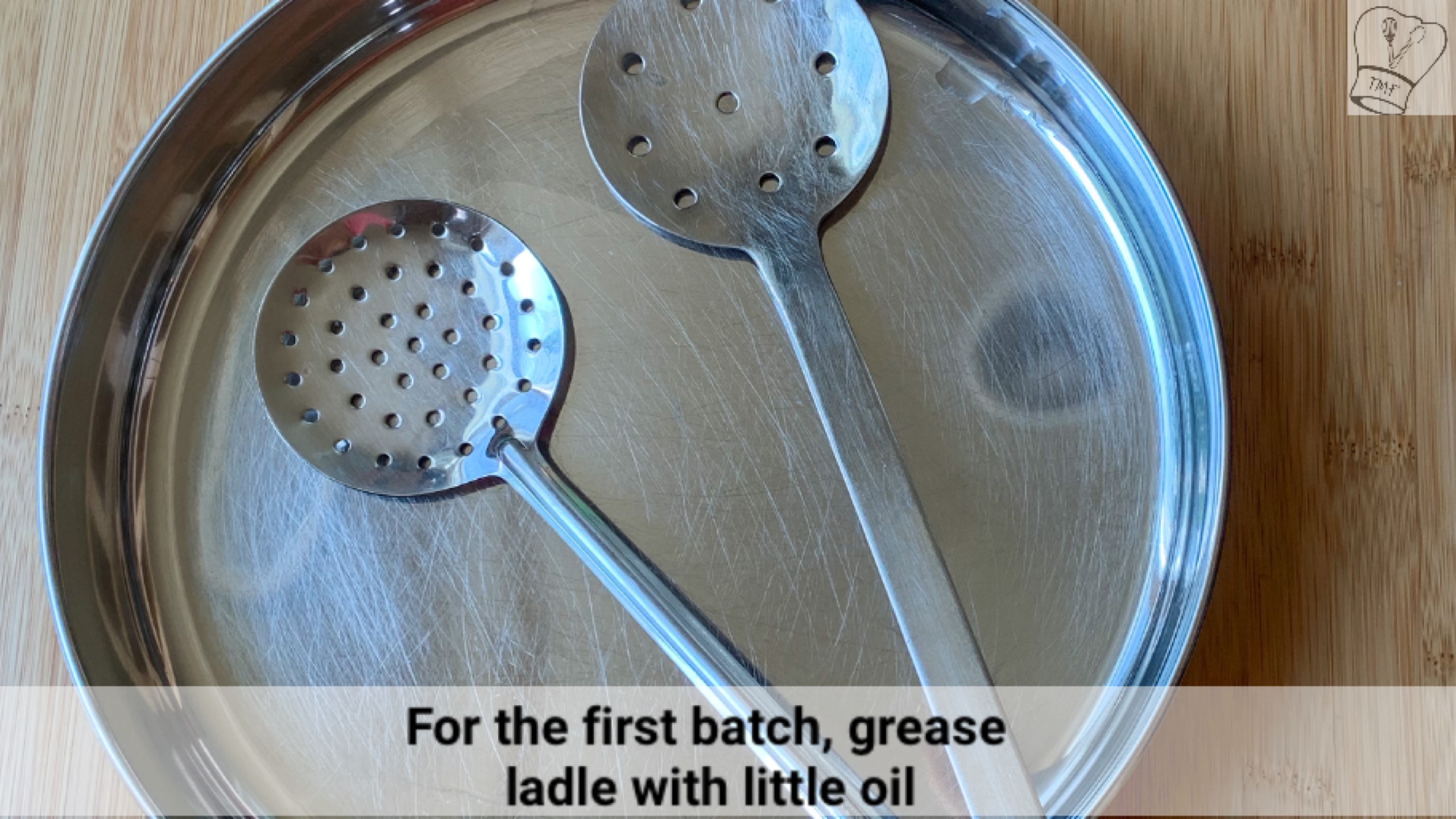
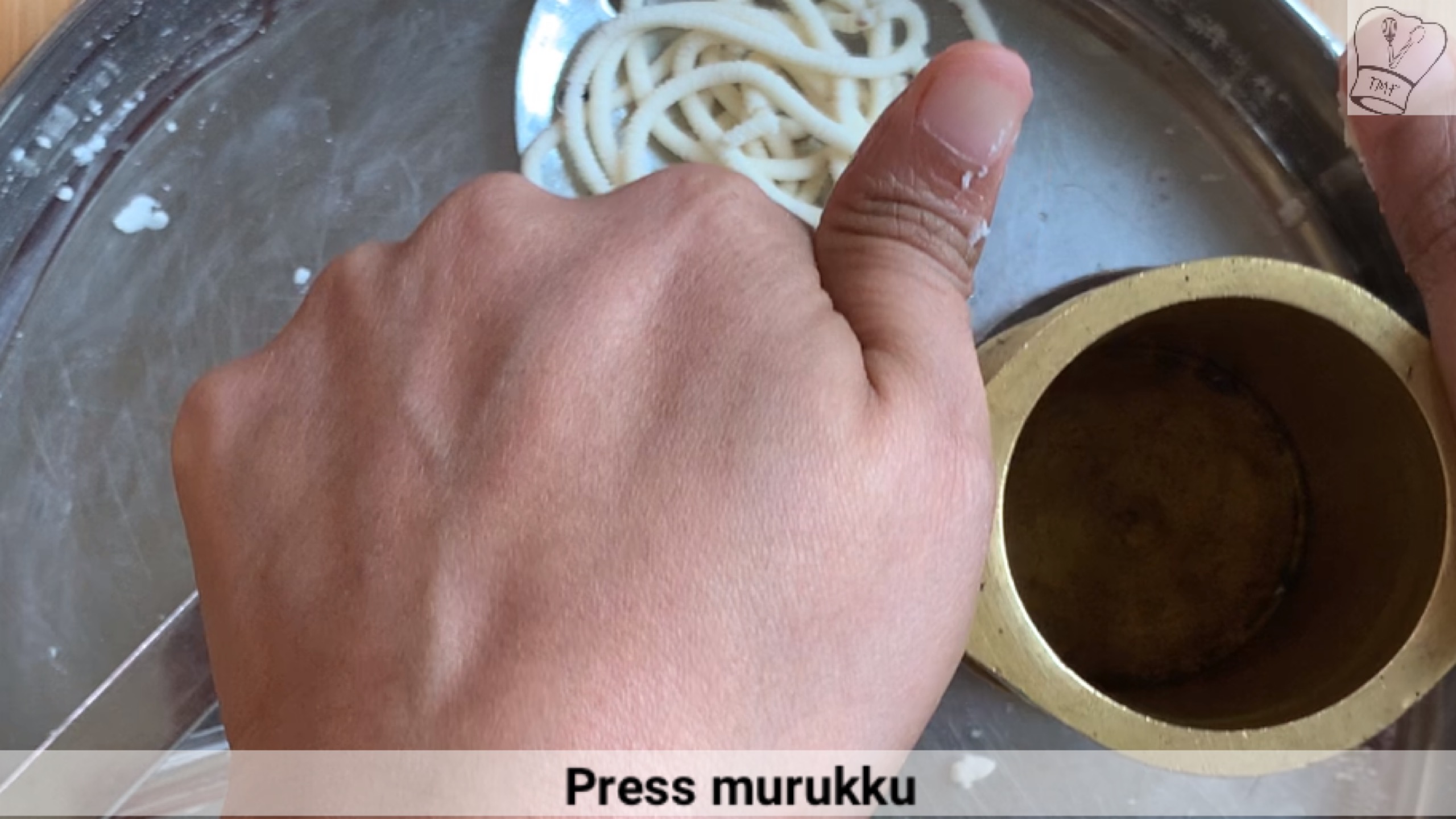
Furthermore, place the other part on top of it Press murukku on greased ladles and leave it for a minute
Make sure oil is hot enough by dropping a small piece of dough, it should come up in few seconds
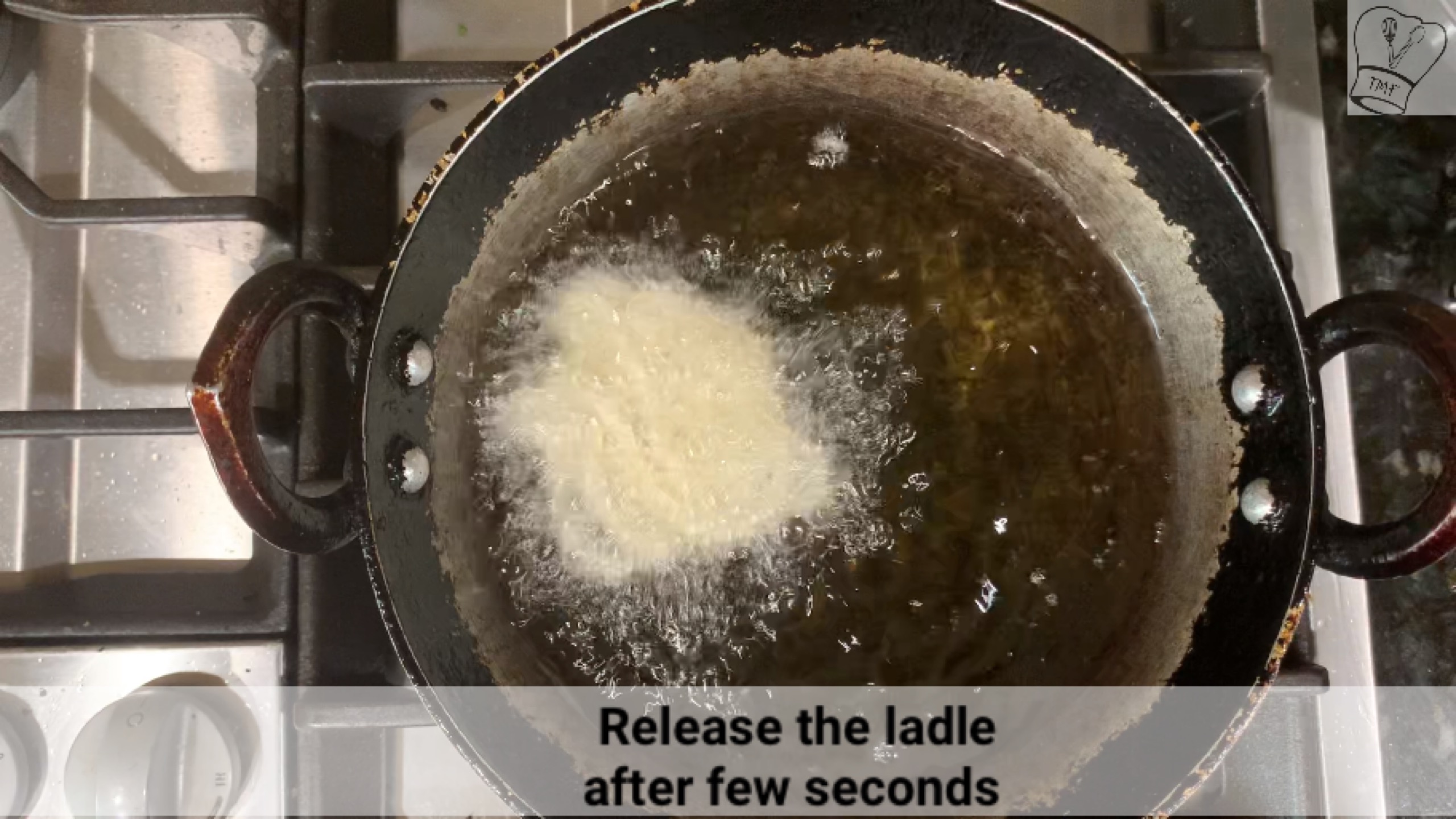
Carefully slide the ladle to the hot oil and remove the ladle after few seconds (around 15 seconds)
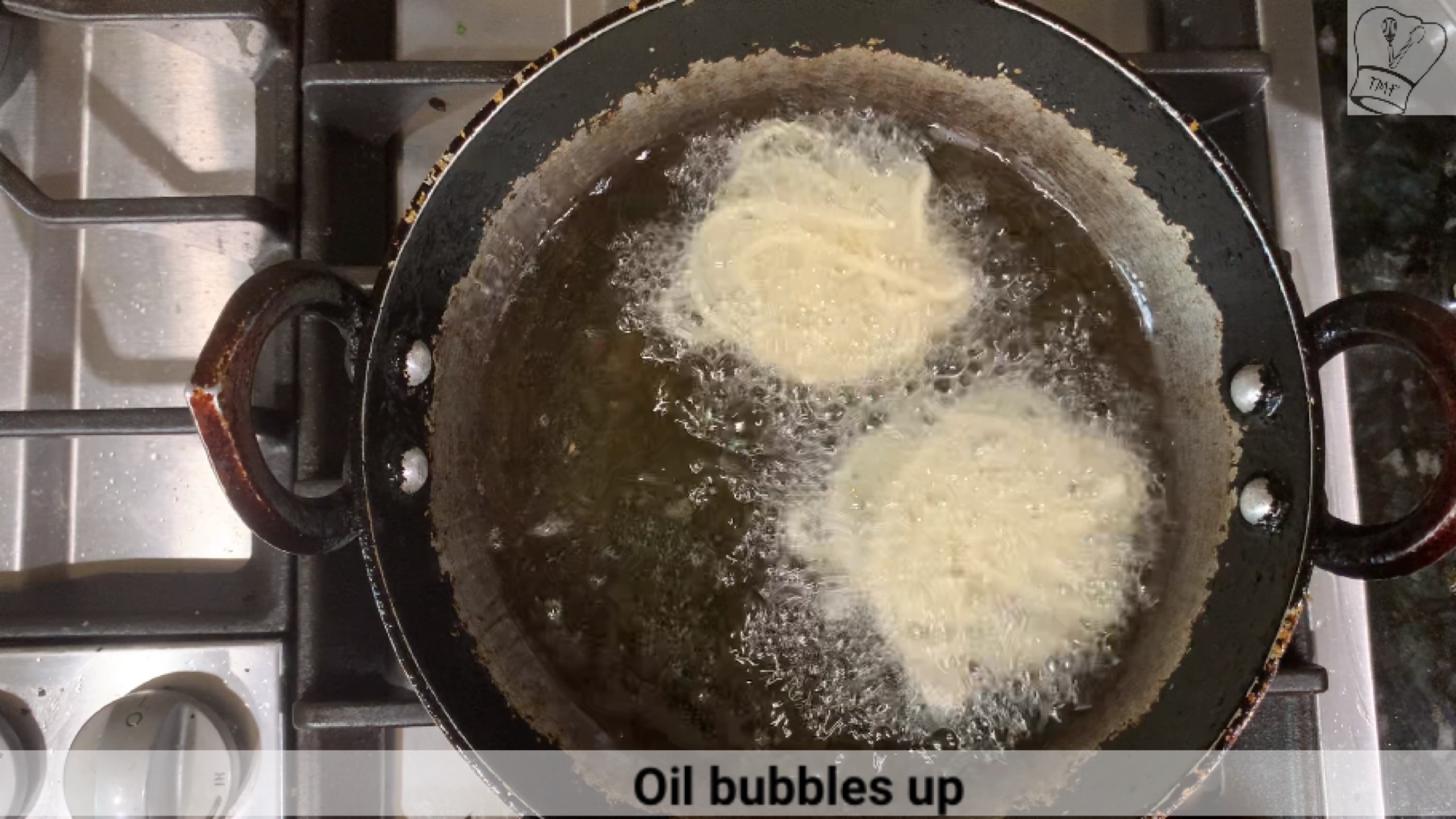
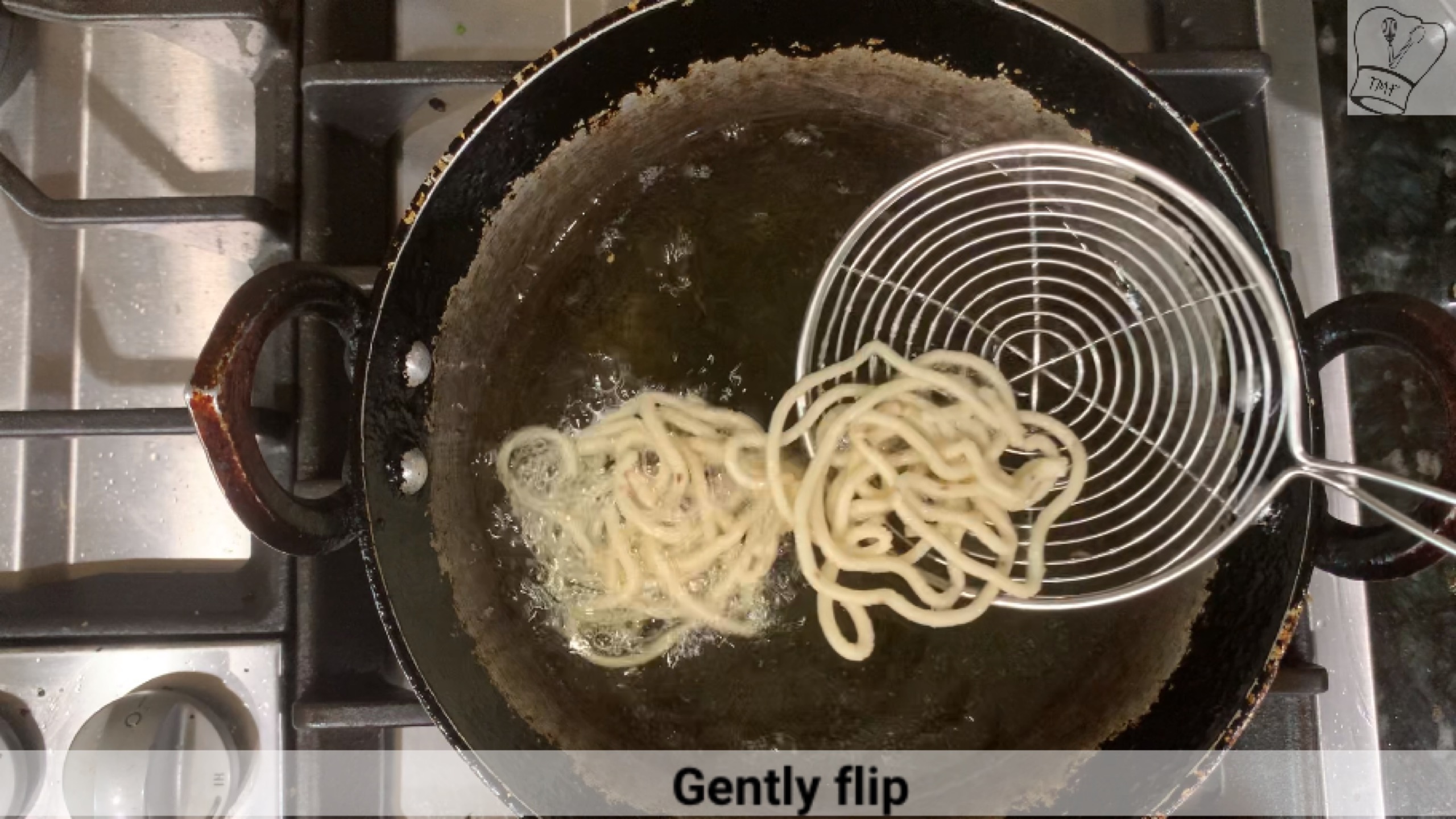
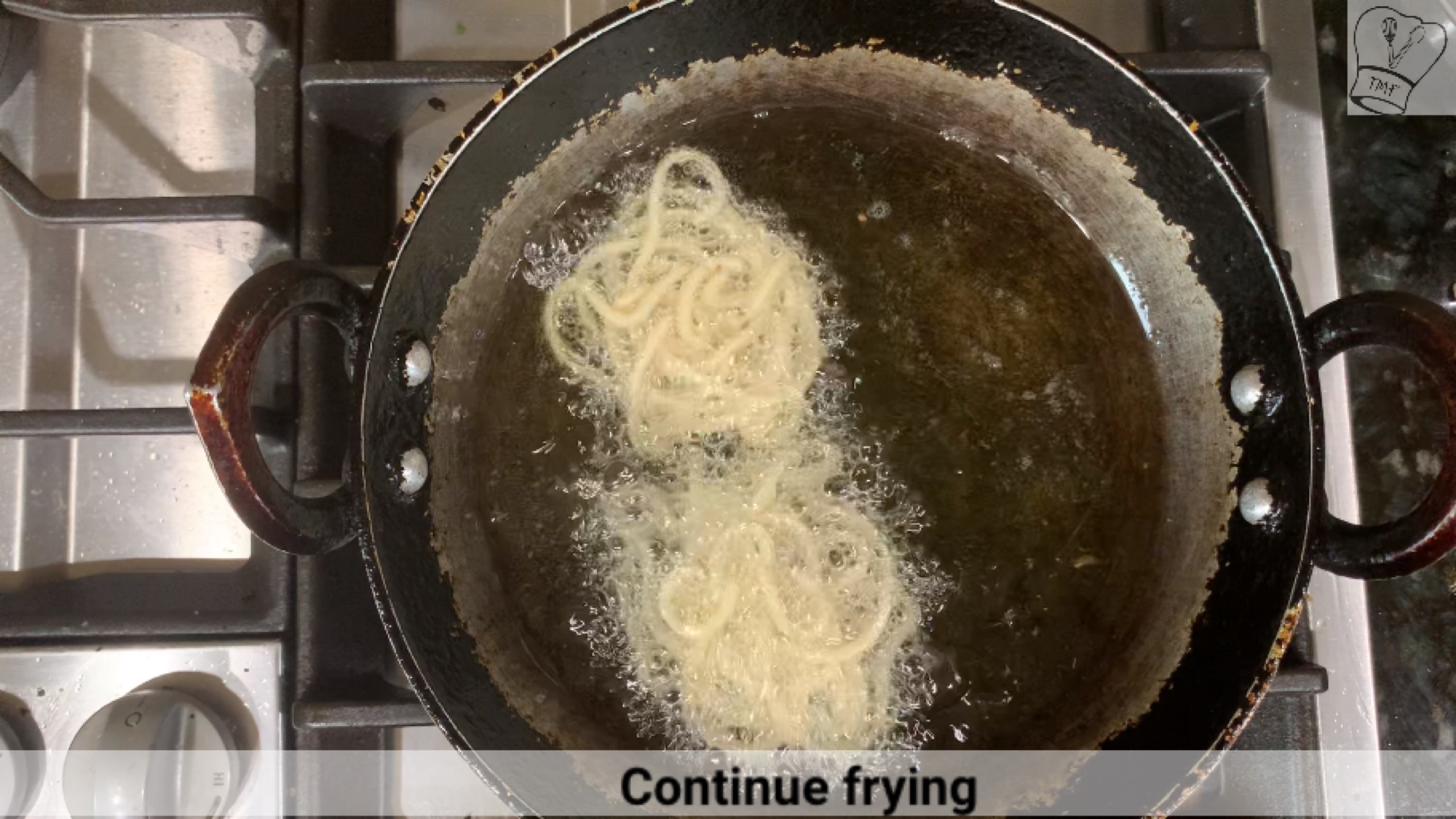
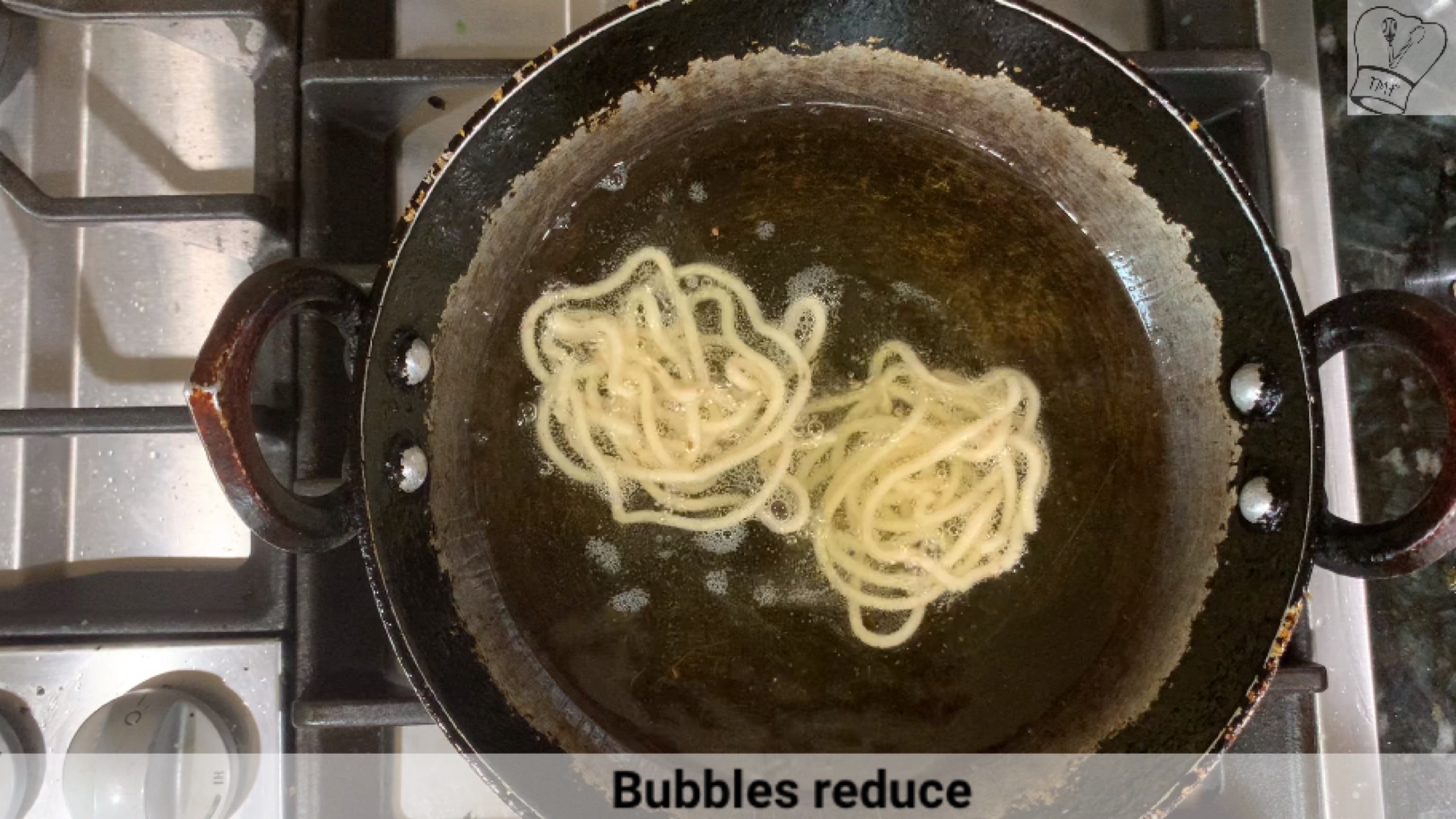
Avoid crowding the oil. Based on the pan width fry 2 or 3 murukku at a time After adding the murukku, avoid flipping them immediately with the slotted ladle as they tend to break. Let the froth vanish and at one stage oil stops bubbling, flip over the murukku and fry on the other side
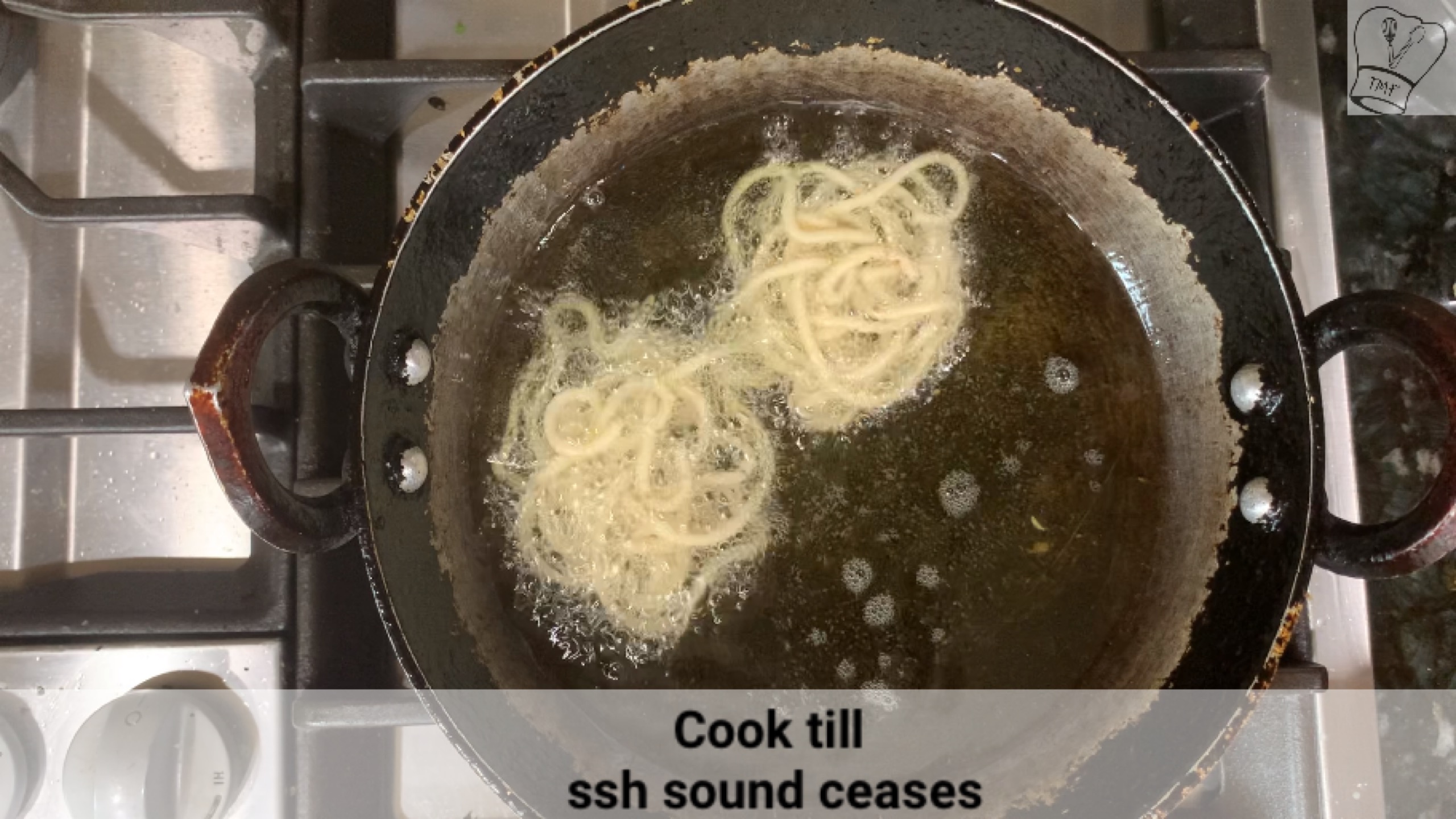
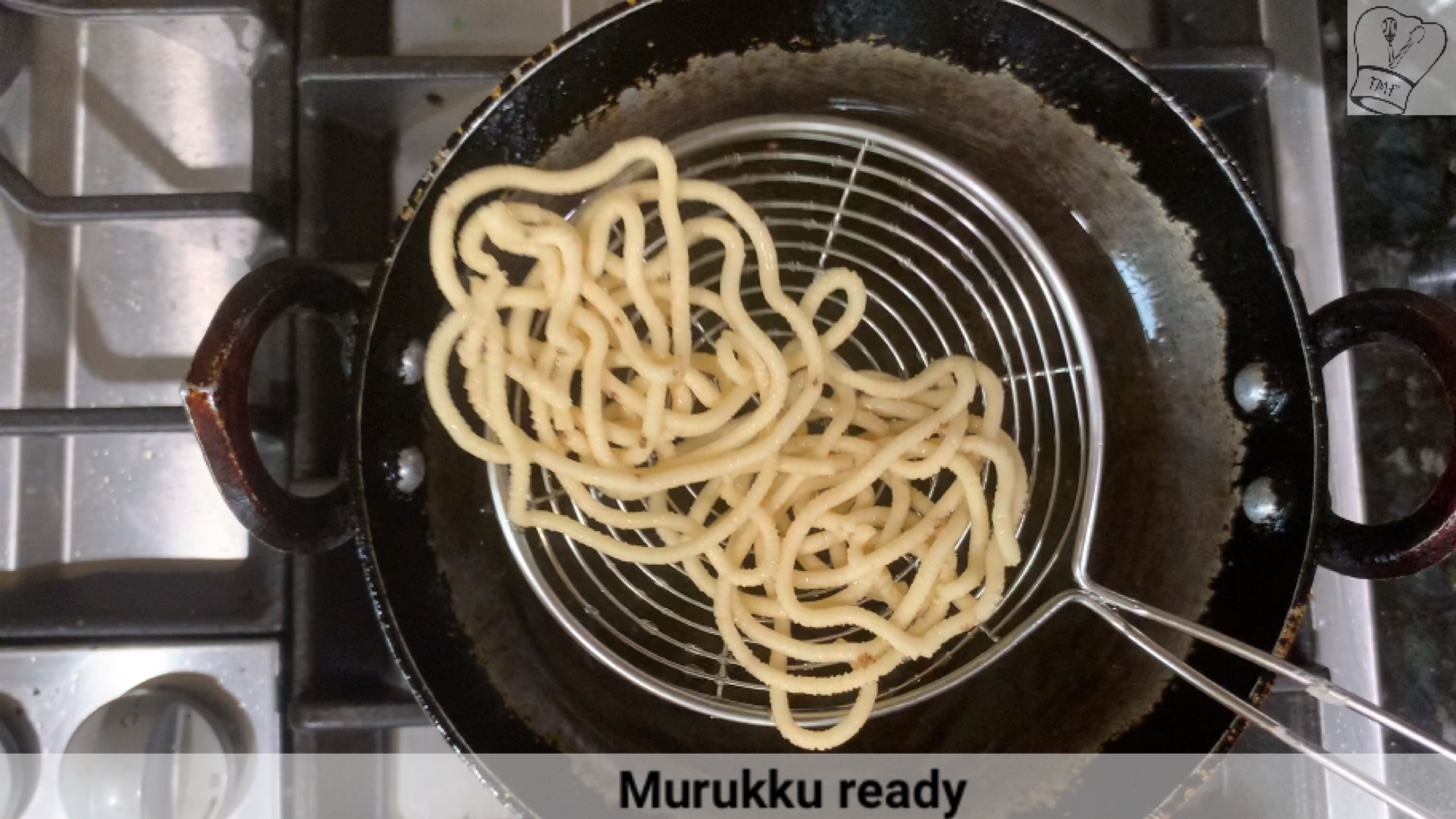
Once the sizzling sound stops, and bubbles reduce carefully remove using a slotted ladle and drain excess oil out. Place it on a colander covered with an absorbent tissue paper/ kitchen towel
For other batches of murukku, press and keep the other batch murukku on the ladle and keep it ready. After removing the fried murukku slide the batch. Repeat the same process for the entire dough