Wait, aren’t Pumpkins Squash?
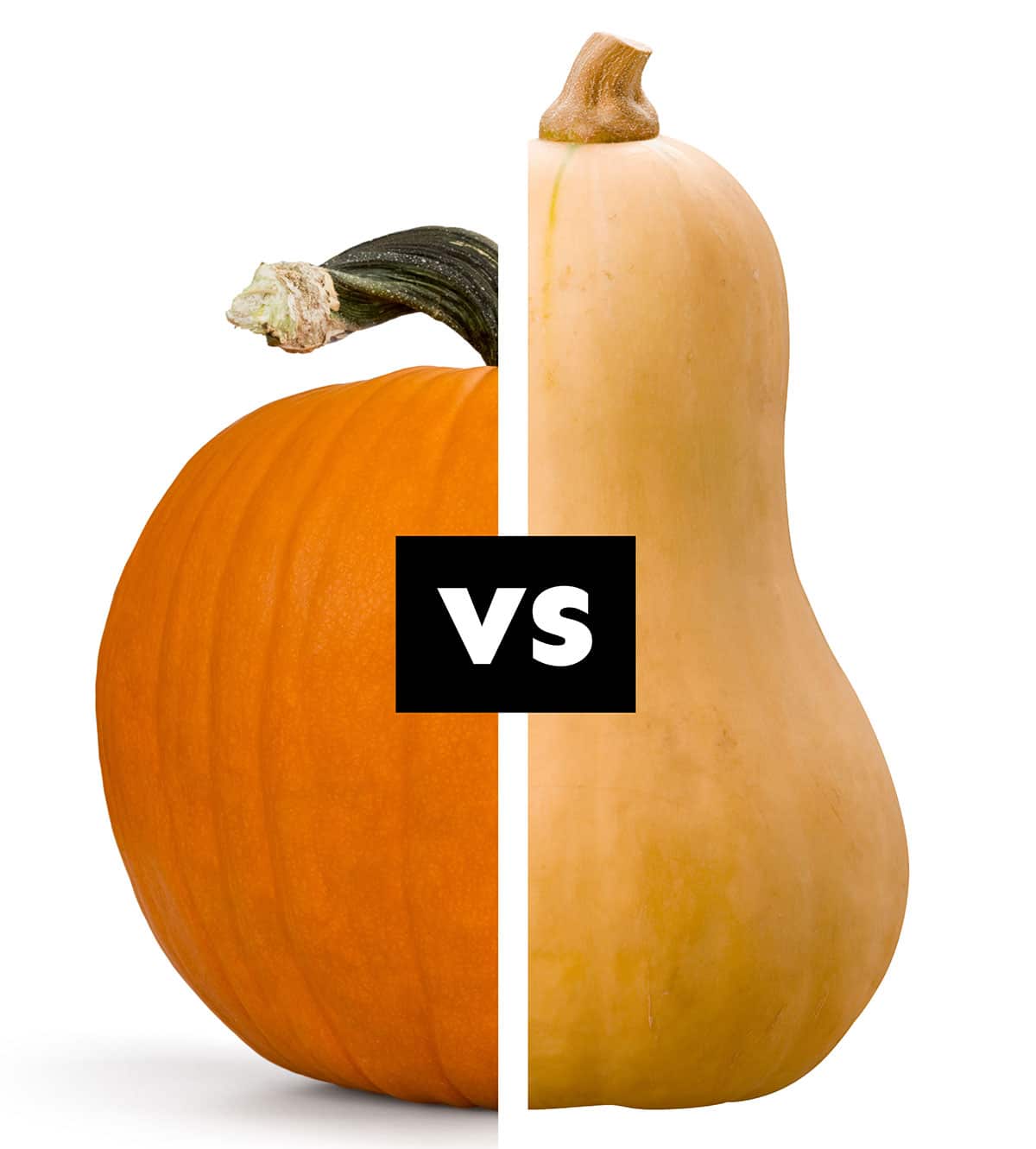
Pumpkins are squash, but not all squash are pumpkins. But let’s break it down further than that. Squash are fruits (not vegetables). They consist of a pulp surrounding seeds. Botanically, they are fruit. Additionally, pumpkins are in fact a type of squash. All squash fall into two broad categories. Pumpkin is a type of winter squash.
Origins and Varieties
Pumpkin
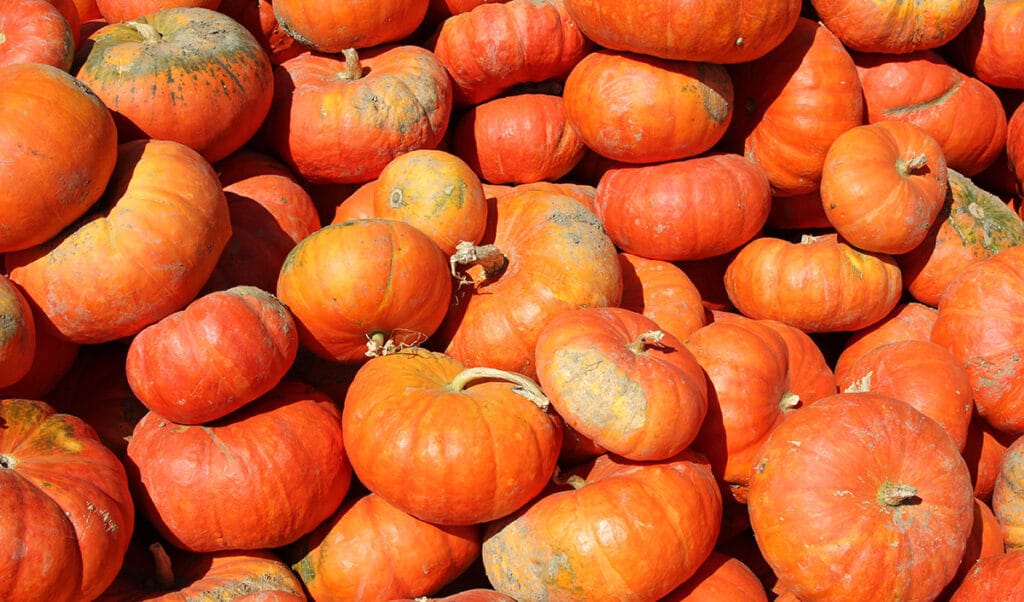
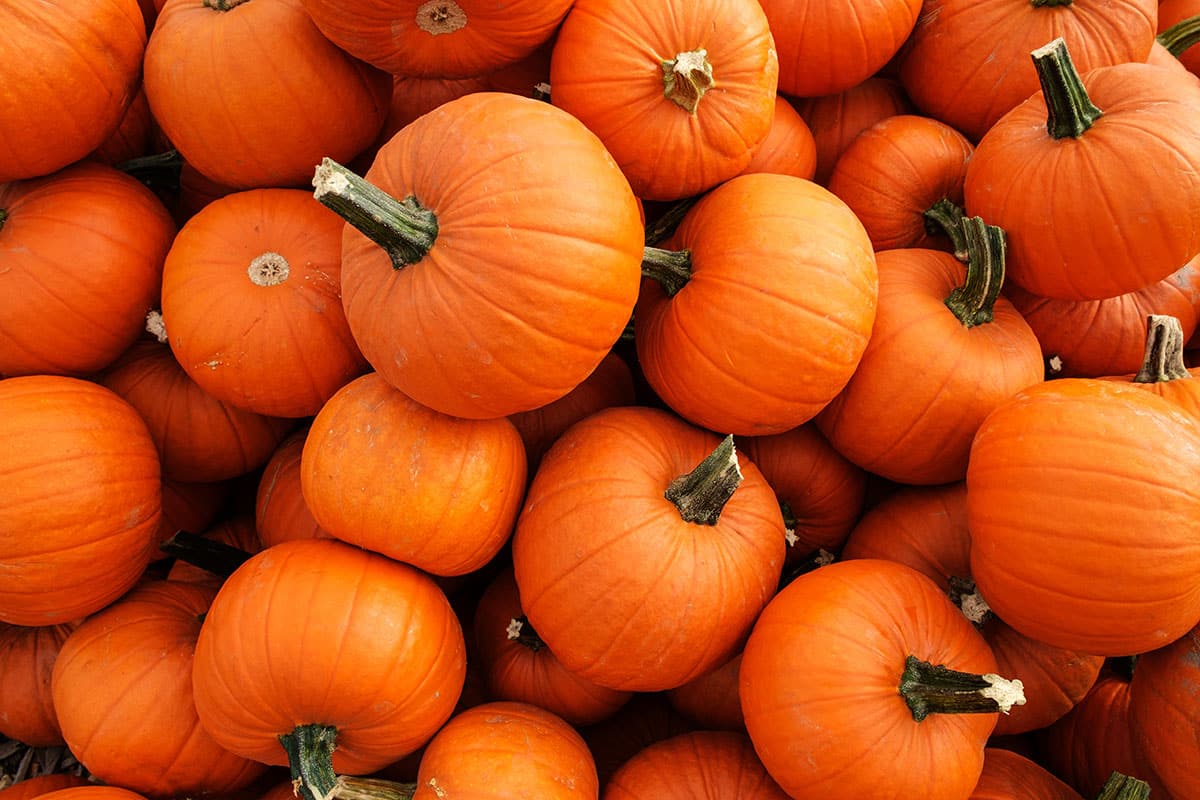
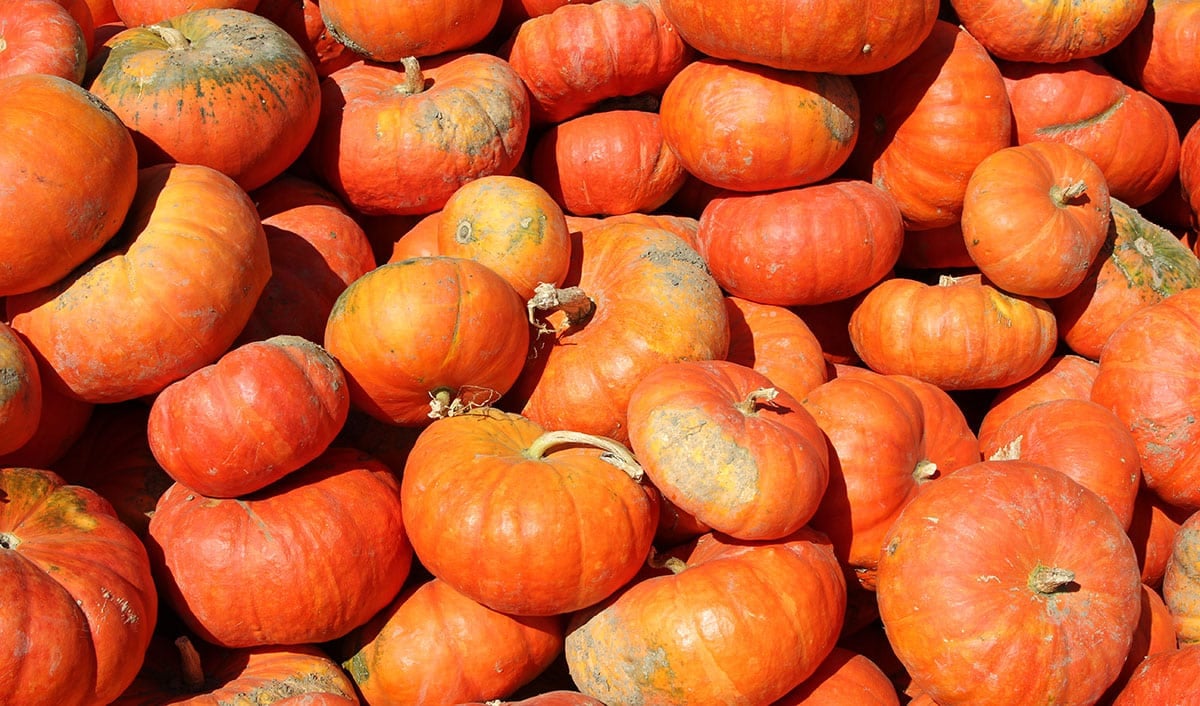
Pumpkins originated in Central America probably thousands of years ago. They expanded out from there when Europeans came to the Americas and carried them back to Europe along with other squash. The most recognizable type of pumpkin is the classic orange pumpkin, often used for carving Jack-o’-lanterns during Halloween. However, there are also sugar pumpkins (smaller, sweeter, and ideal for cooking), white pumpkins, blue pumpkins, and even heirloom varieties like the Cinderella pumpkin. Pumpkins can be very small like the baby boo or very large like the Atlantic giant often seen at the Alaska state fair at over 1,000 lbs. Our favorite is the turban pumpkin. Go to the type of pumpkin link to see this truly unique oddball.
Squash
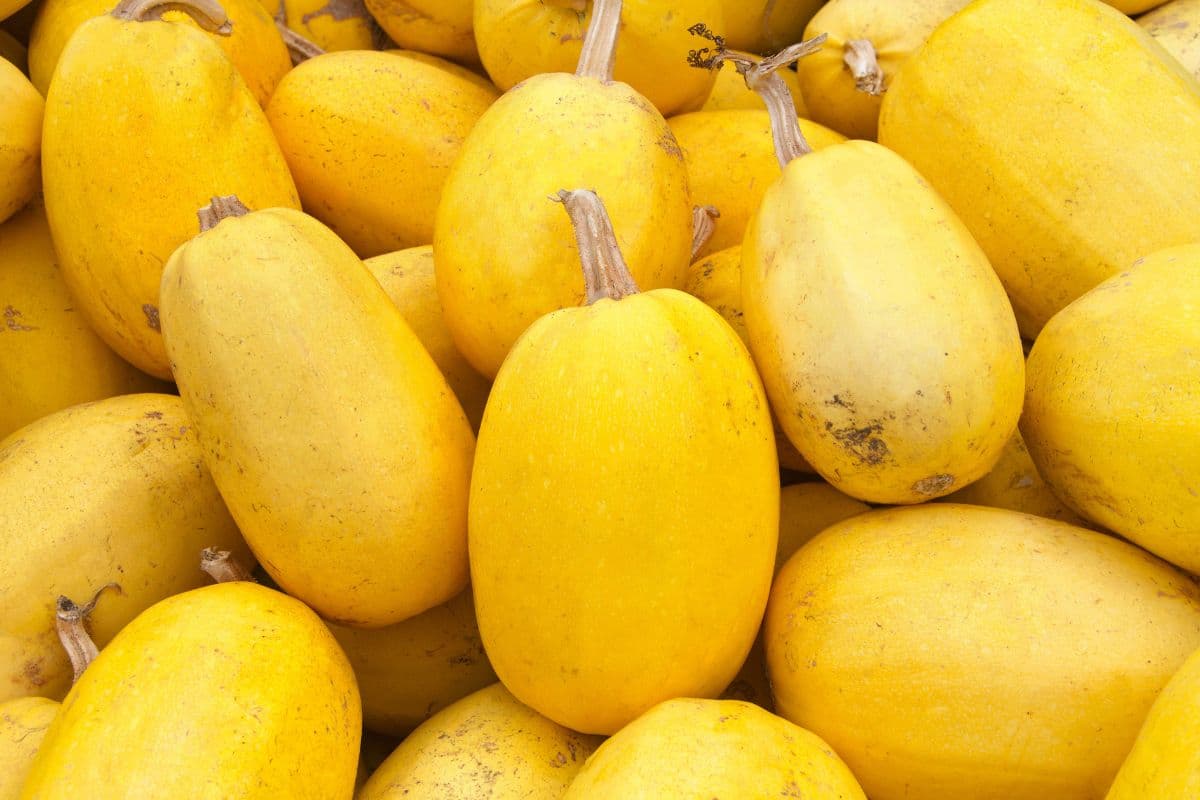
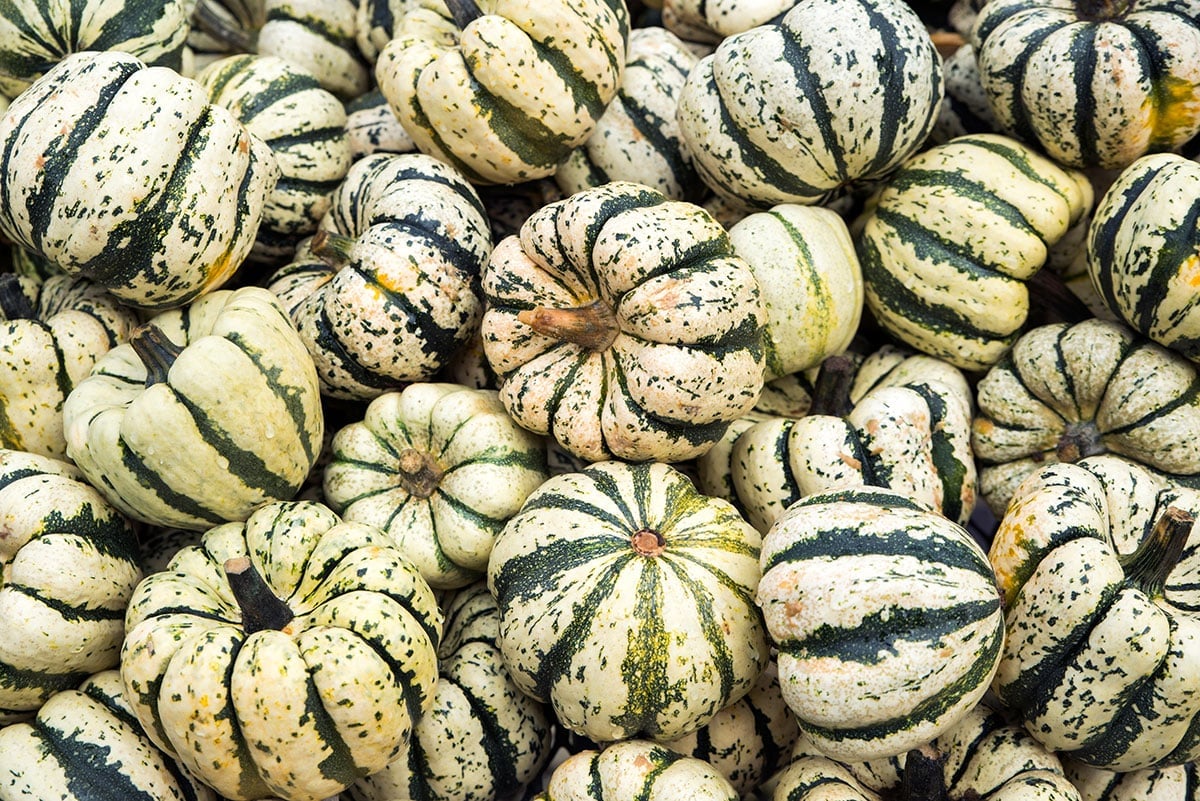
Squash are also from Central and South America. The term “squash” covers a lot of different varieties that are divided into two main categories: summer squash and winter squash. There are hundreds of types of squash today. Some are ancient heirloom varieties eaten by the indigenous people of North and South America, and some are more recently developed hybrids of other squash.
Taste and Texture
Pumpkin
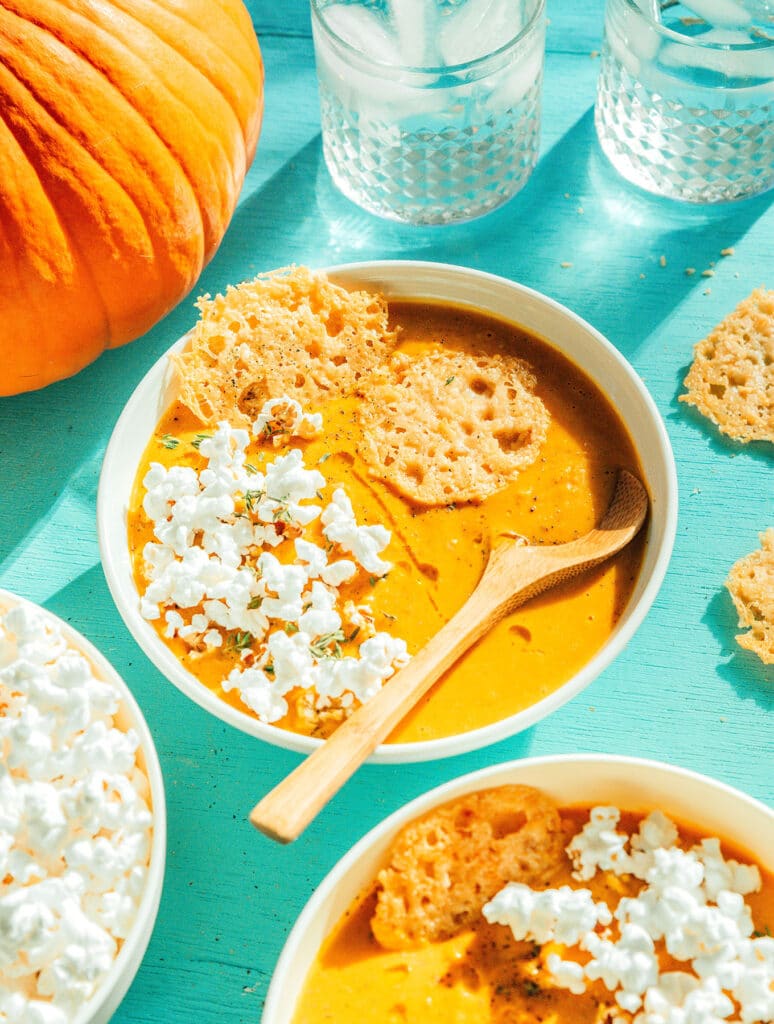
Pumpkins have a sweet flavor that varies from type to type. Heck, the sweetness varies within pumpkins of the same variety based on size and growing conditions. The flavor becomes a bit more savory when you roast them, but cut up some pumpkin and just microwave it with a bit of water and it can be very sweet. Some varieties are sweeter than others, and if you are cooking with pumpkin vs buying canned pumpkin try the small sugar pumpkins sometimes called pie pumpkins. When you cook pumpkin it becomes soft and easily mashed or blended into soups or pumpkin puree, smoothies, or even lattes.
Squash
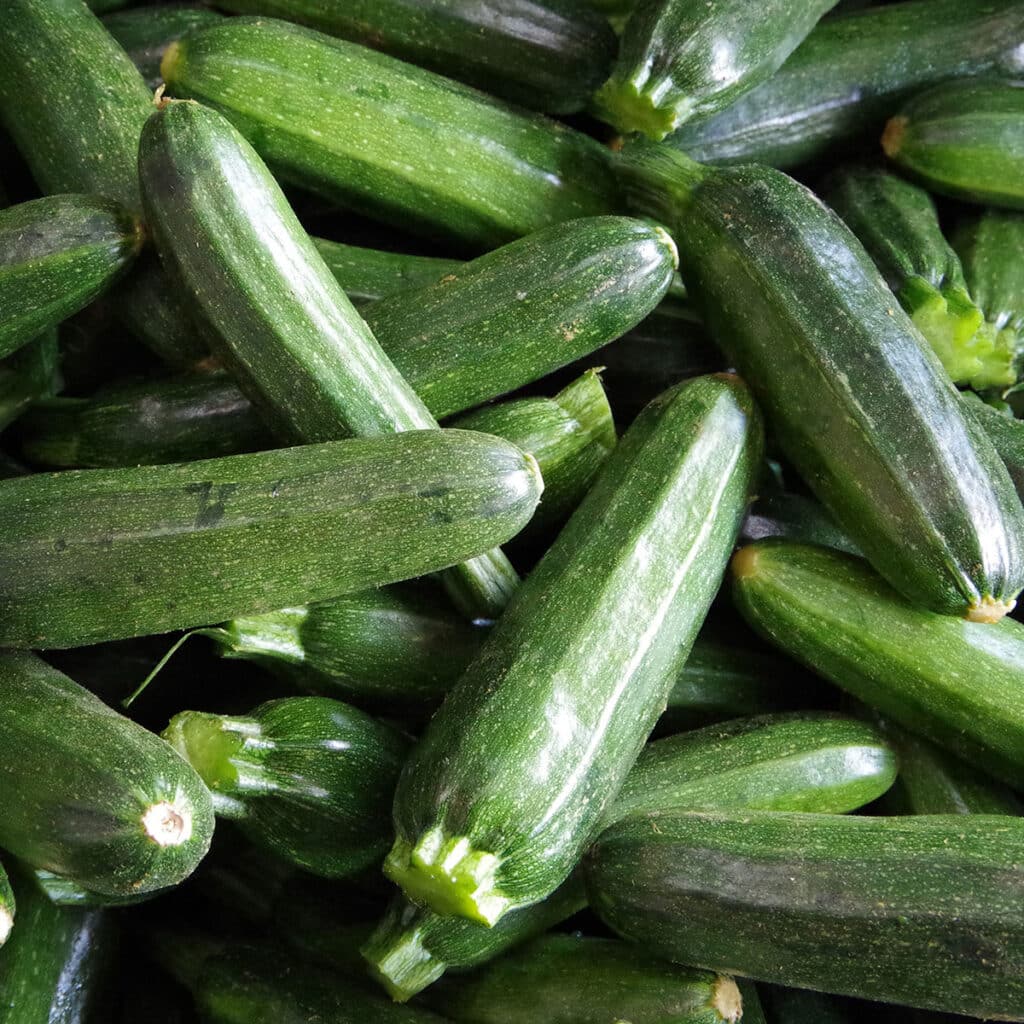
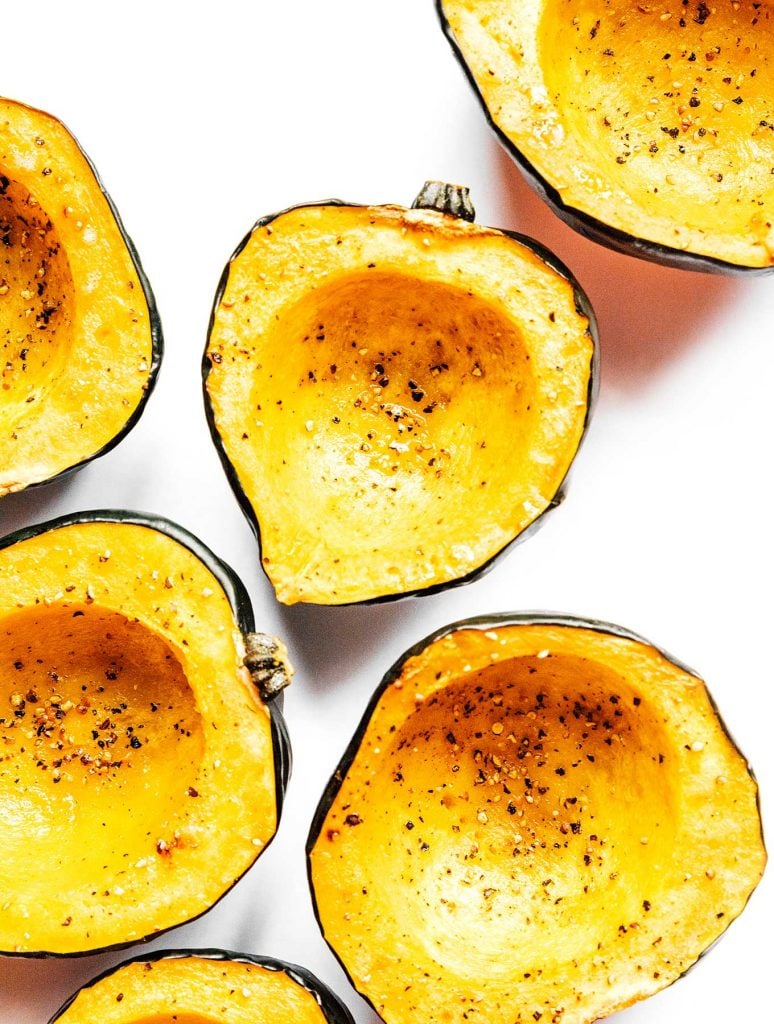
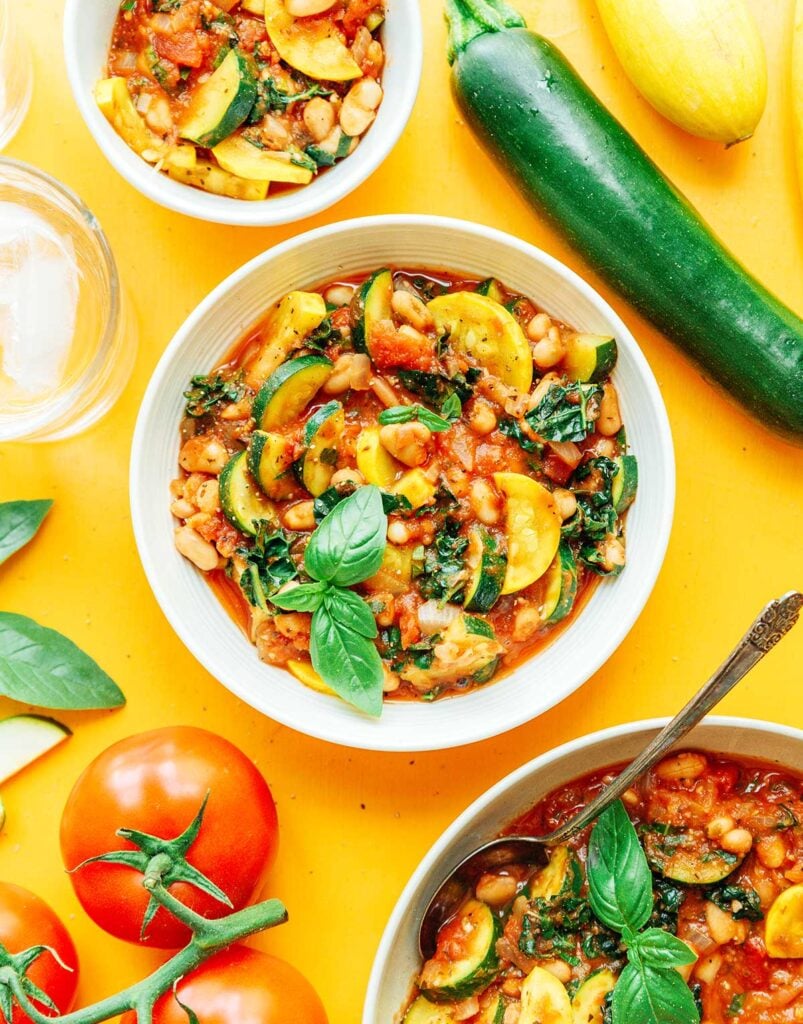
The taste of squash varies widely depending on the variety. Winter squash like butternut and acorn have a nutty flavor that becomes more savory when roasted. It is hard, however, to really characterize the taste of winter squash as there are so many varieties of squash. They have the same dense pulp like pumpkins largely because pumpkins are a winter squash. Summer squash, like zucchini, have a milder, more neutral flavor that often takes on the flavor of the other ingredients you cook with. This is a real advantage of zucchini and yellow squash (two of the most common summer squash). Their flesh is generally a good bit softer than that of winter squash to the point that you can cut up zucchini or yellow squash and eat them raw. You don’t want to try that with pumpkin.
Other Differences Between Squash and Pumpkins
Versatility: Both pumpkins and squashes are incredibly versatile in the kitchen. Pumpkins excel in dishes like pies, muffins, and lattes, while winter squash shine in soups, stews, and roasted vegetable medleys. Summer squash are generally best enjoyed grilled, sautéed, or baked. Size and Appearance: Pumpkins can grow to be one of the largest varieties of squash. They can be enormous, with the world record exceeding 2,500 pounds.They are generally round, while other forms of squash can take on all sorts of shapes. Pumpkins are mostly orange, though there are also white and blue pumpkins. Squash come in a wider array of colors, including yellow, green, purple, and multi-colored, and they don’t generally grow to the size of large pumpkins. Storage: Pumpkins and other winter squash store very well. You can keep a Halloween pumpkin (uncut) on your porch and still be able to cook with it before Thanksgiving. You may even be able to cook with it into December if you bought it in late October. Most summer squash will only last 10-14 days.
Uses
Pumpkin
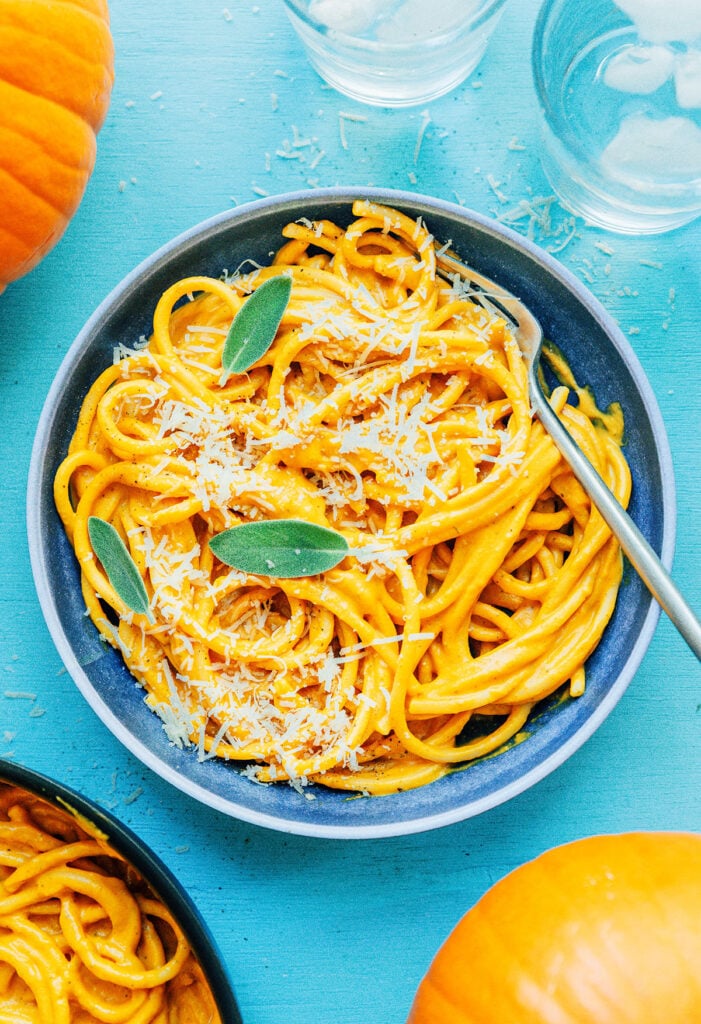
The American relationship with pumpkins is an odd one. We don’t usually buy them to eat, but pumpkins are still one of the most popular crops grown in America (largely because of our desire to carve faces into them). Some traditions are just so odd when you think about them. When we buy pumpkin we tend to get it in a can of either “pure” pumpkin or pumpkin pie mix. There is, however, a more inviting and less expensive way to make great pumpkin recipes. Start by making your own pumpkin puree. It is really quite simple and the puree forms the base for many fall recipes. Pumpkin pie for Thanksgiving is, of course, the go to dessert, but try these healthy pumpkin yogurt bites, or a morning pumpkin smoothie. Pumpkin, however, isn’t just for sweet treats. Not even close! Try pumpkin curry or pumpkin pasta. Pumpkin noodles have about 20% of the calories found in regular pasta, and are loaded with vitamins and minerals you won’t find in regular pasta.
Squash
There is so much you can do with squash. We mentioned pumpkin pasta above. You can do the same thing with butternut squash pasta. Better yet, spaghetti squash comes right out of its skin with a spaghetti-like texture. Try our spaghetti squash burrito bowls for a decadent but low-calorie nutritional dinner. Looking to America’s favorite summer squash, the humble zucchini, you can make a super healthy faux pasta known as zoodles that has even fewer calories than pumpkin pasta. Or try this zucchini crisp dessert with a dollop of vanilla ice cream.
Pumpkin Vs. Squash Nutrition
Any squash is a healthy dietary option, and those with a bright orange flesh tend to be very high in vitamin A. Our chart shows a few key metrics for pumpkin and three other squash (per a 100 gram (3.5 ounce) serving). We know this isn’t the typical serving size, but use it so you can compare each squash and to see how just a small portion of these great foods can give you a great nutritional boost. We have been creating new recipes with both pumpkin and squash for years! Here are a few of the most common questions we have gotten over time. Is pumpkin a fruit?Yes pumpkin, by a botanical definition, is a fruit because it’s a product of the seed-bearing structure of flowering plants. Basically it has a pulp surrounding seeds. Are pumpkins vegetables?No. Vegetables are the edible portion of plants such as leaves, stems, roots, bulbs, flowers, and tubers. Pumpkins and squash are all fruits not vegetables. Is squash pumpkin or is pumpkin squash?Pumpkins are a type of winter squash, so all pumpkins are squash. When people say “pumpkin squash” that is somewhat redundant. Canned pumpkin vs pumpkin puree, which is better?We definitely prefer homemade pumpkin puree. It is really pretty simple to make and is truly 100% pumpkin. Canned pumpkin often contains other types of squash. Homemade is also less expensive, especially if you use the fall pumpkins you were going to throw away anyway. Pumpkin puree vs pumpkin pie filling – what is the difference?The canned pie filling contains sugar and the other ingredients you need to make a pie. We prefer to use homemade puree and follow any one of hundreds of pumpkin pie recipes. This allows us to control the amount of sugar, pumpkin spice, cinnamon, salt, eggs, etc. We get a pie made to taste, and generally a bit healthier. Is pumpkin a gourd? Yes. Technically pumpkins are a gourd, squash, and fruit. Confused? Well, we can upstage that. The humble zucchini is a gourd, squash, fruit, and berry. A berry is a fruit that comes from the single ovary of a single flower, so zucchini is a berry but strawberries are not. Things that make you go “huh?” How many carbs in pumpkin?According to the USDA 100g (about 3.5 ounces) of raw pumpkin contains 5g of carbs but 1g of this is actually fiber. So 4g of net carbs (total carbs minus fiber) Is Pumpkin Keto Friendly? Is Squash Keto Friendly? It’s complicated. 100g of pumpkin only has 4g of net carbs, but that isn’t a lot of pumpkin. That is probably equivalent to one small piece of pumpkin pie. The problem isn’t so much the pumpkin as what you put with it. A lot of sugar goes into most pumpkin desserts, making pumpkin decidedly NOT keto-friendly. If, however, you use pumpkin as a pasta noodle replacement, you can probably work the 9g of carbs contained in an 8-ounce serving into a keto diet. Other types of squash are similar to pumpkin in looking at their effect on a keto diet. This wraps up our brief look at pumpkin vs. squash. We hope you found this helpful, and as always happy eating from your friends at Live Eat Learn!