What is Sauerkraut?
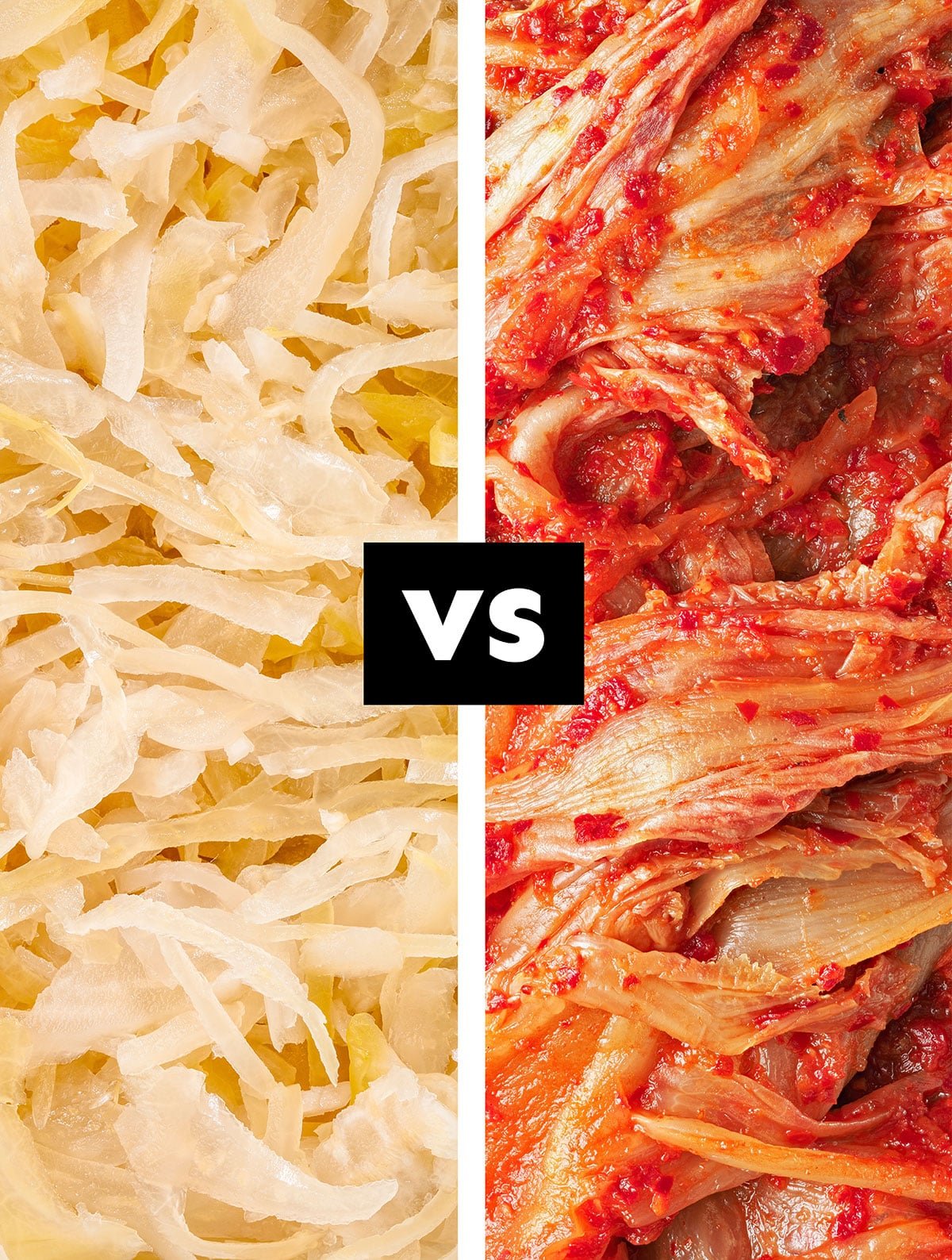
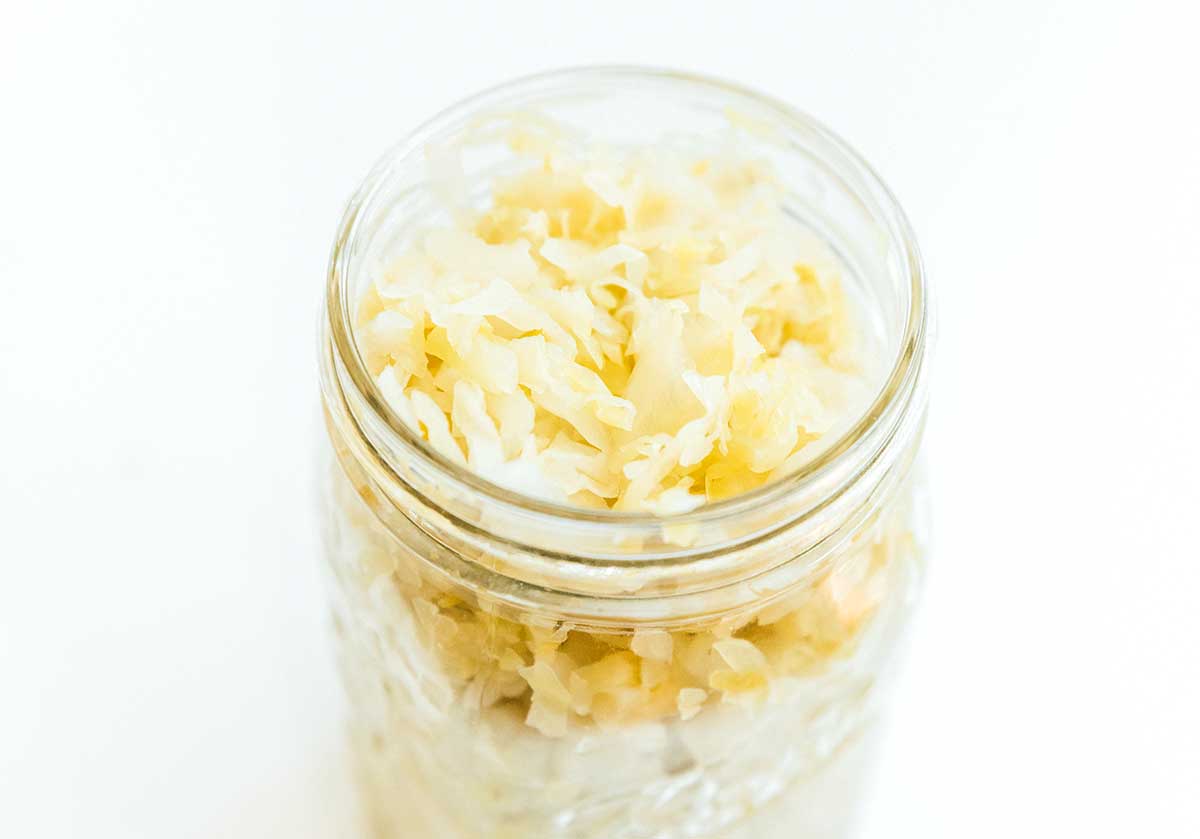
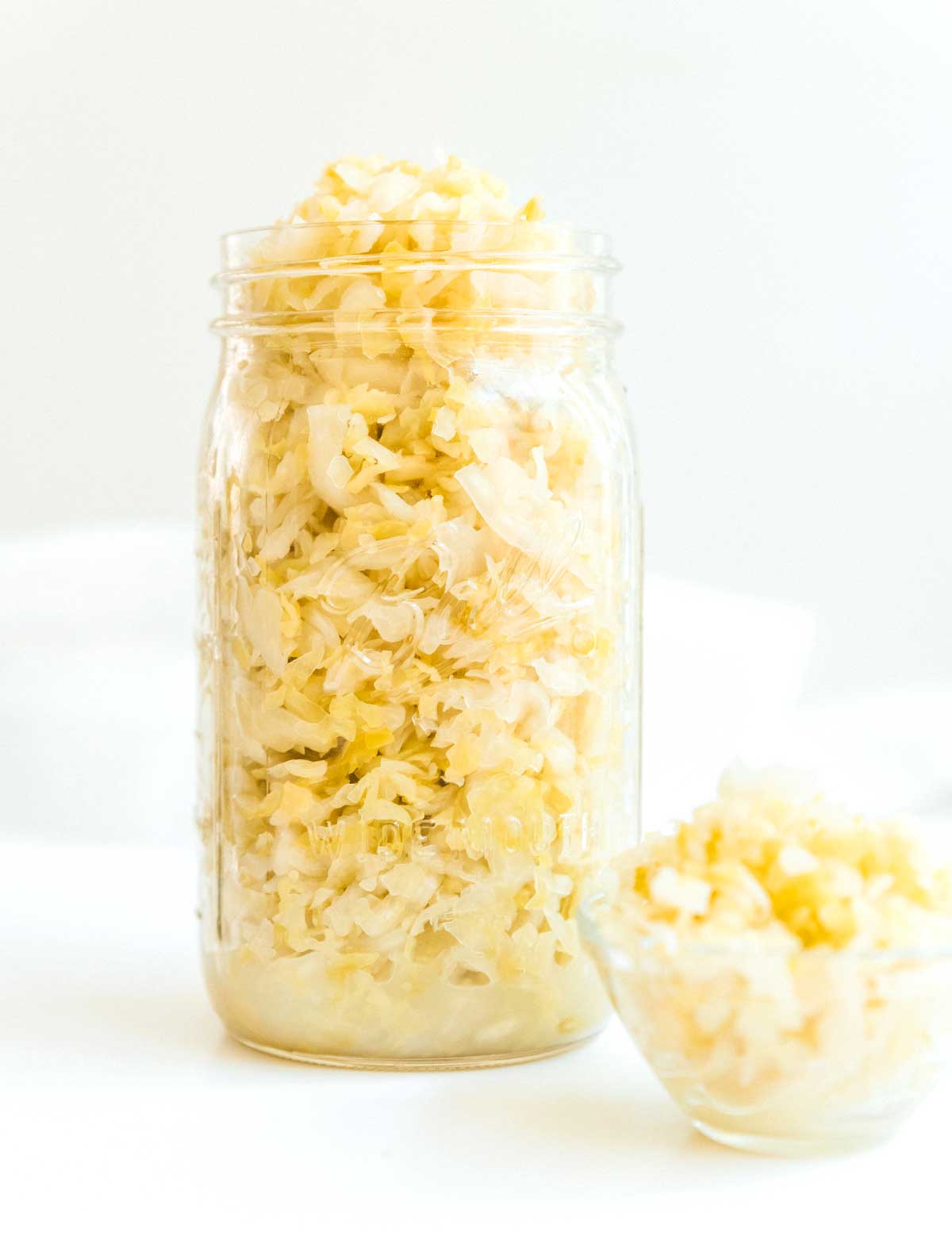
Sauerkraut is an old German favorite made from fermented cabbage. It has a distinctly sour flavor due to this fermentation. The taste can, however, vary as Germany is made up of dozens of old states all with their own culinary traditions. In other words, there are a lot of ways to make “Kraut”! In general, however, sauerkraut is tangy, acidic, and slightly salty. Fermentation breaks down the sugar in cabbage into lactic acid which gives it its sour taste. The texture of sauerkraut is slightly crisp, although this, too, varies with the length of cooking and fermentation.
What is Kimchi?
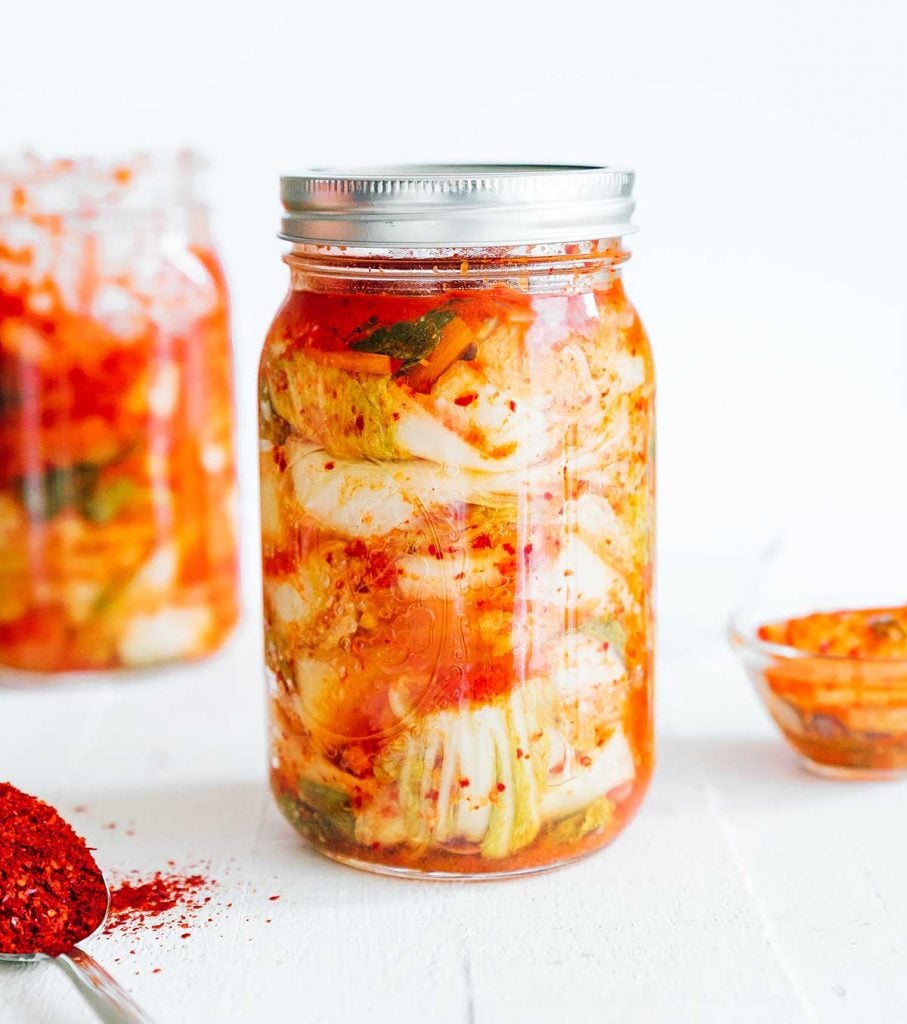
Kimchi comes from half a world away from Kraut as its roots are solidly Korean. Kimchi is a traditional favorite made from Napa cabbage, as well as salt, garlic, ginger, chili pepper, fish sauce, and other seasonings. Like sauerkraut, the taste depends a lot on how long it is fermented, but it is generally a combination of spicy, salty, and sour flavors. The sour taste comes from fermentation, and the spiciness comes from the chili peppers, so the level of each greatly affects the final taste. Kimchi also has a strong umami taste that some describe as savory or meaty, and this comes from the glutamates found in fermented fish sauce, shrimp paste, or dried seafood, which are often added to kimchi.
Uses
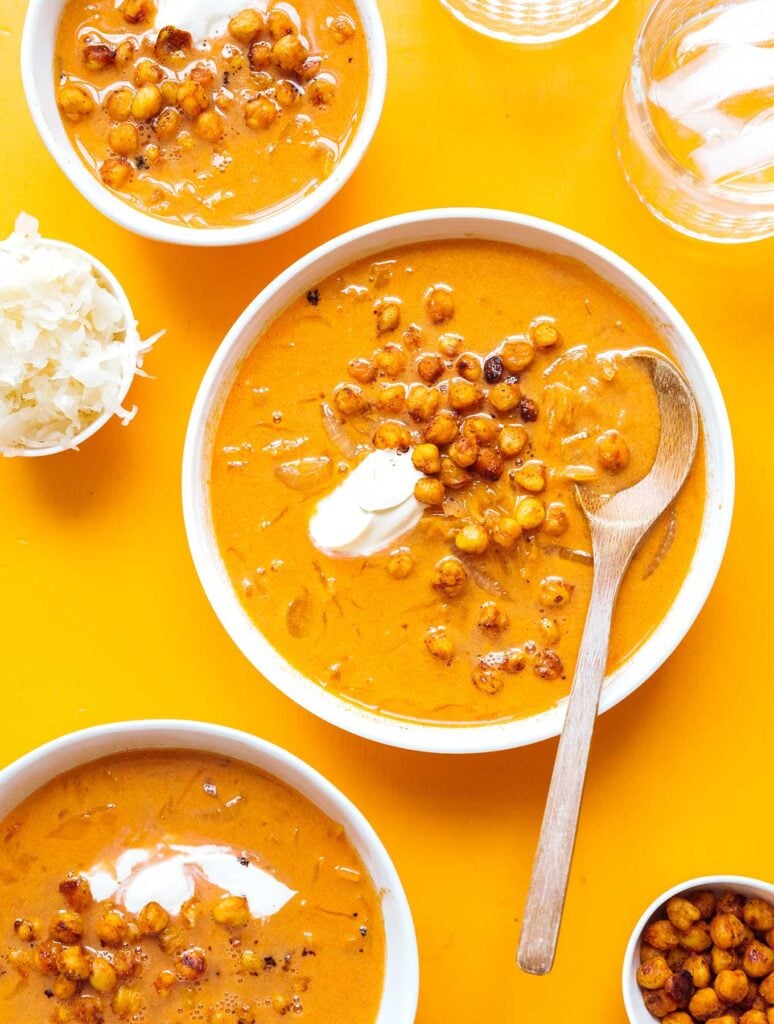
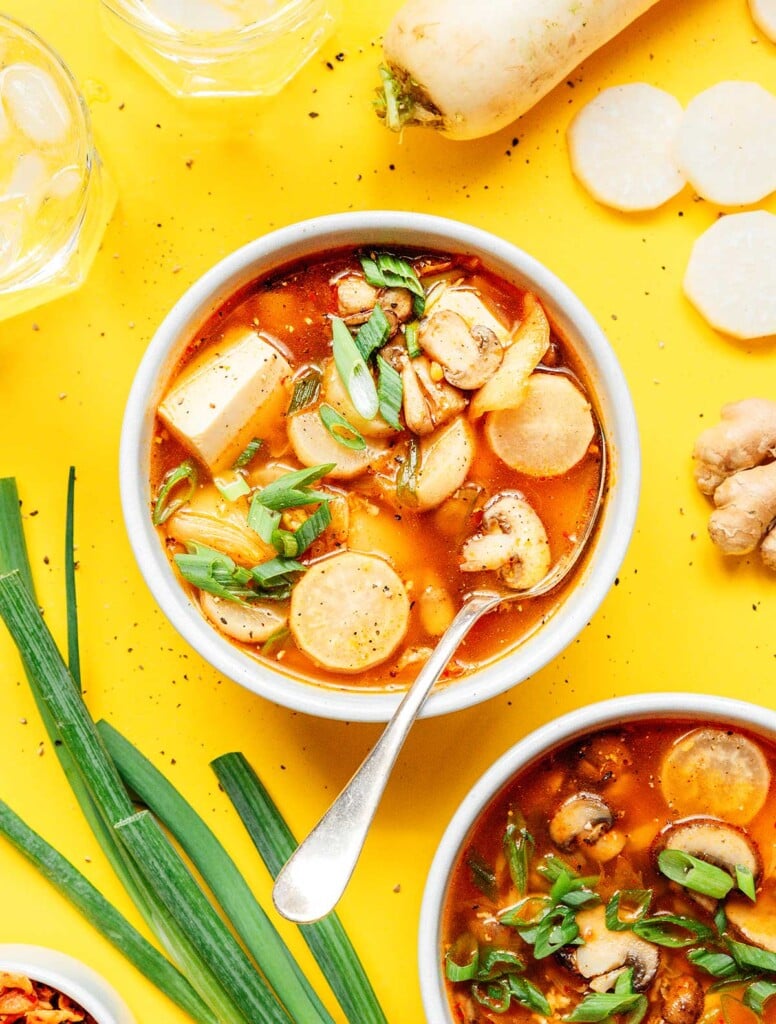
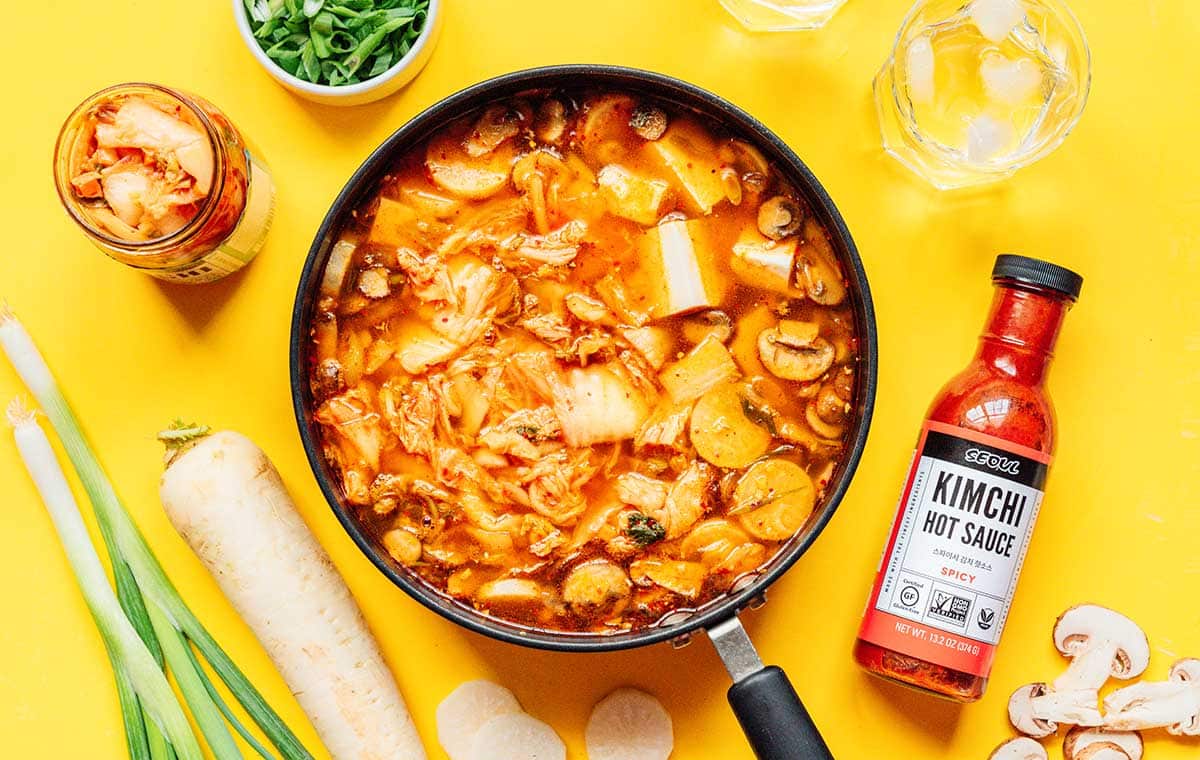
Sauerkraut can be enjoyed as a side dish, added to sandwiches, or used as a topping for hot dogs and sausages. Homemade sauerkraut is easy to make, and allows you to tweak the taste to your liking. If you want to work sauerkraut into a recipe or two, have a look at this Sauerkraut Salad Recipe or perhaps Sauerkraut Soup. Kimchi is frequently used as a side dish, but it can also be used to make soups, stews, and rice dishes. You can make Homemade Kimchi quite easily, and will probably save money in the process. If you want some unique ideas for using kimchi (store bought or homemade) to create other great cuisines, try one of these well tested recipes. Kimchi Fries, Kimchi Fried Rice or perhaps our favorite Kimchi Tempeh Tacos.
Nutrition
Both sauerkraut and kimchi are low-calorie healthy foods that are packed with probiotics, thanks for the fermentation used to make them! Sauerkraut is a low-calorie, higher-fiber food that brings a lot to the table health-wise. A mere 100 gram (about 3.5 ounce) serving of sauerkraut contains only 19 calories, but provides:
2.9g fiber 1g protein 24% of the RDA Vitamin C 8% of the RDA of Iron 4% of the RDA of Potassium
Kimchi is a nutritional superstar. It is high in vitamin C, and is also a good source of dietary fiber, and vitamins A, B1, B2, B3 and B6. It is also known for its probiotic properties. A 100g ( 3.5 ounce) serving of Kimchi contains only 15 calories, but provides:
1.6g fiber 1.1g protein 37% of the RDA Vitamin C 14% of the RDA of Iron 4% of the RDA of Potassium
History of Sauerkraut
We said that Sauerkraut is a traditional German dish, but it actually traces its roots back to ancient China, where it was made by pickling cabbage in rice wine. It made its way to Europe probably along the Spice Road carried by ancient traders. Once it arrived in Europe it became popular in Germany, Poland, and other Eastern European countries. During the Middle Ages, sauerkraut was considered a valuable food source, particularly during the winter months when fresh fruits and vegetables were scarce, and by scarce, we mean unavailable to most people. In the 18th century, sauerkraut began to be produced on a large scale and was exported to other countries. It became a staple on sailing ships before anyone knew about Vitamin C, as sailors discovered that it not only kept a long time but prevented scurvy. Sauerkraut never lost its popularity in Germany and Eastern Europe, and it is still a favorite served along with sausages, sandwiches, and stews. It has also become popular in other countries, and it is widely available in supermarkets today in the USA.
History of Kimchi
The origins of kimchi can be traced back to ancient Korea where, much like today, it was made by pickling vegetables in salt, chili peppers, and other seasonings. During the Three Kingdoms period of Korean history (1st century BCE to 7th century CE), kimchi was called “chonggak-kimchi” and was made with scallions and radish. During the Goryeo Dynasty (10th century to 14th century), it became known as “baechu-kimchi” and was made with napa cabbage. Kimchi was traditionally made in large batches and fermented underground in earthenware jars. Many Koreans still use this method today. Kimchi has long been an essential part of Korean cuisine and culture. It remains a staple food that many Koreans still serve with almost every meal. It’s also considered a symbol of Korean identity and has been recognized as a UNESCO Intangible Cultural Heritage. Okay, that was probably way more history than you wanted, but here at Live Eat Learn we think that knowing where ingredients came from helps us understand what to do with them. So you see, Kimchi and Sauerkraut are more similar than different. They are both fermented vegetable dishes that came to popularity half a world apart but are now worldwide favorites. You can buy wonderful kimchi quite cheaply at COSTCO and get sauerkraut for a couple of dollars at any grocery store. They are made of different varieties of cabbage, but both are rich in vitamins, low calorie and have gut-friendly probiotics. The difference between the two really comes down to which taste you like best. We hope this short article on the differences and similarities of kimchi and sauerkraut has been helpful, and as always happy eating!