Types of Eggs
No matter how you crack it, there are many ways to classify eggs, from size to grade to the animals who lay them! Click the links below to jump around this comprehensive guide, or just keep scrolling for a truly egg-citing adventure!
Egg Types Sorted by Size
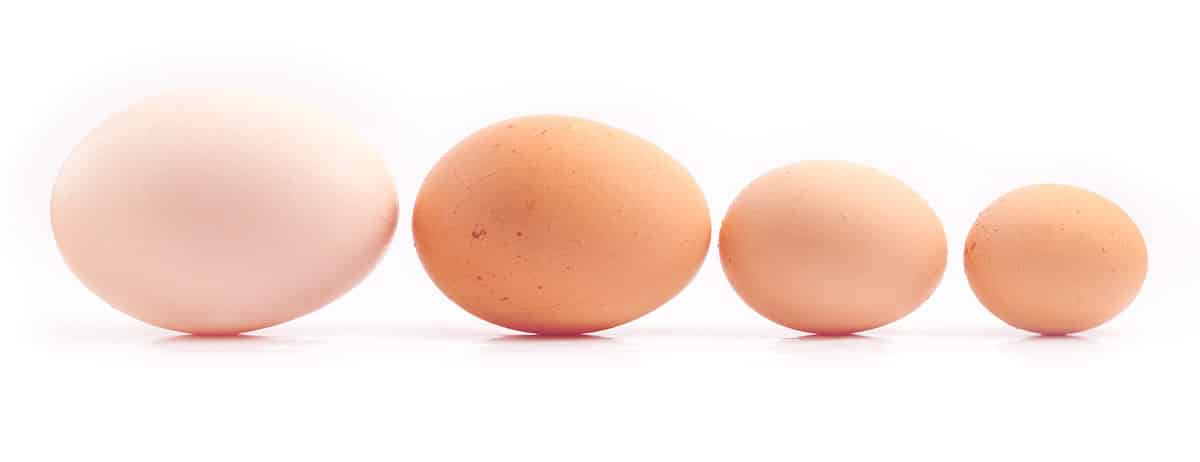
The USDA has established standards for egg sizes in the United States. These standards are based on the minimum required weight per dozen eggs. The following are the USDA standards for egg sizes, listed from largest to smallest:
Jumbo Eggs
Jumbo eggs are the largest commercially available eggs, and a dozen must weigh not less than 30 ounces (850) grams. They usually weigh about 68 – 74 grams each. Jumbos are often bought by those who prefer a larger yolk-to-white ratio and are often used for baking or in recipes that require a larger amount of egg.
Extra-Large Eggs
A dozen extra-large eggs weigh a minimum of 27 ounces (765 grams), making them just slightly smaller than jumbos. They typically weigh between 63 to 69 grams each. Extra-large eggs are popular for both cooking and baking.
Large Eggs
These eggs must weigh a minimum of 24 ounces (680 grams) per dozen. Large eggs are the most commonly sold eggs in grocery stores, probably because they are the most commonly sized eggs laid by chickens. They have a weight range of about 56 to 62 grams each. Large eggs are used for just about everything: frying, scrambling, baking, and as a general ingredient in recipes.
Medium Eggs
Medium eggs weigh a minimum of 21 ounces (595 grams) per dozen and typically come in at around 50 to 55 grams each. While less common than large eggs, medium eggs can still be found in supermarkets and are suitable for most cooking and baking purposes.
Small Eggs
These eggs must weigh a minimum of 18 ounces (510 grams) per dozen and usually weigh around 43 to 49 grams each. You don’t see these as much in the grocery store as they are often used in processed egg mixtures. As a kid, I recall seeing only the large and extra-large eggs and asking, “Compared to what?” But hey, the egg producers have to do something with the little ones.
PeeWee
With a minimum weight per dozen of only 15 ounces, peewee eggs are the smallest commercially available. They typically weigh around 35 to 42 grams each. These eggs are much less common; you may never see them in the grocery store. They are primarily used in specialized culinary applications or processed egg products.
Egg Types Sorted By Grade
In the United States, eggs are also graded based on their quality and appearance. The grading process has strict standards that look at the thickness and texture of an egg’s shell and, perhaps more importantly, the quality of the yolk, white, and air cell. This is done by candling. Basically, an egg is held up to a light. Each of these three areas is evaluated. The final score for the egg is determined by the lowest score in these three areas. So, for example, when an egg white is rated, and the white is determined to be firm when the egg is whirled, that is an AA-rated egg. If the yolk is only reasonably firm, it is A-rated, and finally, if it is weak and watery, that is a B. So, there are standards for all three areas, but I think you get the idea without us going through each standard. But again, the rating is based on the lowest score in all areas. We know this begs the question: “Is someone really at the plant checking all those millions of eggs?” Well, obviously not. They are sampled, and there is a USDA standard for this, too. In a batch of AA eggs, 87% of sampled eggs must meet the AA standard, or the batch is not AA. Similarly, 87% of eggs must meet the A rating standard for a batch to be considered A-rated.
Grade AA Eggs
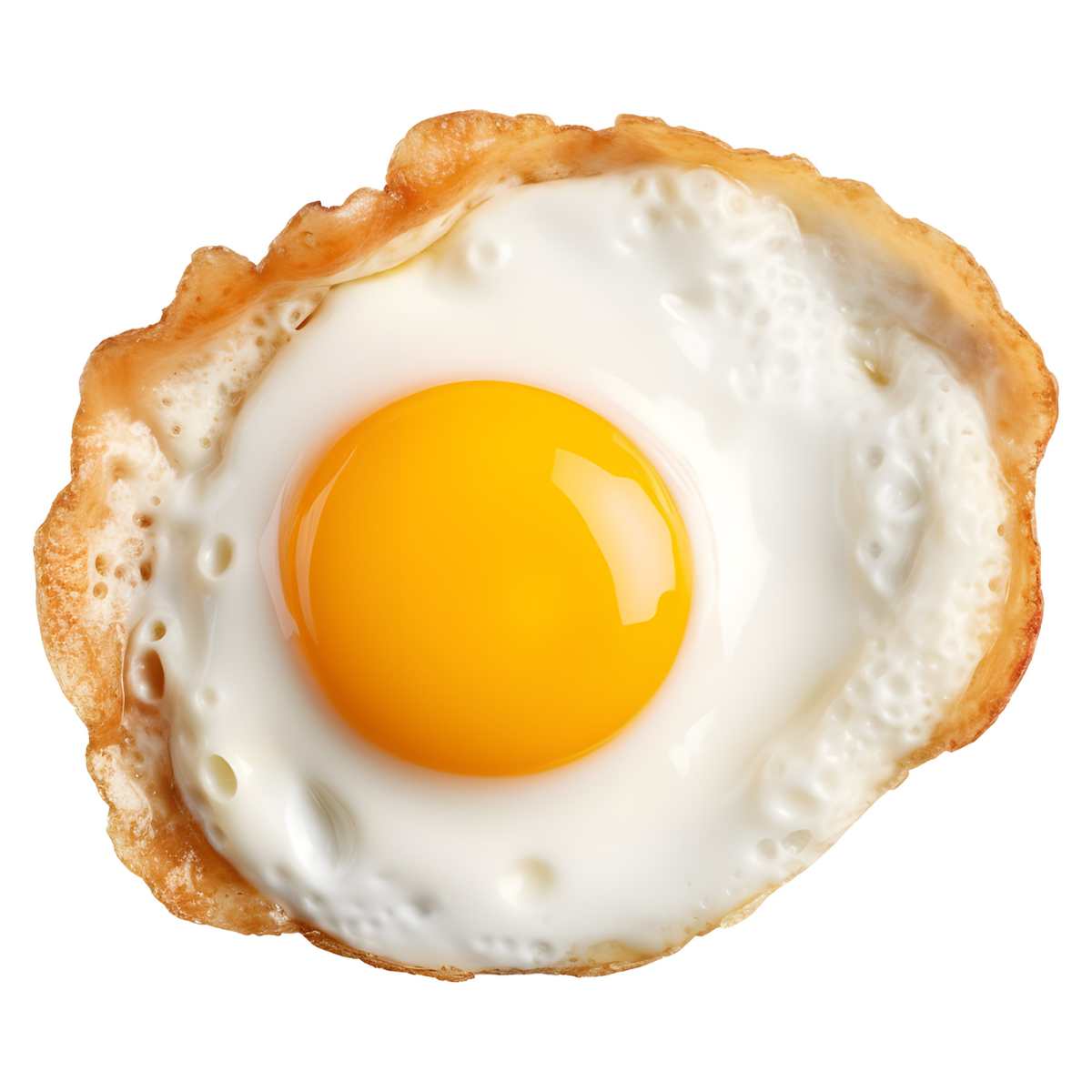
Grade AA eggs are the highest quality eggs available. They have thick, firm whites, and the yolks are firm and high-centered. The air cell inside the egg is less than ⅛ deep. Again, it’s determined by candling. Grade AA eggs are best used for dishes where appearance is crucial, such as poached eggs, fried eggs, or omelets that showcase the egg as the main ingredient.
Grade A Eggs
Grade A eggs are also of high quality, although they may have slight differences compared to Grade AA eggs. The whites are reasonably firm, and the yolks may be slightly less firm and centered than Grade AA eggs. It could well be that a Grade A egg has one of the three areas that doesn’t meet the highest standard. So, these eggs are pretty much fine for most uses, such as hard-boiling, baking, scrambling, and general cooking purposes. Oh, and I could definitely make fried eggs for my boyfriend with these, but he wouldn’t know it.
Grade B Eggs
Grade B eggs are still perfectly safe to eat but are considered lower in quality compared to Grade AA and Grade A eggs. The whites of Grade B eggs are noticeably thinner and may spread out more when cracked. The yolks will likely be flatter and larger in relation to the whites when you crack one open and drop it into a pan, and the shells may have imperfections or stains. Due to their lower quality, grade B eggs are typically not sold in retail stores but are commonly used in commercial food processing, such as in pasteurized egg products, where the appearance of the eggs is not essential.
Egg Types Based on Cooking Method
There are numerous different ways to cook eggs, not to mention variations, tricks, and “mom’s secret” ways to cook all these classic egg styles. We present the most basic way to do each.
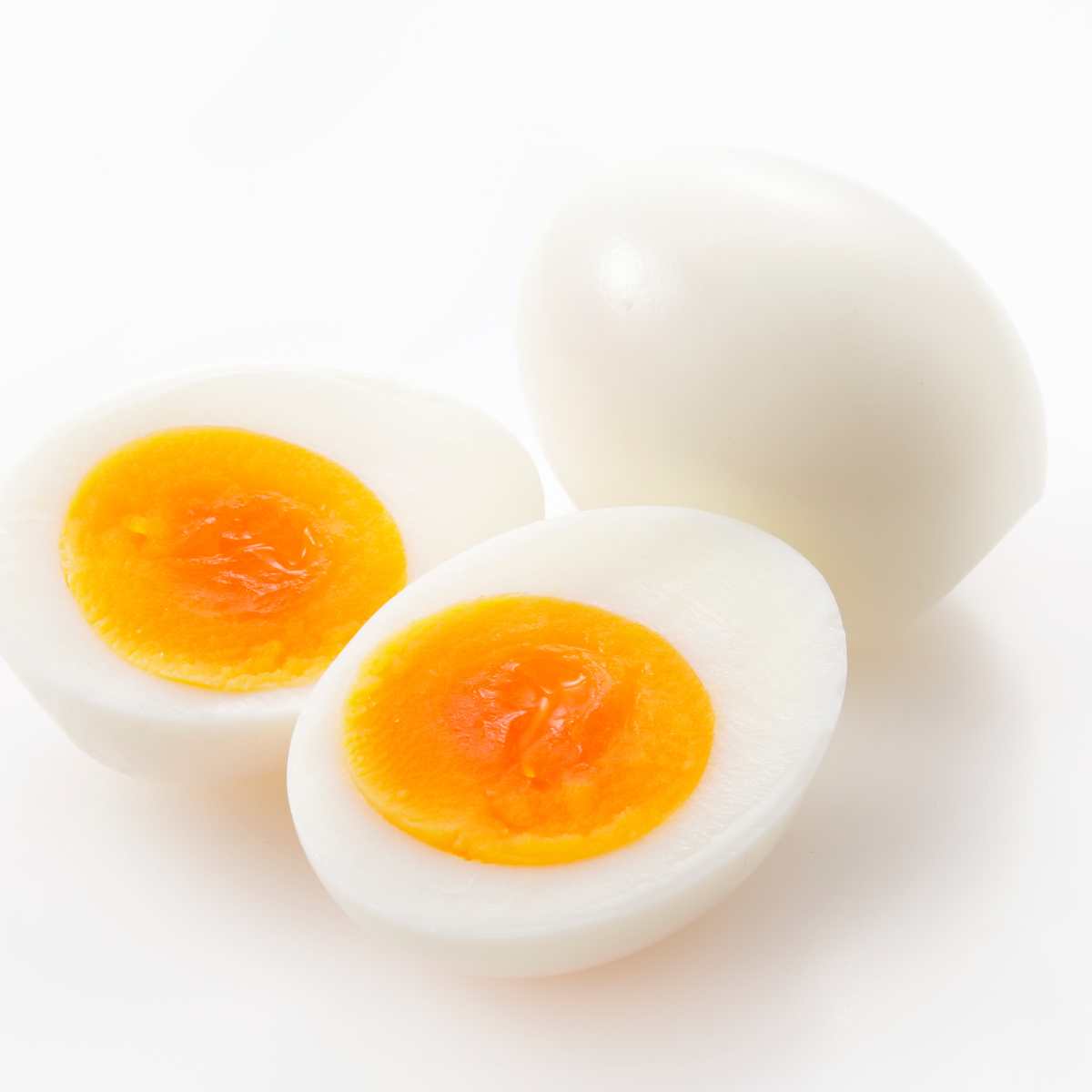
Hard-Boiled Eggs
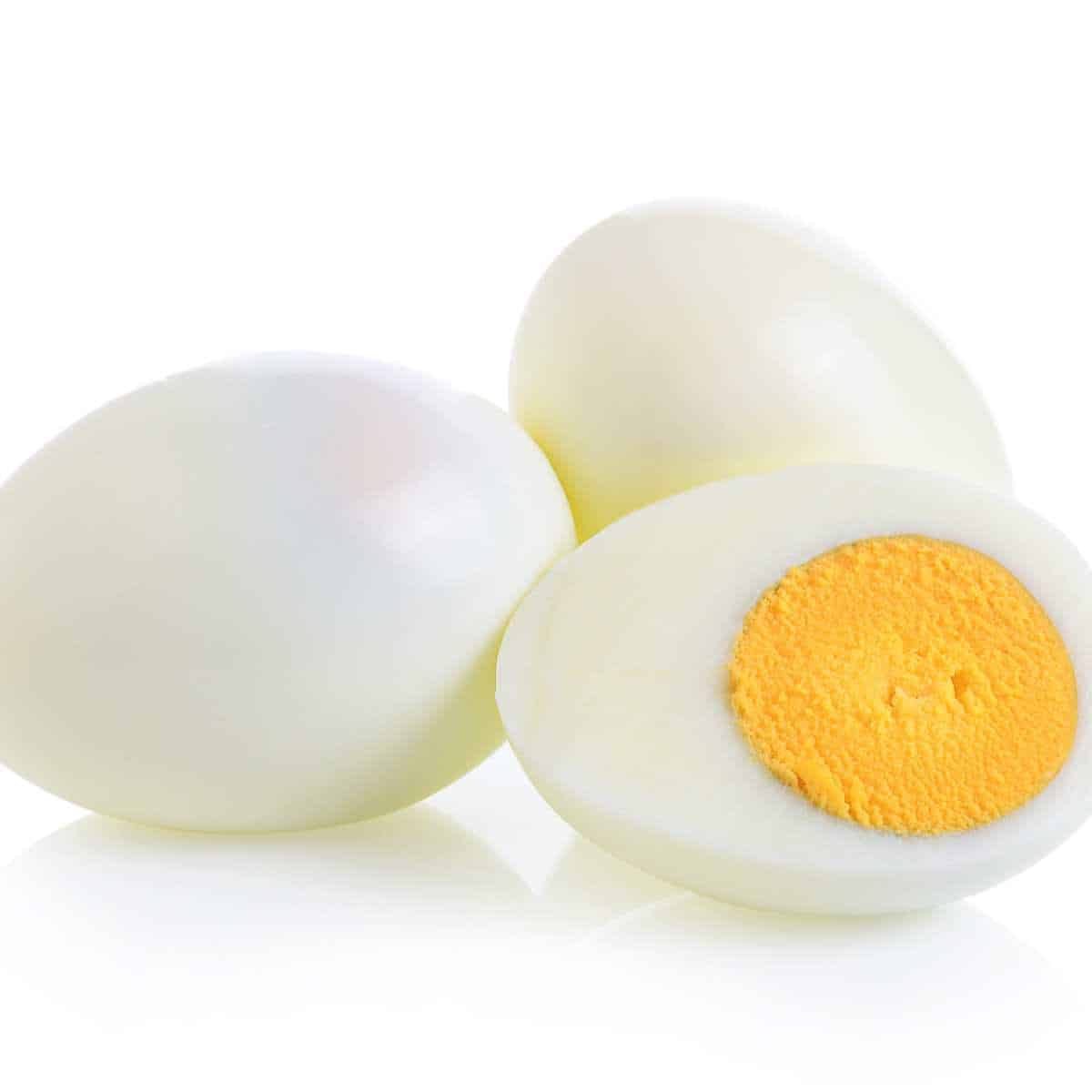
Hard-boiled eggs are the main ingredient for the classic hors d’oeuvres plate of deviled eggs.
Soft-Boiled Egg Healthy Deviled Eggs
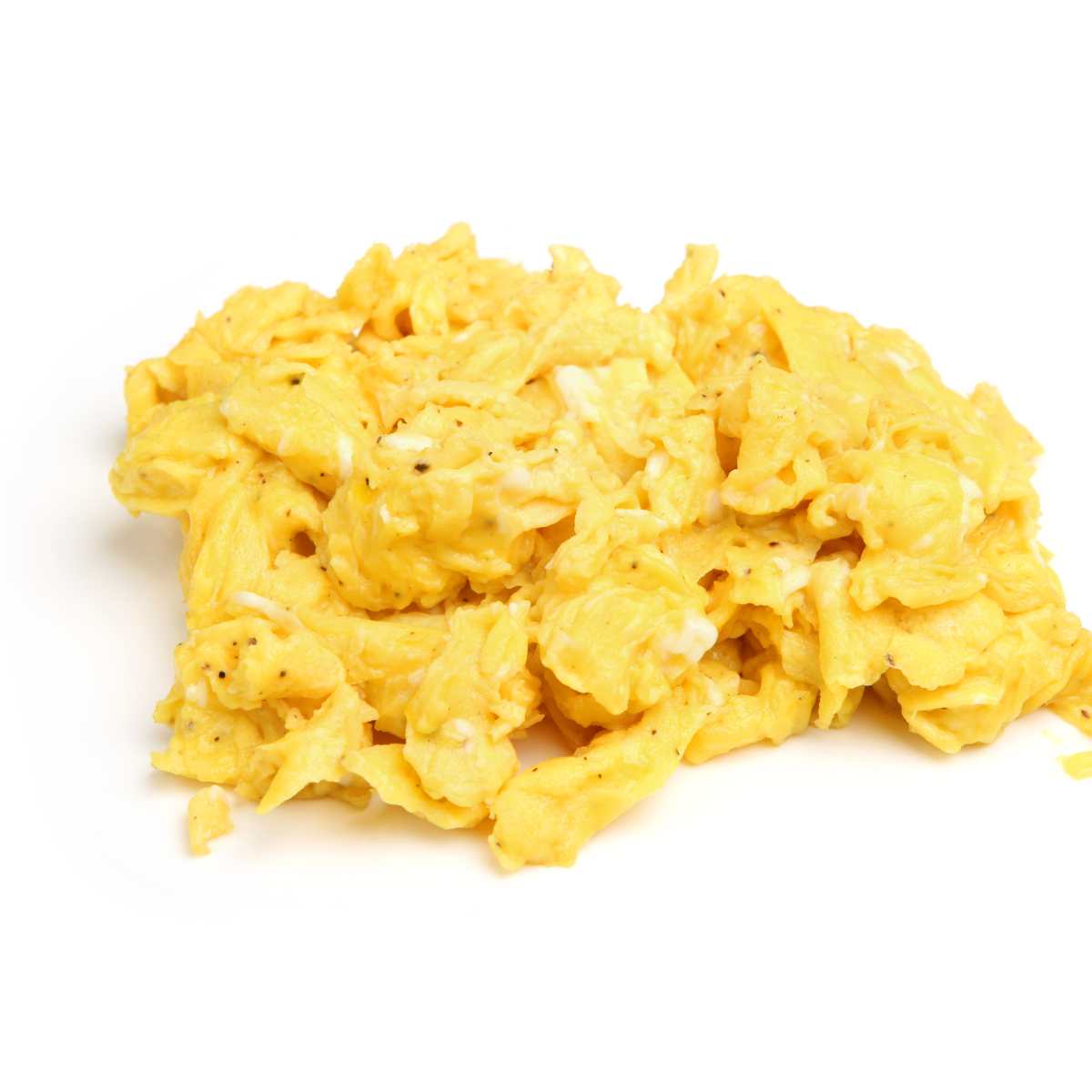
Hard-Scrambled Eggs
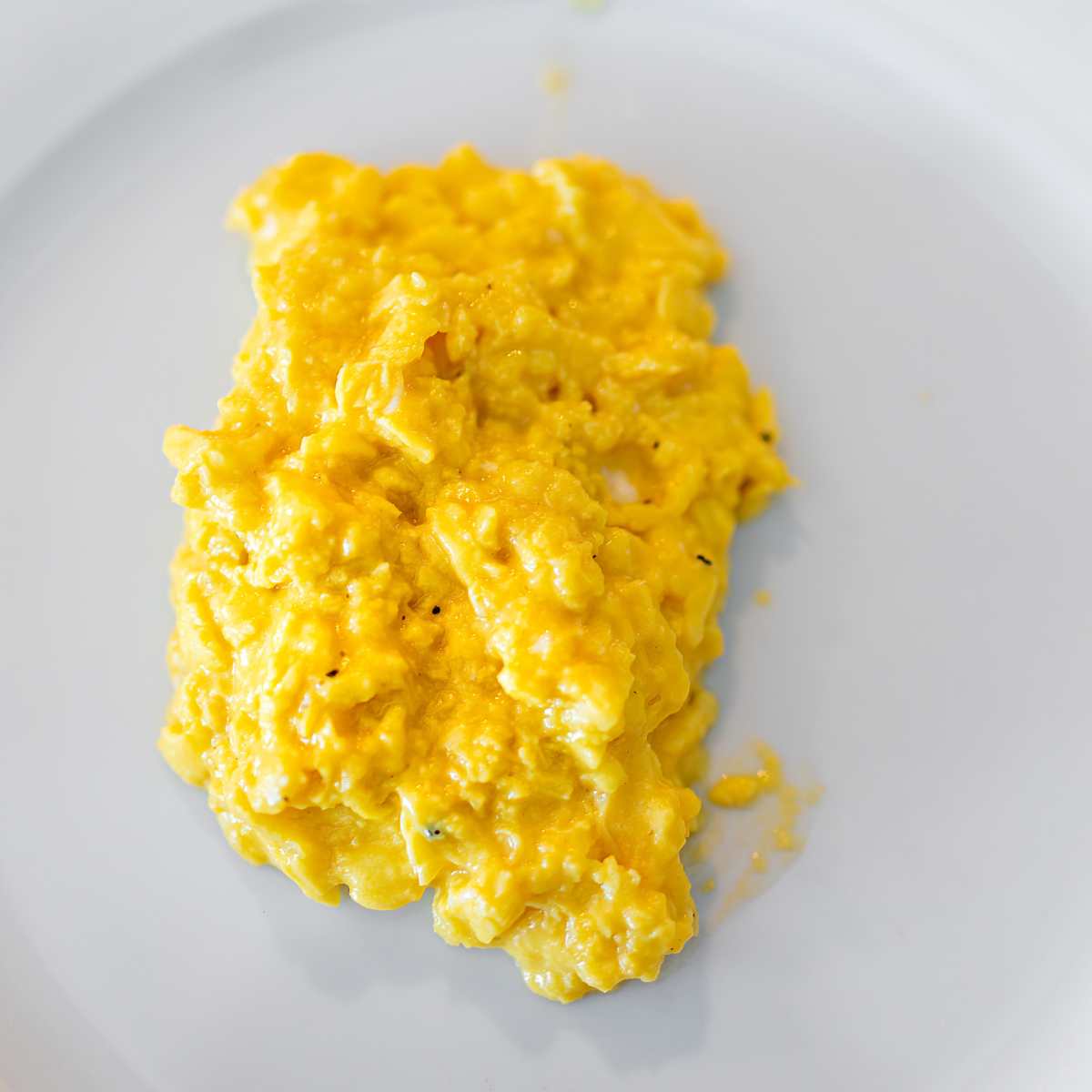
Soft-Scrambled Eggs
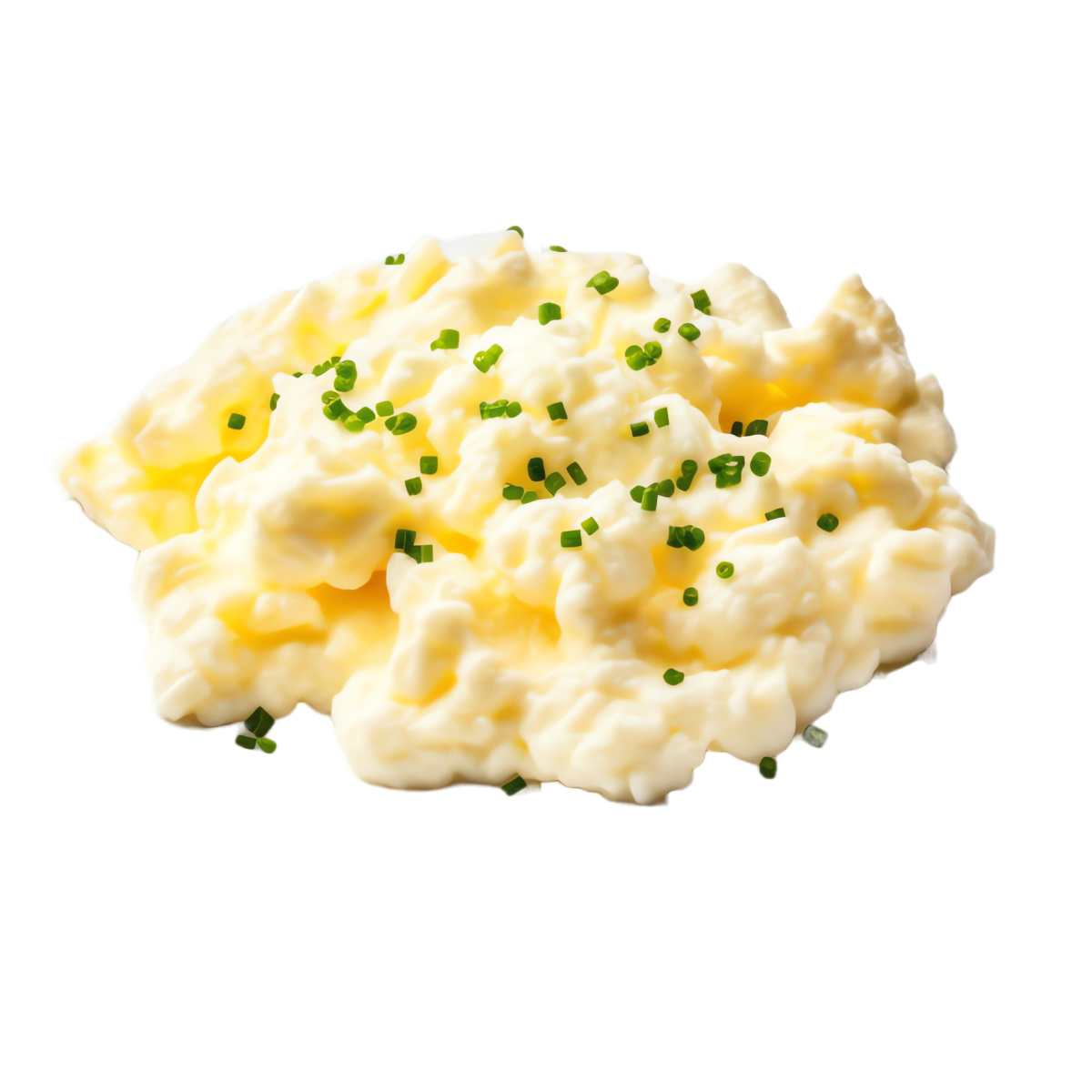
Creamy Scrambled Eggs
Need a breakfast egg dish for more than just a few people? Skip the scrambled eggs, as easy as they are, for sheet pan eggs.
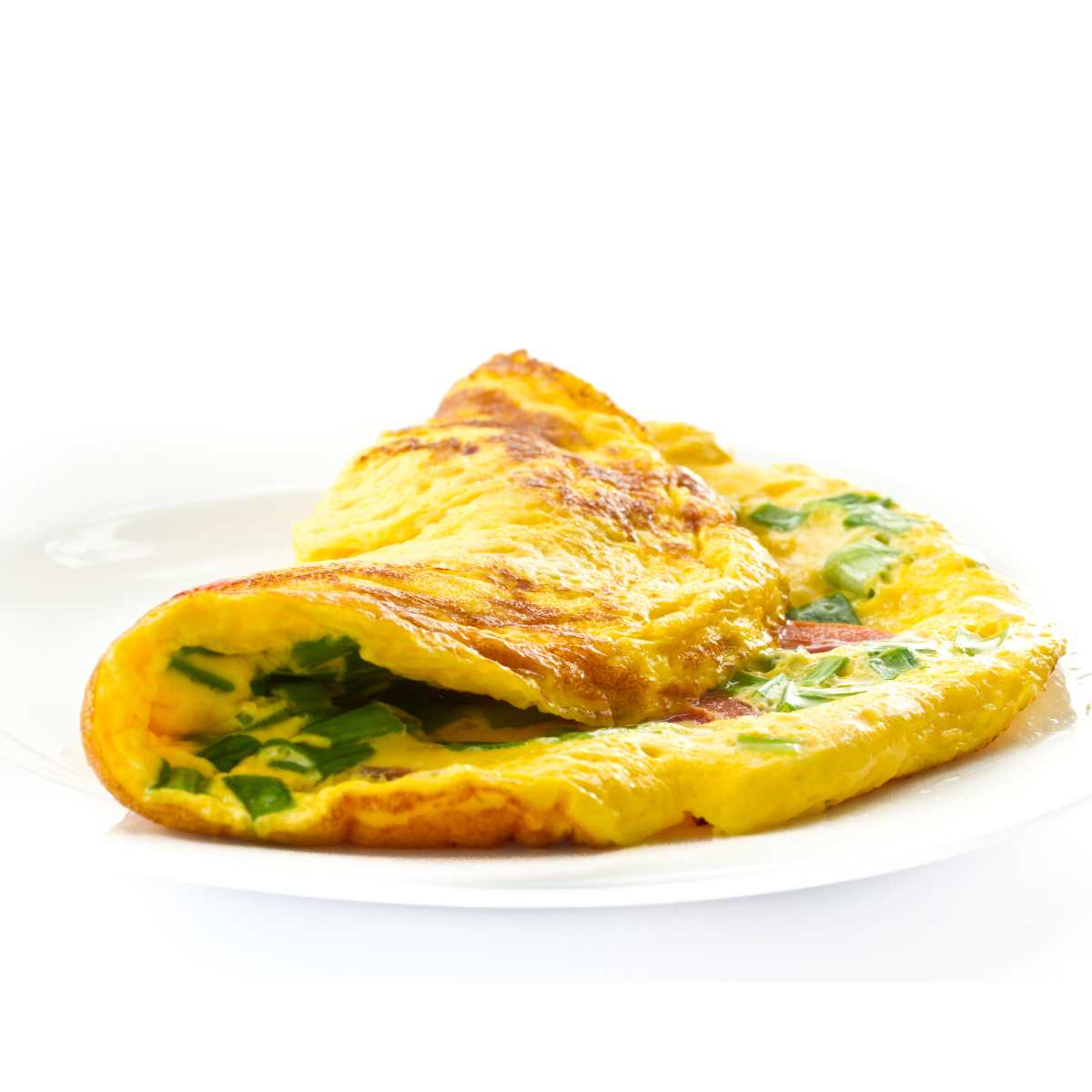
Omelets and Frittatas
If you want a better description with photos and options, check out how to make an omelet.
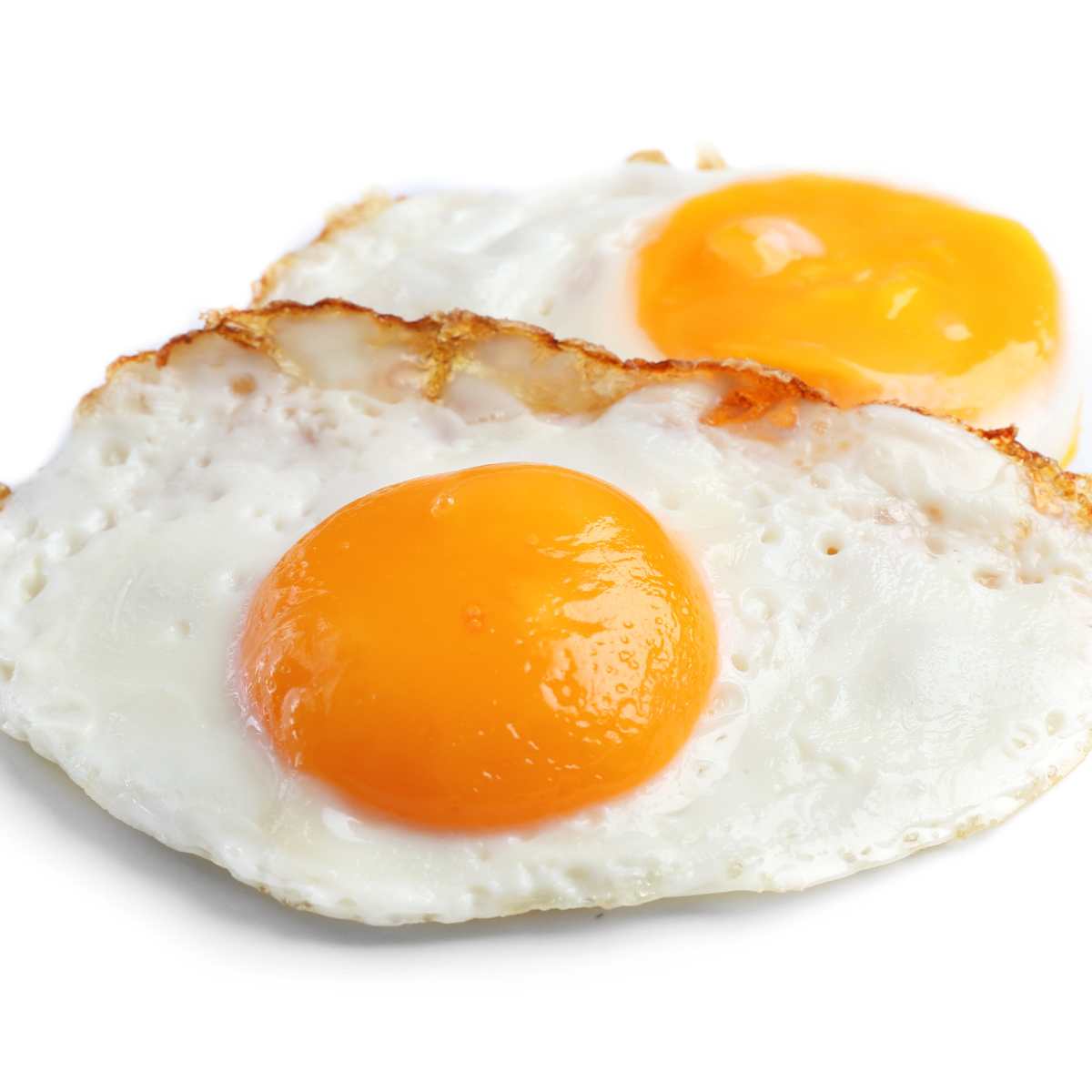
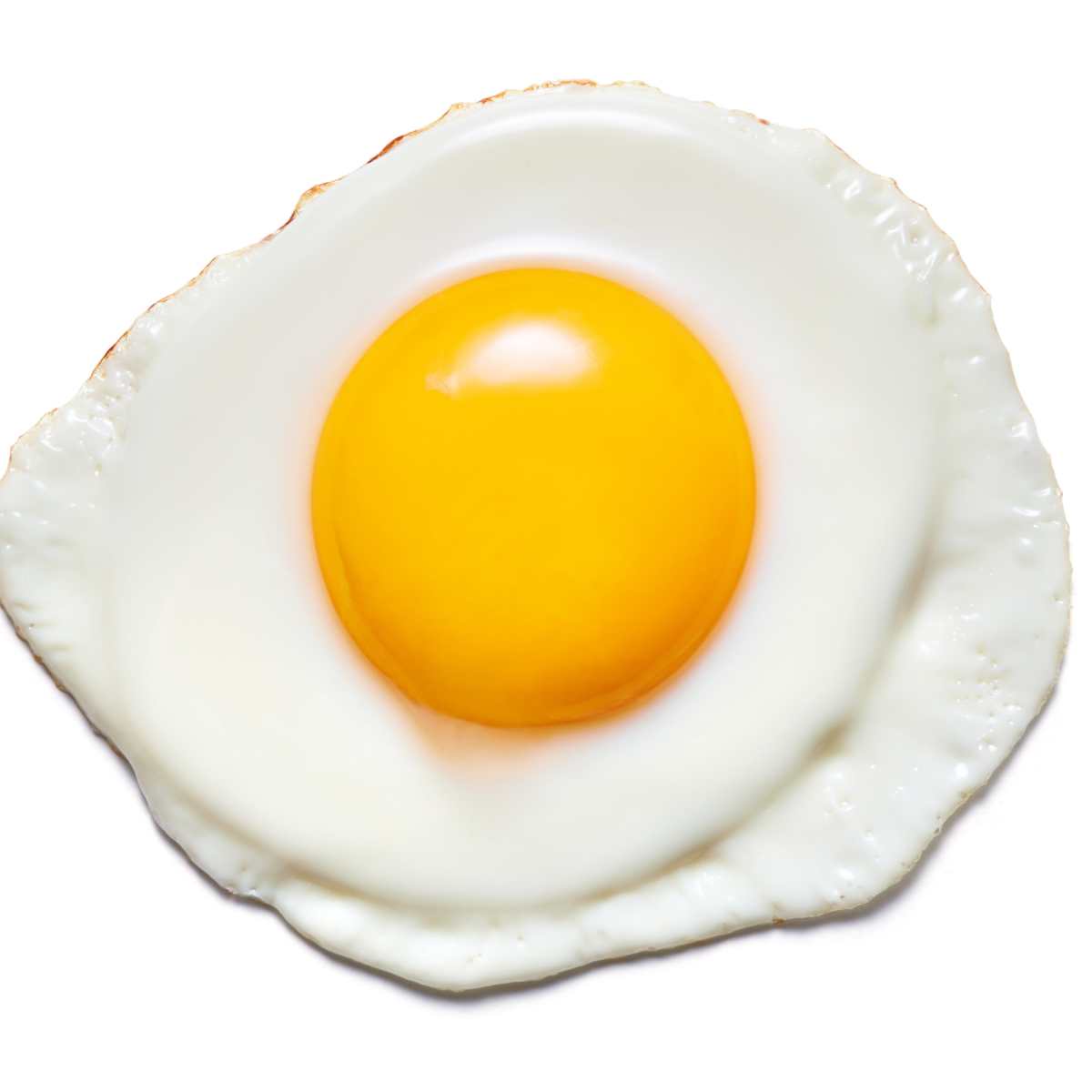
Sunny-Side-Up Eggs
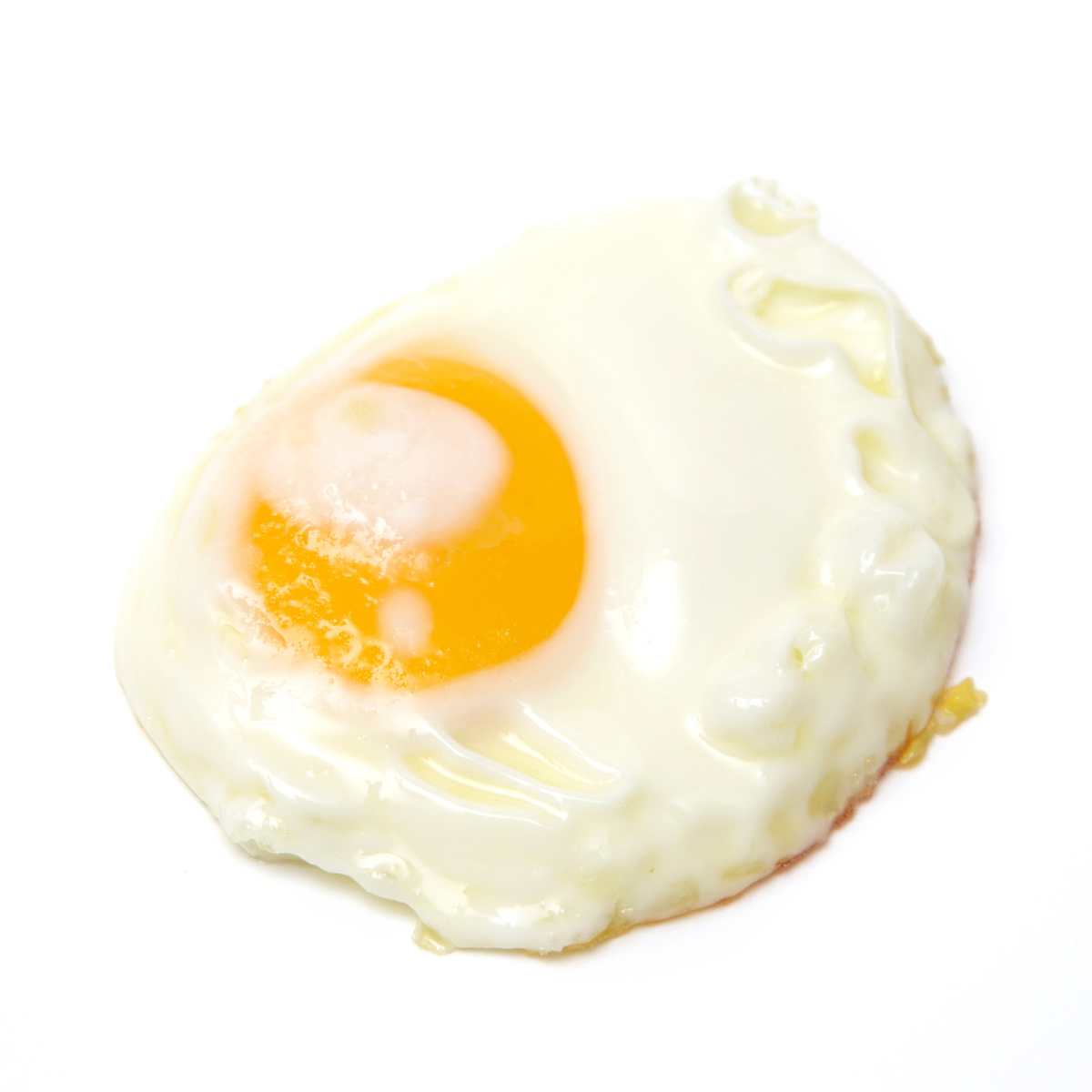
Over-Easy Eggs
Over-Medium Eggs
Follow the steps for over-easy eggs, but increase the cooking time after flipping the eggs by an extra 1 – 2 minutes.
Over-Hard Eggs
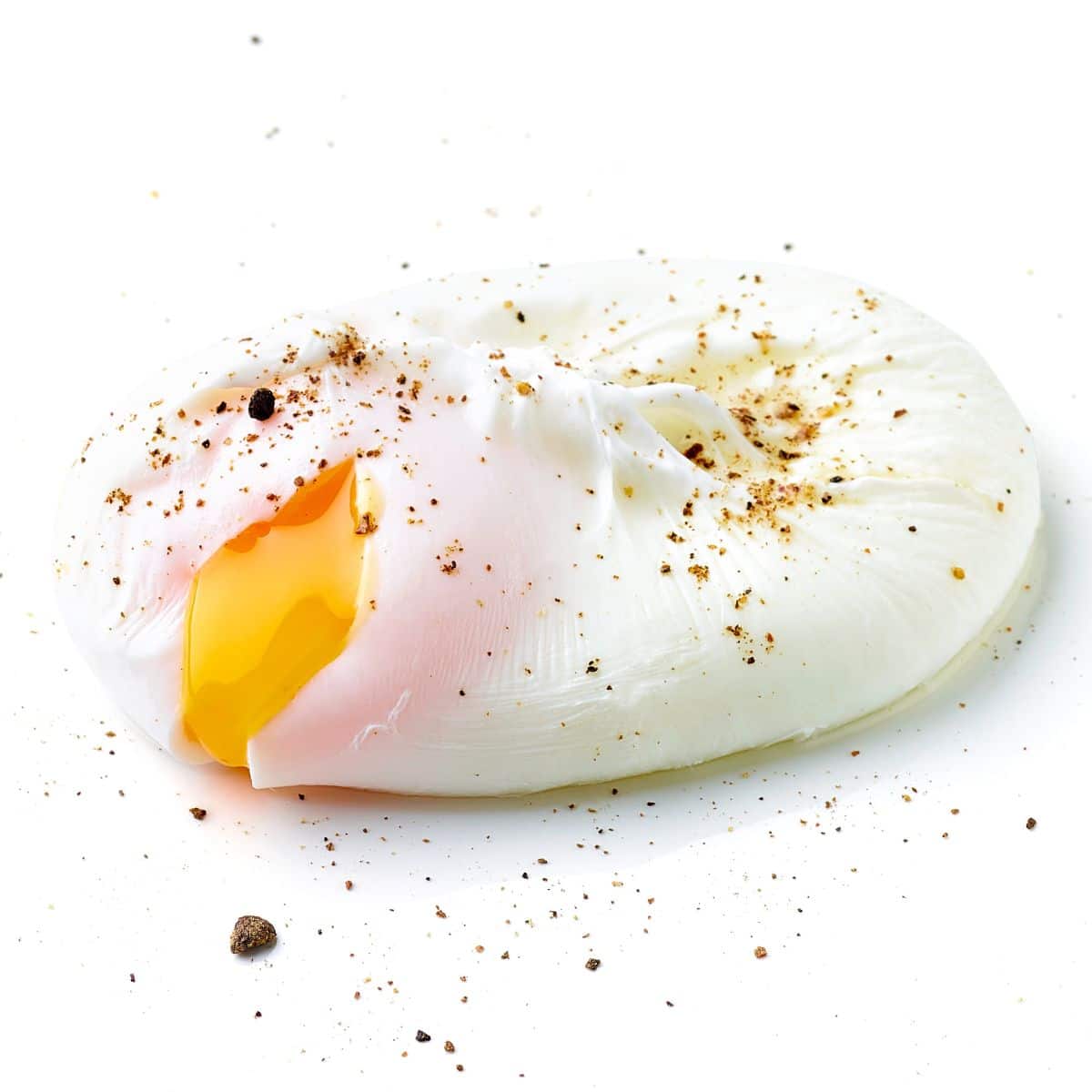
Poached Eggs
Okay, those are just basic routines for popular ways to cook eggs. Check out our two hands-down favorite ways to make them – oatmeal avocado poached eggs and Southern eggs benedict.
Egg Types Sorted By Hen Welfare
American Humane Certified Eggs
The Humane society has several standards for humanly raising and keeping hens. You have probably seen these labels on eggs in the grocery, and rest assured that to obtain the certification for each of these labels, farms have to adhere to some pretty strict guidelines to be considered cage-free, free-range, or pasture-raised.
Cage-free Eggs
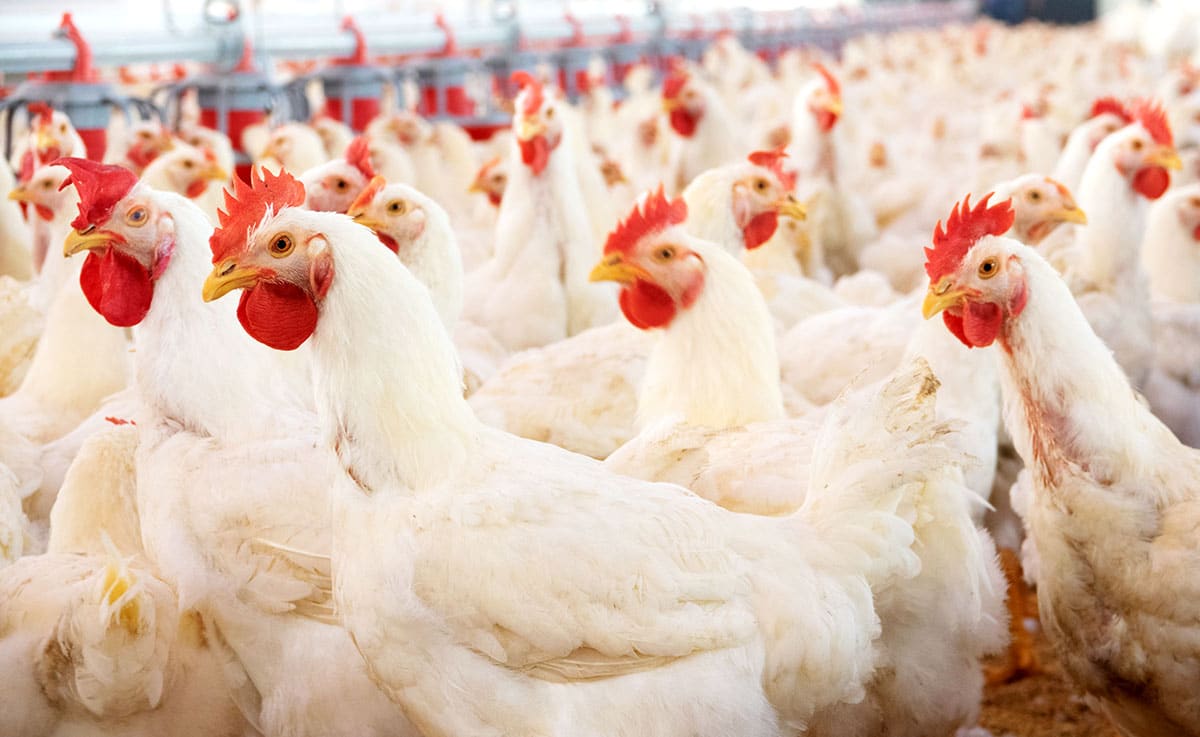
Cage-free eggs come from hens that are not confined to cages. Instead, they live in barns or other indoor facilities where they have more space to move around. This doesn’t necessarily mean that they can go outside, but cage-free is certainly better for the birds than living in a cage little bigger than their bodies. They may still, however, be in barns with thousands of other birds.
Free-Range Eggs
To get the free-range certification hens must have daytime access to an outdoor area. Actually, they are required to have at least 21.8 square feet per hen. While we don’t know how that standard was determined, it is far better than either living in a cage or being cooped in a barn 24/7. Oh, and at night they go back in the barn, but have to meet the cage-free standards detailed above. Free-range eggs can be used in any recipe that calls for eggs, and some people believe they have a richer flavor due to the hens’ varied diets. Others just don’t want to support what they see as the mistreatment of the birds.
pasture raised
This is the final certification farms can get. With this hens have to have not less than 108.9 square feet per hen of outdoor space during the day. There are additional requirements regarding access to water, shade, etc. This is obviously the most difficult standard to meet, but it allows hens enough space to move around and exhibit natural behaviors like nesting.
Egg Types Sorted by Animal
Bantam Eggs
Bantam eggs are small eggs produced by bantam chickens, which is a miniature breed of chicken. They have a similar taste to regular chicken eggs, and you can certainly use them if you can find them at a farmer’s market or raise them yourself.
Caviar
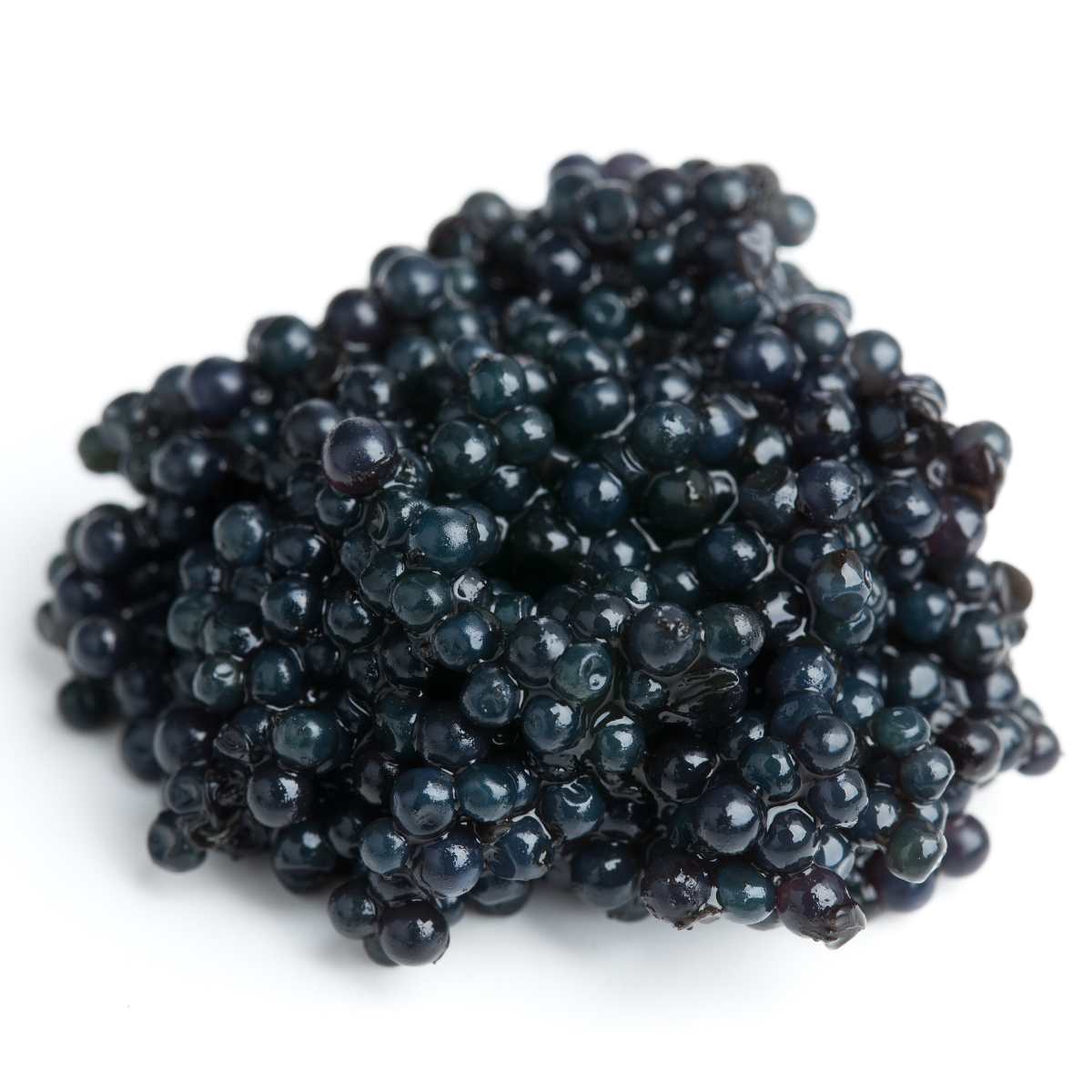
Caviar is salted roe (eggs) of sturgeon. It is a delicacy with a rich, briny flavor. Caviar is often served as a garnish or spread on bread or crackers and is, for most people, just something served for special occasions.
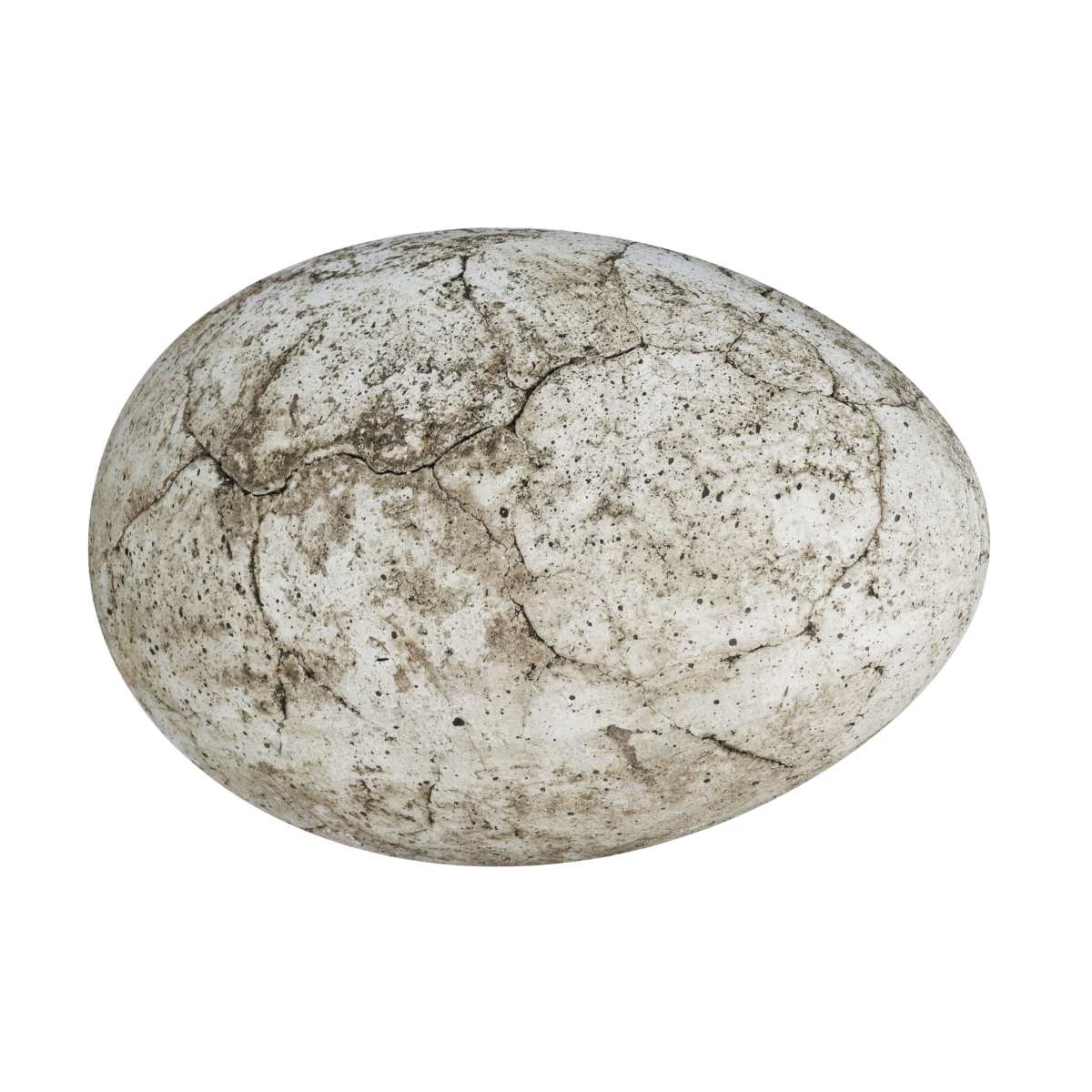
Dinosaur Eggs
Hard as a rock. Not recommended for culinary applications.
Duck Eggs
Duck eggs are larger than chicken eggs and have a higher fat content, which makes them creamier and gives them a richer taste. They are used in baking and cooking, and are sometimes preferred for making pastries and rich desserts by some chefs. If you want to try them, you can order them online.
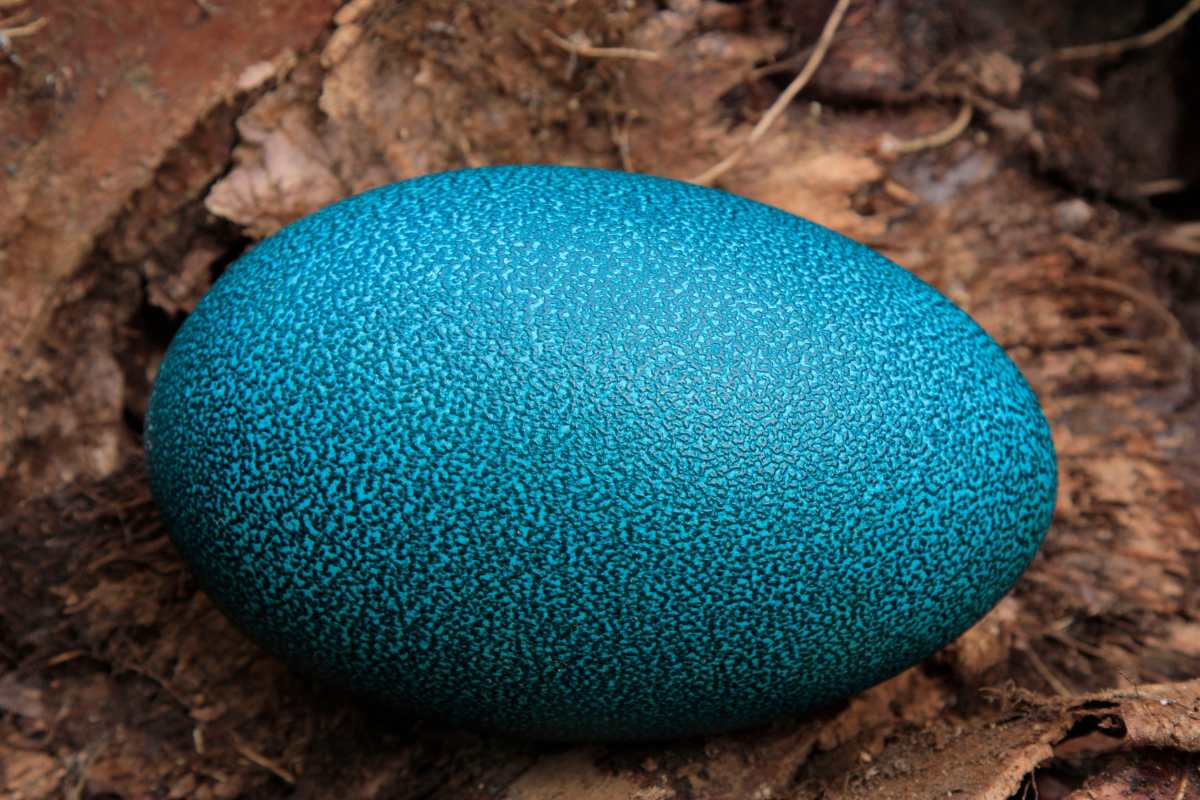
EMU Eggs
Emu eggs are large, dark green eggs that look like large avocados. They have a rich flavor and can be used in lieu of chicken eggs. They are not, however, as widely available as other types of eggs unless maybe you live near an emu farm. The emu egg farm craze of the 1990s fizzled quickly leaving these eggs as a novelty.
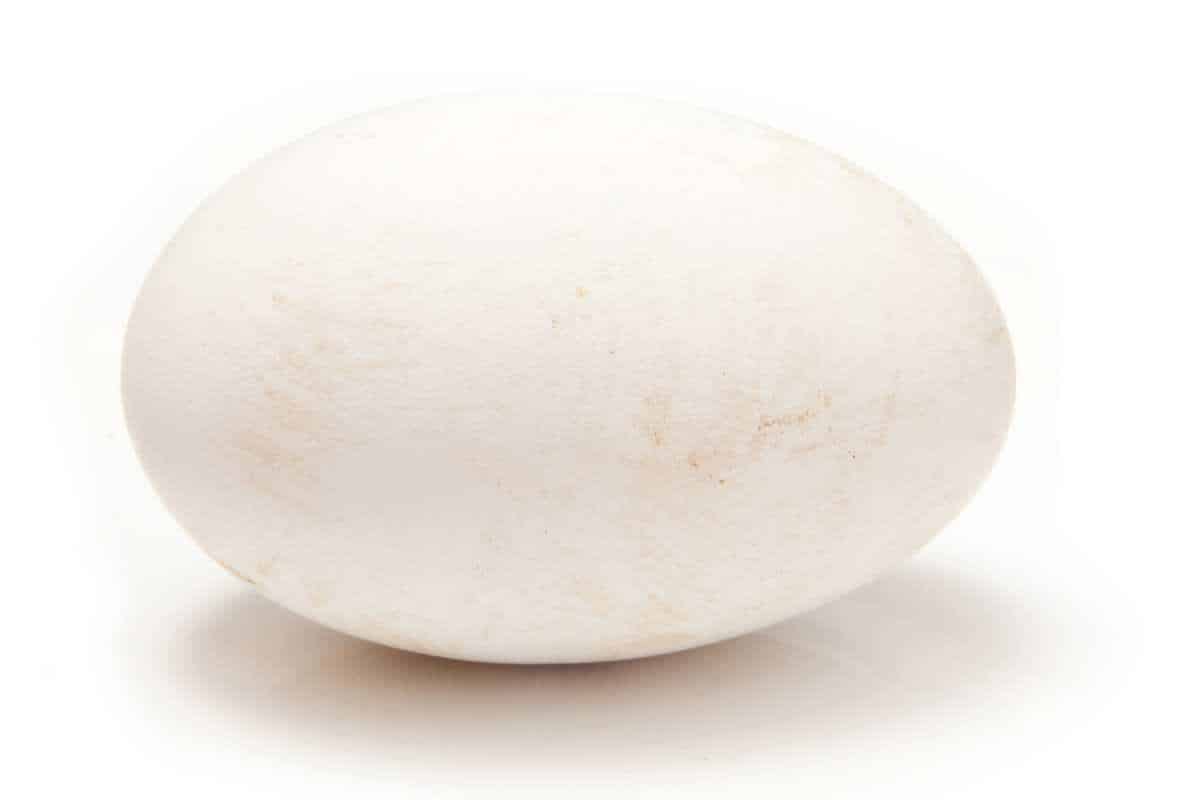
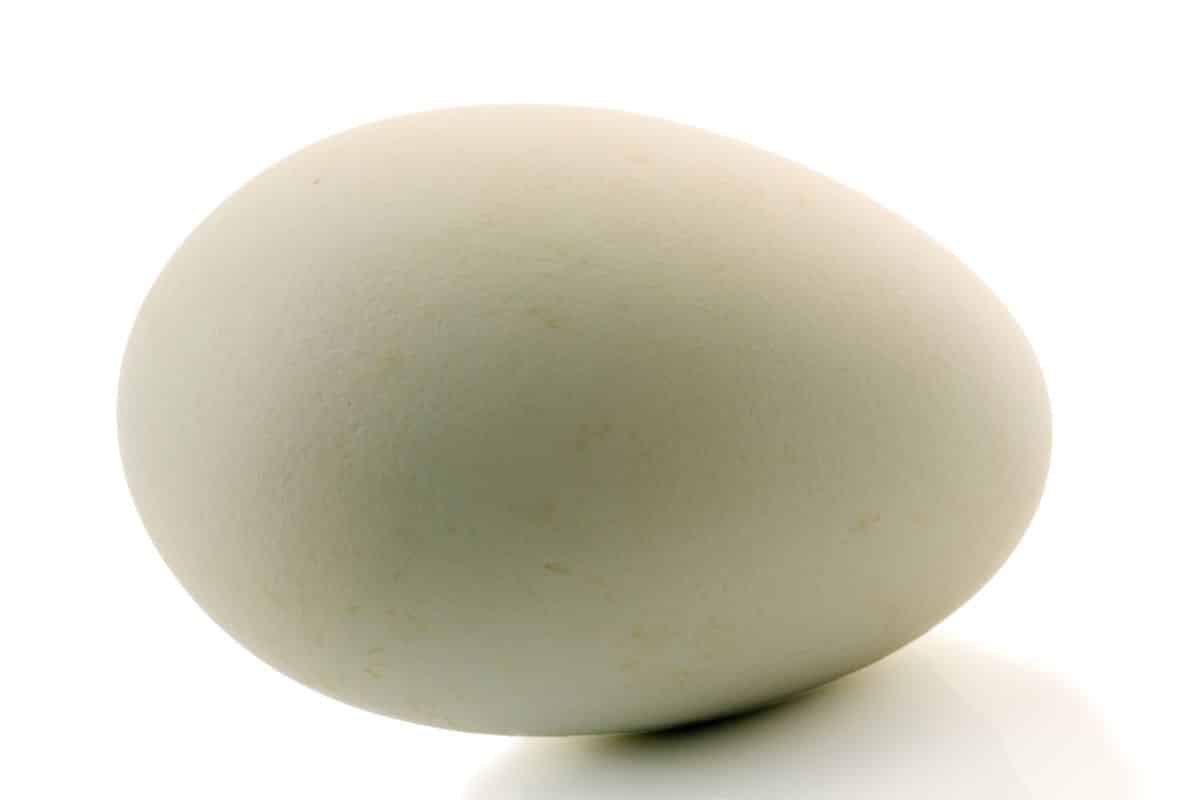
Goose Eggs
Goose eggs are larger than chicken eggs and have a rich, creamy yolk. They can be used in a similar way to chicken eggs, and are sometimes preferred for baking due to their size and richness.
Ostrich Eggs
Ostrich eggs are the largest eggs produced by any bird. They are about 20 times larger than chicken eggs and can weigh up to 6 pounds. Ostrich eggs can be used in lieu of chicken eggs, but like emu eggs, you probably need to live near a farm to get them.
Pheasant Eggs
Pheasant eggs are smaller and have a rich flavor. They are often used in gourmet dishes, particularly in fine dining establishments.
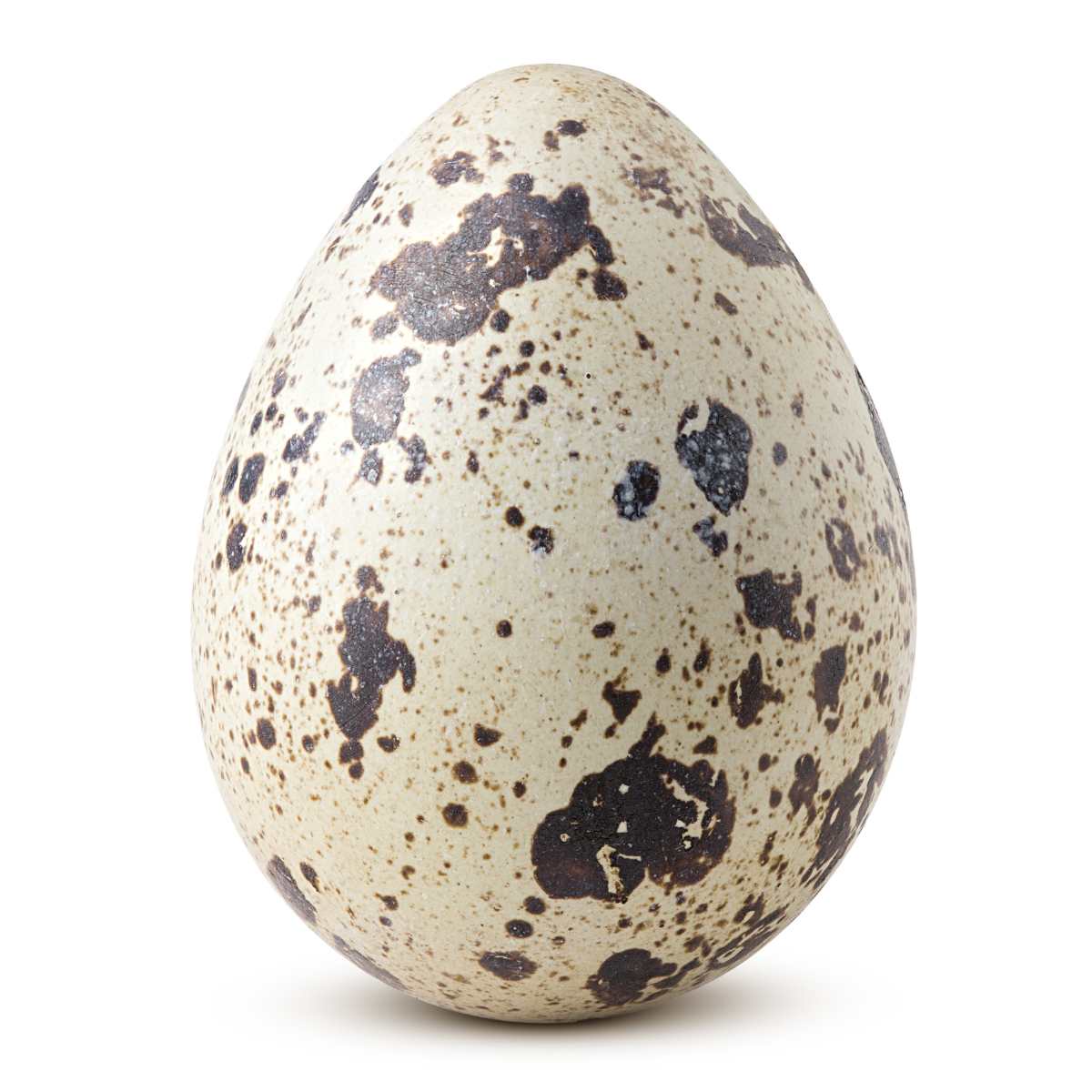
Quail Eggs
Quail eggs are smaller than chicken eggs, being about ⅓ the size. They have a rich, creamy flavor, and are sometimes pickled or used in sushi.
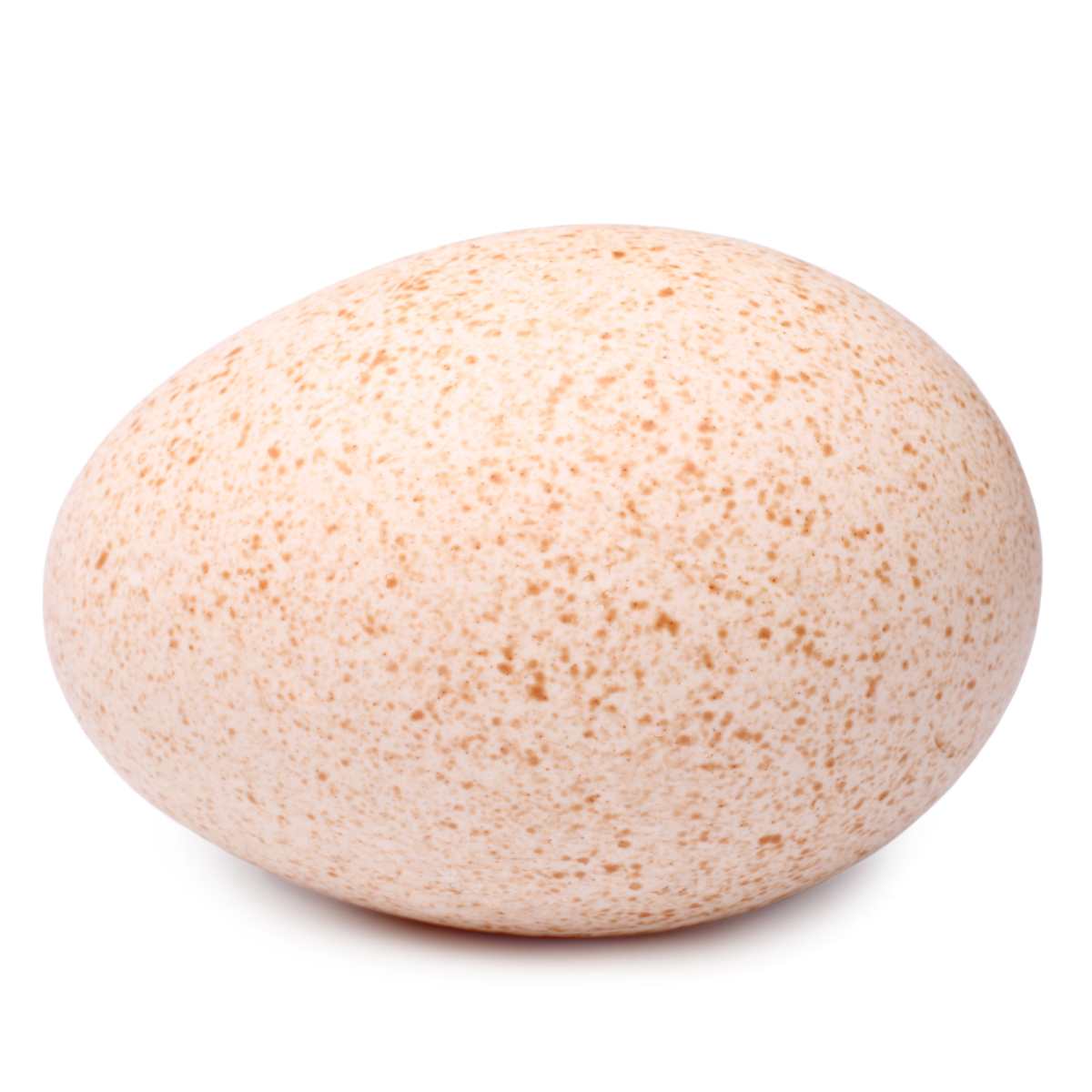
Turkey Eggs
Turkey eggs are larger than chicken eggs and have a similar taste, but good luck finding them. Since there is little market for $3 eggs, turkey farmers almost exclusively raise their birds for meat, not eggs. That wraps up our look at types of eggs. We hope you found what you are looking for, and as always happy cooking from your friends at Live Eat Learn.