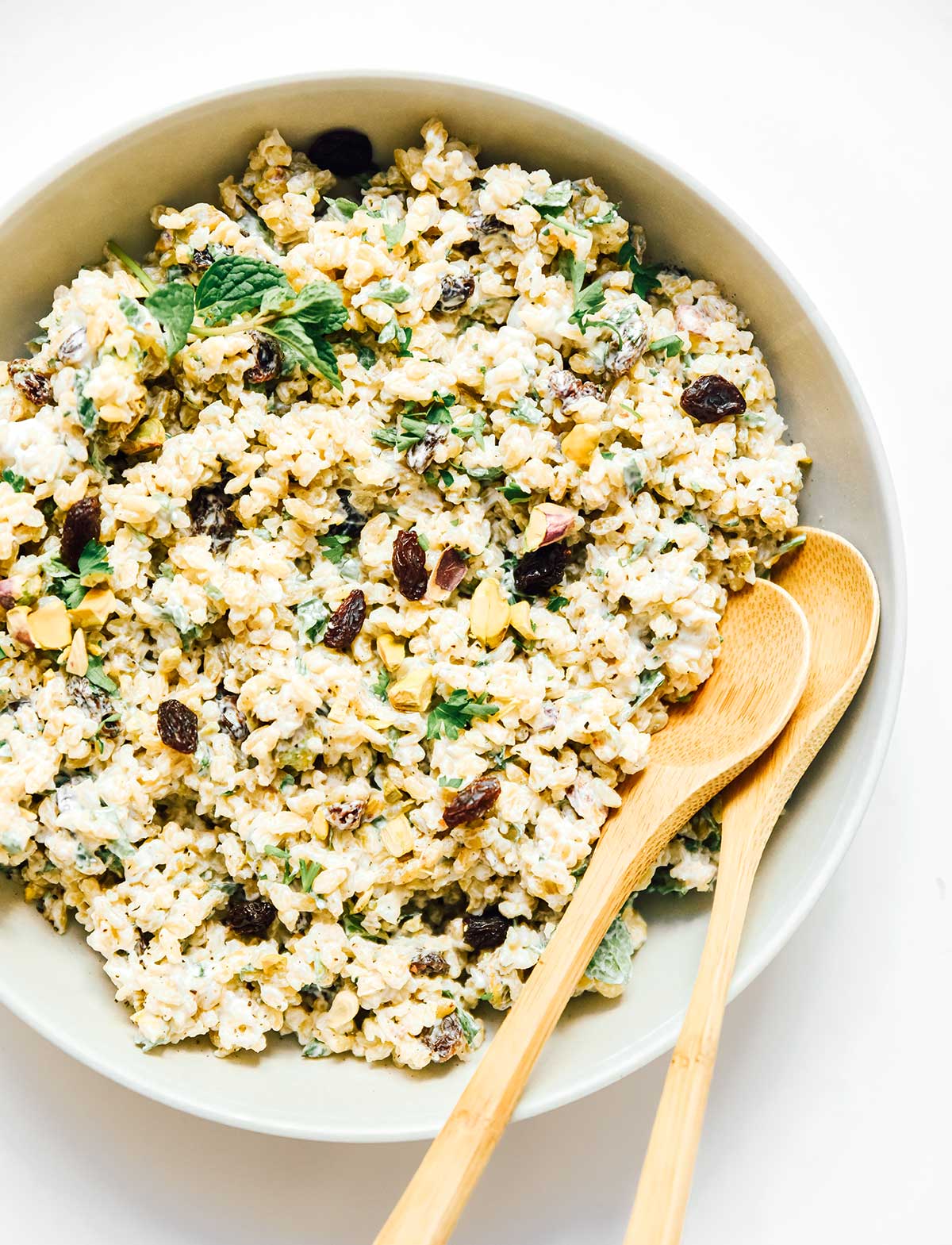
What is freekeh?
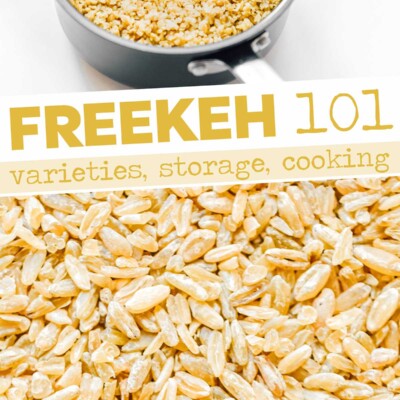
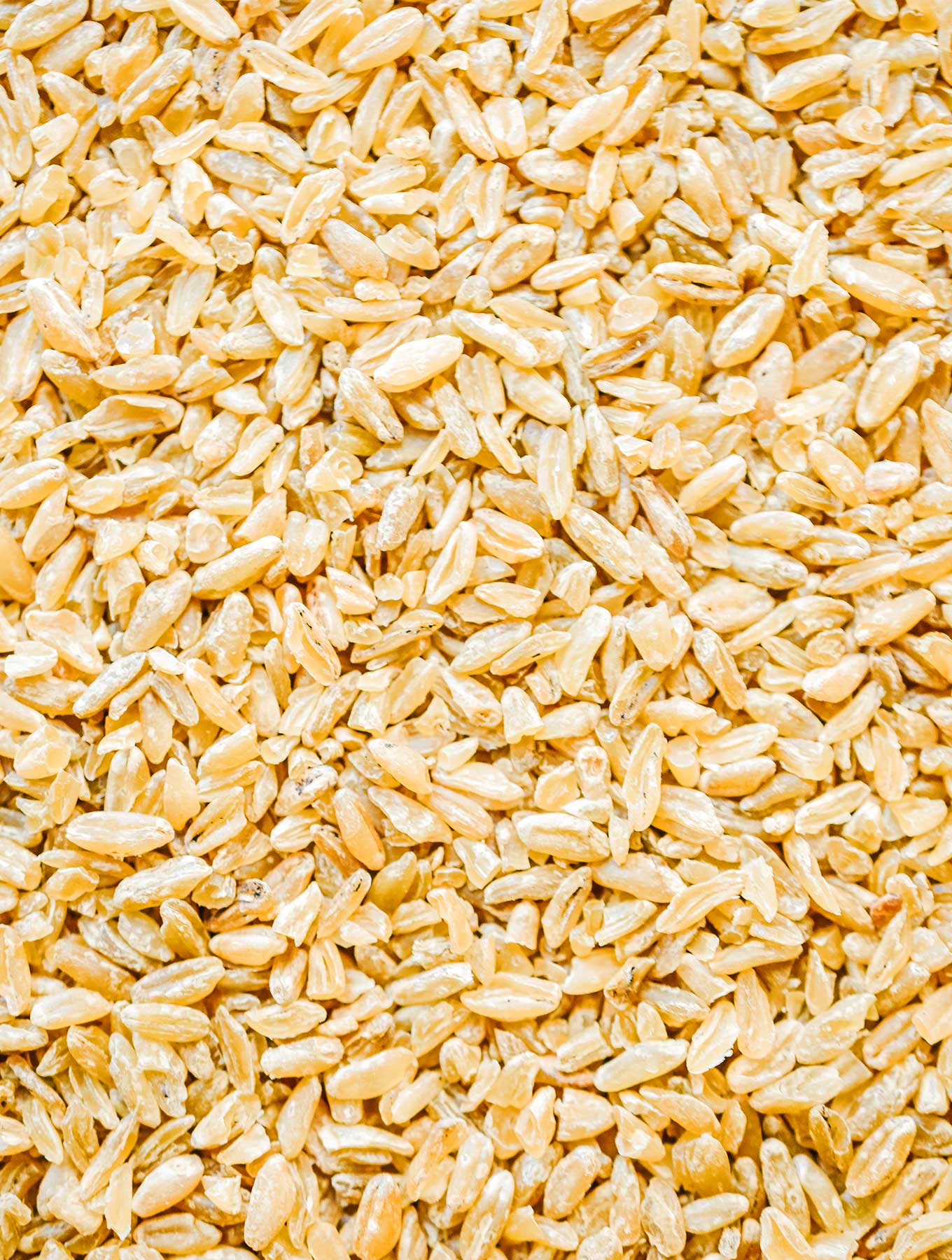
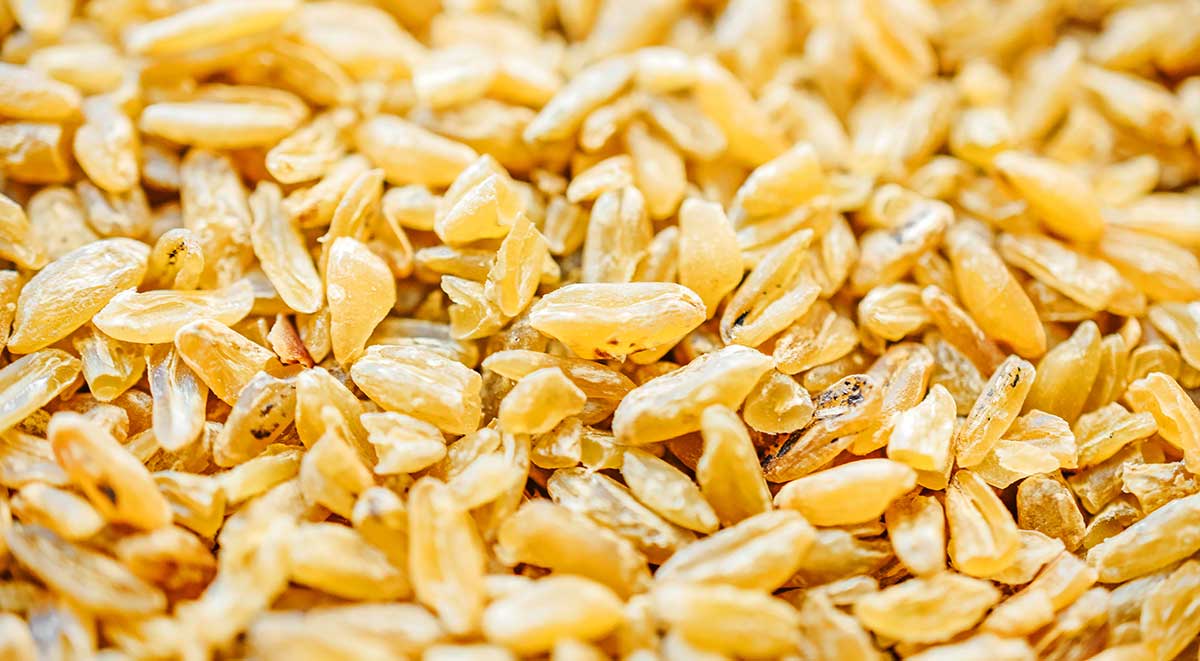
Freekeh is a grain that is derived from North African and Eastern Mediterranean/West Asian regions (home to the durum wheat that the grain comes from). A whole grain, this little nutrient powerhouse (more on that in a sec) comes from smoking durum wheat grains. After smoking, the grains are “polished,” which is a process that removes the shells and reveals the freekeh grains’ color and texture. If you’re picturing brown whole grain rice (or perhaps bulgur, farro, or sorghum), you’re in the right boat! Freekeh could be considered to be in the same category as those grains, but it’s a bit different in taste. You may find that it has more of an earthy flavor, sort of similar to how nuts taste earthy.
Does freekeh contain gluten?
Unlike quinoa, freekeh is not gluten-free. It is made from durum wheat grains, which contain gluten.
Where to buy freekeh
If your grocery store carries freekeh, you’re likely to find it on the aisle with the rice, quinoa, and grains. Popular brands include Ziyad, Earthly Choice, Bob’s Red Mill, and Fire Grain. If you can’t locate it in-store, you can definitely find it online!
Variations of freekeh
Freekeh can come in a couple different forms:
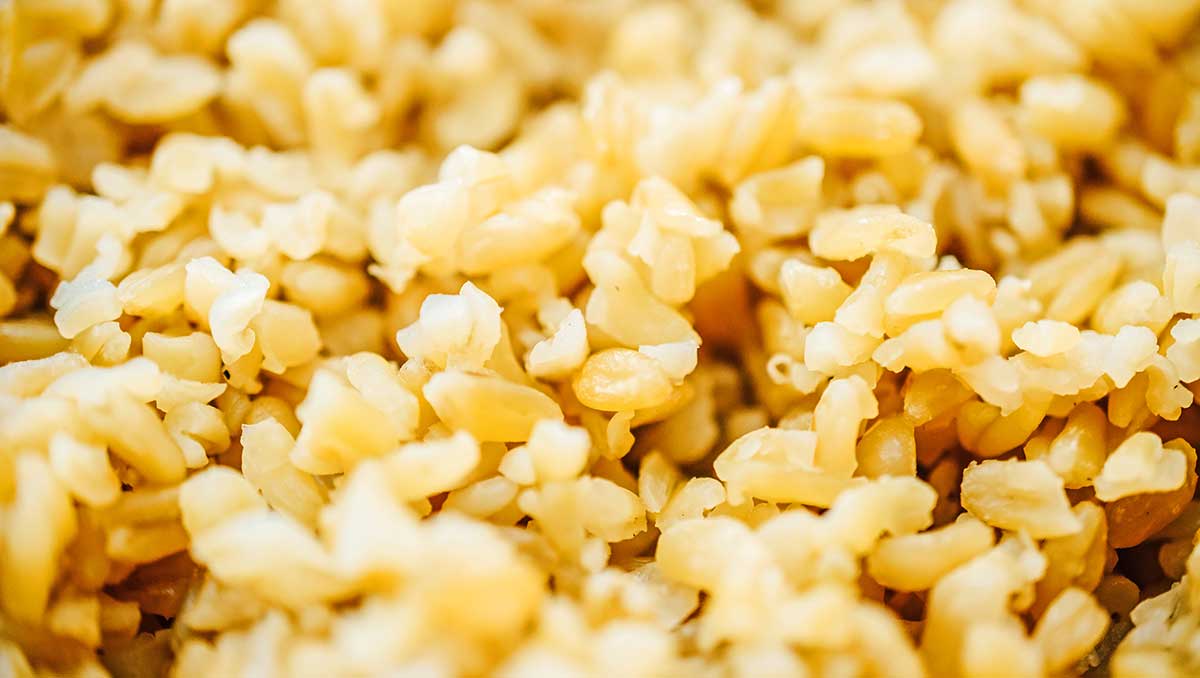
Whole: Whole freekeh is… whole! With this version you’ll get the full grains. The taste is the same, but the texture will be a bit smoother than the alternative. Cracked: Cracked freekah, on the other hand, is simply whole freekeh broken up into smaller pieces. The texture is a bit more coarse. The benefit of cracked freekeh is that it cooks faster!
The benefits of freekeh
There’s no other way to say it: freekeh is a top tier grain. Because it’s harvested when the grains are “young,” it contains so many more nutrients than it would if harvested at a later time. Each serving provides healthy amounts of:
Protein Fiber Carbohydrates Iron Fats
It’s lower in calories and carbs than both brown rice and quinoa, and contains more protein than brown rice (and the same amount as quinoa!). Filled with prebiotics and antioxidants, this grain is great for aiding in gut and hearth health and is noted for being a fantastic, lower-glycemic option for those who wish to monitor their blood sugar.
How to cook freekeh
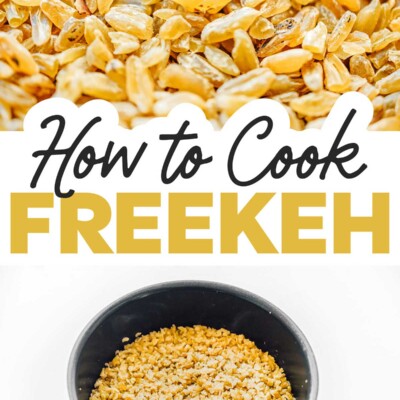
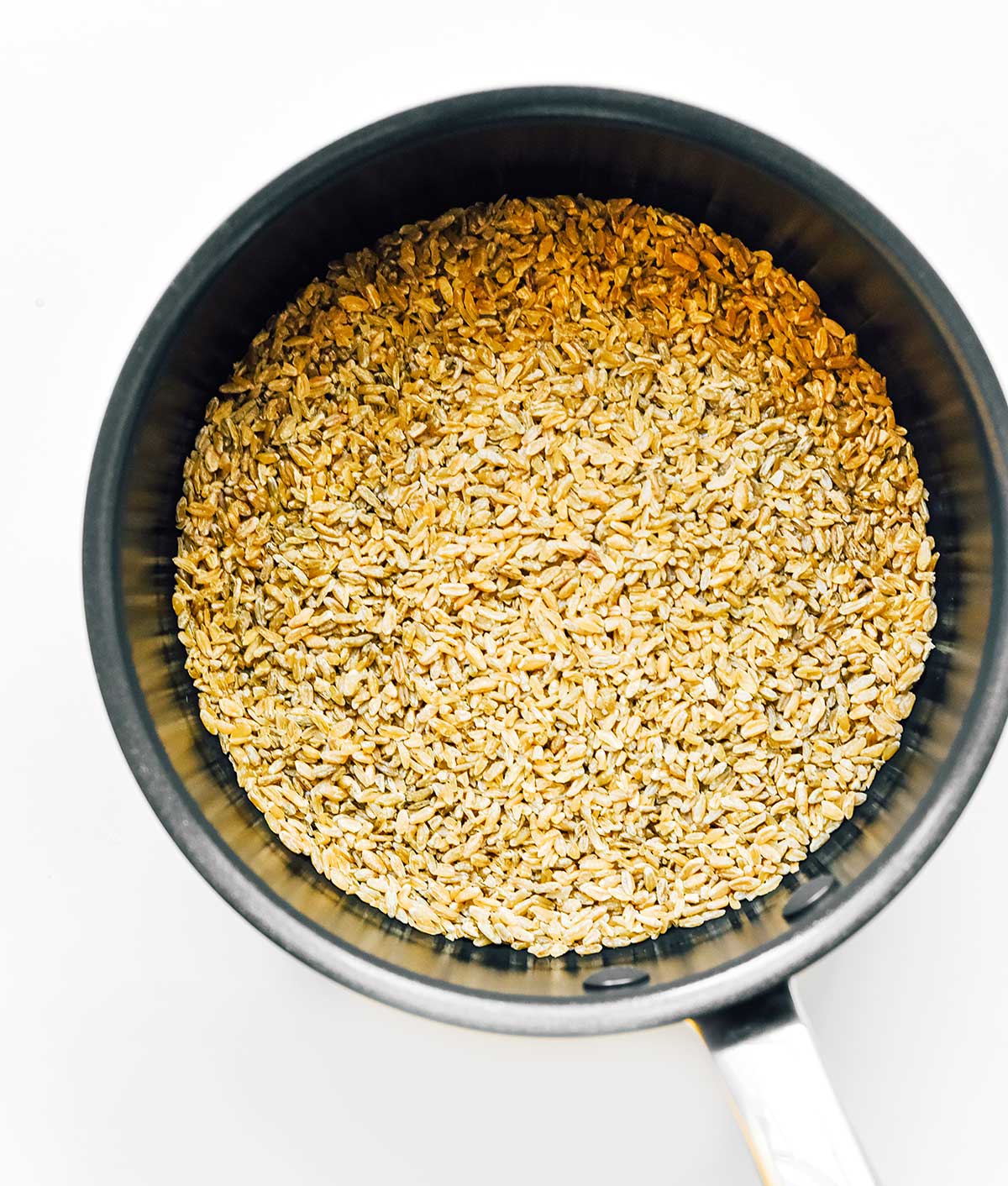
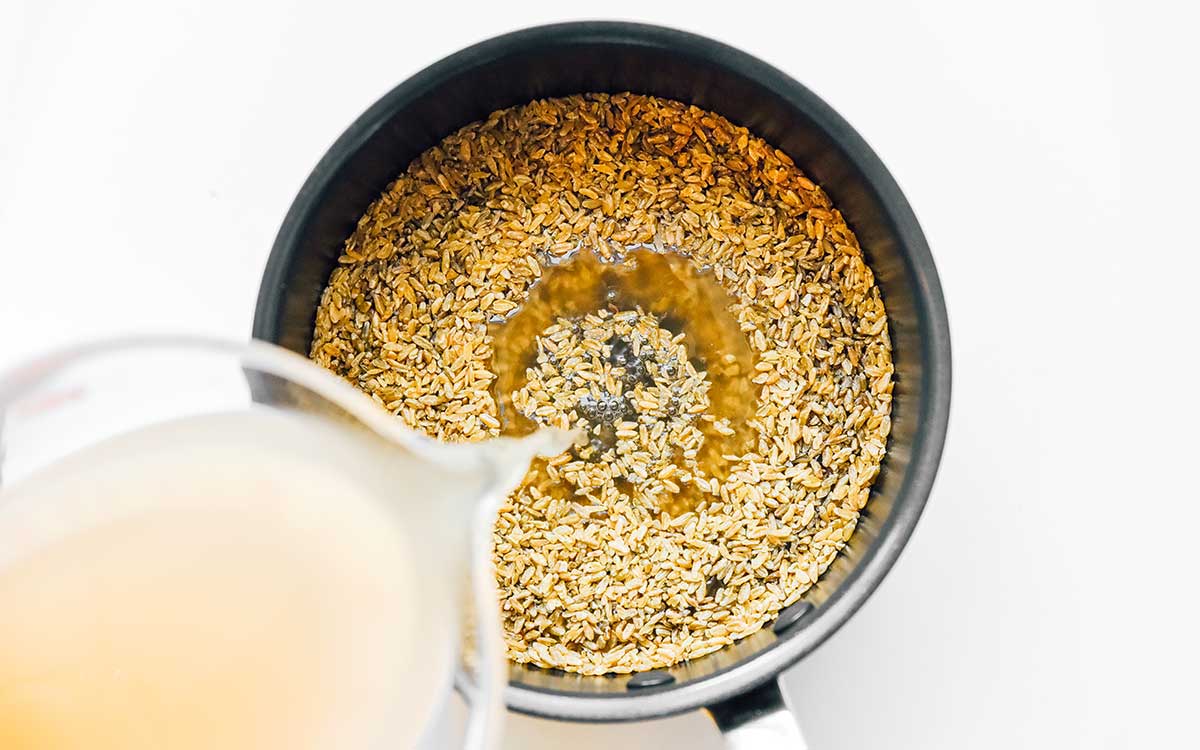
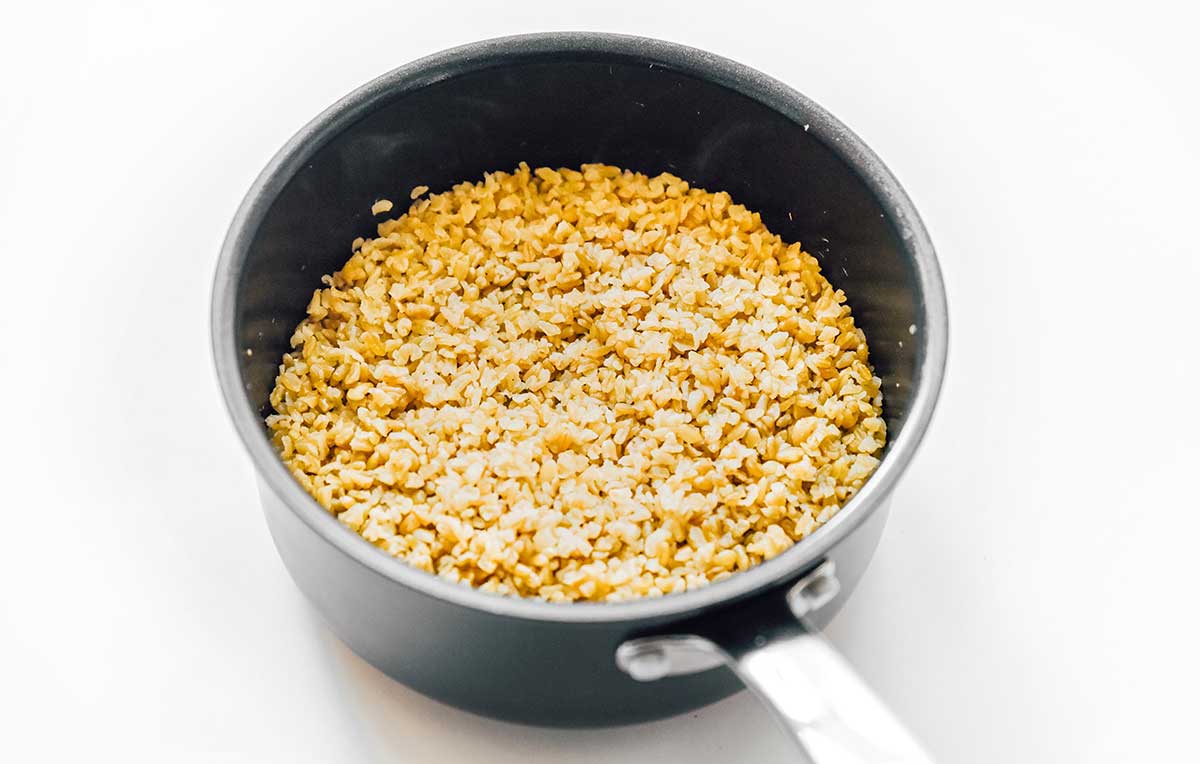
Freekeh is cooked the same way as rice or quinoa. Take the grains, add the liquid, and cook on the stove! To make freekeh, you will need:
1 cup of grains 2 ½ cups of water or broth (unless the package lists a different amount)
How to store freekeh
Uncooked: Dry freekeh can be stored in the pantry. Keep it in a well-sealed, airtight container in order to preserve the freshness. When uncooked and stored properly, it will last for while! Cooked: On the other hand, cooked freekeh should be stored in the refrigerator, again in an airtight container. Eat it up within 5 days.
How to serve freekeh
Freekeh is a great grain because not only does it taste fantastic, it can be served up so many different ways! It can essentially be used wherever you’d use quinoa or rice: in salad or soup, with veggies, etc. Try it in place of bulgur in tabbouleh or pilaf! You can even pair it with yogurt or cereal for an extra dose of protein and great taste!