What is a White Peach?
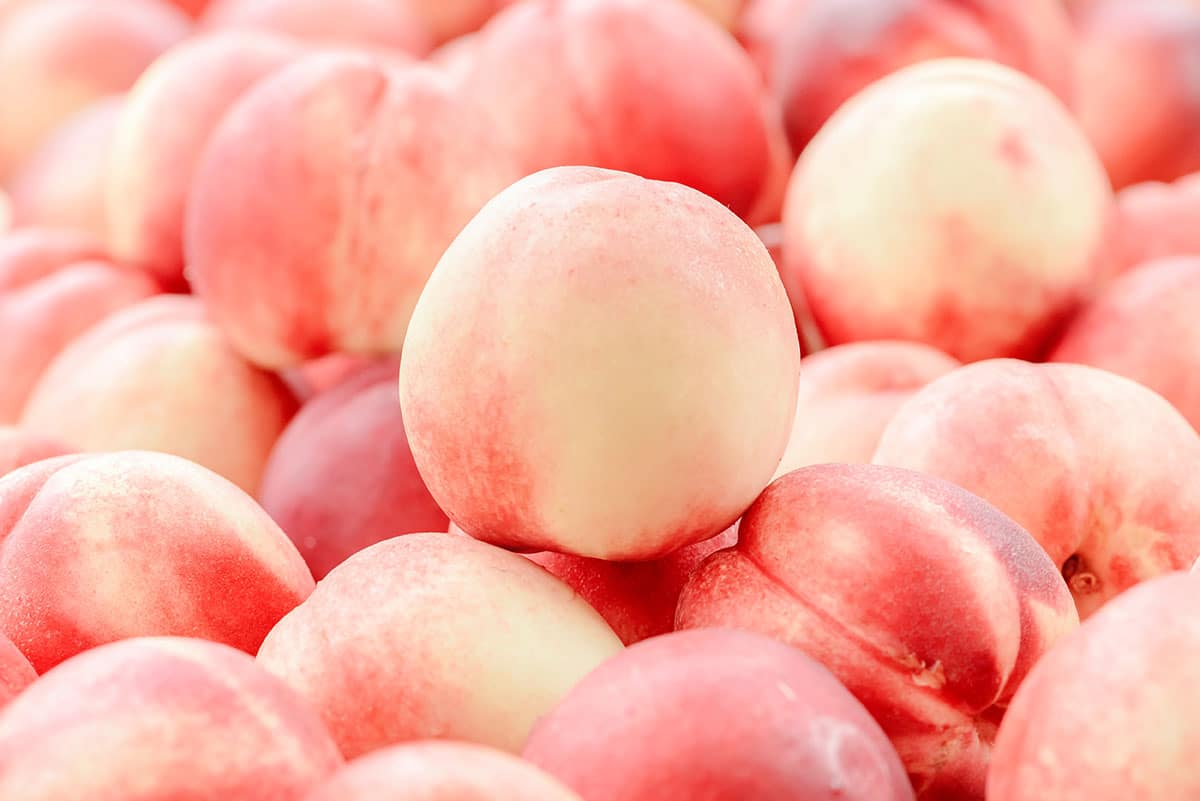
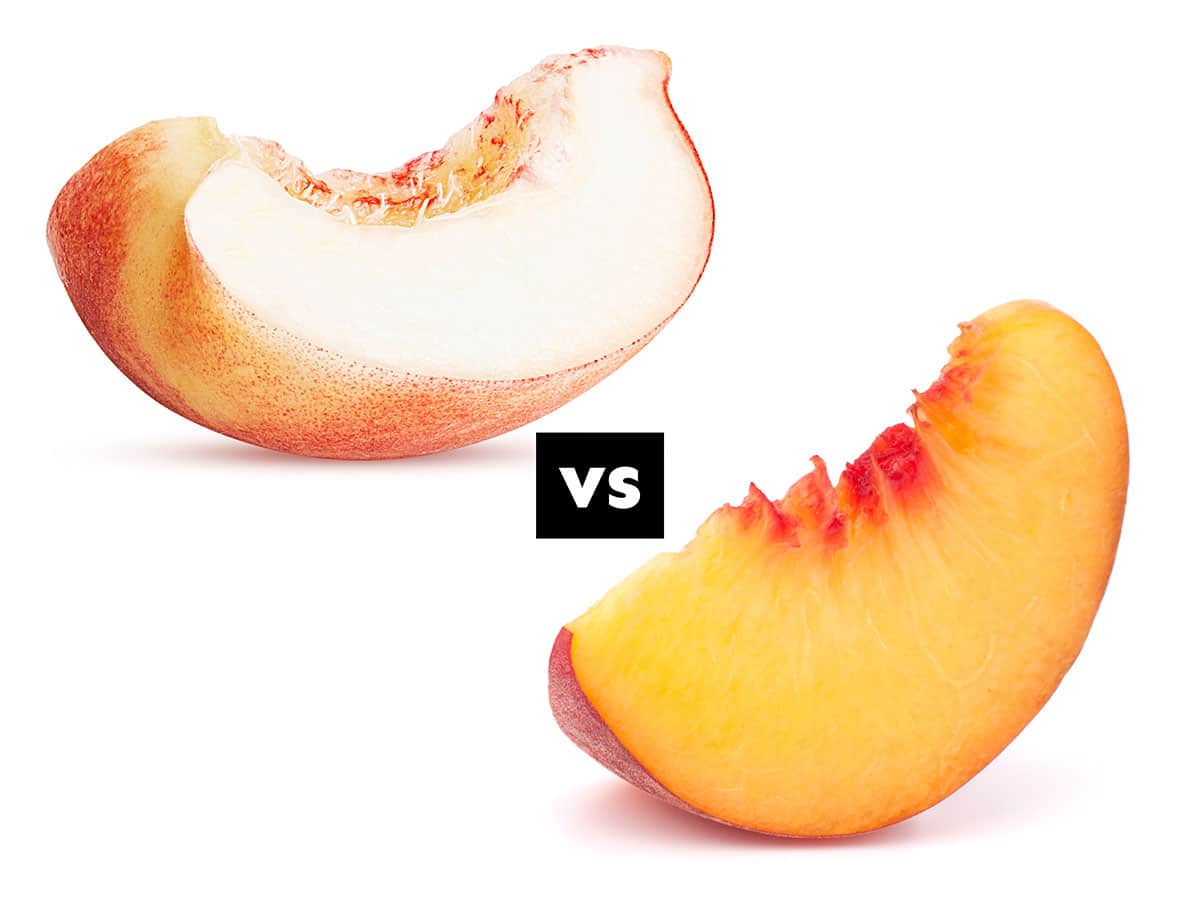
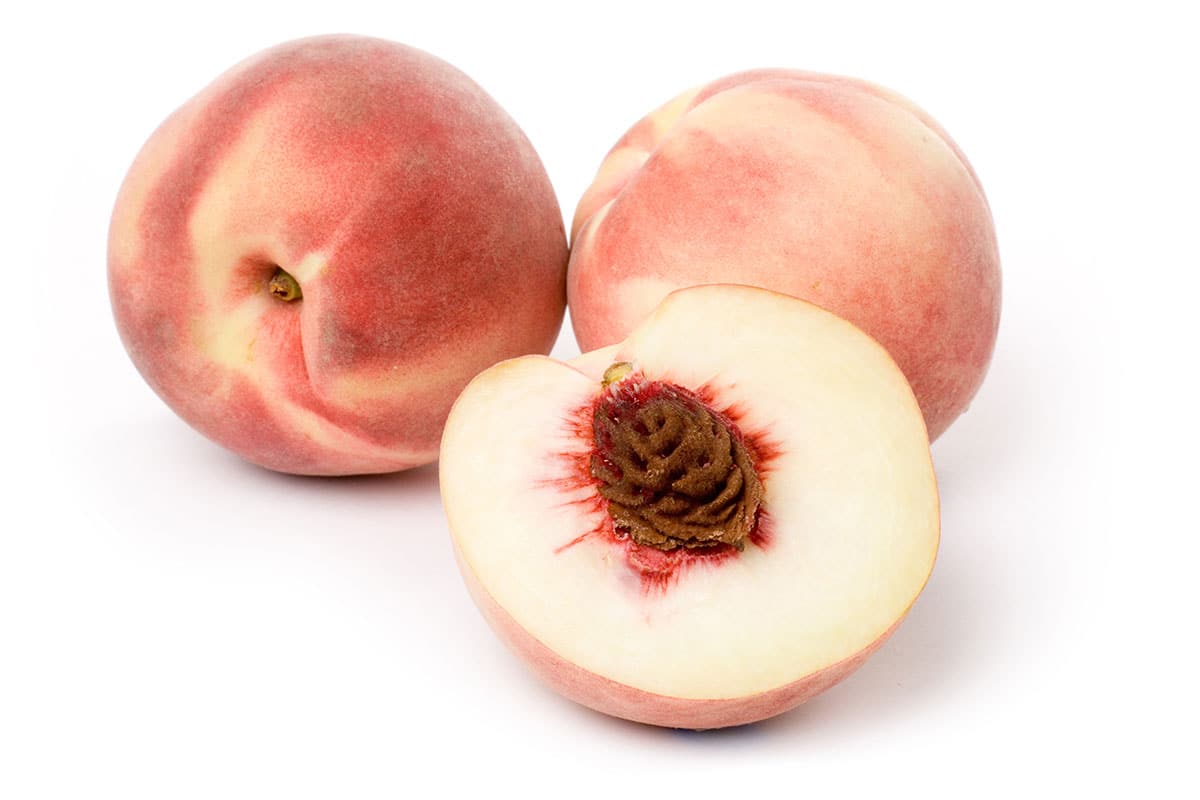
White peaches are also called ivory peaches as their pulp and skin is white and they have a creamy-white pulp. They are noticeably less acidic than yellow peaches, so their taste is a bit milder and sweeter. Together with white nectarines, which are fairly similar, they are the less used but wonderfully sweet sisters to yellow peaches. Let’s dig a little deeper.
Origin of the White Peach
White peaches are believed to have originated in China where they were a symbol of longevity and wealth, and have been cultivated for about 2,000 years. They were long used in local medicines to treat such ailments as sore throats and coughs. Yellow peaches also originated in China, but are probably closer to 4,000 years old. Food historians do not agree on this point, some claiming that the white peach predates its yellow cousin. From China white peaches migrated to Persia (modern day Iran) and ancient Greece. In the 16th century peaches were brought to the “New World” by Spanish explorers, and were planted in California sometime around the 17th century. English colonists also planted peach trees along the American East Coast, but over time, white peach varieties faded from commercial popularity. Throughout the 19th century, white peaches were generally considered inferior to yellow peaches in America, and were fed to livestock. It wasn’t until the 1980s that white peaches began to rise in demand, favored for their sweeter, less tangy flesh. New varieties were also developed in the late 20th Century that improved the fruit’s sweet taste and transportability to commercial markets.
Where are white peaches grown?
Today white peaches are grown worldwide in Asia, Europe, Australia, South America, and North America, with major production sites in China, the United States (mostly California), and Italy. When in season, the white fruits are found in local markets, groceries, and specialty distributors.
Difference between Yellow and White Peaches
Yellow and white peaches are probably more alike than they are different, but they are different cultivars with some distinct differences.
Best Uses for White Peaches
For most baking and cooking yellow peaches are your best bet. Since they are firmer than white peaches, they hold their shape better when cooked. This isn’t to say you can’t bake with white peaches. Their sweet, creamy taste and texture make them great in desserts, even if they aren’t as firm as their yellow cousins. White peaches are best, however, as snacks for fresh eating, or in recipes where their soft texture doesn’t matter. White peaches are a great option for adding to smoothies, or with breakfast options like these Peaches and Cream Overnight Oats! There is also a whole world full of different peach varieties available to us. If you want to try some peaches other than the standard yellow or white peach check out our 24 types of peaches, and head to your local farmer’s market to see which of these they might have.
White Peach Nutritional Information
White peaches are a good source of vitamin C, vitamin A, potassium, and dietary fiber. They are also low in calories. Yellow peaches are slightly higher in vitamin A than their white peach cousins, as one could guess from their orange pulp. A medium sized peach (about 5 ounces) contains:
58 Calories 2.2 grams of Fiber 10% of the RDA of Vitamin A 17% of the RDA of Vitamin C 8% of the RDA of Potassium
How to Select White Peaches
When choosing white peaches, look for fruits that are slightly soft to the touch and have a sweet fragrance. Avoid those that are overly soft or have bruises or blemishes. The riper they are, the easier they bruise.
How To Store Peaches
To store white peaches, keep them at room temperature until they are ripe, then refrigerate them to keep them fresh for a few days. We hope you have found some information here you can use. White peaches are a great option in just about any recipe or application calling for peaches. Their sweet juicy flavor makes them a great option in fruit salads, smoothies, kombucha, pretty much you name it. And as always Happy Cooking!